
Is it possible to create a perfect vacuum? – Rolf Landua and Anais Rassat

The lesson explores the concept of the quantum vacuum, revealing that even in seemingly empty space, there exists a dynamic interplay of particles, radiation, and quantum fluctuations. It highlights the practical applications of vacuums in everyday life and scientific research, emphasizing that true emptiness is an illusion, as space is filled with energy and fluctuations that have significant implications for our understanding of the universe. Additionally, it addresses the mystery of the missing energy in the vacuum, which poses a significant challenge for physicists.
Why are human bodies asymmetrical? – Leo Q. Wan
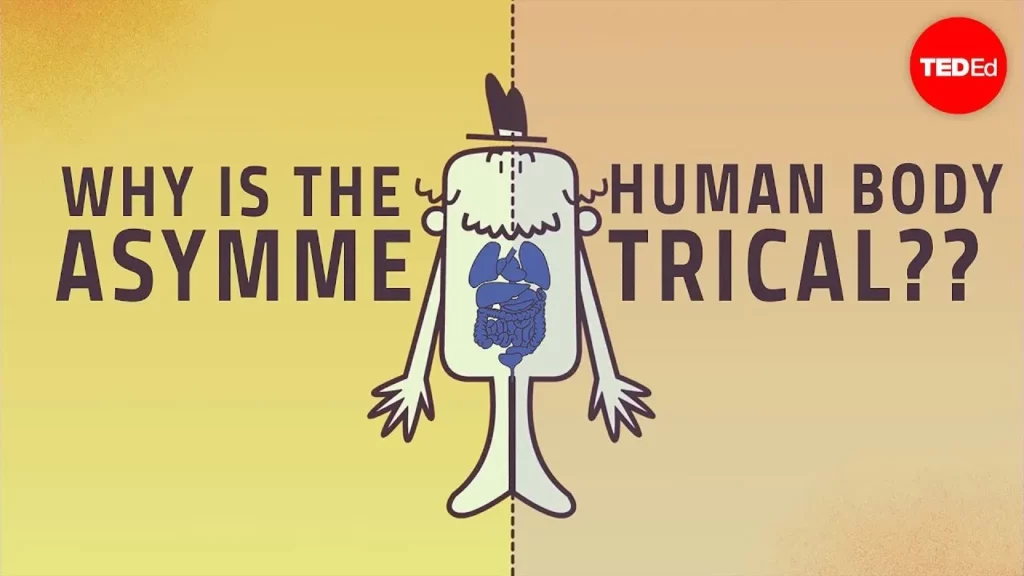
The lesson explores the significant yet often overlooked role of asymmetry in nature, contrasting it with the commonly celebrated symmetry found in various organisms. It delves into how asymmetry is crucial for survival and development, particularly in the arrangement of internal organs, and discusses the embryonic origins of asymmetry through the action of cilia. Additionally, it highlights the molecular basis of asymmetry, emphasizing that while symmetry is linked to beauty, asymmetry contributes to the complexity and functionality of life.
A clever way to estimate enormous numbers – Michael Mitchell

The lesson emphasizes the importance of scientific notation in simplifying large numbers and making estimations more manageable. By using scientific notation, we can express vast quantities, such as the speed of light, in a concise format, which is particularly useful for solving Fermi problems—estimation challenges that require quick calculations with minimal data. Through a classic example of estimating the number of piano tuners in Chicago, the lesson illustrates how order-of-magnitude estimations can yield surprisingly accurate results, showcasing the practical applications of scientific notation in everyday problem-solving.
Corruption, wealth and beauty: The history of the Venetian gondola – Laura Morelli
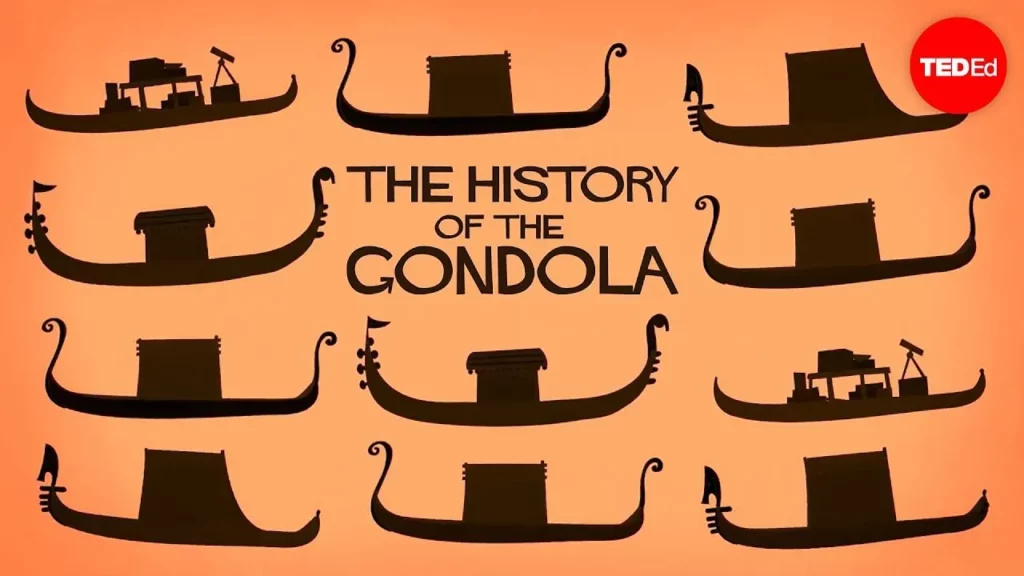
The lesson explores the gondola’s significance as a symbol of Venice, tracing its historical evolution from a vital mode of transport in the 1500s to a status symbol for the wealthy. It highlights the craftsmanship involved in gondola construction, the impact of regulations on their appearance, and the decline of traditional gondola-making in the face of modernization. Despite the reduction in the number of gondolas, the legacy of this unique craft continues to be celebrated in Venice.
This is Sparta: Fierce warriors of the ancient world – Craig Zimmer
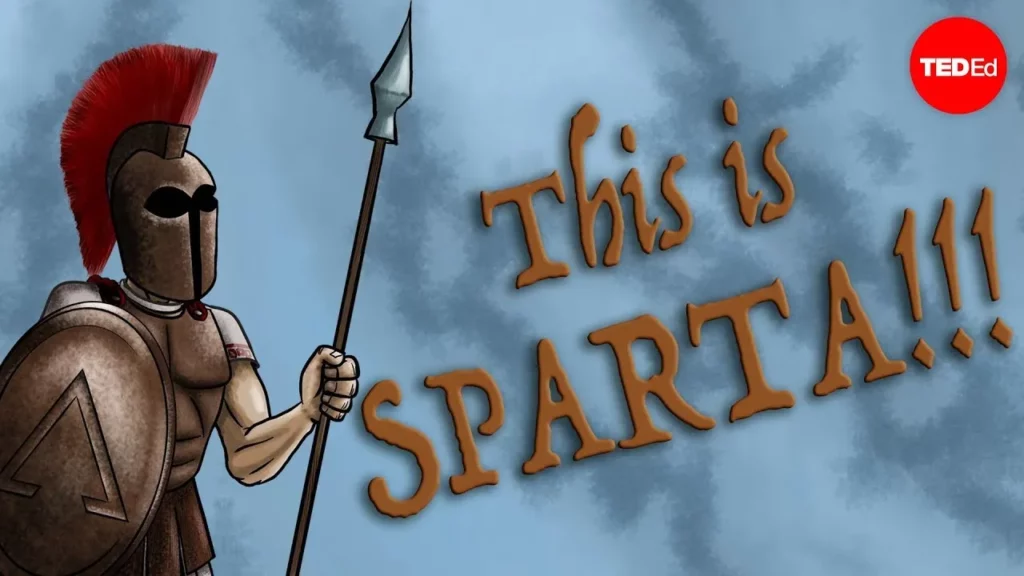
The lesson explores the unique societal structure and rigorous training that defined Sparta, one of ancient Greece’s most formidable warrior cultures. From birth, Spartans were conditioned to prioritize loyalty to their city-state above all else, undergoing intense training from a young age to develop physical and mental resilience. This unwavering dedication to duty and sacrifice not only shaped their military prowess but also left a lasting legacy in history.
Why are there so many types of apples? – Theresa Doud
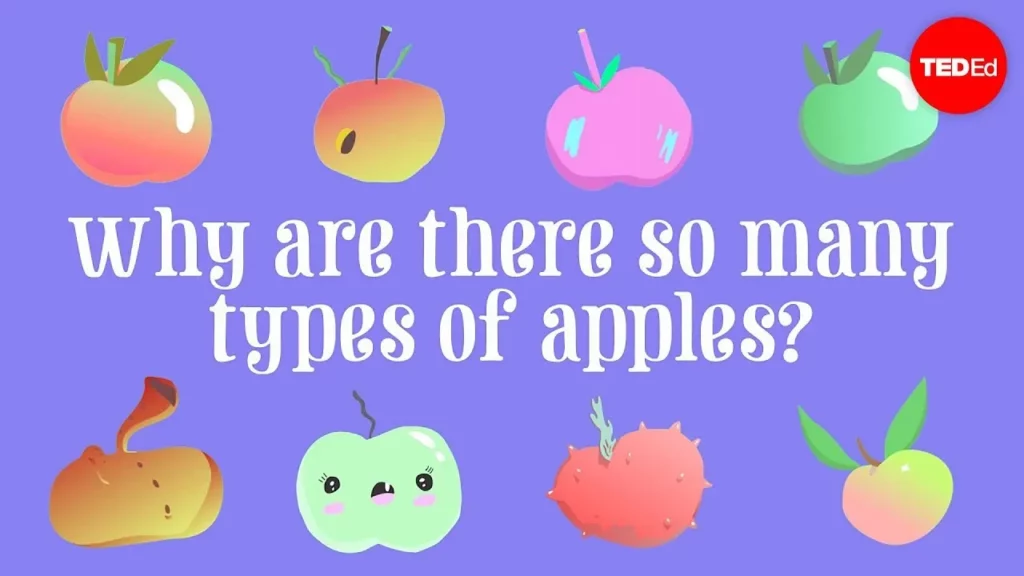
The lesson explores the intricate process of apple breeding, highlighting how human ingenuity has led to the creation of over 7,500 apple varieties to meet the needs of both farmers and consumers. It details the steps involved in breeding, from selecting parent apples and cross-pollination to evaluating seedlings and developing new cultivars through grafting. Finally, the lesson emphasizes the importance of naming new apple varieties, which not only reflects their unique characteristics but also grants breeders trademark rights.
The chemistry of cold packs – John Pollard
The lesson explains the science behind instant cold packs, which provide immediate relief through an endothermic chemical reaction. When the solid compound, typically ammonium nitrate, dissolves in water, it absorbs heat from its surroundings, resulting in a rapid temperature drop. This process is influenced by the principles of energetics and entropy, where weaker interactions between particles lead to reduced movement and cooling, ultimately offering comfort for injuries.
How close are we to eradicating HIV? – Philip A. Chan

The lesson emphasizes that the eradication of HIV is an achievable goal through the strategic use of antiretrovirals (ARVs) and preventive measures like pre-exposure prophylaxis (PrEP). By focusing on halting transmission and ensuring access to treatment, the global community can significantly reduce new infections and ultimately eliminate the virus, provided there is substantial investment in healthcare systems. With ongoing advancements and commitment, a future without HIV is increasingly within reach.
The three different ways mammals give birth – Kate Slabosky
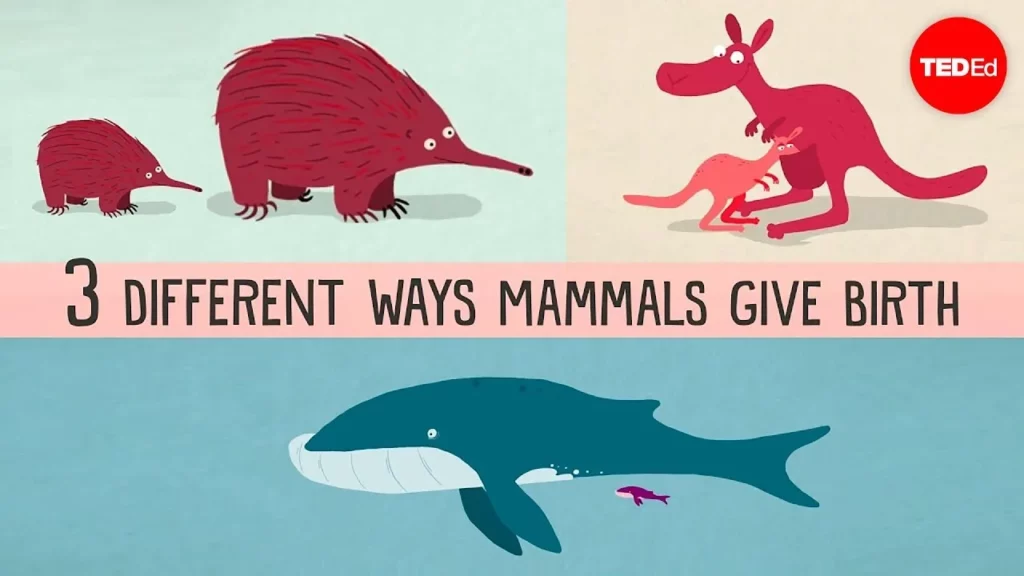
The lesson explores the diverse reproductive strategies of mammals, highlighting three main groups: placental mammals, marsupials, and monotremes. Placental mammals, like humans and blue whales, nourish their young through a placenta during longer gestation periods, while marsupials, such as kangaroos, give birth to underdeveloped young that continue to grow in a pouch. Monotremes, including the platypus, are unique for laying eggs and feeding their young with milk, showcasing the remarkable adaptability and evolutionary success of mammals.
The science of snowflakes – Maruša Bradač
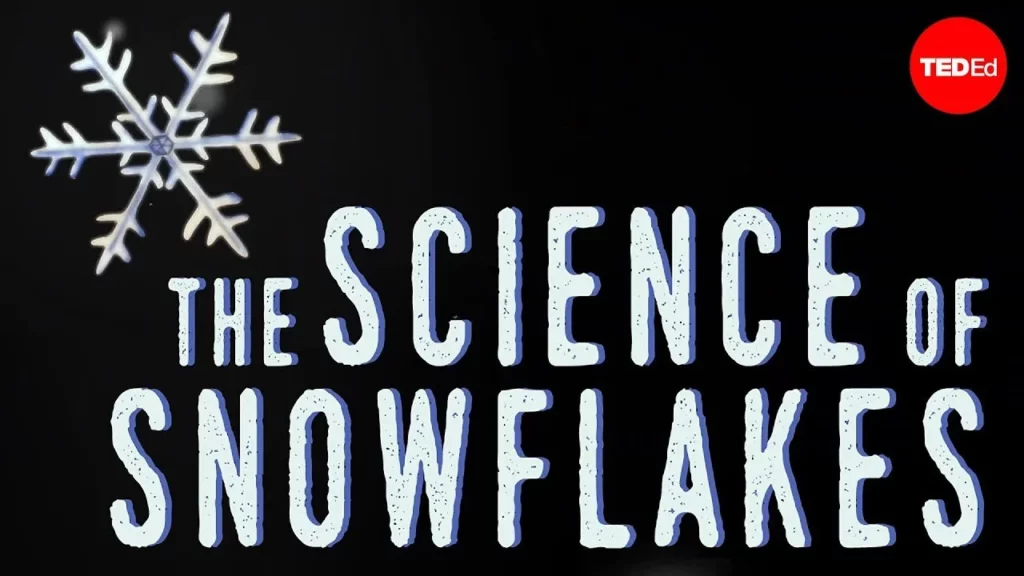
This lesson explores the captivating science behind snowflakes, highlighting their unique formation and intricate hexagonal structure resulting from the molecular properties of water. It explains how atmospheric conditions influence the shape of snowflakes and discusses the impact of weather on snow quality, particularly in relation to skiing. Ultimately, the lesson emphasizes the uniqueness of each snowflake, making them a subject of ongoing scientific intrigue.