
How to create cleaner coal – Emma Bryce
The lesson explores the significant role of coal in global energy production, highlighting its affordability and abundance, which make it a prevalent energy source for many. However, it also addresses the environmental and health risks associated with coal, including air pollution and its contribution to climate change, emphasizing the need for cleaner technologies like carbon capture and sequestration. Ultimately, the lesson underscores the importance of regulatory measures to mitigate coal’s negative impacts while acknowledging its continued presence in the energy landscape.
What’s invisible? More than you think – John Lloyd
In his TEDTalk “Exploring the Invisible: A Journey into the Unknown,” John Lloyd invites us to contemplate the unseen aspects of our universe, from the fundamental forces that bind celestial bodies to the complexities of consciousness and the nature of time. He emphasizes that while we can observe the physical world, much of what shapes our reality remains elusive, prompting us to reflect on profound questions about existence and our place in the cosmos. Ultimately, Lloyd’s exploration encourages a sense of wonder and curiosity about the mysteries that lie beyond our perception.
The popularity, plight and poop of penguins – Dyan deNapoli

The lesson explores the unique characteristics and ecological significance of penguins, highlighting their graceful adaptations for swimming and their diverse habitats across the southern hemisphere. Despite their charming portrayal in popular culture, penguins face significant threats, with 15 of the 18 species currently at risk due to human activities such as habitat destruction, overfishing, and climate change. Conservation efforts are crucial for their survival, emphasizing the role of humans in both the challenges and potential recovery of these remarkable birds.
Why do people have seasonal allergies? – Eleanor Nelsen
This lesson explores the science behind seasonal allergies, particularly hay fever, which is triggered by the immune system’s overreaction to harmless substances like pollen. It discusses the genetic and environmental factors contributing to the development of allergies, common triggers, and effective management strategies, including medications and immunotherapy. Understanding these elements can help individuals better cope with allergy symptoms and improve their quality of life during allergy season.
How to grow a glacier – M Jackson
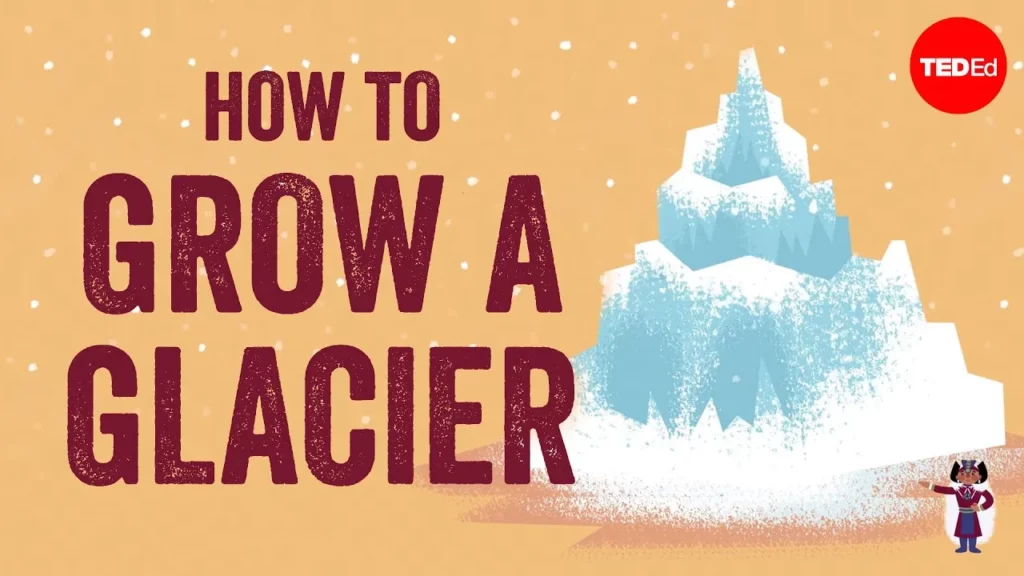
The lesson explores the innovative practice of glacier cultivation, a technique developed by communities in the Karakoram and Himalayan regions to address water scarcity. By distinguishing between natural and artificial glaciers, it highlights how local traditions and methods, such as horizontal and vertical glacier creation, enable these communities to sustainably manage water resources, particularly in areas like Ladakh facing climate change challenges. As the relevance of glacier cultivation grows globally, it presents a potential solution to modern water issues and inspires environmental stewardship.
There may be extraterrestrial life in our solar system – Augusto Carballido
The lesson explores the potential for extraterrestrial life in three ocean worlds within our solar system: Europa, Enceladus, and Titan. These moons are believed to have liquid oceans beneath their icy surfaces, which could create environments conducive to life by facilitating complex molecular interactions. Astrobiologists are focused on searching for biosignatures in these moons, while also considering the unique conditions that might support life forms different from those on Earth.
How bees help plants have sex – Fernanda S. Valdovinos
The lesson emphasizes the critical role of bees and other pollinators in facilitating plant reproduction and maintaining ecosystem health. Bees, particularly honeybees, contribute significantly to global food production and are part of intricate networks that support the pollination of a vast array of plant species. These networks exhibit unique structures, such as nestedness and modularity, which enhance their resilience and stability, highlighting the importance of both specialist and generalist pollinators in sustaining biodiversity and agricultural productivity.
How long will human impacts last? – David Biello
The lesson on the Anthropocene explores humanity’s significant and lasting impact on Earth’s geological record, highlighting how future geologists may identify this epoch through novel elements like plastics and plutonium introduced by human activity. It emphasizes the ecological consequences of our actions, including biodiversity loss and climate change, and underscores the importance of making conscious choices to shape a sustainable legacy for future generations. Ultimately, the lesson serves as a call to recognize our responsibility in influencing the planet’s future.
The surprising origins of the word ‘lesbian’ – Diane J. Rayor
The lesson explores the enduring legacy of Sappho, an ancient Greek poet from Lesbos, whose intimate and lyrical exploration of love and desire has captivated audiences for over 2,500 years. Despite the loss of much of her work, Sappho’s unique contributions to poetry, particularly her focus on homoerotic themes and emotional complexity, have significantly influenced language and culture, leading to the term “Lesbian.” Modern scholarship seeks to debunk myths surrounding her life, celebrating her true legacy as a pioneering figure in the literary world whose poignant reflections on love continue to resonate today.
How do scars form? – Sarthak Sinha
The lesson explores the nature of scars, which are the body’s way of healing after injuries, and delves into the biological processes behind scar formation. It explains how scars differ from healthy skin due to the misalignment of collagen during healing, leading to reduced functionality and potential complications in various organs, a condition known as fibrosis. The lesson also highlights ongoing research aimed at improving wound healing and scar management, offering hope for better recovery outcomes in the future.