
Is it bad to hold your pee? – Heba Shaheed
The lesson explores the anatomy and functioning of the urinary system, emphasizing the bladder’s role in urine storage and release. It details how the body senses bladder fullness through stretch receptors and the interplay between the brain and pelvic floor muscles in controlling urination. Additionally, it highlights the importance of maintaining bladder health by avoiding the habit of holding urine for extended periods, as this can lead to complications such as pelvic floor dysfunction and urinary incontinence.
Who’s at risk for colon cancer? – Amit H. Sachdev and Frank G. Gress
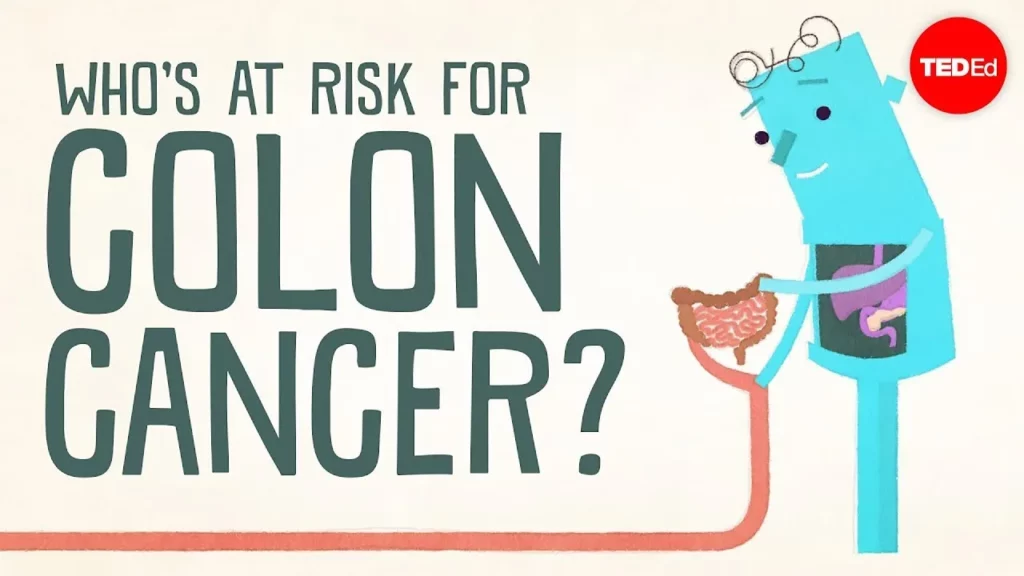
The lesson covers the structure and function of the colon within the human digestive tract, emphasizing its role in the development of polyps and colon cancer. It explains that while most polyps are benign, some can become cancerous due to genetic mutations and environmental factors, highlighting the importance of regular screenings, especially for individuals over 50 or those with a family history of colon issues. Preventive measures, including healthy lifestyle choices and timely medical consultations, are crucial for reducing the risk of colon cancer.
History vs. Christopher Columbus – Alex Gendler
The lesson “Reevaluating Columbus Day: A Historical Perspective” explores the complex legacy of Christopher Columbus, questioning whether he should be celebrated as an explorer or critiqued as a colonizer responsible for exploitation and violence against indigenous populations. It traces the origins and evolution of Columbus Day, highlighting the shift in perception from a traditional celebration to a more nuanced recognition of indigenous cultures, as seen in the adoption of alternative observances like Indigenous People’s Day. Ultimately, the lesson encourages a reevaluation of historical narratives and the significance of how we commemorate such figures in light of contemporary values.
How quantum mechanics explains global warming – Lieven Scheire
This lesson explains how carbon dioxide contributes to global warming by absorbing infrared radiation emitted by the Earth, rather than visible light from the Sun. Utilizing principles of quantum mechanics, it illustrates how carbon dioxide and other greenhouse gases trap heat in the atmosphere, preventing it from escaping into space and thereby enhancing the greenhouse effect, which leads to climate change. The increased concentration of carbon dioxide amplifies this effect, resulting in a rise in global temperatures.
What is chemical equilibrium? – George Zaidan and Charles Morton
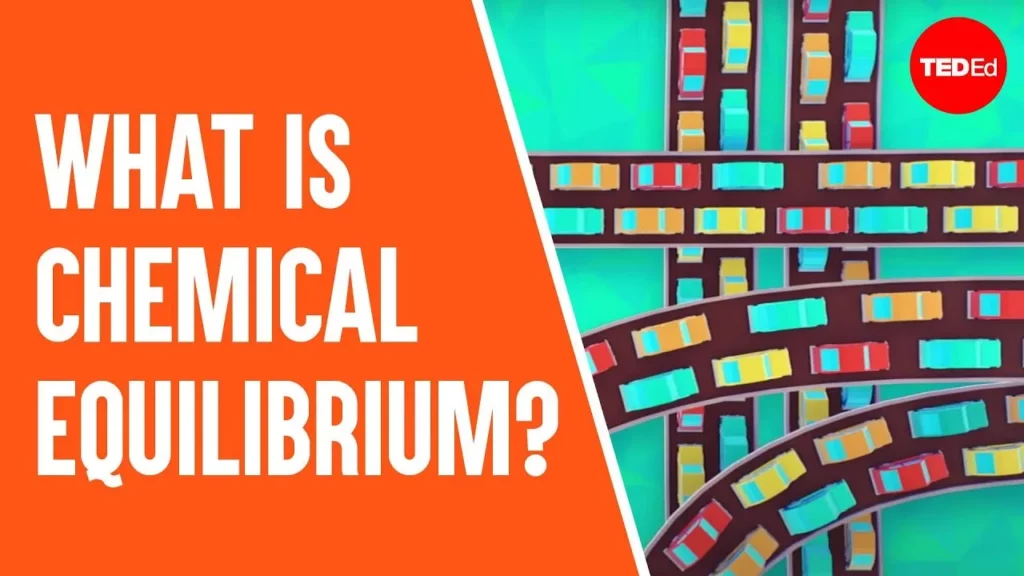
The lesson “Chemical Reactions: A Dance of Molecules” explores the dynamic interactions between molecules, illustrating how they can collide, transform, and exchange parts during chemical reactions. It emphasizes that these reactions require specific conditions, such as proper orientation and sufficient energy, and can be reversible, leading to a state of equilibrium where the rates of forward and reverse reactions balance out. The concept of equilibrium is not only applicable in chemistry but also in various systems, highlighting the continuous activity underlying seemingly stable states.
Savitri and Satyavan: The legend of the princess who outwitted Death – Iseult Gillespie
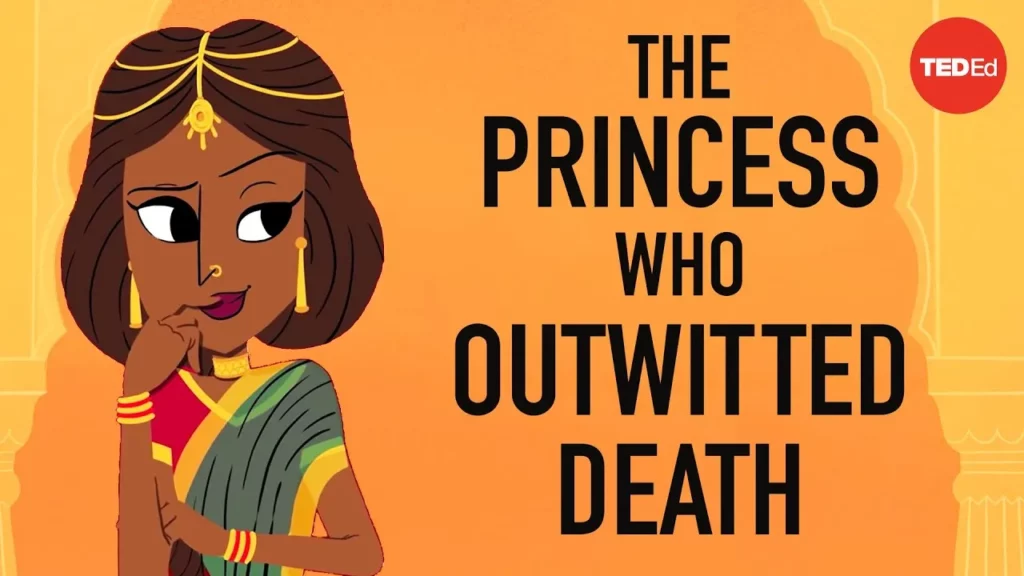
The lesson of “Princess Savitri: A Tale of Love and Determination” highlights the power of unwavering love and the strength of determination in the face of adversity. Princess Savitri’s journey to find her true love, Satyavan, and her refusal to accept the prophecy of his death demonstrate that true devotion can overcome even the most formidable challenges. Through her cleverness and resilience, Savitri not only secures her husband’s life but also showcases the profound impact of love and commitment.
What are warts — and how do you get rid of them? – Cella Wright
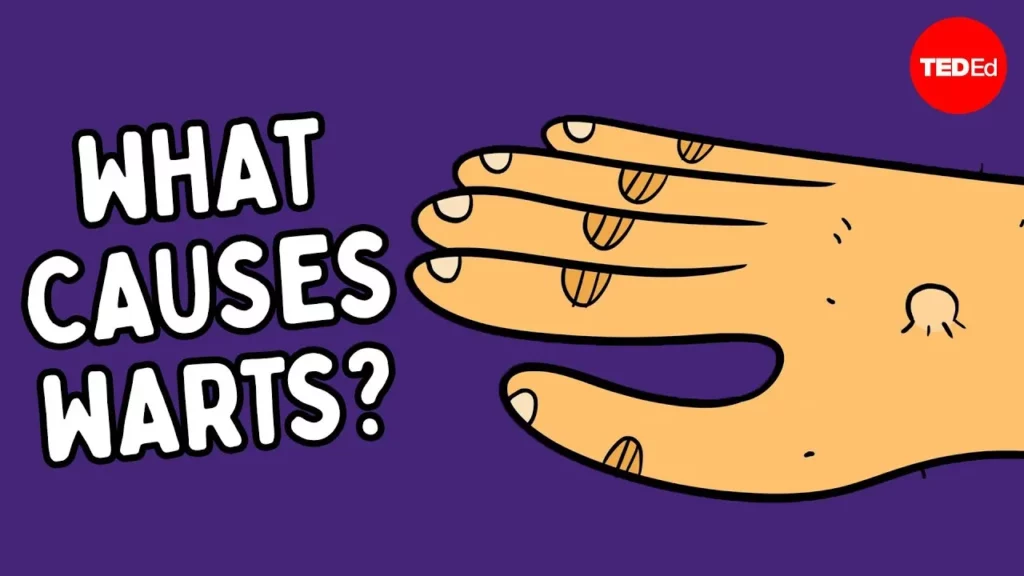
The lesson “The Truth About Warts: Debunking Myths and Understanding Causes” clarifies common misconceptions about warts, particularly the false association with toads, and explains that they are caused by human papillomaviruses (HPVs) that infect skin cells. It details how these viruses can penetrate the skin’s defenses, leading to the rapid multiplication of infected cells and the formation of warts, which can appear in various forms on different body parts. The lesson also discusses the transmission of HPV, available treatments, and the importance of vaccination in preventing the most dangerous strains of the virus.
The hidden treasures of Timbuktu – Elizabeth Cox
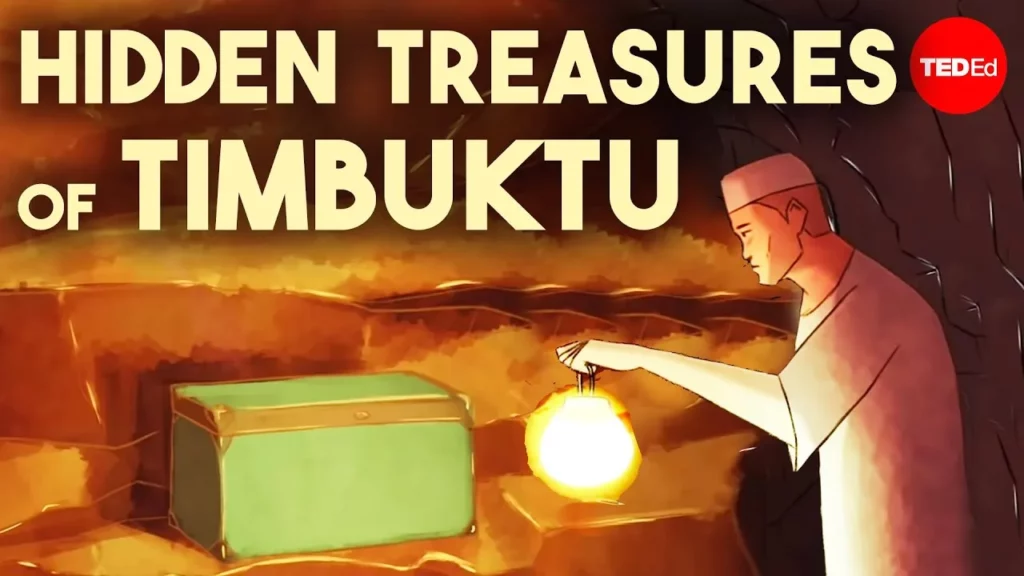
The lesson on “The Hidden Treasures of Timbuktu: A Legacy of Knowledge and Resilience” highlights the historical significance of Timbuktu as a center of trade and intellectual flourishing from its founding in 1100 CE through its golden age under the Songhai Empire. Despite facing numerous conquests and the loss of many manuscripts, the citizens of Timbuktu demonstrated remarkable resilience by safeguarding their literary heritage through secret libraries and hidden manuscripts. Today, efforts continue to protect these invaluable texts, which are crucial for understanding the region’s pre-colonial history and the enduring commitment of generations to preserve their cultural legacy.
Volcanic eruption explained – Steven Anderson
The lesson discusses the emergence of Paricutin, a volcano that formed in 1942 in Mexico, highlighting the geological processes behind volcanic eruptions. It explains how magma, under specific pressures and conditions, can lead to explosive eruptions, with factors such as increased magmastatic pressure and the weakening of the Earth’s crust playing crucial roles. Additionally, the lesson emphasizes the challenges in predicting volcanic activity, despite advancements in technology that aid scientists in monitoring and understanding these natural phenomena.
4 signs of emotional abuse – Viann Nguyen-Feng
The lesson on “Understanding Emotional Abuse: Signs and Solutions” highlights the subtle yet damaging nature of emotional abuse, which can lead to long-term mental health issues like depression and anxiety. It emphasizes the importance of recognizing signs such as verbal abuse, dismissive non-verbal cues, and patterns of behavior that indicate control and manipulation. The lesson also encourages individuals to seek support and maintain connections outside of abusive relationships, reinforcing that everyone deserves kindness and respect.