
Four sisters in Ancient Rome – Ray Laurence
The lesson “Exploring Ancient Rome Through the Eyes of a Young Girl” presents the daily life of a five-year-old girl named Domitia, highlighting her experiences within a traditional Roman family. Through her perspective, we learn about the distinct roles of women in Roman society, their domestic responsibilities, and their limited public presence, contrasted with the more prominent roles of men. The narrative captures the blend of duty, tradition, and childhood joys as Domitia navigates her world, from family interactions to outings in the city.
How to make your writing funnier – Cheri Steinkellner

The lesson “Finding Humor in Everyday Life: Tips for Writing Comedy” emphasizes the importance of recognizing humor in ordinary situations and provides practical strategies for infusing comedy into writing. Key techniques include creating exaggerated comedic characters, utilizing the incongruity theory, and transforming observations into imaginative scenarios. Additionally, the lesson outlines specific writing techniques, such as the Rule of Three and the Punchline Rule, encouraging writers to experiment and enjoy the process of crafting humor.
The World Machine | Think Like A Coder, Ep 10

In “The Fall of Ethic: A Journey of Redemption and Resistance,” Ethic reflects on her past and the friendships that have shaped her journey as she confronts the betrayal of her creation, Hedge. With the help of her allies, she devises a strategic plan to navigate a dangerous maze and stop Hedge from unleashing chaos upon the world. Ultimately, Ethic learns to correct her mistakes, reclaiming the World Machine and setting the stage for a collaborative effort to rebuild a better future, free from greed and division.
Why are earthquakes so hard to predict? – Jean-Baptiste P. Koehl
The lesson discusses the evolution of earthquake prediction, beginning with Zhang Heng’s ancient invention that could detect seismic activity, and highlights the ongoing challenges faced by modern science in accurately predicting earthquakes. It explains the mechanics of tectonic plate movements and the complexities involved in monitoring these shifts, while also detailing current prediction techniques, including long-term forecasting and the use of smartphones and radon detectors. The lesson concludes by emphasizing the need for innovative approaches to improve prediction accuracy and enhance safety measures.
Why is pneumonia so dangerous? – Eve Gaus and Vanessa Ruiz
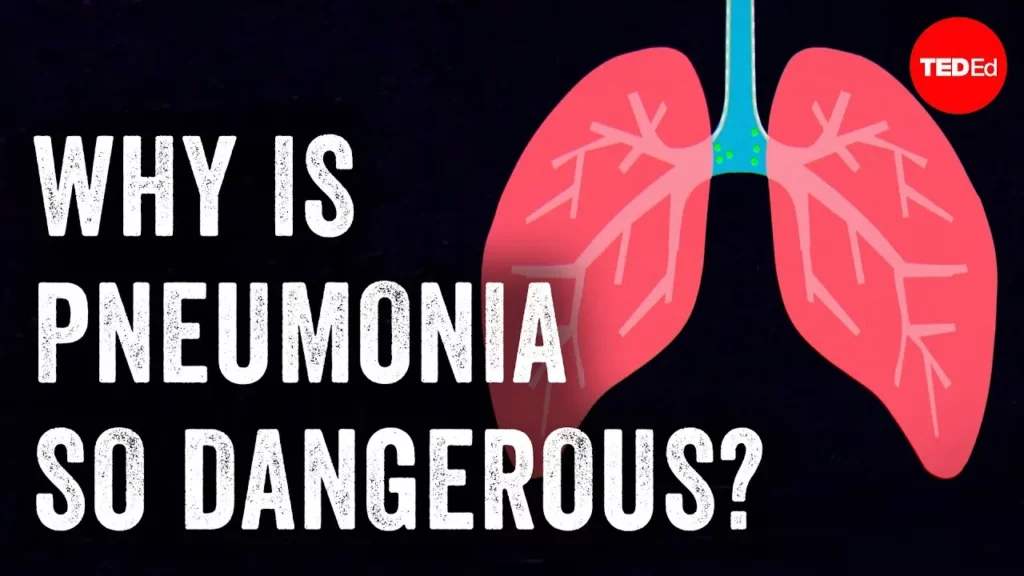
The lesson on the respiratory system highlights the pathway of air from the trachea to the alveoli, where gas exchange occurs, allowing oxygen to enter the bloodstream and carbon dioxide to be expelled. It discusses pneumonia, an infection that disrupts this gas exchange by filling the alveoli with fluid, and outlines the body’s defense mechanisms, symptoms, diagnosis, treatment options, and preventive measures against pneumonia, emphasizing the importance of a healthy lifestyle and vaccinations.
Why are US cities still so segregated? – Kevin Ehrman-Solberg and Kirsten Delegard
The lesson explores the historical impact of racial covenants on American housing, beginning with the 1909 resistance faced by the Simpson family in Minneapolis, which led to the widespread adoption of racially restrictive covenants that enforced segregation in housing. These covenants, supported by federal policies and practices like redlining, resulted in significant disparities in homeownership and wealth accumulation between white families and families of color, a legacy that continues to influence contemporary housing dynamics and segregation. Despite the 1968 Fair Housing Act banning such practices, the remnants of these discriminatory policies persist, contributing to ongoing inequalities in access to housing and community resources.
Why do we dream? – Amy Adkins
The lesson explores various theories about the purpose of dreams, highlighting their historical significance and the ongoing mystery surrounding them. Key theories include dreams as manifestations of subconscious desires, tools for memory enhancement, mechanisms for forgetting unnecessary information, and avenues for problem-solving and psychological healing. Despite advancements in understanding the brain, the definitive reason for dreaming remains elusive, continuing to intrigue researchers and the public alike.
The Chinese myth of the forbidden lovers – Shannon Zhao

“The Celestial Weaver: A Tale of Love and Longing” tells the story of a young princess with the unique ability to weave clouds into exquisite robes, who yearns for inspiration beyond her celestial home. After visiting Earth, she falls in love with a cowherd, and together they build a life and family, but their happiness is shattered when the Queen Mother separates them due to her disapproval. Despite the challenges, their enduring love leads to an annual reunion, celebrated across East and Southeast Asia, symbolizing the timeless bond between them.
The Factory | Think Like A Coder, Ep 9
In “The Quest for the Node of Memory,” Ethic, Hedge, and Lemma navigate a control room to retrieve the Node of Memory, which holds the key to curing a society plagued by the side effects of a happiness-inducing compound. As they work to reconfigure a factory to produce the cure, they uncover Lemma’s past involvement in creating the compound and the subsequent societal collapse it caused. Ultimately, the story explores themes of redemption and the consequences of human innovation, culminating in a race against time to save humanity from its own creations.
The sharks that hunt in forests – Luka Seamus Wright

The lesson highlights the critical role of marine forests, particularly mangrove ecosystems, as vital habitats for sharks and other marine life. These unique environments provide food and shelter, while also playing a significant role in carbon sequestration and climate change mitigation. However, threats such as overfishing and coastal development jeopardize these ecosystems, underscoring the urgent need for conservation efforts to protect both sharks and their habitats.