
The world’s most dangerous fart – Nick Caruso and Dani Rabaiotti
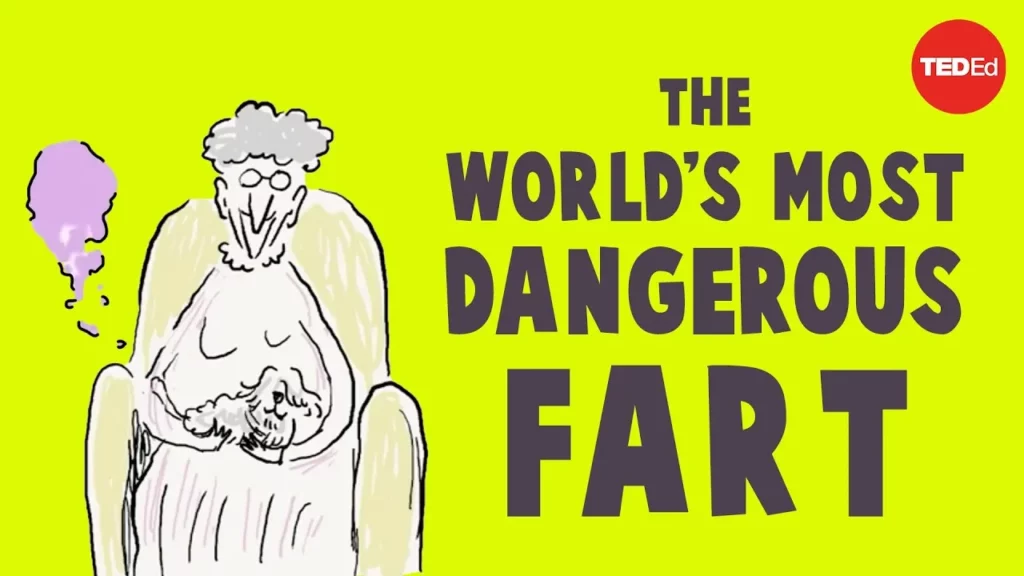
The lesson explores the intriguing roles of flatulence in the animal kingdom, highlighting its various functions beyond mere embarrassment or humor. From seals and sea lions with their foul-smelling farts to snakes that use flatulence as a defense mechanism, and the environmental impact of cow emissions contributing to climate change, the lesson illustrates how animal flatulence can serve as a tool for survival, intimidation, and even a significant ecological concern.
What really happened during the Salem Witch Trials – Brian A. Pavlac
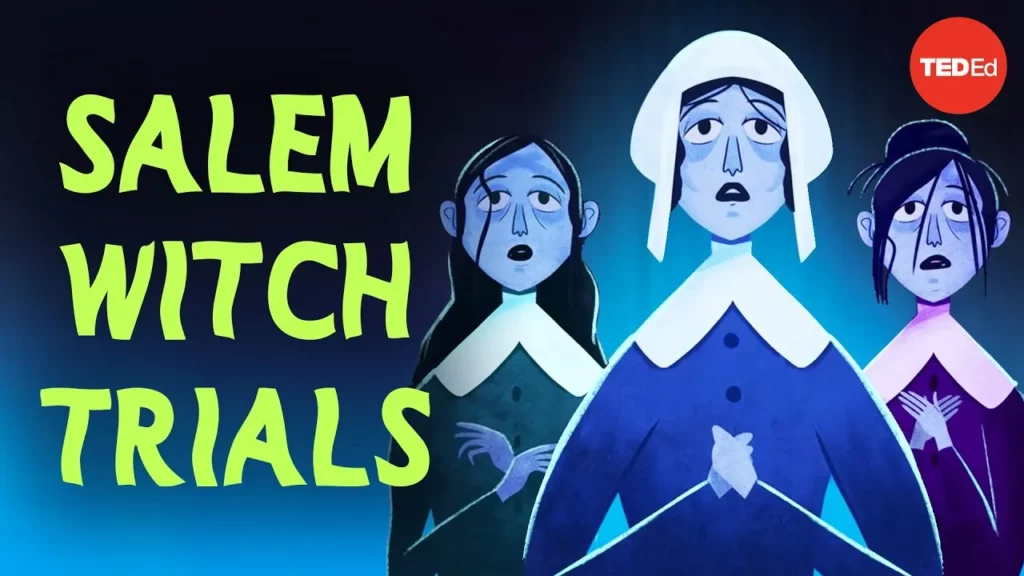
The Salem Witch Trials of 1692 represent a tragic episode in history where paranoia and religious fervor led to the wrongful accusation and execution of many individuals for witchcraft. Originating from a combination of societal tensions and bizarre behaviors exhibited by local girls, the ensuing hysteria resulted in flawed legal proceedings that prioritized confessions over justice. This dark chapter serves as a cautionary tale about the dangers of mass hysteria, groupthink, and the importance of maintaining reason and justice in society.
The rise and fall of the Mongol Empire – Anne F. Broadbridge
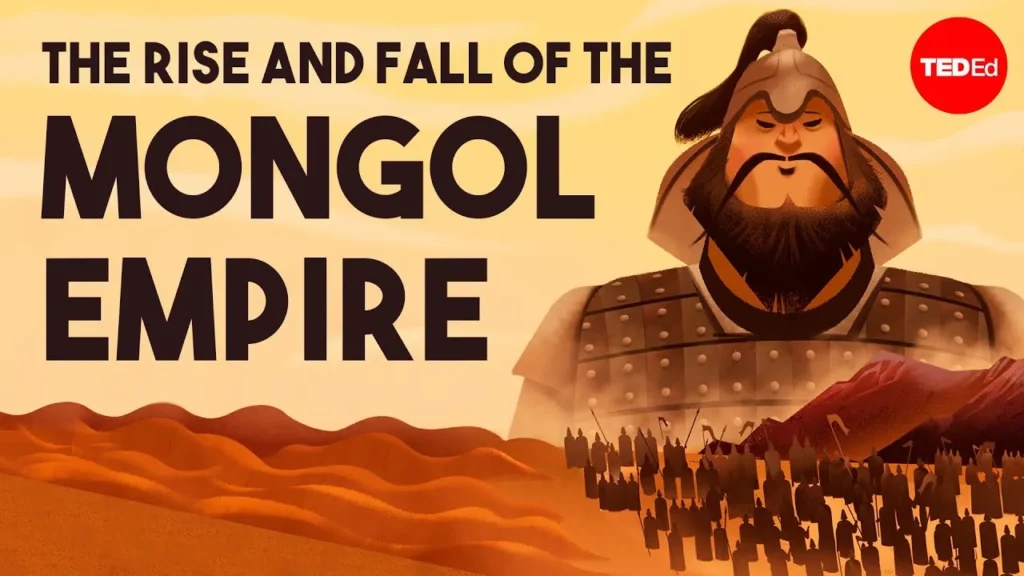
The lesson explores the rise and legacy of the Mongol Empire, the largest contiguous land empire in history, established under the leadership of Chinggis Khan in the 12th century. It highlights the empire’s military conquests, governance strategies that allowed for local autonomy, and the flourishing of trade and cultural exchange along the Silk Road. Despite its eventual fragmentation, the Mongol Empire’s influence on trade, culture, and political structures continues to resonate throughout history.
The sonic boom problem – Katerina Kaouri
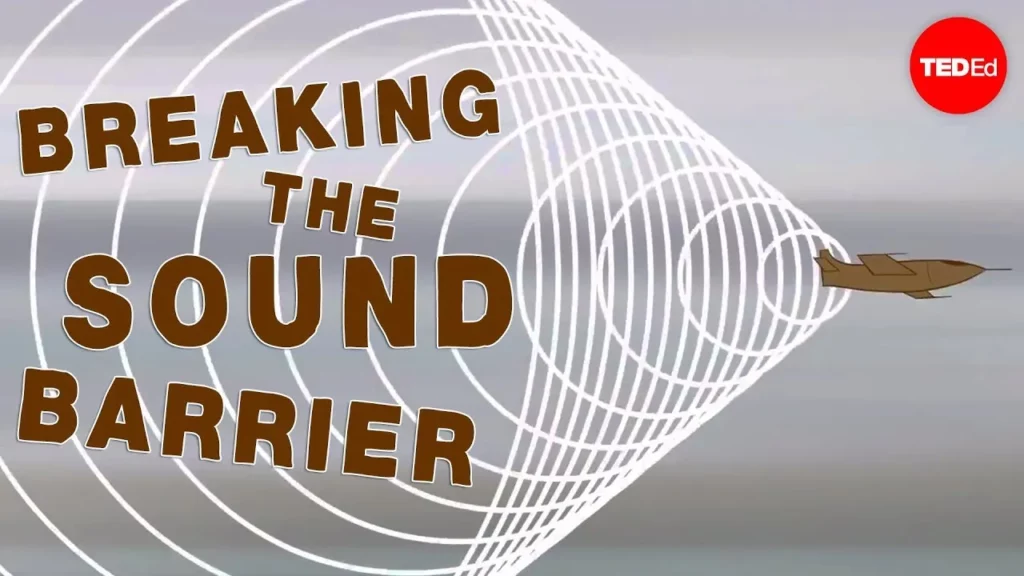
The lesson explores humanity’s enduring fascination with speed, culminating in the historic achievement of breaking the sound barrier by Chuck Yeager in 1947. It discusses the challenges faced by pilots in achieving supersonic speeds, the phenomenon of sonic booms generated by supersonic aircraft, and the scientific understanding of sound waves and their implications. Additionally, it highlights nature’s own use of sonic booms, illustrating that while humans have advanced in speed, the natural world has long utilized similar principles.
The myth of the Sampo— an infinite source of fortune and greed – Hanna-Ilona Härmävaara
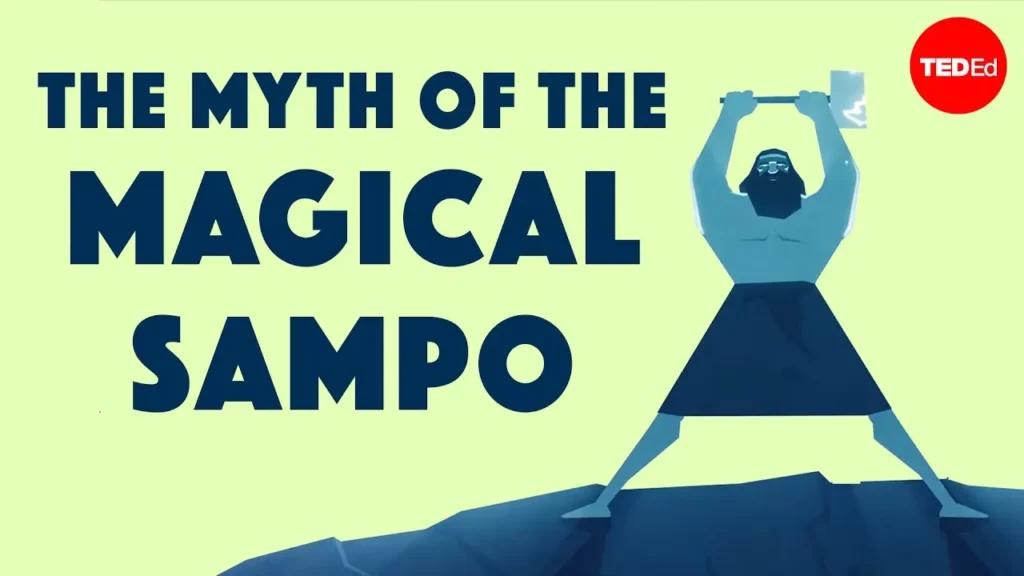
In “The Epic Tale of Väinämöinen and the Quest for the Sampo,” the legendary bard Väinämöinen embarks on a perilous journey to create and reclaim the mythical Sampo, an artifact that promises endless wealth. After persuading the skilled smith Ilmarinen to forge the Sampo in the icy realm of Pohjola, they successfully create it, but their triumph is short-lived as they face Louhi’s wrath in a final battle. Ultimately, the Sampo is lost to the sea, its remnants now serving a different purpose under the watch of Ahti, the god of water.
How does fracking work? – Mia Nacamulli
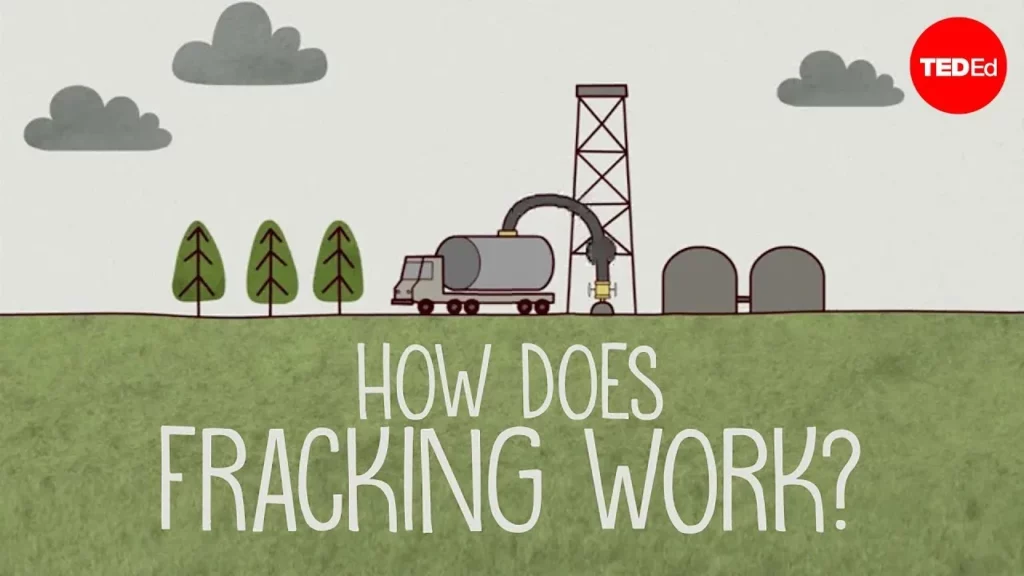
The lesson explores the process of hydraulic fracturing (fracking) as a method to access deep natural gas reserves, highlighting its potential to provide energy while also addressing the significant environmental concerns associated with the practice. It details the technical aspects of fracking, including the use of high-pressure fluids and the management of wastewater, while emphasizing the risks of groundwater contamination and increased seismic activity. Ultimately, the lesson raises critical questions about the sustainability of fracking in the context of climate change and the need for cleaner energy alternatives.
The mysterious life and death of Rasputin – Eden Girma
The lesson explores the complex role of Grigori Rasputin, a controversial monk whose influence over the Russian royal family contributed to the monarchy’s downfall. Initially revered for his supposed healing abilities, Rasputin became a polarizing figure, leading to his assassination by aristocrats who believed his removal would restore stability. However, his death only intensified public outrage and hastened the collapse of the Russian monarchy, highlighting the intricate interplay between personal beliefs and political turmoil in early 20th-century Russia.
The rise and fall of the Berlin Wall – Konrad H. Jarausch
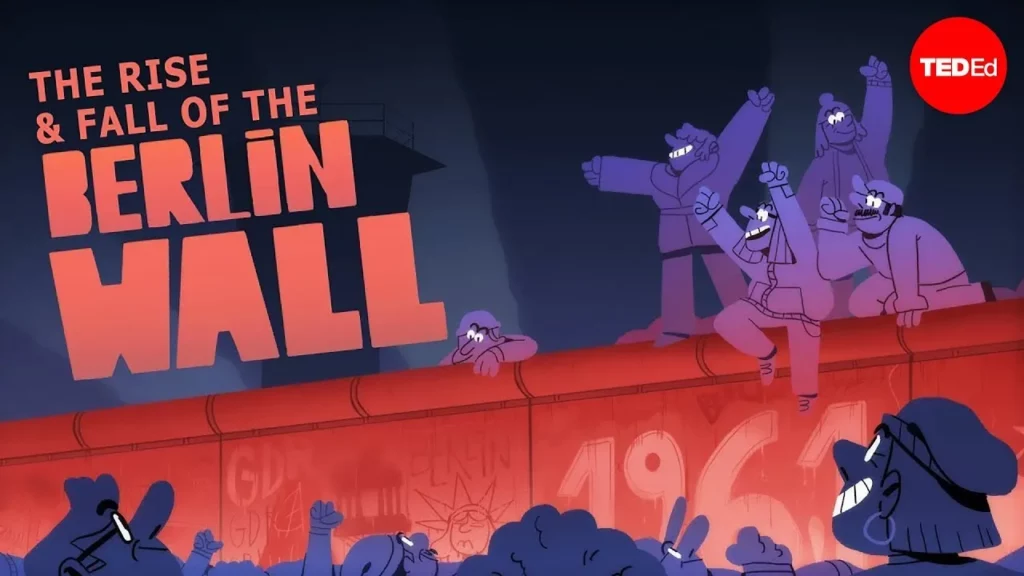
The lesson on the Berlin Wall explores its historical significance as a symbol of division and eventual reunification, highlighting its construction in 1961 as a response to mass emigration from East to West Germany. It details the geopolitical tensions following World War II that led to the division of Germany and the establishment of the wall, which not only separated families but also represented the broader conflict between Communist and Western ideologies. The lesson culminates with the wall’s fall in 1989, marking a pivotal moment in history that led to Germany’s reunification and serves as a reminder of the enduring struggle for freedom.
Four ways to understand the Earth’s age – Joshua M. Sneideman
The lesson “Understanding the Age of the Earth: A Journey Through Time” explores the immense age of our planet, estimated at 4.6 billion years, through relatable analogies. By comparing Earth’s history to a calendar year, a thick book, and a human lifespan, the lesson emphasizes the vastness of geological time and highlights how recent human events are in the context of Earth’s ancient history, underscoring the significance of the fossil record and our ongoing quest for knowledge about the past.
The truth about bats – Amy Wray
The lesson highlights the vital ecological roles that bats play, dispelling common myths and misconceptions about these creatures. Bats are essential for pest control, pollination, and seed dispersal, contributing significantly to agriculture and ecosystem health. Despite facing threats from disease and habitat loss, understanding their importance and supporting conservation efforts can help protect these unsung heroes of the night.