
Who was Confucius? – Bryan W. Van Norden
The lesson explores the life and teachings of Confucius, a pivotal figure in shaping Chinese culture during the tumultuous 6th Century BCE. Despite facing personal hardships, Confucius emphasized the importance of moral character, education, and ethical governance, advocating for compassion over force. His enduring legacy, encapsulated in “The Analects,” continues to influence millions and offers timeless wisdom on interpersonal ethics.
Why isn’t the world covered in poop? – Eleanor Slade and Paul Manning
The lesson highlights the crucial role of dung beetles in maintaining ecological balance by efficiently managing animal waste, with over 7,000 species contributing to this global clean-up effort. These insects not only recycle nutrients back into the soil, benefiting agriculture, but also aid in seed dispersal and help mitigate climate change by reducing methane emissions from livestock dung. Through their diverse strategies—rollers, tunnelers, and dwellers—dung beetles exemplify the interconnectedness of nature and the importance of even the smallest creatures in sustaining our environment.
The Greek myth of Talos, the first robot – Adrienne Mayor
The lesson explores the myth of Talos, the first robot created by Hephaestus to protect Crete from intruders. Talos, a powerful bronze automaton, patrolled the island and defended it fiercely until he was outsmarted by Medea, who exploited a critical flaw in his design, leading to his downfall. This tale not only highlights ancient Greek ingenuity in robotics but also reflects timeless themes of artificial intelligence and the complex relationship between humanity and technology.
How do nuclear power plants work? – M. V. Ramana and Sajan Saini
The lesson explores the evolution of nuclear power, highlighting its initial promise as a revolutionary energy source following the discovery of nuclear fission during World War II. Despite its potential to generate significant electricity with minimal fuel, the share of nuclear power in the global market has declined due to high construction costs, public opposition, and safety concerns related to waste management and reactor risks. The future of nuclear energy hinges on addressing these challenges through innovation and stringent regulation to ensure safety and sustainability.
A day in the life of a Cossack warrior – Alex Gendler
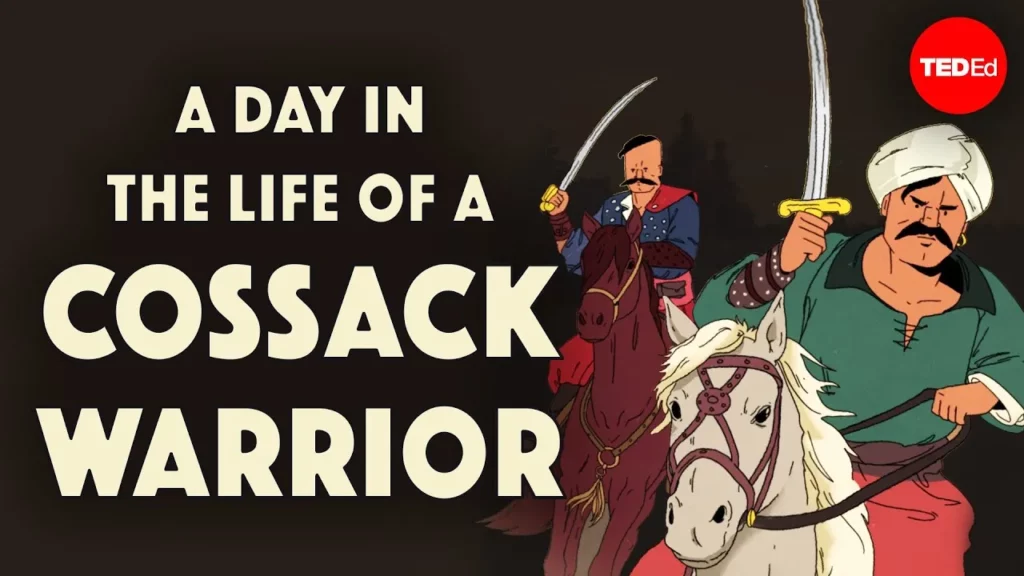
The lesson explores the historical context of the Zaporozhian Cossacks in the 17th century, highlighting their struggle for independence amidst shifting alliances and internal divisions. As they navigate the aftermath of the Treaty of Żurawno and the challenges posed by their recent leadership changes, the Cossacks rally under Hetman Ivan Sirko to confront the Ottoman threat, reaffirming their commitment to freedom and unity. Ultimately, the lesson underscores the Cossacks’ legacy as fierce guardians of autonomy, celebrated for their spirit of independence.
Is this the most successful animal ever? – Nigel Hughes
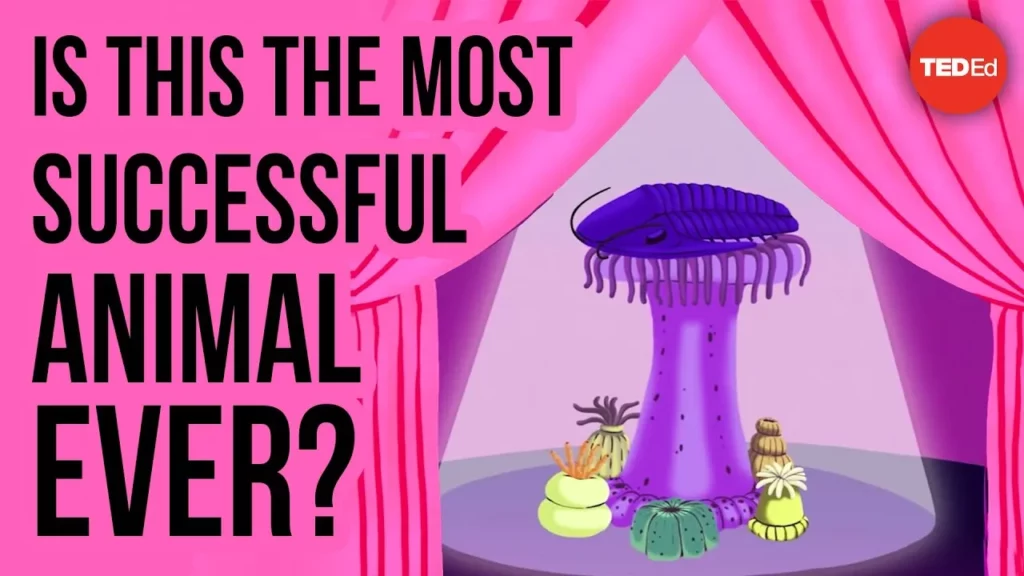
The lesson explores the fascinating history of trilobites, ancient marine arthropods that thrived for approximately 270 million years and showcased remarkable diversity and adaptation. Emerging during the Cambrian explosion, they were among the first animals with complex eyes and played a significant role in the evolution of marine life. Despite their eventual decline due to environmental changes and mass extinction events, trilobites left a rich fossil record, highlighting their importance in Earth’s biological history and their enduring influence through their evolutionary relatives.
The legend of Annapurna, Hindu goddess of nourishment – Antara Raychaudhuri & Iseult Gillespie
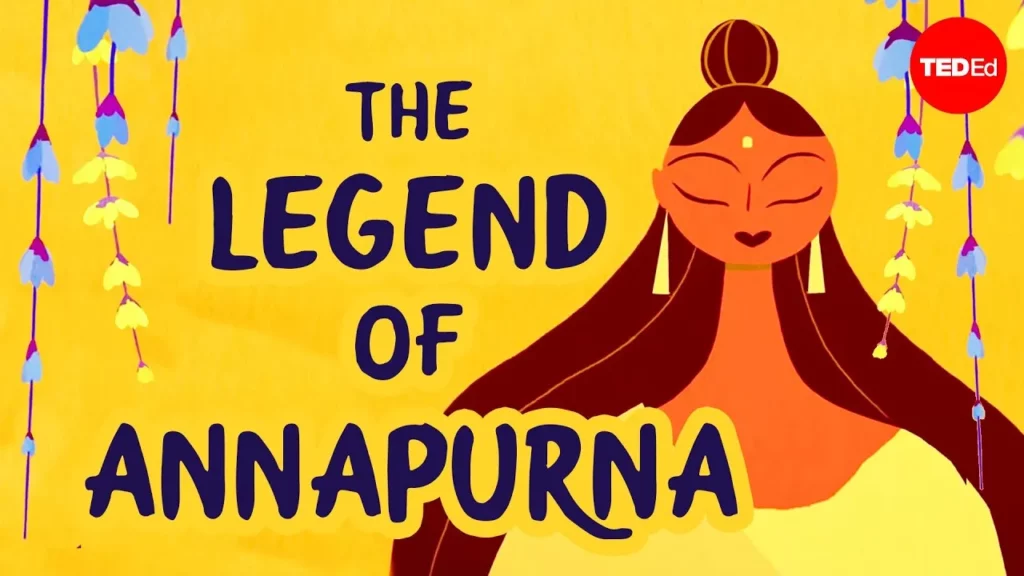
The lesson of “The Divine Balance: The Story of Shiva and Parvati” illustrates the essential partnership between Shiva, the destroyer, and Parvati, the nurturer, highlighting the importance of balance between spiritual detachment and earthly engagement. When Parvati withdraws her energy, the world suffers, demonstrating that material existence is vital and should not be dismissed as mere illusion. Ultimately, through the avatar of Annapurna, Parvati reaffirms the significance of sustenance and connection, teaching that both spiritual and material realms are crucial for the well-being of the universe.
What is a calorie? – Emma Bryce

The lesson on “Understanding Calories: The Energy Currency of Our Bodies” explains that calories are units of energy essential for maintaining our body’s energy balance, with specific caloric needs varying based on factors like activity level and individual metabolism. It emphasizes the importance of balancing caloric intake with expenditure to manage weight and highlights that not all calories are equal in terms of nutritional value and absorption efficiency. Ultimately, understanding calories is crucial for effective dietary planning and promoting a healthy lifestyle.
The rise of modern populism – Takis S. Pappas
The lesson explores the rise of modern populism, highlighting its emergence in Greece with the PASOK party led by Andreas Papandreou in the 1980s, who criticized established institutions and positioned himself as a champion of the “common people.” It discusses how populism, characterized by charismatic leaders who challenge the status quo and prioritize the will of the people over traditional democratic institutions, has gained traction globally in response to societal issues like wealth disparity and political corruption. Ultimately, the lesson examines the impact of populism on liberal democracies, noting its potential to destabilize political systems and alter public trust and discourse.
The wars that inspired Game of Thrones – Alex Gendler
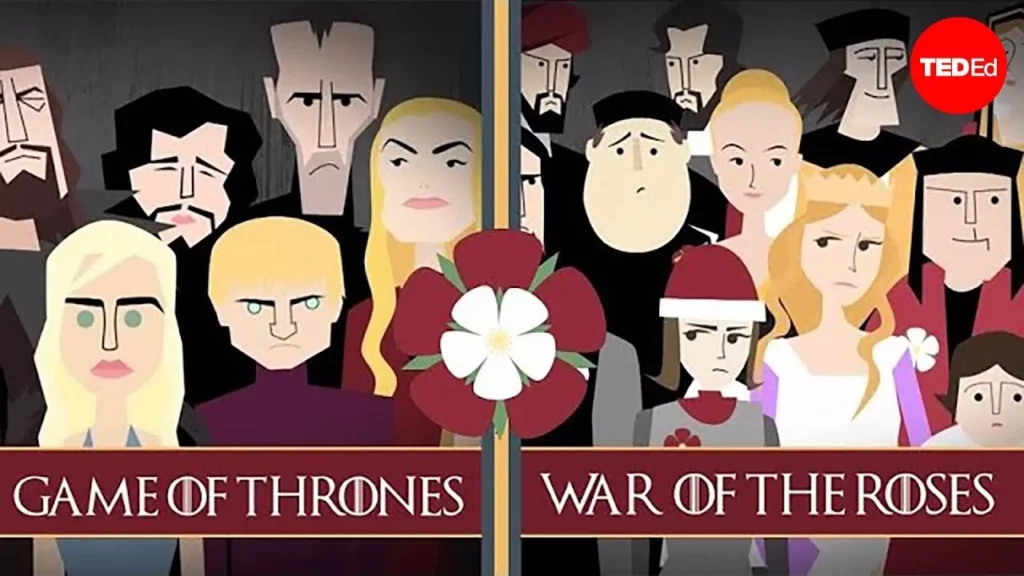
The lesson explores the Wars of the Roses, a tumultuous power struggle in Medieval England between the rival houses of Lancaster and York, sparked by the disputed succession following King Edward III’s death. This conflict, characterized by shifting alliances and political intrigue, ultimately led to the rise of the Tudor dynasty after Henry Tudor defeated Richard III, uniting the two houses through marriage. The lesson highlights the complexities of historical power struggles, illustrating that victories are often uncertain and alliances can be fragile, much like the themes depicted in the fictional series *Game of Thrones*.