
Prohibition: Banning alcohol was a bad idea… – Rod Phillips
The lesson explores the historical context and unintended consequences of Prohibition in the United States, which began on January 17, 1920, with the enactment of the 18th Amendment. Initially driven by temperance movements that blamed alcohol for social problems, Prohibition led to a rise in organized crime, the establishment of illegal speakeasies, and widespread corruption, ultimately failing to achieve its intended goals. The repeal of Prohibition in 1933 highlighted the complexities of alcohol consumption and its ongoing social and health implications.
The rise and fall of history’s first empire – Soraya Field Fiorio
The lesson explores the rise of the Sumerian civilization, recognized as the world’s first empire, which emerged in the challenging environment of Mesopotamia around 5000 BCE. Through innovations in agriculture, urban development, and trade, the Sumerians established city-states characterized by complex social structures, monumental architecture, and the invention of writing. Despite their eventual decline due to invasions, Sumer’s cultural and technological contributions significantly influenced subsequent civilizations, leaving a lasting legacy that continues to resonate in modern society.
Can you solve the fantasy election riddle? – Dennis E. Shasha
The lesson explores the transition to democracy in a fantasy realm, where traditional methods of leadership selection are replaced by a democratic election featuring a giant orange troll and a seasoned tree statesman. It highlights the challenges of accurate polling, particularly the reluctance of citizens to openly support the controversial troll, and introduces a creative coin flip method to ensure more honest responses. Ultimately, the lesson emphasizes the importance of innovative polling techniques in achieving a truthful representation of voter preferences and maintaining the integrity of the democratic process.
Why should you read James Joyce’s ‘Ulysses’? – Sam Slote
The lesson explores the complexity and enduring appeal of James Joyce’s novel *Ulysses*, which unfolds over a single day in Dublin and features intricate narrative styles and rich character development. It highlights the novel’s innovative storytelling techniques, its playful allusions to Homer’s *Odyssey*, and its detailed portrayal of early 20th-century Dublin, all of which contribute to its status as a cornerstone of literary modernism. Ultimately, the lesson emphasizes that while *Ulysses* may challenge readers, it also offers profound insights into life, making it a rewarding experience for those willing to engage deeply with the text.
The great conspiracy against Julius Caesar – Kathryn Tempest
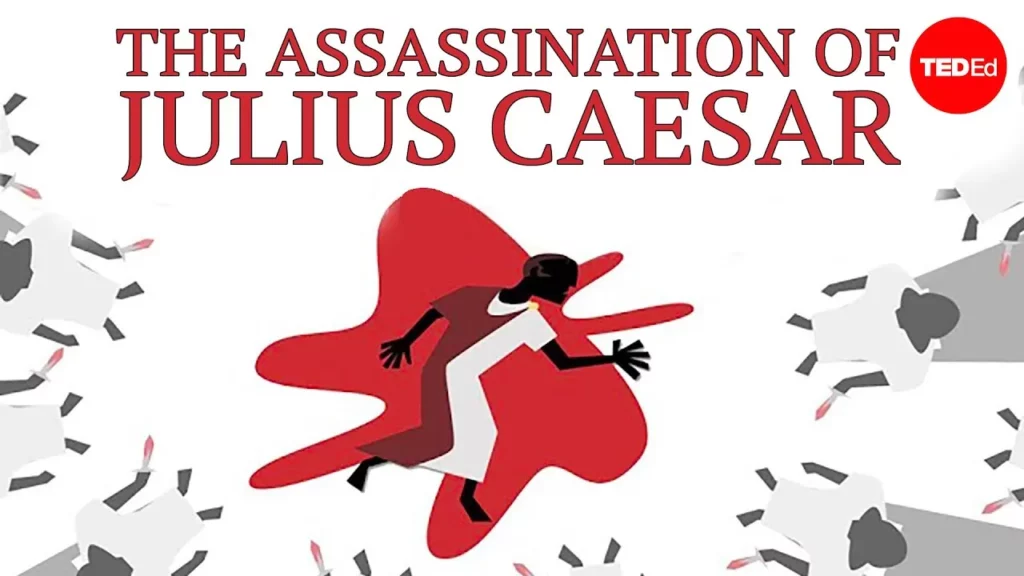
The lesson explores the moral and political dilemmas faced by Marcus Junius Brutus during the assassination of Julius Caesar in 44 BCE, highlighting the tension between personal loyalty and the responsibility to protect the Roman Republic from tyranny. Despite his noble intentions to prevent the concentration of power, Brutus’s actions ultimately led to chaos and the rise of imperial rule, raising enduring questions about the complexities of liberty, betrayal, and the consequences of political decisions. The legacy of Brutus remains contentious, reflecting the ongoing debate over the nature of heroism and treachery in the pursuit of justice.
Can you solve the human cannonball riddle? – Alex Rosenthal

The lesson explores the thrilling and intricate world of the human cannonball act in circus performances, highlighting the complex mechanics behind the act and the urgent problem-solving required when sabotage threatens safety. The performer must navigate specific conditions regarding energy cell distribution to ensure a successful launch, demonstrating the importance of precision and quick thinking in high-stakes situations. Ultimately, the act serves as a captivating blend of physical skill and mystery, emphasizing the challenges faced behind the scenes.
How menstruation works – Emma Bryce
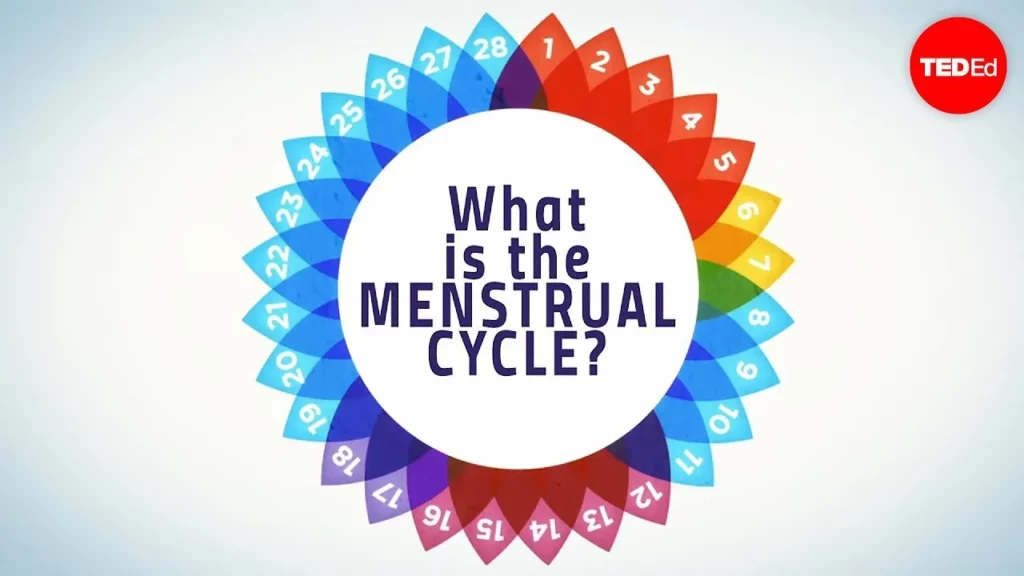
The lesson explores the universal phenomenon of menstruation, highlighting its significance in the lives of women worldwide. It explains the menstrual cycle’s hormonal regulation, detailing the processes of ovulation, the role of progesterone, and the variations that can occur among individuals. By understanding these intricacies, women can better manage their reproductive health and appreciate the cycle’s role in the broader context of life.
Why bats don’t get sick – Arinjay Banerjee
The lesson explores the remarkable resilience of bats to deadly viruses, highlighting their unique immune adaptations that allow them to coexist with pathogens like rabies, SARS, and Ebola without suffering severe consequences. Unlike other mammals, bats have evolved a low inflammatory response and efficient DNA repair mechanisms, enabling them to host viruses for extended periods while minimizing self-damage. The lesson emphasizes the importance of conserving bat populations to better understand their antiviral defenses, which could ultimately benefit human health.
The rise and fall of the Celtic warriors – Philip Freeman
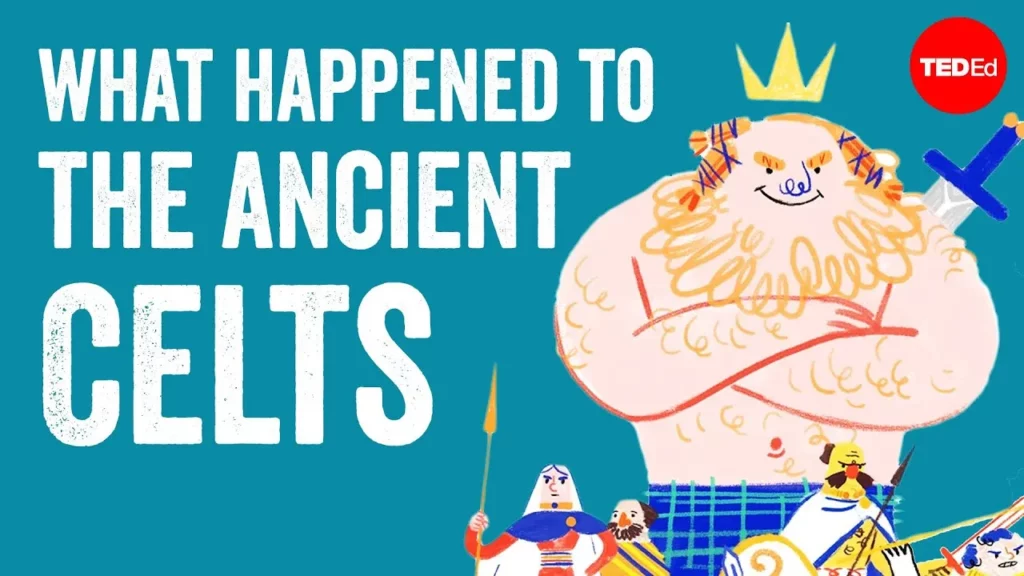
The lesson explores the rich history and culture of the ancient Celts, highlighting their fierce warrior spirit, unique beliefs in reincarnation, and the significant roles of craftsmen and bards within their society. Despite their formidable presence across Europe, the Celts faced challenges from the expanding Roman Empire, leading to their eventual decline and fragmentation, with only the tribes of Britain and Ireland managing to preserve their traditions for a time. The narrative emphasizes the complexity of Celtic society, characterized by both martial prowess and artistic expression, as well as the pivotal role of druids in their spiritual and social structures.
Which animal has the best eyesight? – Thomas W. Cronin
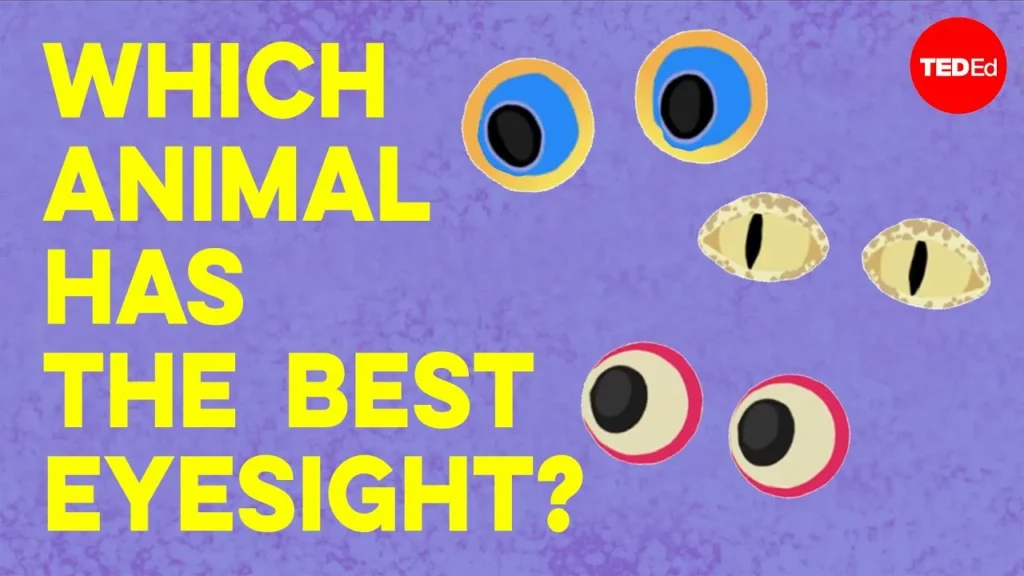
The lesson explores the incredible diversity of vision in the animal kingdom, highlighting how different species have evolved unique adaptations to enhance their sight based on their environments. It examines various aspects of vision, including the ability to see in darkness, sharpness, color perception, and motion detection, showcasing examples like the colossal squid, raptors, and mantis shrimp. Ultimately, the lesson emphasizes that while no single species excels in all visual categories, each has developed specialized eyes that reflect the remarkable adaptability of life.