
How one design flaw almost toppled a skyscraper – Alex Gendler

In 1978, architecture student Diane Hartley discovered a critical flaw in the design of the Citicorp Center, a skyscraper in Manhattan, which could have led to its collapse during strong winds. Her findings revealed that a change in construction materials had compromised the building’s structural integrity, prompting chief engineer William LeMessurier to secretly reinforce the structure without public knowledge. This covert operation, completed just before a potential hurricane, ultimately averted a disaster, highlighting the importance of thorough oversight in architectural engineering.
The imaginary king who changed the real world – Matteo Salvadore
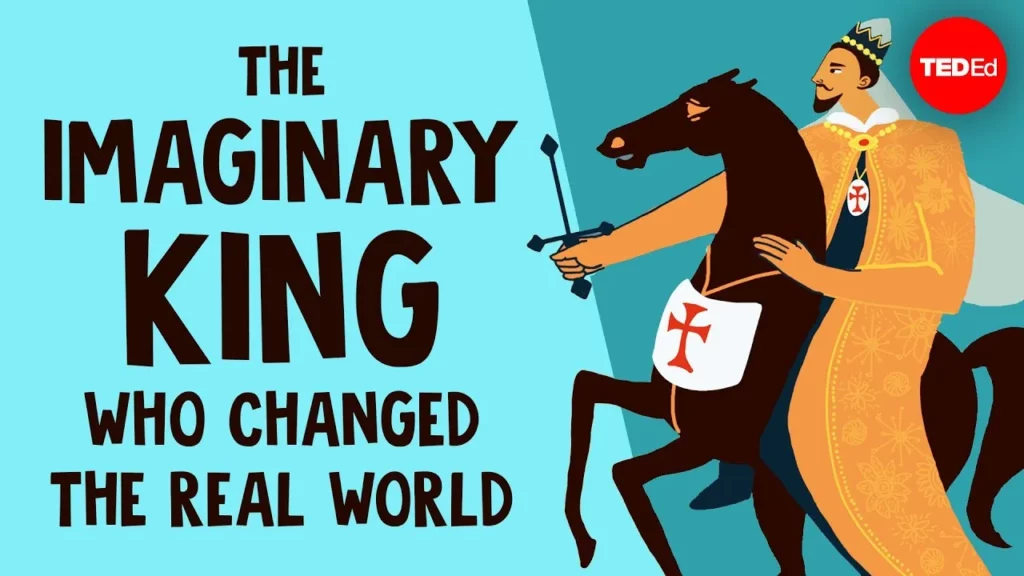
The lesson explores the legend of Prester John, a mythical Christian king whose story emerged during the Crusades and captivated European leaders for centuries. Initially seen as a potential ally against Muslim forces, the legend inspired exploration and diplomatic efforts, particularly towards Ethiopia, where the myth was embraced for political advantage. Ultimately, the tale of Prester John faded as the realities of alliances and religious differences became apparent, illustrating how a fictional narrative can significantly influence historical events.
Can you solve the Trojan War riddle? – Dennis E. Shasha
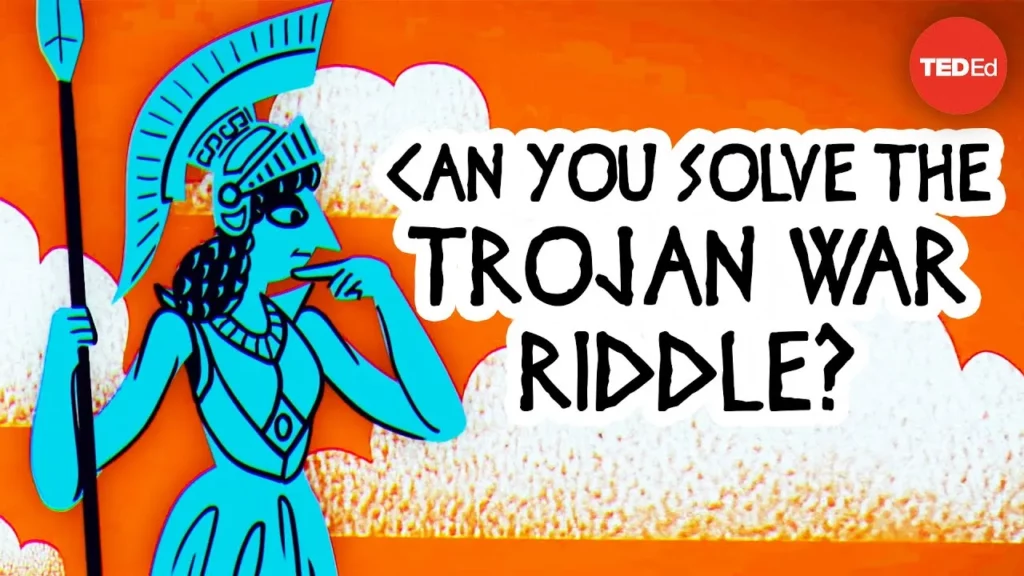
The lesson explores the strategic complexities of maintaining peace during the Trojan War, focusing on the importance of camp arrangement to prevent conflict between Greeks and Trojans. By consulting the Fates, the lesson outlines a method to swap camps to ensure connectivity within each side while avoiding encirclement, ultimately achieving peace for ten days. However, the emergence of a rival god and a meddling Trojan camp introduces new challenges, requiring further strategic moves to preserve the fragile truce.
How one person saved over 2,000 children from the Nazis – Iseult Gillespie
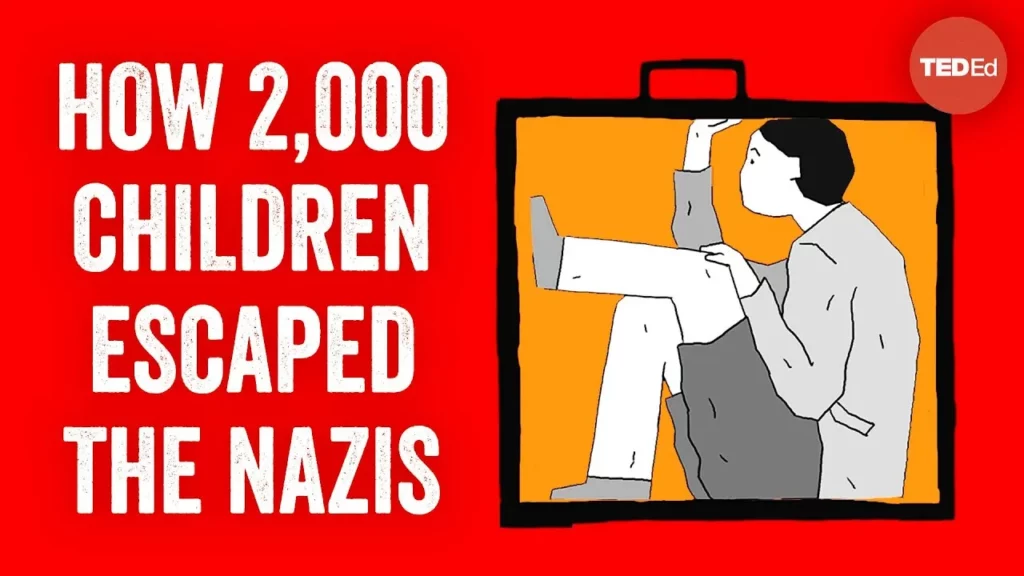
The lesson highlights the extraordinary courage and compassion of Irena Sendler, who risked her life to save over 2,000 Jewish children during the Holocaust. Born into a family that valued justice, Sendler’s lifelong fight against anti-Semitism led her to orchestrate daring rescue missions from the Warsaw Ghetto, ultimately enduring torture and imprisonment without betraying her mission. Her legacy is one of selflessness and resilience, as she continued her efforts even after the war, maintaining connections with the children she saved and ensuring her story was remembered despite attempts to suppress it.
A day in the life of the oracle of Delphi – Mark Robinson
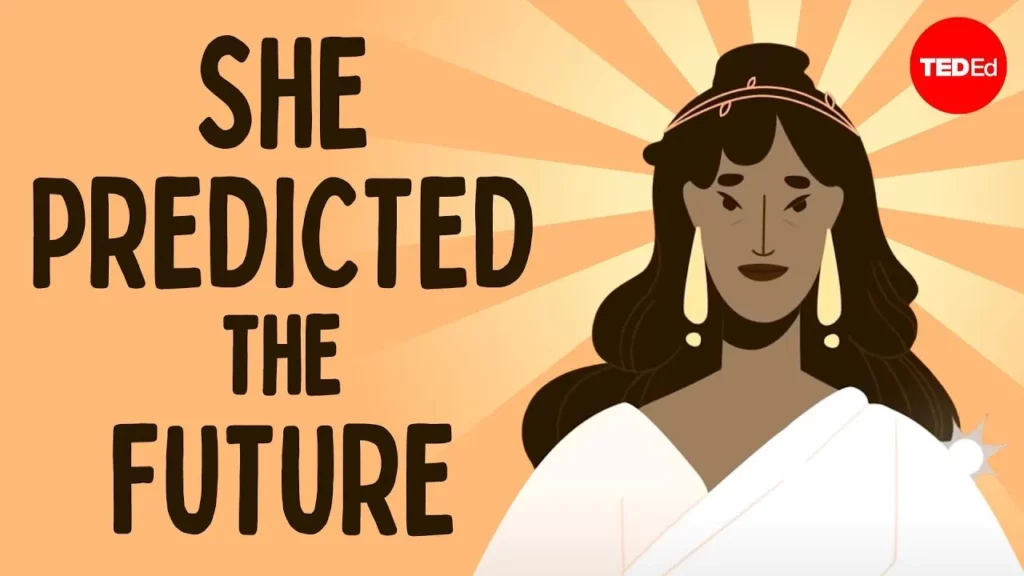
In the lesson “The Rise of Aristonike: Becoming the Oracle of Delphi,” we follow Aristonike as she prepares to assume the esteemed role of the Pythia, the Oracle of Delphi, amidst her doubts and the rigorous evaluation process by city officials. Through purification rituals and consultations with seekers of divine guidance, she learns the significance of her role and the importance of wisdom, ultimately receiving the endorsement to become the new Oracle. The lesson culminates in her realization that true insight lies in self-awareness and balance, setting the stage for her influential journey in ancient Greece.
How does chemotherapy work? – Hyunsoo Joshua No

The lesson explores the historical evolution of chemotherapy, tracing its origins from the use of mustard gas in World War I to its development as a cancer treatment in the 1930s. It highlights how the rapid replication of both cancer and bone marrow cells led to the use of cytotoxic agents that target these fast-dividing cells, resulting in significant advancements in cancer survival rates despite the challenges of side effects on healthy cells. Ongoing research aims to refine chemotherapy techniques to further improve efficacy and reduce adverse effects.
Can you solve the world’s most evil wizard riddle? – Dan Finkel
In the lesson “Trapping the Evil Wizard: A Strategic Chessboard Puzzle,” you must strategically select four distinct positive whole numbers to keep the wizard MoldeVort confined on a 5×5 chessboard until your friends arrive. By understanding the chessboard’s symmetry and utilizing diagonal moves, the optimal combination of numbers—1, 3, 4, and 5—ensures that MoldeVort remains trapped, preventing his escape while navigating the board’s perilous spaces. This puzzle emphasizes critical thinking and strategic planning in a constrained environment.
Why don’t perpetual motion machines ever work? – Netta Schramm
The lesson explores the historical fascination with perpetual motion machines, beginning with Bhaskara the Learned’s 12th-century design, which aimed to create a device that could operate indefinitely without an external energy source. However, the pursuit of such machines is fundamentally thwarted by the laws of thermodynamics, which dictate that energy cannot be created or destroyed and that energy systems inevitably lose energy to friction and heat. Despite numerous inventive attempts throughout history, the quest for perpetual motion continues, driven by humanity’s enduring curiosity and the possibility of future scientific breakthroughs.
The history of tattoos – Addison Anderson
The lesson explores the rich history and cultural significance of tattoos, tracing their origins back over 8,000 years and highlighting their presence in various ancient civilizations. It discusses the evolution of tattooing practices, the societal perceptions surrounding them, and how tattoos have been used both as symbols of identity and as tools of control. Ultimately, the lesson emphasizes that tattoos are a personal expression of individuality, shaped by cultural heritage and personal experiences.
Why don’t poisonous animals poison themselves? – Rebecca D. Tarvin
The lesson explores the fascinating adaptations of toxic animals, such as the bombardier beetle, which utilize specialized mechanisms to store and deploy their toxins without harming themselves. It highlights the evolutionary arms race between these toxic creatures and their predators, showcasing examples of resistance across various species. Ultimately, the survival strategies of these animals illustrate the complex relationships and ongoing evolutionary processes that shape ecosystems.