
A 3-minute guide to the Bill of Rights – Belinda Stutzman
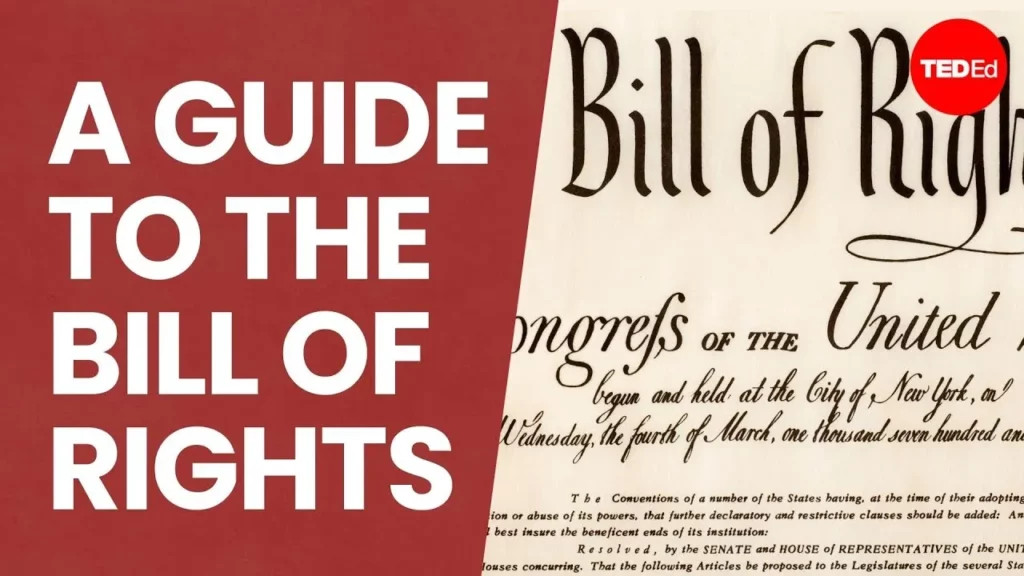
The Bill of Rights, comprising the first ten amendments to the U.S. Constitution, was ratified over two centuries ago and continues to be a focal point of debate regarding American liberties. Each amendment addresses fundamental rights, such as freedom of expression, the right to bear arms, and protections against unreasonable searches, while also ensuring due process and the prohibition of cruel punishment. Their enduring significance reflects the evolving interpretation and application of these rights in contemporary society.
The Irish myth of Diarmuid’s betrayal – Iseult Gillespie
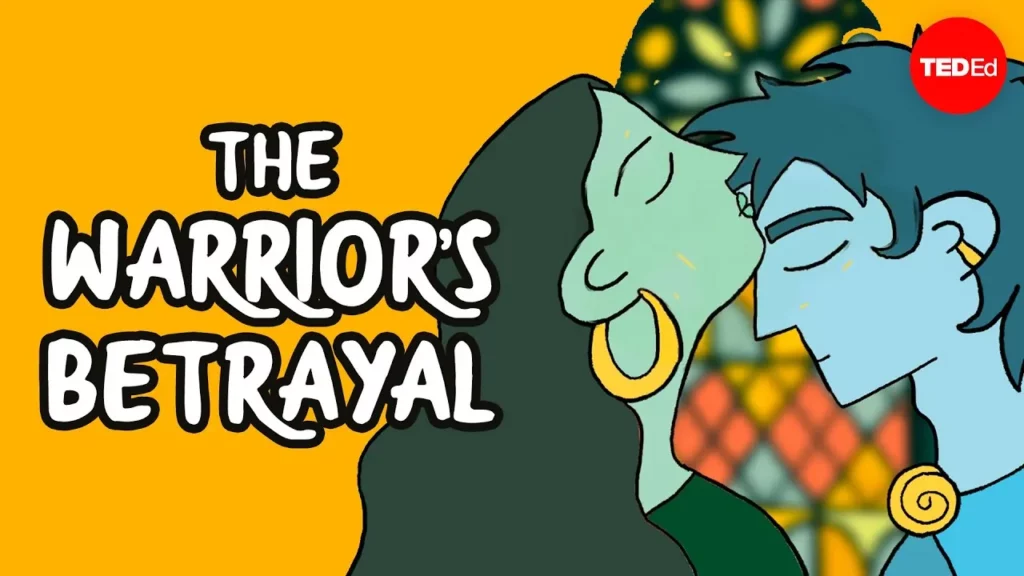
The article recounts the tragic love story of Gráinne and Diarmuid set in ancient Ireland, where Gráinne, unhappy with her betrothal to the aging Fionn Mac Cumhaill, falls for the handsome warrior Diarmuid. After a daring escape fueled by a binding spell, the couple faces relentless pursuit from Fionn, ultimately finding temporary peace until a fateful hunting trip leads to Diarmuid’s death, exacerbated by Fionn’s lingering resentment. Their saga highlights the themes of love, betrayal, and the tragic consequences of unresolved conflict, remaining a poignant part of Irish legend.
Why should you read “Dune” by Frank Herbert? – Dan Kwartler
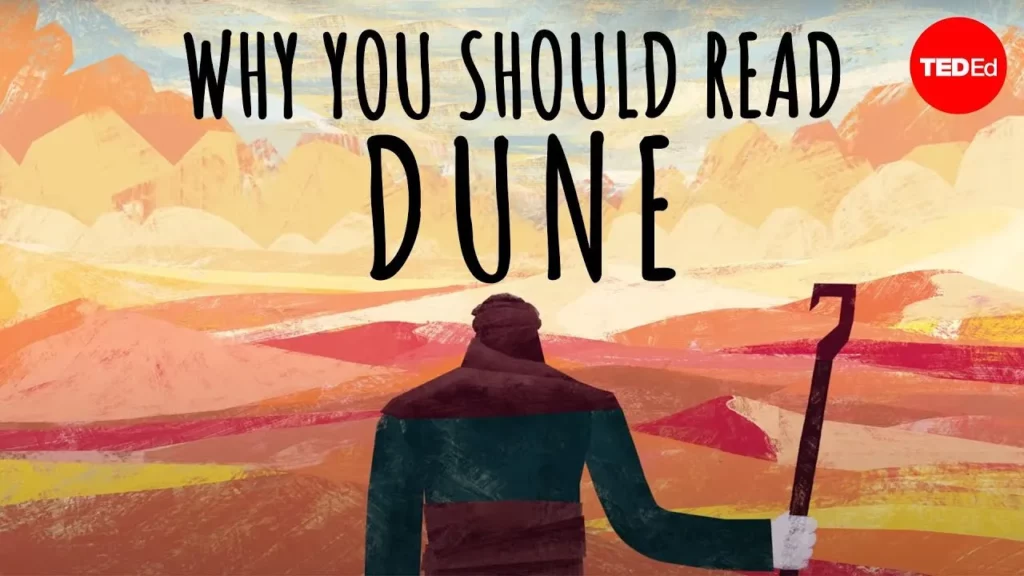
The article explores Frank Herbert’s “Dune,” a seminal science fiction novel set in a distant future where humanity has evolved without computers, relying on unique abilities and the vital spice “melange” found only on the desert planet Arrakis. The narrative follows Paul of House Atreides as he navigates political intrigue and environmental challenges, ultimately leading to a revolutionary struggle against adversaries while integrating with the native Fremen. Herbert’s intricate world-building, including diverse factions and a rich ecosystem, contributes to the depth and complexity of this epic saga.
Meet the tardigrade, the toughest animal on Earth – Thomas Boothby
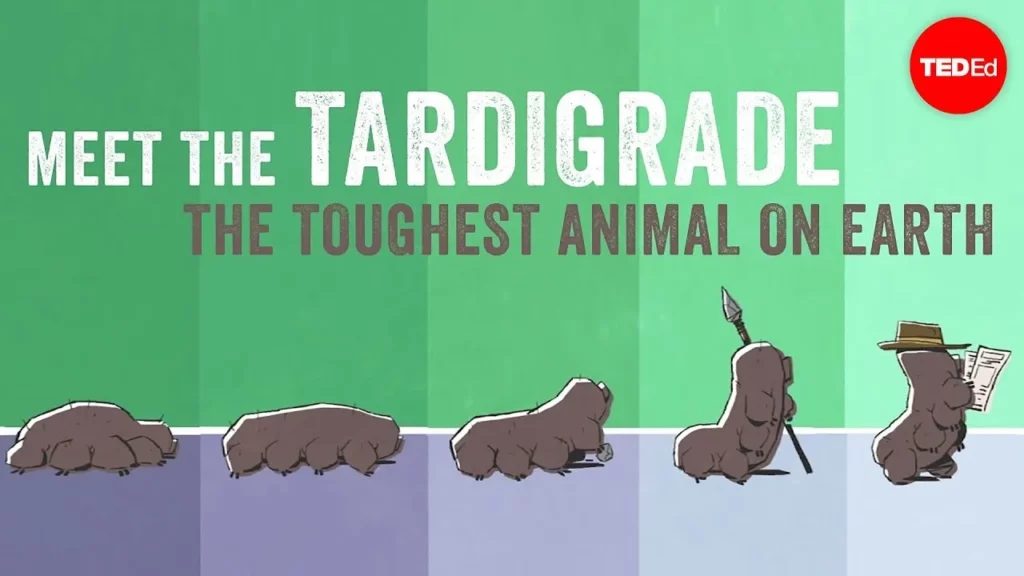
The article discusses the remarkable resilience of tardigrades, tiny creatures capable of surviving extreme conditions, including decades without water, extreme temperatures, high radiation, and even the vacuum of space. Their survival mechanism, known as anhydrobiosis, allows them to enter a protective state called a tun, where they synthesize special molecules to preserve their cellular integrity until rehydration occurs. Researchers are exploring the implications of tardigrades’ unique adaptations for advancements in vaccine stabilization, stress-tolerant crops, and understanding the potential for life beyond Earth.
Can you solve the virus riddle? – Lisa Winer

The article describes a high-stakes scenario where a research team must contain a prehistoric virus that has been accidentally released in a lab after an earthquake. The challenge involves navigating a grid-like lab structure to activate emergency self-destruct switches in contaminated rooms, akin to solving the Hamiltonian path problem, which is notoriously difficult. Ultimately, the team discovers a workaround that allows them to neutralize the threat and prevent a catastrophic outbreak, leading to a moment of reflection on their stressful experience and future career choices.
Can you solve the passcode riddle? – Ganesh Pai

In a dystopian world, a resistance group is captured and imprisoned in a colosseum, facing a deadly fate. Zara, chosen for her logical reasoning, must solve a numerical challenge to escape, using clues about the product and sum of three numbers. Ultimately, she successfully decodes the clues, revealing the escape code, and reunites with her group, showcasing the power of logic and teamwork in their fight for freedom.
Why are sloths so slow? – Kenny Coogan
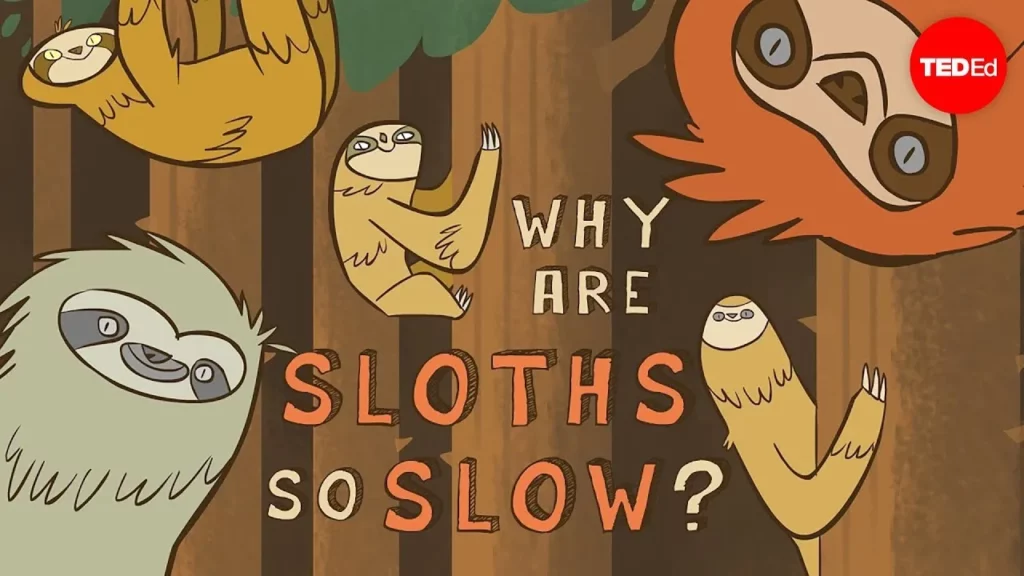
The article explores the intriguing history and evolution of sloths, beginning with Thomas Jefferson’s discovery of giant sloth bones in 1796, which he mistakenly attributed to a lion. It details the existence of prehistoric ground sloths, their ecological roles, and their eventual decline around 10,000 years ago, leading to the survival of smaller tree-dwelling species. Modern sloths have adapted to their arboreal lifestyle with unique digestive and metabolic strategies that allow them to thrive on a low-energy diet, showcasing their remarkable evolutionary journey.
What is depression? – Helen M. Farrell
The article provides a comprehensive overview of depression, highlighting its status as the leading cause of disability worldwide and distinguishing between clinical depression and temporary sadness. It outlines the symptoms, challenges in diagnosis, and available treatments, emphasizing that depression is a medical condition with physical manifestations in the brain. The article also stresses the importance of open conversations about mental health to reduce stigma and encourage individuals to seek help.
Everything you need to know to read "Frankenstein" – Iseult Gillespie
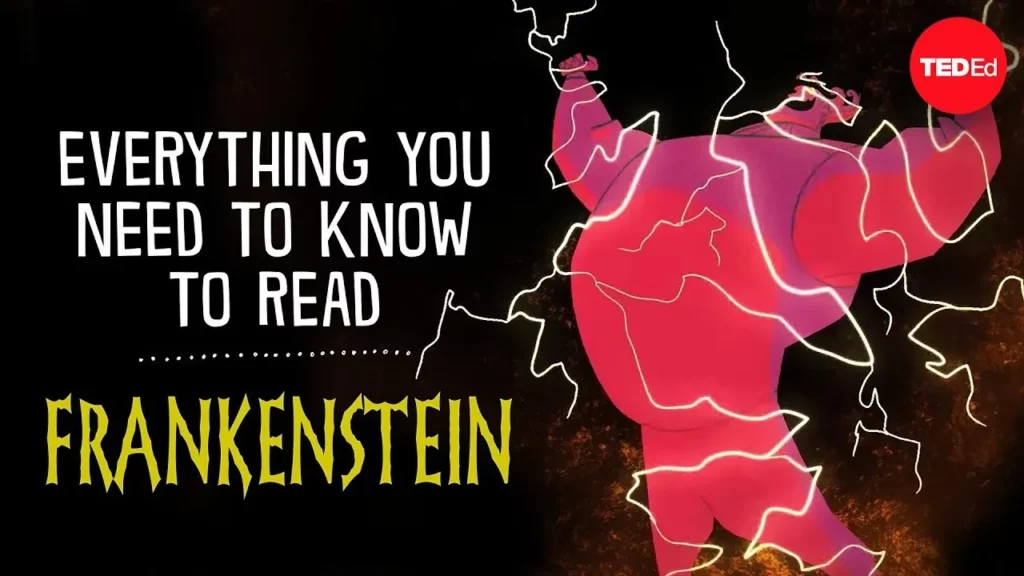
The article discusses the origins of Mary Shelley’s “Frankenstein,” which was inspired by the unusual climate conditions of the Year Without a Summer in 1815, prompting a ghost story challenge among literary figures. It clarifies common misconceptions about the story, emphasizing that Frankenstein is the name of the creator, Dr. Victor Frankenstein, rather than the creature itself, and explores the novel’s themes of creation, destruction, and the ethical implications of scientific ambition. Additionally, it highlights how Shelley’s personal tragedies influenced her writing, making “Frankenstein” a lasting cautionary tale about the dangers of overreaching in the pursuit of knowledge.
How to write descriptively – Nalo Hopkinson
The article discusses the importance of vivid imagery and metaphor in fiction writing, emphasizing how these elements engage readers’ senses and emotions. By using specific and imaginative language, authors can create immersive experiences that transport readers into the narrative, rather than merely presenting facts. Ultimately, the piece encourages writers to carefully select their words to foster a dynamic and engaging storytelling environment.