
How much of human history is on the bottom of the ocean? – Peter Campbell
The article delves into the intriguing field of underwater archaeology, highlighting how researchers uncover ancient artifacts and shipwrecks that reveal insights into human history and prehistoric life. It discusses significant discoveries in shallow waters, such as the Roman town of Baia and ancient footprints in Norfolk, as well as deeper finds like Viking vessels and the Antikythera shipwreck, which shed light on maritime history and ancient technologies. The piece emphasizes the vast potential for future discoveries in the ocean’s depths, which remain largely unexplored.
An anti-hero of one’s own – Tim Adams
The article discusses the evolution of literary heroes from divine figures to flawed anti-heroes, reflecting societal changes in perceptions of heroism. It highlights how early heroes like Hercules and Beowulf have transformed into modern anti-heroes, such as Guy Montag and Winston Smith, who challenge authority but often struggle with their own inadequacies. This shift underscores contemporary fears of powerlessness and internal struggles, suggesting that the true monsters we face are not external but rather the personal demons within ourselves.
The fish that walk on land – Noah R. Bressman
The article explores the fascinating adaptations of amphibious fish, such as the walking catfish, which allow them to survive both in water and on land. These fish have developed unique breathing methods, movement strategies, and moisture retention techniques to navigate terrestrial environments, often in search of food or suitable habitats. Despite the challenges they face, their ability to venture onto land provides them with significant advantages, including resilience to environmental changes and access to new resources.
What makes muscles grow? – Jeffrey Siegel
The article explores the science behind muscle growth, emphasizing the importance of muscle health and the brain-muscle connection in facilitating movement. It explains that muscle fibers undergo microscopic damage during physical activities, which triggers a repair process leading to hypertrophy, or muscle growth. Additionally, factors such as proper nutrition, hormonal balance, and individual differences in age and genetics play crucial roles in muscle development, highlighting the need for consistent challenges to maximize strength and size.
Everything you need to know to read Homer’s ‘Odyssey’ – Jill Dash
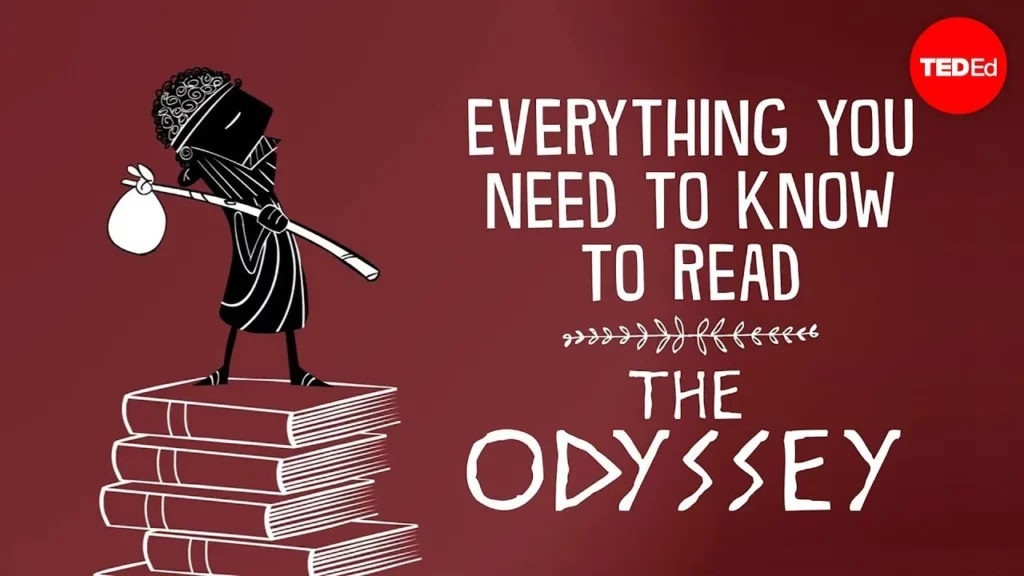
The article explores the enduring significance of Homer’s “Odyssey,” a monumental epic poem that intertwines Ancient Greek history, myth, and legend through the adventures of Odysseus. Originally composed for oral performance in the 8th century BCE, the poem reflects themes of divine retribution, hospitality (xenia), and human pride, while its structure allows for flexibility in storytelling. Despite the challenges of its ancient origins, the “Odyssey” continues to captivate audiences and scholars alike, revealing insights into a world long past.
The Maya myth of the morning star
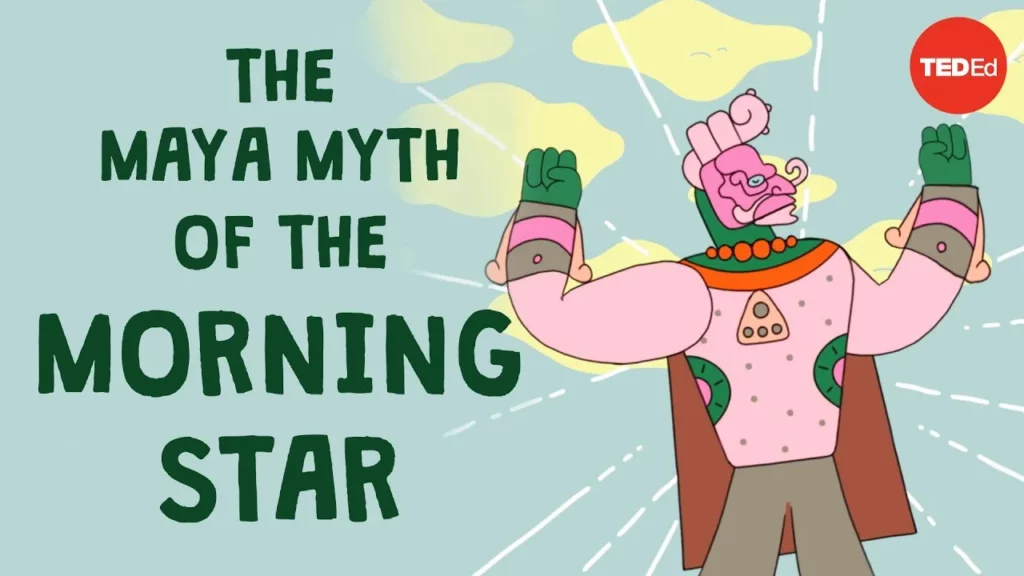
The article explores the Mayan myth of Chak Ek’ (Venus) and K’in Ahaw (the Sun), depicting their rivalry as a reflection of celestial cycles. Chak Ek’ rises from the underworld to challenge his brother, leading to a series of cosmic conflicts that disrupt the balance of life on Earth, including attacks on various deities and the maize god. Ultimately, the narrative illustrates the Maya’s understanding of the cyclical nature of order and chaos in the universe, emphasizing the ongoing struggle between these celestial forces.
Why should you read “Crime and Punishment”? – Alex Gendler
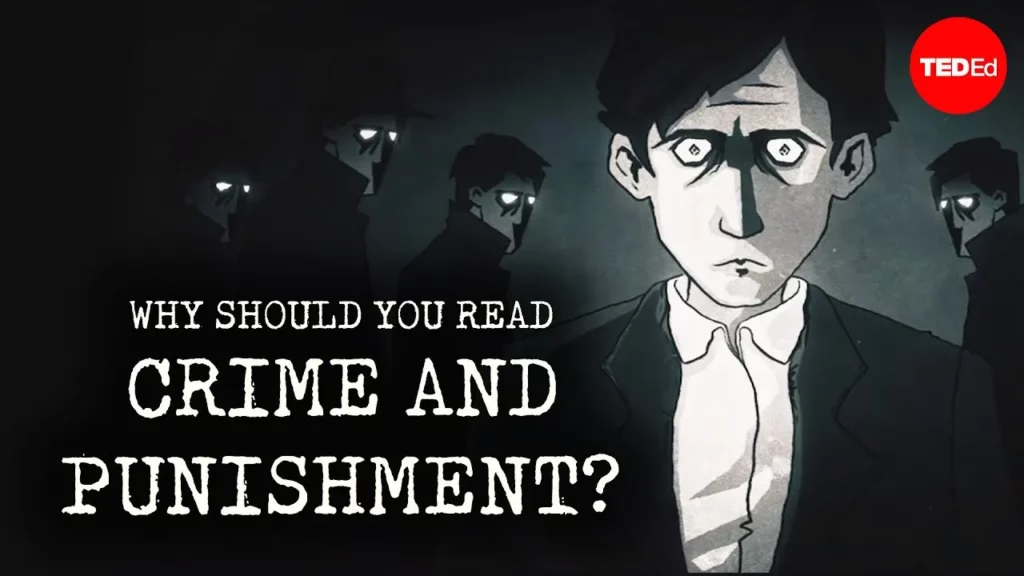
The article explores Fyodor Dostoyevsky’s “Crime and Punishment,” a seminal work that delves into the psychological turmoil of Rodion Raskolnikov, a law student driven to murder an elderly pawnbroker due to his desperate circumstances. Set against the backdrop of 19th-century Saint Petersburg, the novel examines themes of morality, redemption, and the impact of societal conditions on individual choices, reflecting Dostoyevsky’s own complex experiences and evolving ideologies. Through Raskolnikov’s internal conflict and the vivid portrayal of various characters, the narrative captivates readers while probing deep philosophical questions about human nature and the consequences of one’s actions.
Why tragedies are alluring – David E. Rivas
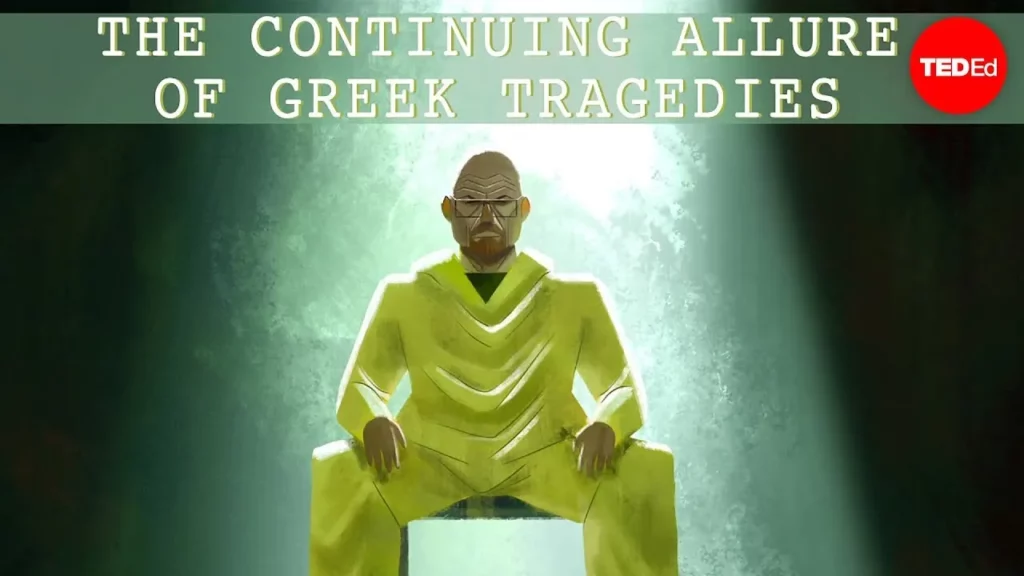
The article explores the enduring appeal of Greek tragedy, focusing on the archetype of the tragic hero, who experiences a downfall due to a critical flaw, or *hamartia*. Using Sophocles’s “Oedipus Rex” as a prime example, it illustrates how the hero’s journey evokes fear and pity, leading to catharsis for the audience. The themes of Greek tragedy continue to resonate in modern storytelling, influencing works from Shakespeare to contemporary series like “Game of Thrones.”
Can you solve the vampire hunter riddle? – Dan Finkel
The article discusses the intricate challenge of illuminating a vampire’s lair by strategically using mirrors to direct sunlight into a dark chamber. By analyzing the geometry of the room and the behavior of light at a 45-degree angle, it is determined that the southeast corner is the only suitable location for a diffuser, ensuring that the sunlight floods the area and effectively eliminates the vampires. The solution highlights the importance of understanding coordinate systems and light paths in solving this high-stakes puzzle.
The science of spiciness – Rose Eveleth
The article explores the science behind the sensation of spiciness, explaining that it is not a taste but a response triggered by compounds like capsaicin that activate sensory neurons, leading to feelings of heat and discomfort. It discusses how different spicy compounds affect the body in various ways, the Scoville scale for measuring spiciness, and the reasons people consume spicy foods despite the pain, suggesting that some derive pleasure from the experience akin to an adrenaline rush. Ultimately, the article highlights the complex interplay between our senses and spicy foods, making it a captivating topic for culinary enthusiasts.