
The Hawaiian Story Of The Wind Keepers
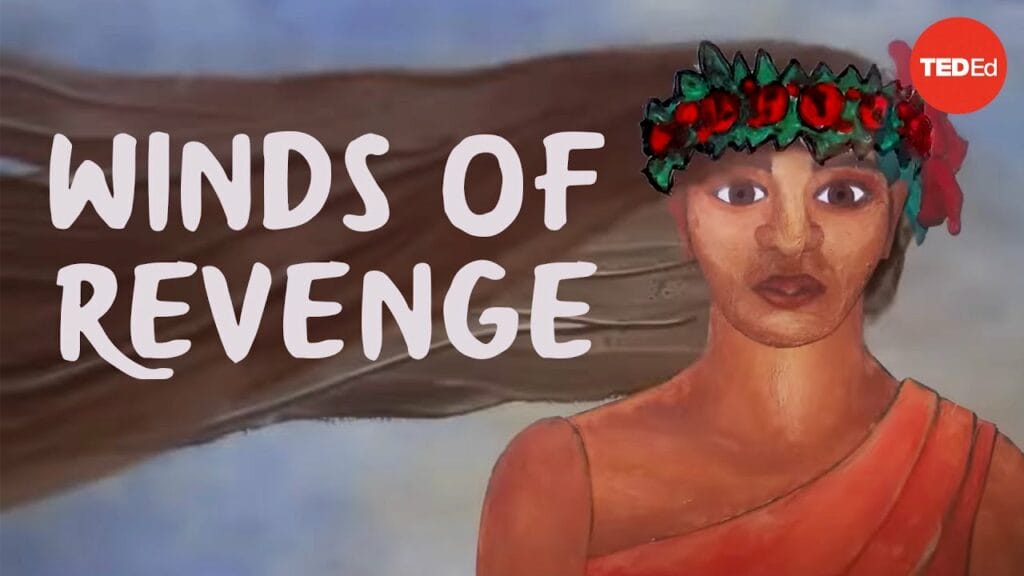
The article tells the story of La’amaomao, the Hawaiian wind goddess, and her grandson Paka’a. Paka’a, who possessed the sacred gourd that housed the winds, was betrayed by two jealous navigators and stripped of his privileges. With the help of his son Kuapaka’a, Paka’a eventually avenged himself and regained his rightful place beside the king.
The Surprising Secret To A Healthier Gut
The article discusses the practice of fecal microbial transplantation, which involves introducing a new batch of microorganisms into the intestines to reset the gut microbiome. This treatment is currently used experimentally to combat antibiotic-resistant gut infections, but promising research suggests that fecal transplants could have potential applications in treating other conditions such as diabetes, anxiety, and depression. However, there is still much to learn about the optimal composition of the gut microbiome and the most effective use of fecal transplants.
Why Do We Eat Popcorn At The Movies
The article explains the origin and science behind popcorn making. It discusses how popcorn kernels pop due to the moisture and starch sealed within the kernel, and how popcorn cultivation and popularity grew over time. The article also highlights the significant role of popcorn in the movie industry and its continued popularity today.
The Return Of Mongolia’s “Wild” Horses
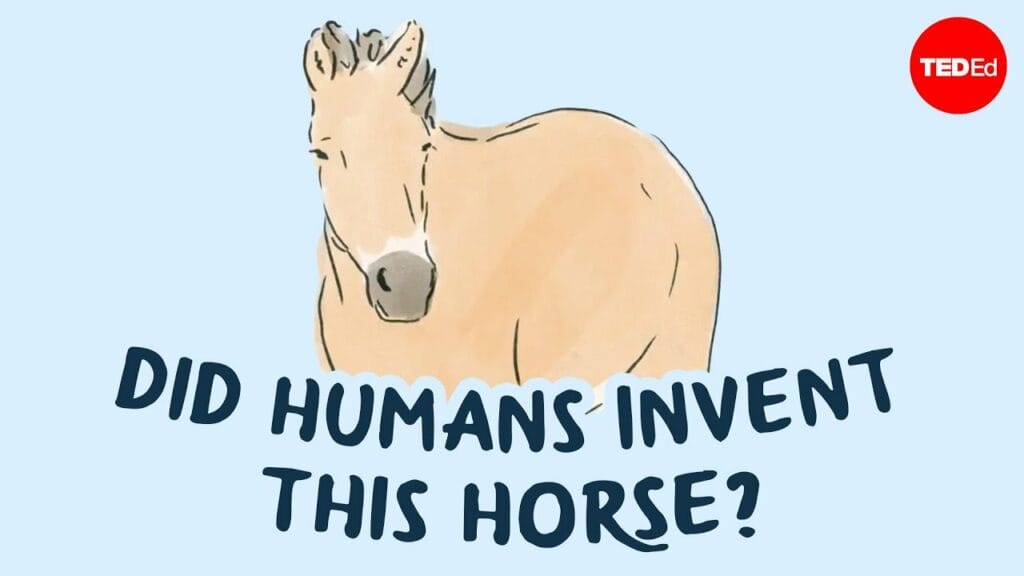
The article discusses the extinction and revival of the native Takhi horses in Central Asia. It highlights the efforts of scientists and zoos in starting an international breeding program to reintroduce the horses into their native habitat, raising questions about the role of zoos in conservation and the complications of reintroduction. The article suggests that while zoos can play a significant role in animal preservation, efforts should also be focused on preserving natural habitats to protect the diversity of animal life.
The Records The British Empire Didn’t Want You To See
The article discusses a petition brought by five Kenyan individuals to the British Prime Minister’s office, alleging human rights abuses during British colonial rule in the 1950s. The discovery of secret files revealed a widespread British policy called Operation Legacy, in which documents were hidden or destroyed to protect Britain’s reputation. The evidence confirmed the abuses suffered by Kenyans and led to a formal apology and financial settlement from the British government.
Why Do We Have Crooked Teeth When Our Ancestors Didn’t
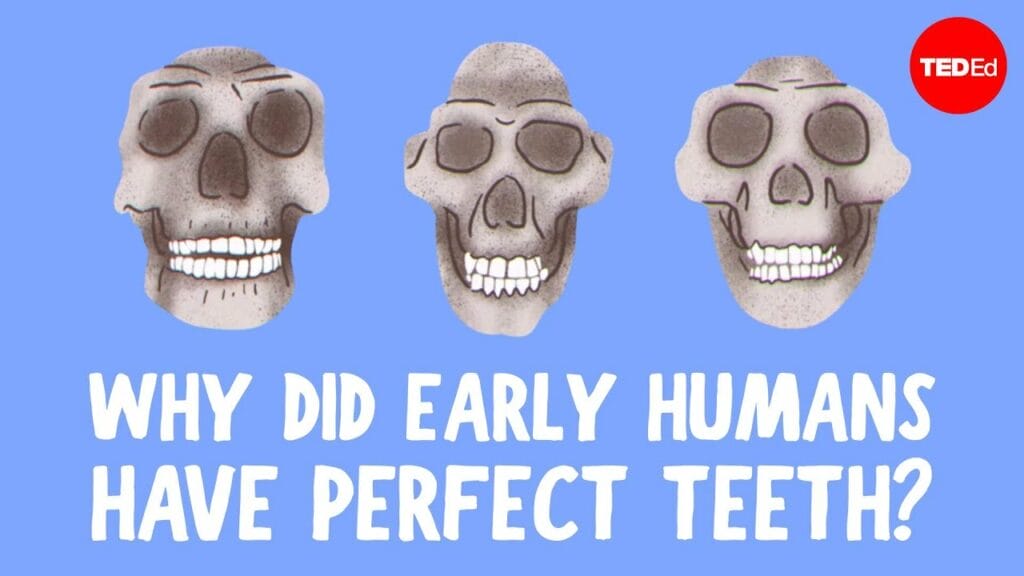
Ancient skulls have been found to have perfectly straight teeth, in contrast to the dental issues commonly seen in modern humans such as crooked teeth and impacted wisdom teeth. Scientists believe that this shift is due to changes in lifestyle and diet, particularly the decrease in jawbone size and the introduction of processed foods. This hypothesis is supported by studies on animals and variations in tooth crowding across global populations.
The Rise And Fall Of The Mughal Empire

The article discusses the rise and fall of the Mughal Empire in India. It begins with the battle in 1526 between Sultan Ibrahim Lodhi and Zahiruddin Muhammad Babur, which led to the establishment of the Mughal Empire. The article then highlights the legacy of Babur and the rise of Akbar, who consolidated Mughal power and implemented religious tolerance. It also mentions the architectural achievements of the Mughals, the rule of Nur Jahan, and the decline of the empire due to political, economic, and social crises. Finally, it describes the end of the Mughal Empire with the intervention of the British government in 1857.
What’s Missing In Medical Research
Medical science is facing a problem as it is missing crucial genetic information that could help discover the causes of diseases and develop effective treatments. The current research process is heavily biased towards people of European descent, leading to the potential oversight of key genetic variations in other diverse groups. To develop treatments that work for everyone, it is important to involve a wider range of genetic stories in medical research.
Why Were There Three Popes At The Same Time
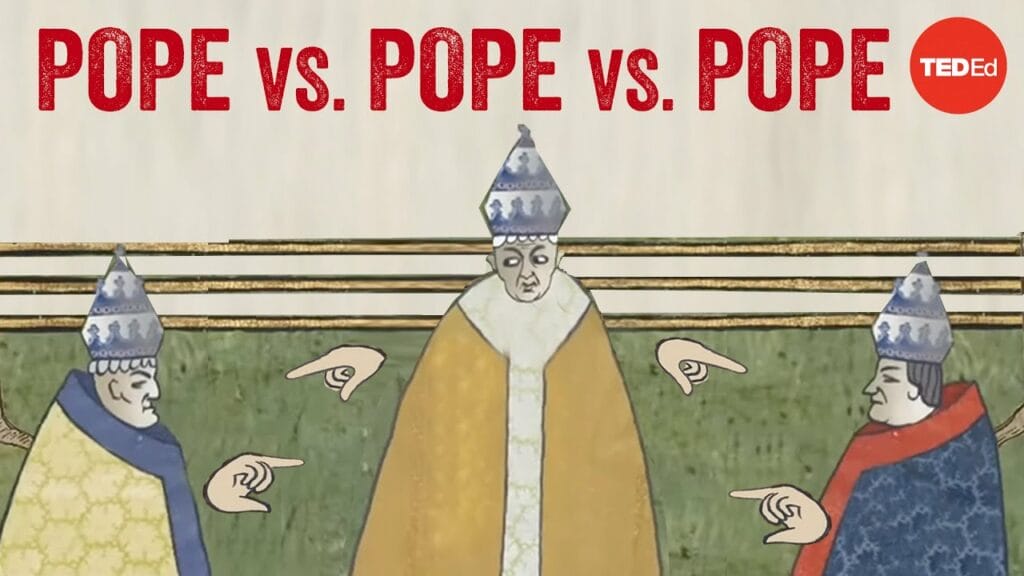
The article discusses the unique situation in the late 14th century when there were three popes. The origins of this predicament can be traced back to conflicts between the Church and the French monarchy. The schism lasted for 39 years until the Council of Constance in 1417, when a new Pope was elected and the schism was finally resolved.
The Strangest Summer In Recorded History
The article discusses the eruption of Mount Tambora in 1815, which caused a year without summer due to the emissions that blocked out the sun and led to famines and epidemics. It then explores the concept of geoengineering, specifically solar radiation management, as a potential solution to global warming, but highlights the risks and challenges associated with these interventions. The article concludes by emphasizing the need for further research and caution in pursuing geoengineering approaches.