
The Life Of A Fire Ant Queen
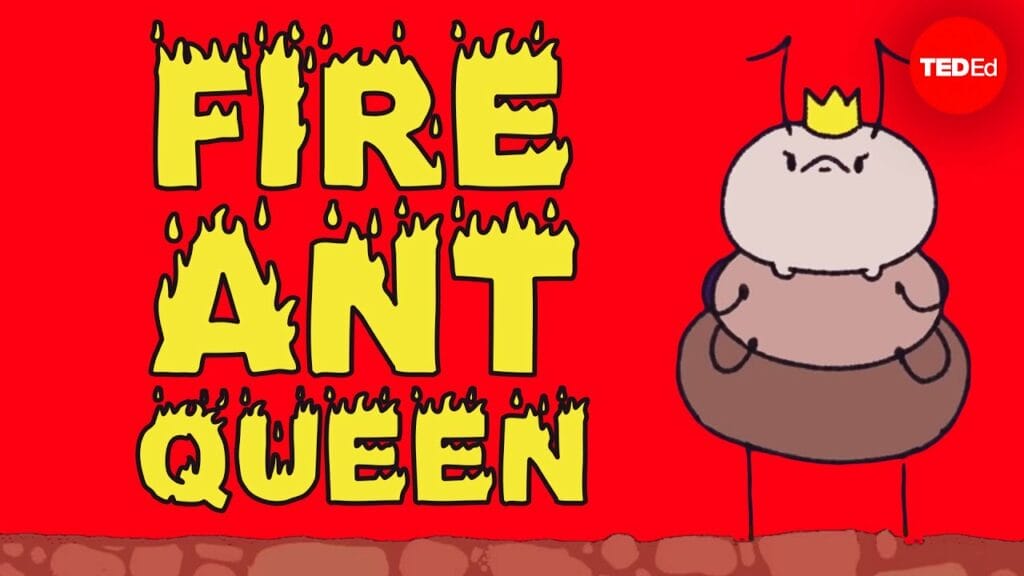
The article discusses the life cycle of fire ants, specifically focusing on the nuptial flight and the challenges they face in establishing and growing a colony. It explains how the queen starts a new colony, the growth of the colony, the challenge of brood-raiding, the reign of the victorious queen, the life cycle of the colony, and ultimately, the end of a colony.
What If All The Seawater Became Fresh Water
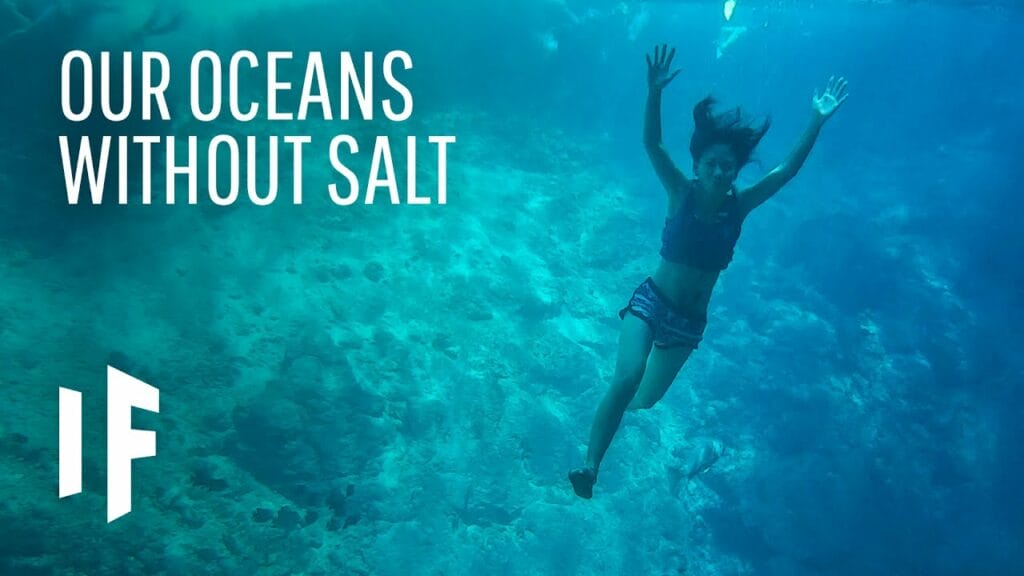
The article explores the consequences of removing salt from the ocean, highlighting that while freshwater oceans may seem like a solution to water shortages, it would have devastating effects on marine life, climate, and human survival. Desalinating the ocean would lead to the extinction of saltwater species, a decrease in oxygen levels, an increase in carbon dioxide levels, extreme weather patterns, and the collapse of the food chain. The article emphasizes the importance of ocean salinity for the balance of ecosystems and human survival.
Are There Dead Wasps In Figs
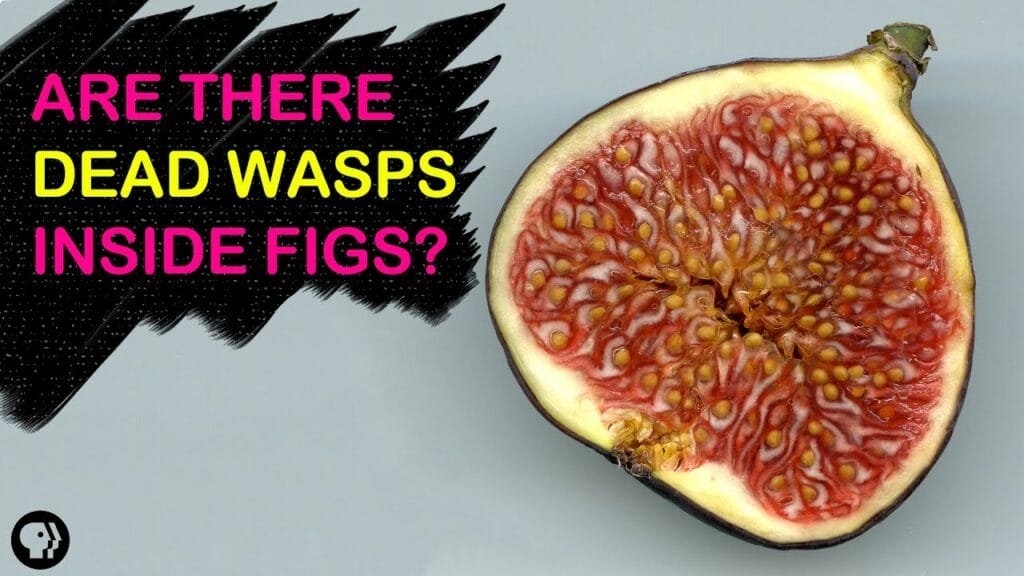
The article explains the fascinating relationship between figs and wasps. Figs are unique fruits that contain the flowers of the fig tree inside them, and they rely on fig wasps for pollination. The wasps enter the figs to lay their eggs and in the process, fertilize the flowers and help the figs develop seeds. The life cycle continues as the baby wasps grow inside the figs and eventually emerge to find new figs. Humans have influenced figs through domestication, and while some figs may contain dead wasps, most figs found in supermarkets do not. Eating figs represents a complex and mutually beneficial partnership between the fig tree and wasps that has evolved over millions of years.
Could We Stop An Asteroid
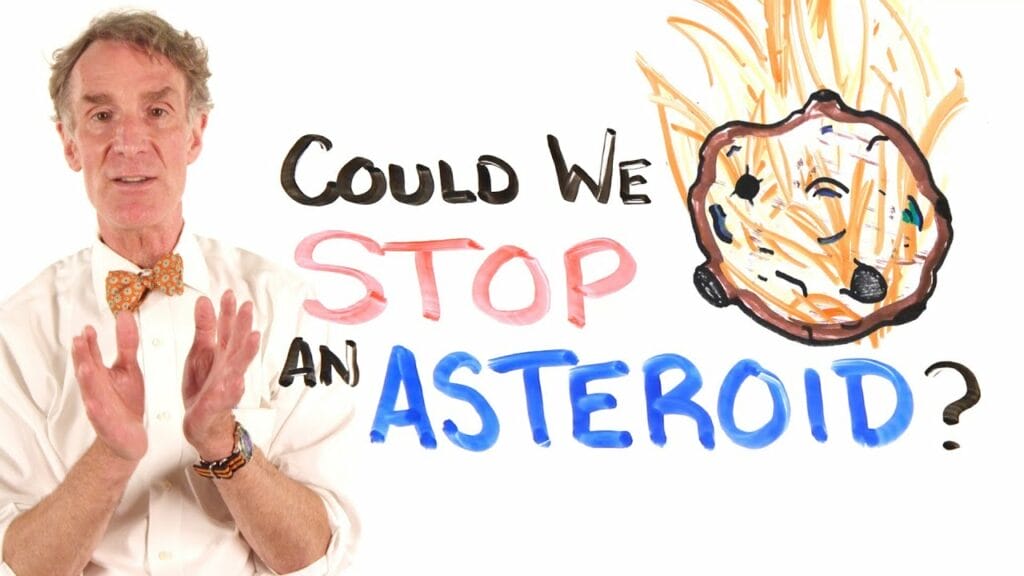
The article discusses the threat of asteroids and the potential impact they could have on Earth. It addresses the need to detect and deflect asteroids that are on a collision course with our planet. The article also explores various methods of deflection, including using rockets, spacecraft, and laser beams.
How Tsunamis Work
This article explains the phenomenon of tsunamis and their destructive impact. It discusses how tsunamis are formed by underwater energy, often resulting from earthquakes, and how they can reach heights of up to 100 feet. The article also highlights the challenges of protecting against tsunamis and emphasizes the importance of early detection and alert systems.
What If The Earth Stopped Spinning

The article discusses the consequences of a non-spinning Earth. If the Earth were to suddenly stop spinning, objects and people on the surface would be flung due east at high speeds, causing catastrophic damage. Additionally, there would be unprecedented natural disasters, loss of the protective magnetic field, and changes in oceanic displacement.
Three Ways To Destroy The Universe

The article discusses the eventual demise of the universe and explores three possible scenarios: the Big Rip, Heat Death or Big Freeze, and the Big Crunch and Big Bounce. The expansion of the universe, driven by dark energy, plays a significant role in these scenarios. While heat death is currently seen as the most likely outcome, the author hopes that the universe will have a chance to start anew.
Why No Aquarium Has A Great White Shark

The article discusses the challenges of keeping great white sharks in aquariums. While other shark species have thrived in captivity, great white sharks have struggled to adapt to the environment and have not been able to survive for extended periods of time. The Monterey Bay Aquarium was able to successfully keep a young great white shark for six months, but the experience showed that captivity took a toll on the animal’s health.
What If Everyone Jumped At Once
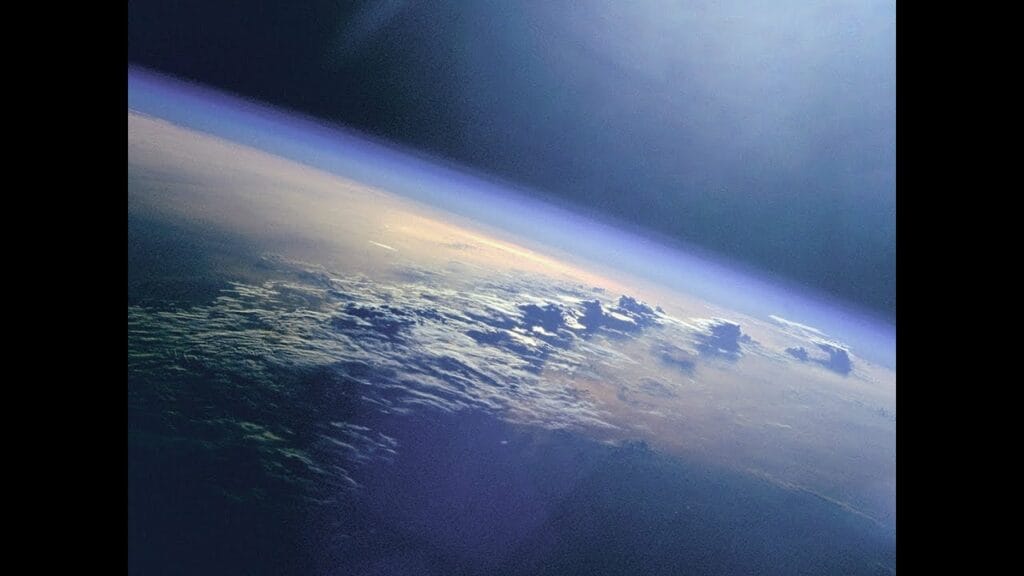
The article discusses what would happen if every person on Earth jumped at the same time. It explains that although our collective mass compared to the mass of the Earth is very small, our jump would still contain a lot of energy. However, our jump would not be able to change the Earth’s position or rotation significantly.
Where Did Earth’s Water Come From
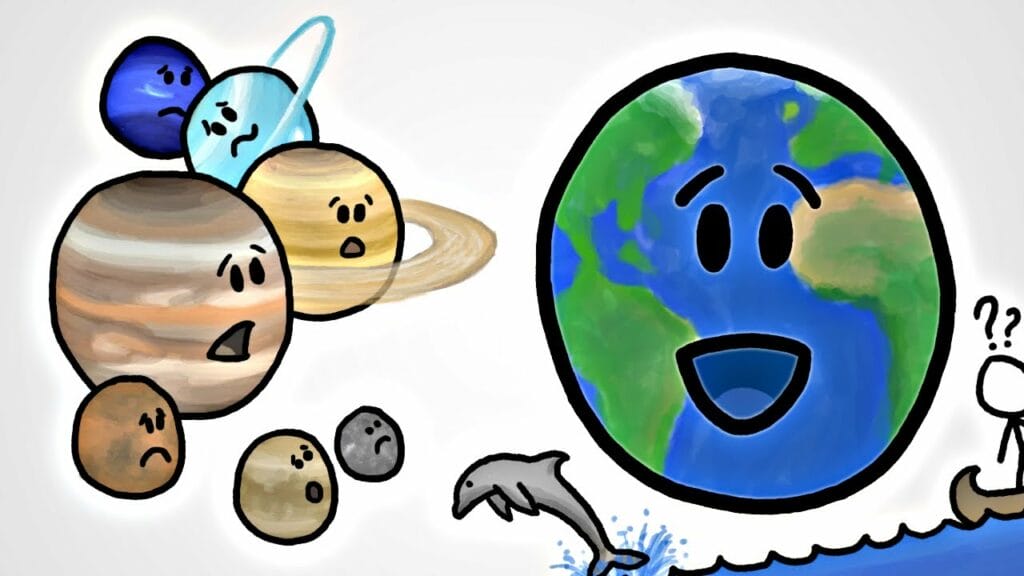
The article explains that Earth’s unique water composition, with its 70% liquid water surface, is peculiar given what we know about the formation of our solar system. The early inner solar system was too hot for water to exist, so scientists believe that Earth’s water must have come from meteoroids or comets that originated in the outer solar system where frozen water could survive. The most likely source for Earth’s water is carbonaceous chondrites, a type of meteorite that contains water and has similar levels of heavy hydrogen to Earth’s water.