
Lady Chatterley’s Lover by D.H. Lawrence

Lady Chatterley’s Lover is a controversial novel by D.H. Lawrence that explores the passionate affair between an upper-class woman and her husband’s gamekeeper, challenging societal norms and conventions.
The Trial by Franz Kafka
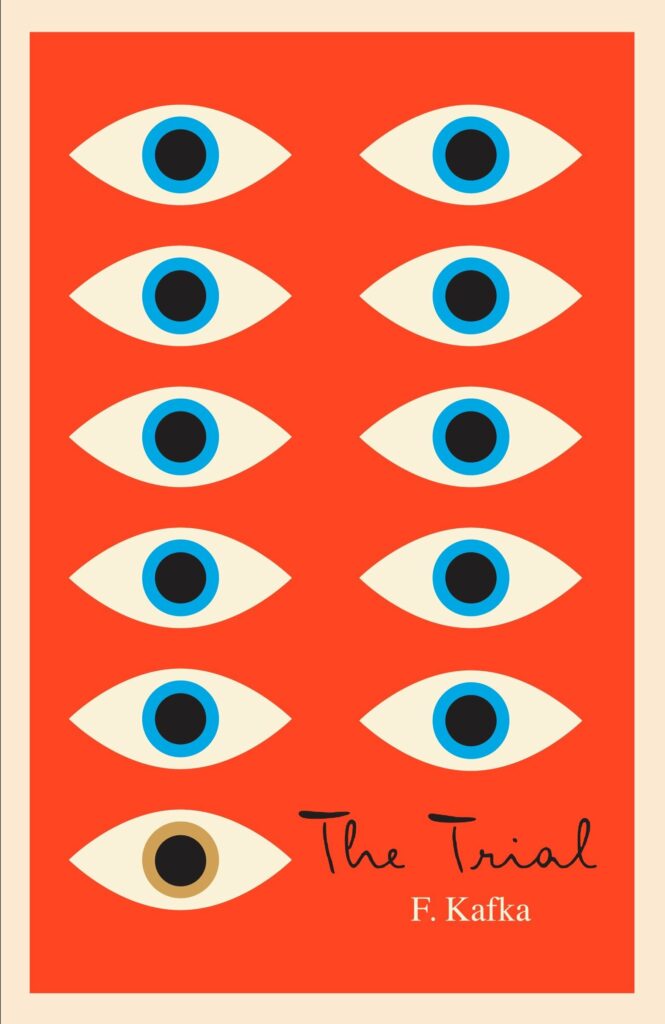
“The Trial” by Franz Kafka follows the protagonist Josef K. as he is arrested and put on trial for a crime that is never revealed, exploring themes of guilt and absurdity.
The Stranger by Albert Camus

The Stranger is a philosophical novel that follows the life of Meursault, a detached and indifferent man who becomes embroiled in a murder case, questioning societal norms and existentialism.
The Red & the Black by Stendhal

“The Red & the Black” by Stendhal is a classic French novel that follows the ambitious and cunning Julien Sorel as he navigates love, politics, and social climbing in 19th-century France.
Harry Potter and the Chamber of Secrets by J.K. Rowling
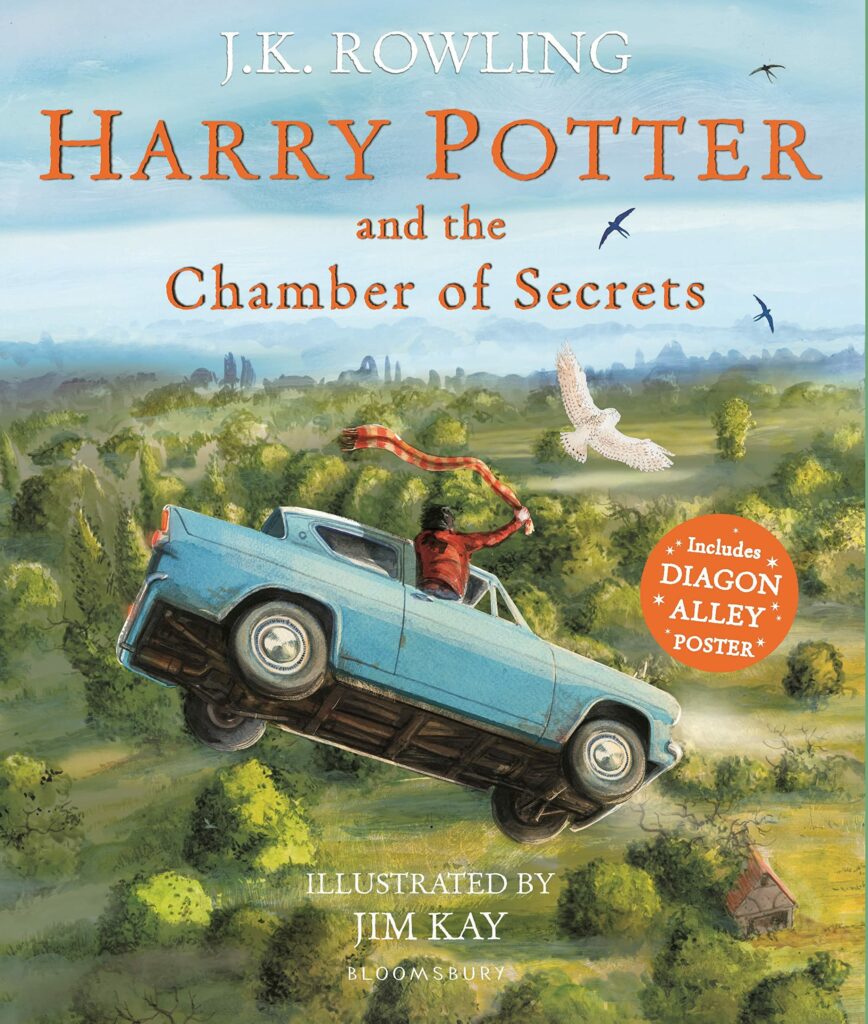
In the second installment of the Harry Potter series, Harry and his friends investigate the mysterious opening of the Chamber of Secrets, facing dangerous creatures and a dark secret.
Lord Jim by Joseph Conrad

“Lord Jim” by Joseph Conrad is a novel that explores the themes of guilt, redemption, and the search for honor through the story of a young sailor named Jim who faces a moral dilemma.
A Portrait of the Artist as a Young Man by James Joyce
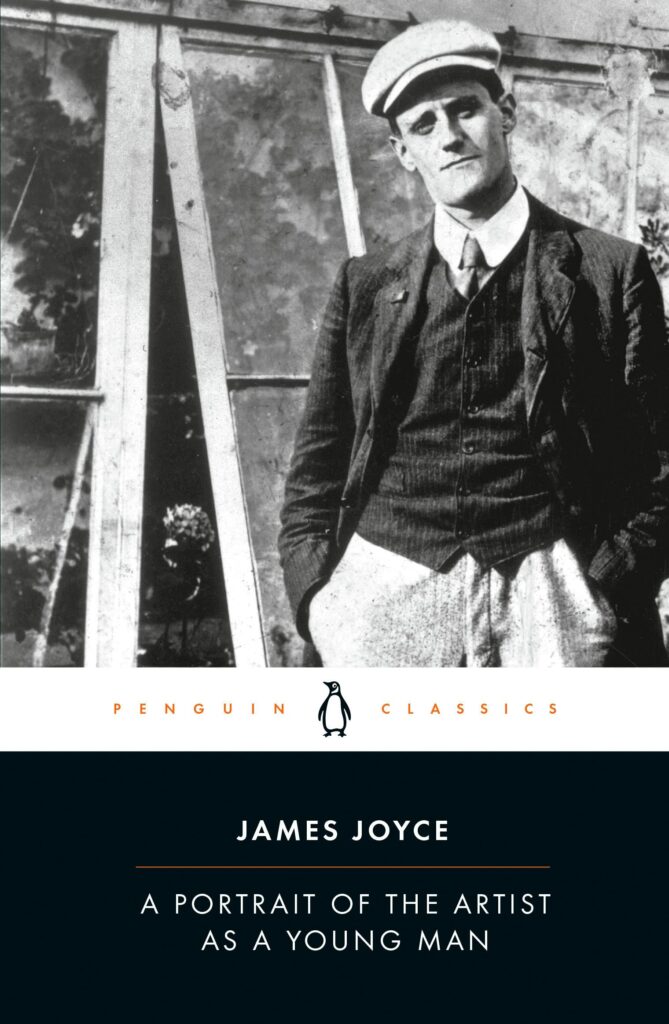
“A Portrait of the Artist as a Young Man” follows the coming-of-age journey of Stephen Dedalus as he navigates his Irish Catholic upbringing and struggles with his identity and artistic aspirations.
The Prince and the Pauper by Mark Twain
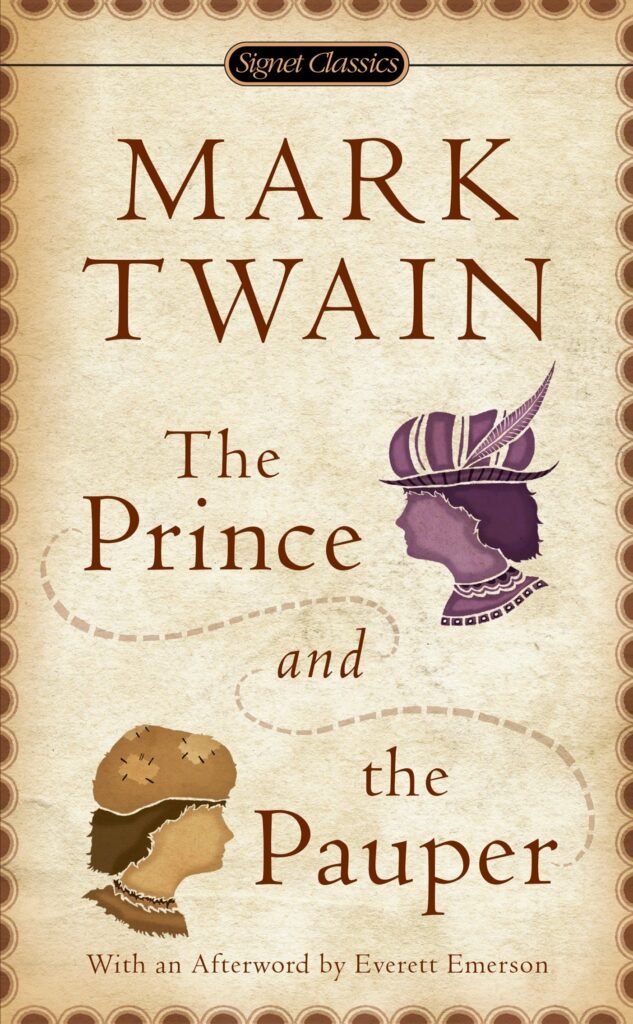
“The Prince and the Pauper” is a classic novel by Mark Twain that tells the story of two boys who switch lives and experience the stark differences between royalty and poverty.
Lord of the Flies by William Golding

“Lord of the Flies” by William Golding is a gripping tale of a group of boys stranded on an uninhabited island, where they descend into savagery and chaos.
Which Type of Milk is Best for You
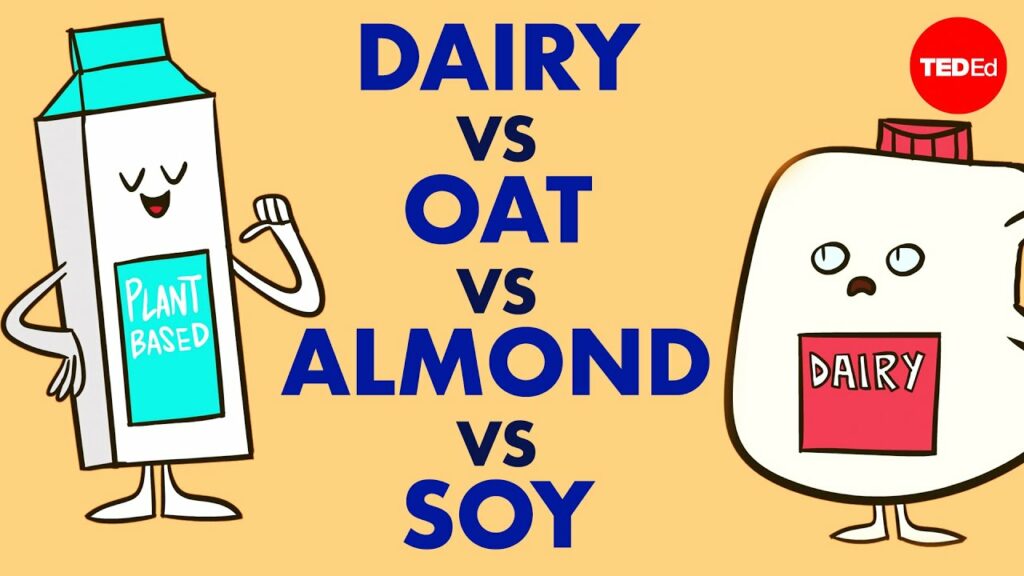
The nutritional benefits of the most popular milks are highlighted in an article by The Conversation. Cow’s milk contains healthy nutrients such as vitamin D and calcium, which are not naturally found in most plant-based milks. However, plant-based milks, particularly oat or soy milk, are a more sustainable option, using less land and water to produce and generating fewer greenhouse gas emissions. Almond milk, for example, uses 70 litres of water per glass, compared to 120 litres for dairy milk.