
Why do We Eat Spoiled Food
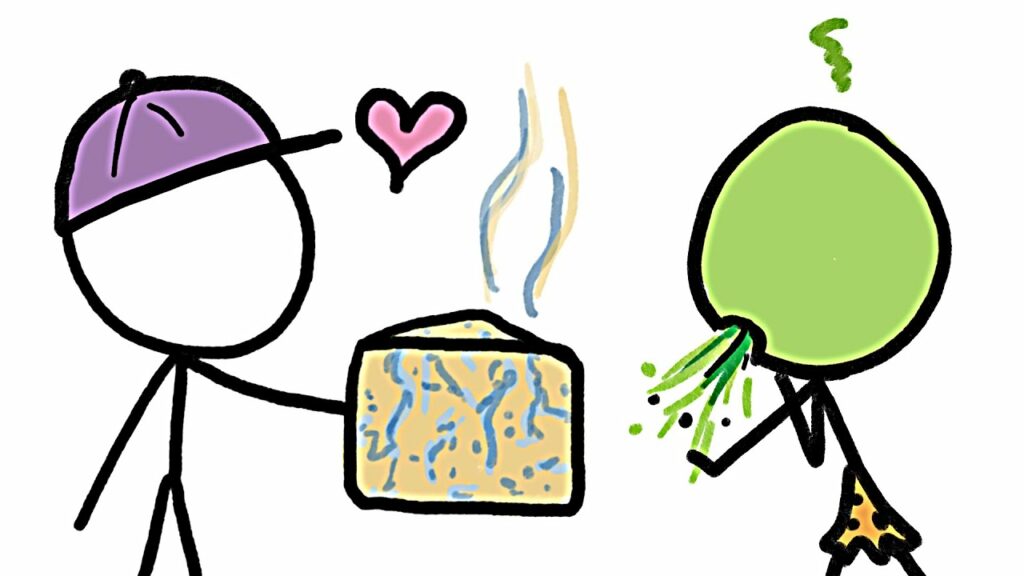
Microbes play a crucial role in creating the flavors, smells, and textures of many of our favorite foods, from cheese to beer to chocolate. While most of these microbes are harmless to humans, controlled spoilage has been used for thousands of years to manage food safety and create delicious transformations. Fermentation is also a key process in creating dishes from all over the world, from sauerkraut to soy sauce to kefir.
What Does the Liver Do?
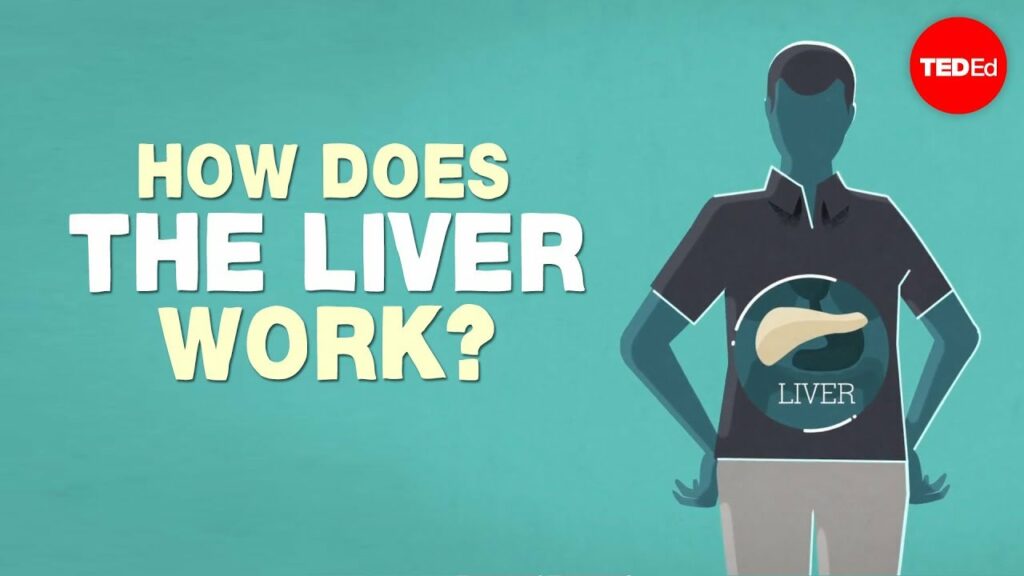
The liver is a vital organ that performs multiple essential functions, including storing and processing nutrients, manufacturing proteins, and producing bile, which is necessary for breaking down fats. Bile, which is produced by specialized cells in the liver called hepatocytes, helps to absorb fat-soluble vitamins and removes toxins and byproducts from the liver. Maintaining a healthy liver is crucial for overall health, and a healthy lifestyle, including a diet rich in fruits and vegetables, regular exercise, and avoiding alcohol and smoking, can help keep the liver healthy.
How Do the Lungs Work
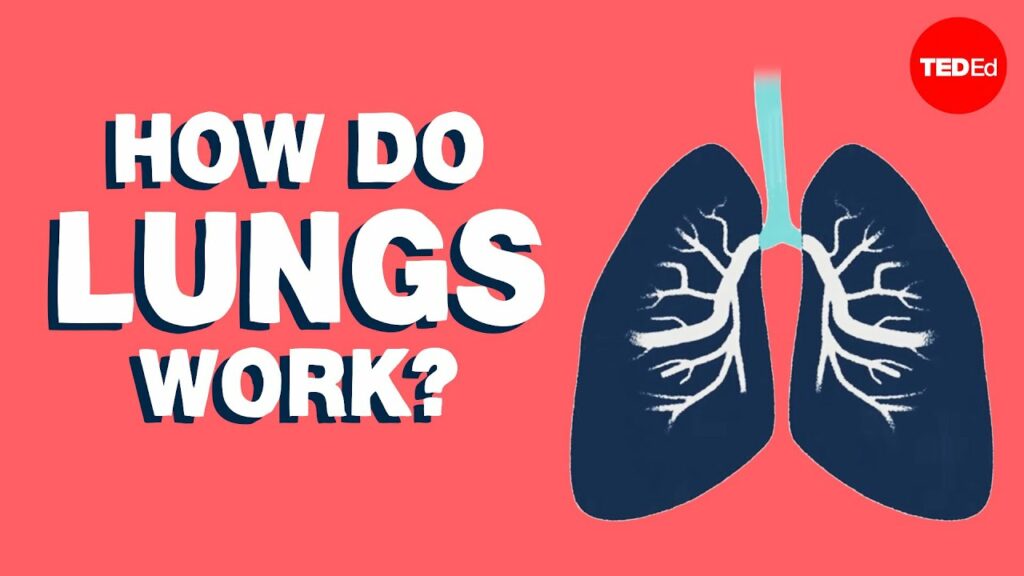
The respiratory system is responsible for transporting oxygen to the cells in our body and removing carbon dioxide. The autonomic nervous system controls the muscles around the lungs and prepares the body to take in oxygen-rich air. Air enters the nose and mouth, through the trachea and into the bronchi, which divide into smaller passages called bronchioles, ending in alveoli. Oxygen diffuses into the capillaries, and carbon dioxide diffuses out of the capillaries and into the alveoli. The autonomic nervous system then causes the diaphragm to contract, causing the lungs to compress and forcing the carbon dioxide-rich air out. The lungs inhale and exhale between 15 and 25 times a minute, which amounts to an incredible 10,000 liters of air each day.
The Five Fabulous Food Groups

The article outlines the five different food groups and the types of food that fit into each group. The fruit group includes fresh, canned, frozen, and dried fruits, and fruit juice without added sugar. The grain group includes foods made from grains, such as bread and rice. The vegetable group includes roots, stems, and leaves of certain plants, and the protein group includes meats, beans, and tofu. The dairy group includes foods made from cow milk or soy milk, and sweet treats like candy don’t fit into any of these groups.
Why Do We Have to Wear Sunscreen
UVB rays, which penetrate the outermost layer of our skin, can cause sunburns, skin cancer, and premature skin aging. Sunscreen is an effective way to protect our skin from the harmful effects of UVB rays, with physical and chemical blockers being the two types available. It is important to choose a broad-spectrum sunscreen with an SPF of at least 30 and water-resistant properties, and to also use other sun protection methods such as wearing UPF clothing and avoiding sun exposure during peak hours.
How Menstruation Works
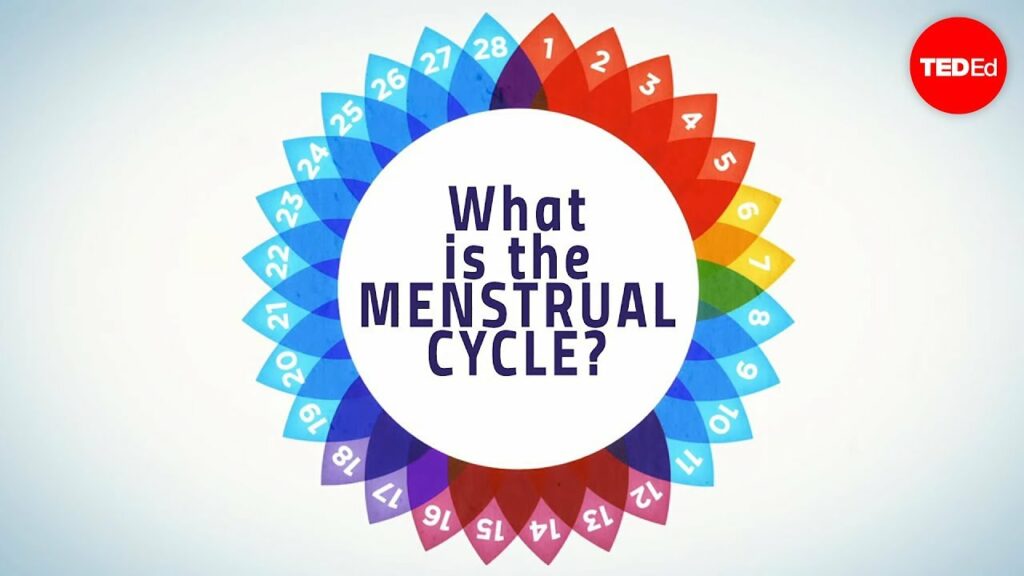
The menstrual cycle is a natural process experienced by all women, lasting between two to seven days every month and occurring approximately 450 times in a woman’s life. It is regulated by a series of hormonal controls and involves the ovaries, which release an egg each month, waiting for fertilization by a sperm cell. If fertilization does not occur, the womb’s lining degenerates, and the period begins, taking up to a week to clear out the unused contents of the womb, after which the cycle begins again.
Can You Trust Your Ears
The brain’s interpretation of sound can be influenced by visual cues, language and geography, resulting in auditory illusions. Examples of these include the McGurk Effect, where visual cues alter what we believe we are hearing, and the Tritone Paradox, where our brains have a preference for either the high or low frequency of tones that contain both. These illusions can help explain the varying effects of music on the mind.
How Much Sleep Do You Actually Need
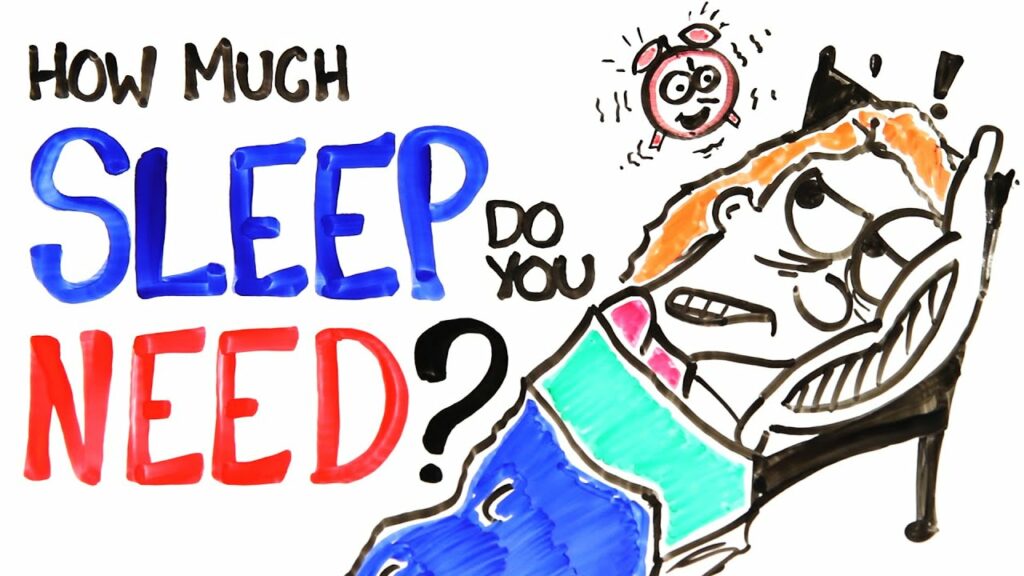
Sleep is necessary for efficient and productive functioning, with studies suggesting that most people require around seven to eight hours of sleep per night. Lack of sleep can lead to health issues such as obesity, diabetes, and heart disease, and individuals who consistently sleep less than seven hours a night have an increased risk of heart disease, obesity, diabetes, and even a 12% higher risk of death, while those who sleep more than eight hours carry an increased risk of heart disease, obesity, diabetes, and a 30% increased risk of mortality. However, variations exist, and genetics also play a role, with some individuals being able to function normally on only six hours of sleep due to a specific gene mutation.
The Benefits of Good Posture
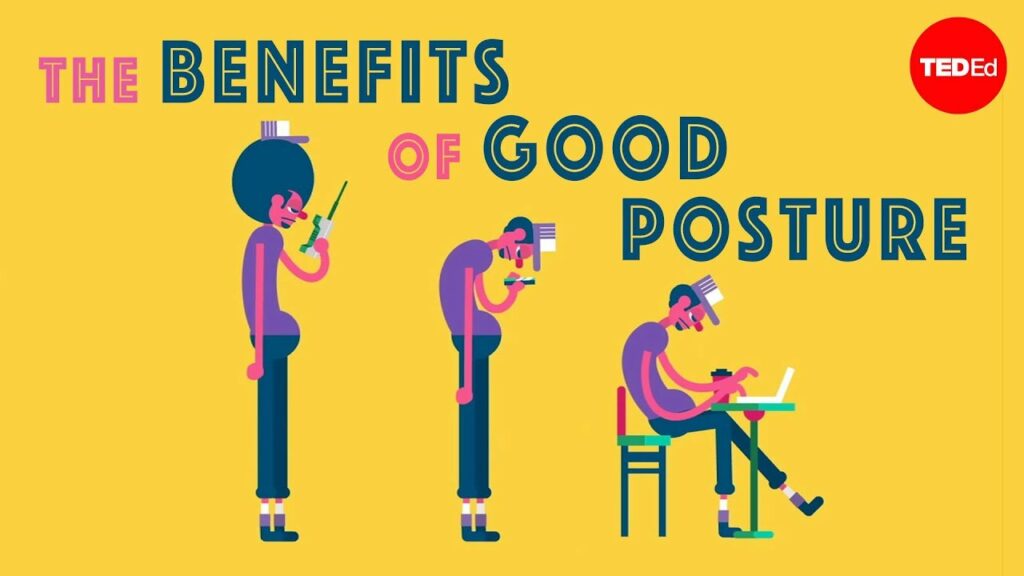
Good posture is essential for physical and emotional well-being. Poor posture can lead to tension headaches, neck pain, and back pain, as well as affect breathing, digestion, and circulation. Maintaining proper alignment of the spine, joints, and muscles can help prevent pain and discomfort and improve movement efficiency.
The Hidden Risks of Sitting
Sitting for long periods of time can have a detrimental impact on physical health, causing numbness and swelling in limbs, deactivating enzymes that burn fat and putting uneven pressure on the spine, among other things. To combat these effects, it is recommended to sit with a straighter spine, take breaks every half hour to stand up and stretch, and to take a walk to reduce stress and increase energy levels.