
The Pilgrim’s Progress by John Bunyan
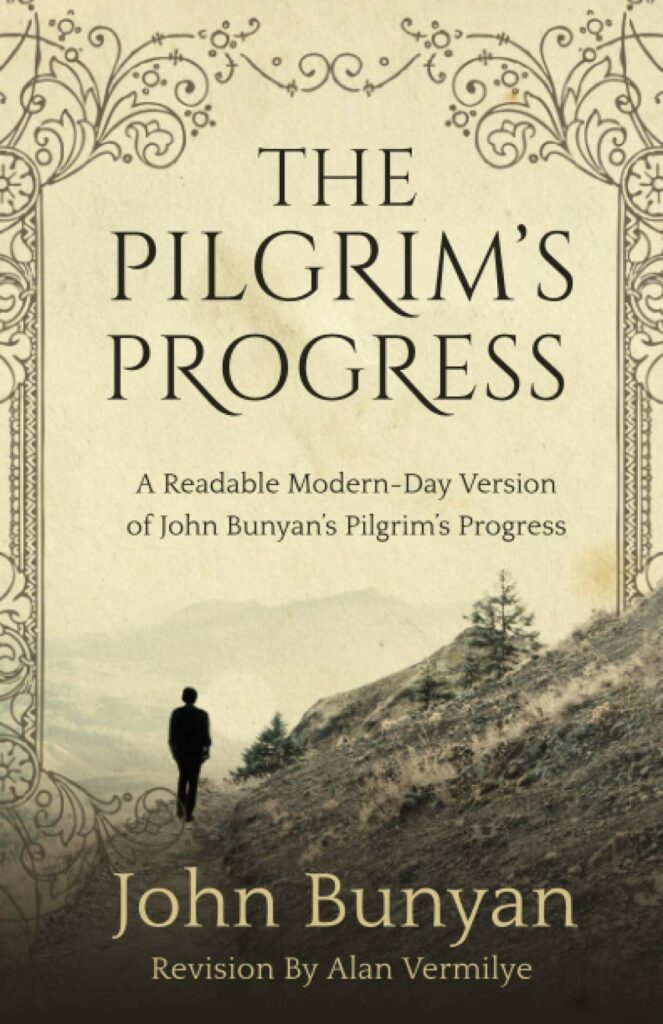
“The Pilgrim’s Progress” by John Bunyan is a profound religious allegory, detailing the journey of an ordinary man towards salvation, encountering symbolic obstacles and trials on his path.
Jane Eyre by Charlotte Brontë

“Jane Eyre” is Charlotte Brontë’s profound exploration of love, societal norms, and the journey to selfhood through its titular character’s resilience and strength.
Gulliver’s Travels by Jonathan Swift

Gulliver’s Travels, by Jonathan Swift, is a satirical adventure story critiquing human society through the protagonist’s voyages to imaginary lands.
The Scarlet Letter by Nathaniel Hawthorne

Nathaniel Hawthorne’s ‘The Scarlet Letter’ explores themes of sin, guilt, and redemption against the backdrop of a puritanical society, presenting a powerful portrayal of resilience in the face of social ostracism.
Moby Dick by Herman Melville

Moby-Dick is an American classic that explores themes of obsession, vengeance, and the human condition, all set against the thrilling and perilous backdrop of 19th-century whaling voyages.
Wuthering Heights by Emily Brontë

Wuthering Heights by Emily Brontë is a classic Victorian novel of destructive love and vengeance, set against the raw beauty of the Yorkshire moors and exploring themes of social class, morality, and the human condition.
Pride and Prejudice by Jane Austen

“Pride and Prejudice,” Jane Austen’s timeless classic, presents a witty exploration of love, marriage, and societal norms in 19th-century England.
Treasure Island by Robert Louis Stevenson

“Treasure Island” is Robert Louis Stevenson’s timeless adventure tale of piracy, treasure hunting, and moral discovery told through the eyes of young Jim Hawkins.
The Adventures of Tom Sawyer by Mark Twain
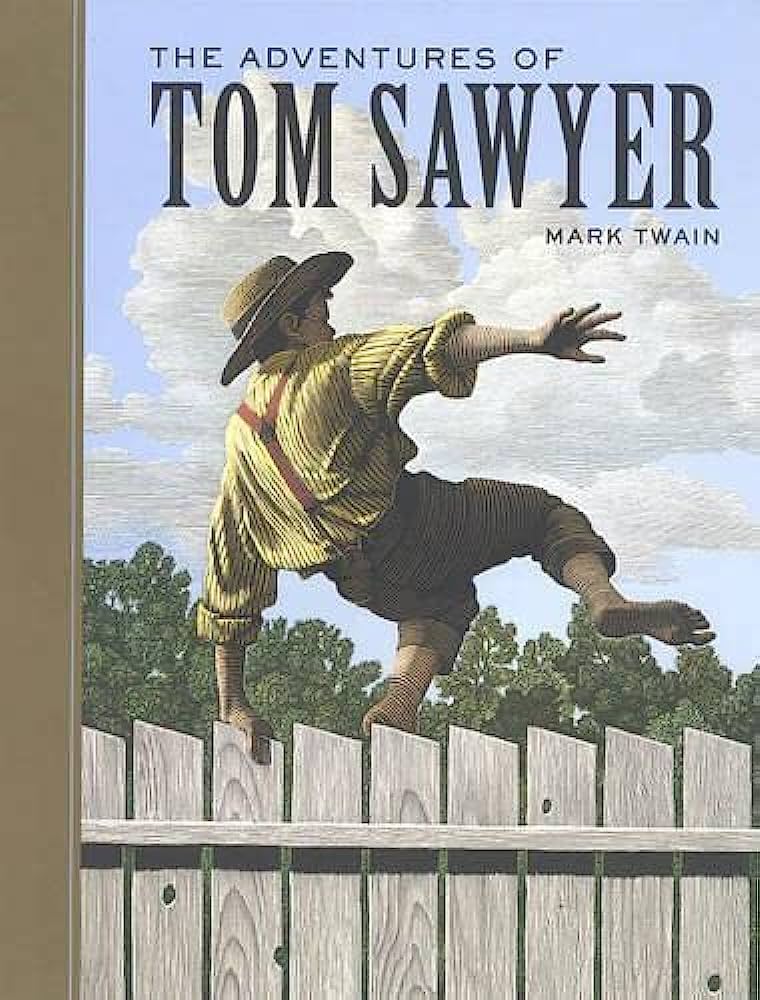
“The Adventures of Tom Sawyer,” penned by Mark Twain, is a classic tale of boyhood featuring the mischievous Tom Sawyer and his escapades in 19th century rural America.
AI in Assessment and Feedback

Artificial intelligence (AI) is revolutionising language learning by providing personalised and accurate assessment and feedback. AI-powered adaptive language learning platforms use machine learning algorithms to analyse learners’ strengths and weaknesses and provide them with customised learning paths. Other AI applications include automated scoring of writing and speaking tasks, natural language processing to provide feedback on grammar, vocabulary and syntax, chatbots and speech recognition technology to assess pronunciation and intonation.