
Insane Underwater UFOs That Pose Major Threat for US Security
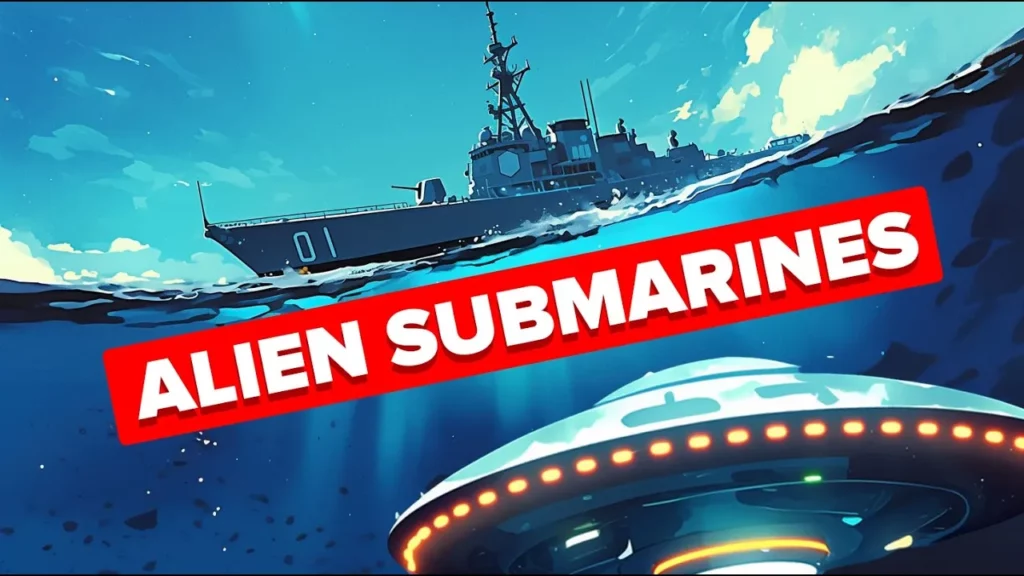
The lesson discusses the intriguing connection between UFOs and Unidentified Submersible Objects (USOs), highlighting a significant incident in 2019 where a former U.S. Navy Chief Oceanographer reported an encounter with an unidentified object that displayed advanced capabilities. With a growing public interest and government investigations into these phenomena, the U.S. military is increasingly recognizing the potential threats posed by these transmedium vehicles, which can operate both in the air and underwater. As the ocean remains largely unexplored, the commitment to understanding these mysteries is crucial for national security.
NATO vs BRICS – Preview of World War 3
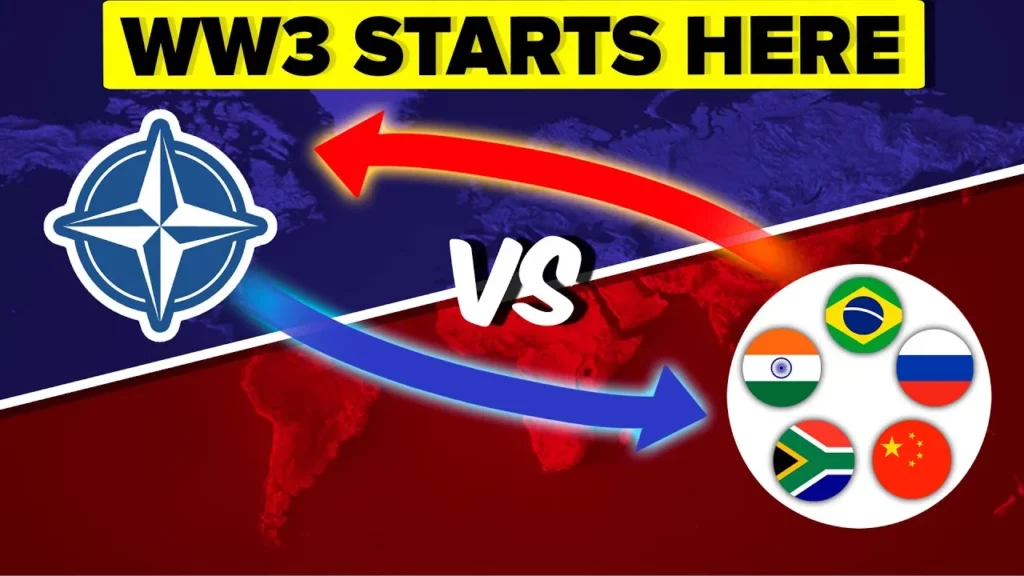
The lesson explores the contrasting dynamics between BRICS, an economic alliance focused on fostering growth and investment in developing regions, and NATO, a military alliance centered on defense. Established in 2006, BRICS aims to provide an alternative to Western financial institutions through initiatives like the BRICS Bank, which supports sustainable development projects. However, internal challenges, such as economic slowdowns and historical rivalries among member states, hinder its potential for unified action, especially in the unlikely event of a conflict with NATO.
Rules of War

The lesson on “Understanding the Rules of War” emphasizes the importance of international humanitarian law, which aims to protect non-combatants and those no longer participating in conflicts, such as civilians and wounded soldiers. Key principles like distinction, proportionality, necessity, and humanity guide military conduct to minimize suffering and destruction during warfare. Despite challenges in enforcement, the commitment of international organizations, particularly the International Committee of the Red Cross, is crucial in promoting adherence to these rules and fostering a more humane approach to armed conflict.
US Military in WW2 vs Modern Soldier – Military/Army Comparison

The lesson compares the U.S. military of World War II to today’s armed forces, highlighting key differences in manpower, naval and aerial capabilities, and technological advancements. While the 1941 military boasted greater numbers, the modern military excels in technology, equipment, and nuclear capabilities, giving it a significant advantage in potential combat scenarios. Ultimately, the lesson underscores how advancements over the decades have transformed military effectiveness beyond sheer numbers.
Crazy Cult That Poisoned Tokyo

The lesson on the Aum Shinrikyo cult and the Tokyo subway attack highlights the dangers of extremist beliefs and the catastrophic consequences they can have on society. It emphasizes the importance of vigilance against violent ideologies, the need for effective legal frameworks, and the role of mental health support in preventing individuals from joining destructive groups. Ultimately, the incident serves as a reminder of the delicate balance between religious freedom and public safety, advocating for education and critical thinking to challenge harmful ideologies.
Most Terrifying Military Experiences With the Paranormal

The lesson explores the intriguing intersection of military life and the paranormal, highlighting soldiers’ reports of ghostly apparitions, inexplicable sounds, and other mysterious occurrences in war zones. It examines how extreme stress, fatigue, and cultural beliefs can influence perceptions of these experiences, raising questions about the nature of reality and the potential lingering presence of those lost in conflict. Ultimately, it emphasizes the complex interplay between psychological factors, cultural contexts, and the unknown in shaping these haunting military encounters.
New NATO Like Alliance Threatens China’s Dominance in the Pacific
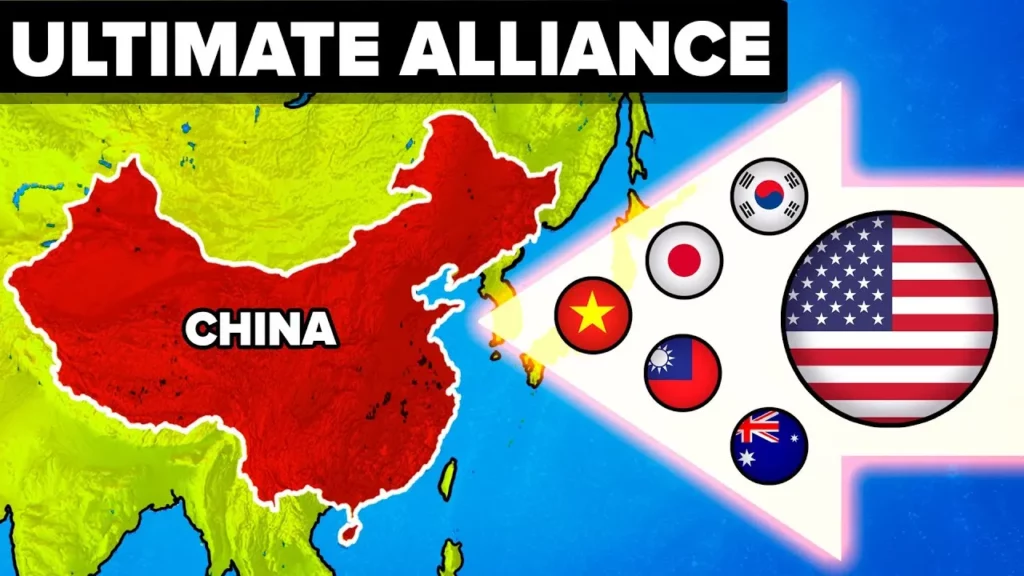
The lesson discusses the growing interest in forming NATO-like alliances in the Indo-Pacific region, as highlighted by recent political movements in the U.S. aimed at countering China’s influence. Key alliances such as the Quadrilateral Security Dialogue (QUAD), AUKUS, and the American-Japanese-Korean pact (JAROKUS) are emerging, reflecting a shift in regional dynamics that threatens China’s dominance. As these informal coalitions strengthen, they could reshape the geopolitical landscape, enhancing Western influence while challenging China’s ambitions.
Why Russia and North Korea Partnership is WORST Case Scenario
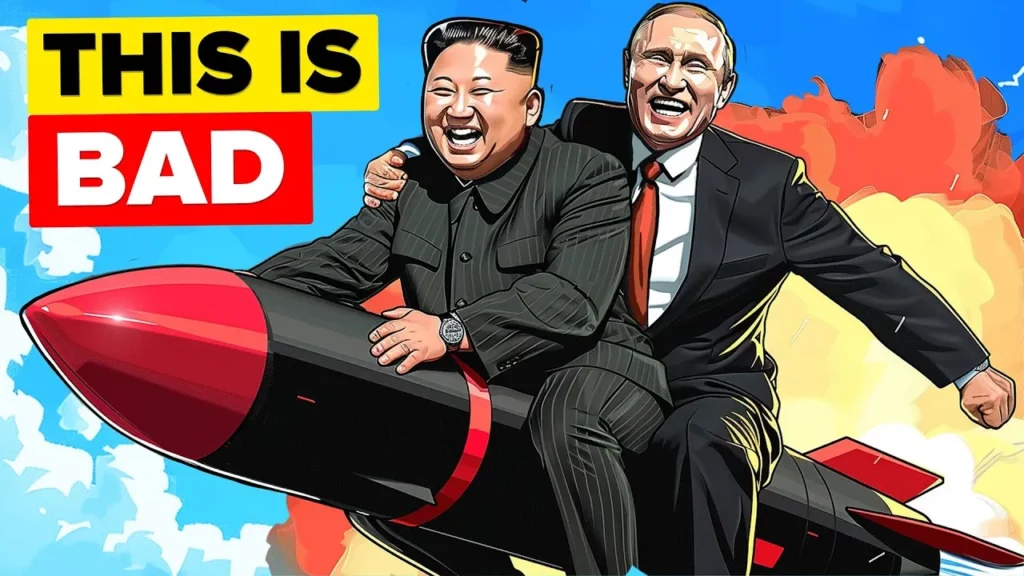
The lesson highlights the critical implications of the strengthening partnership between Russia and North Korea, marked by Vladimir Putin’s recent visit to the latter. This alliance, driven by military cooperation and strategic exchanges, poses significant concerns for regional stability and the balance of power in Asia, particularly affecting South Korea and altering historical dynamics with China. Overall, the evolving relationship between these two nations signals a pivotal shift in global politics that could have far-reaching consequences.
US Military’s New Defense Plan in the Pacific Has China TERRIFIED
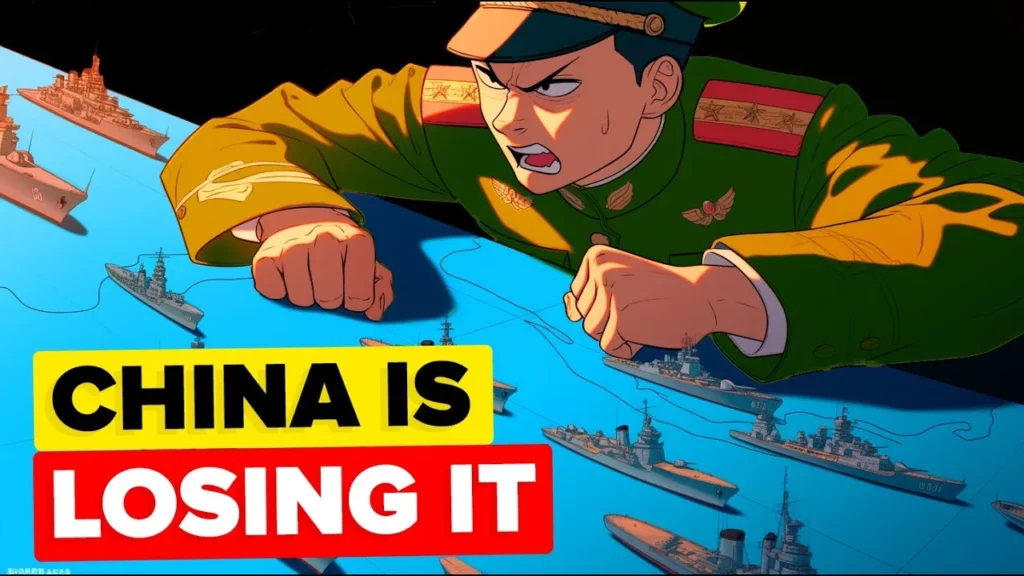
The lesson discusses the U.S. military’s evolving defense strategy in the Pacific amid rising tensions with China, particularly regarding the strategic significance of Tinian and Guam as military bases. It highlights the potential for conflict over Taiwan, emphasizing the need for U.S. preparedness and the importance of diplomacy to avoid war while maintaining stability in the region. The lesson underscores the critical role these territories play in countering China’s influence and the implications of Taiwan’s semiconductor industry on global supply chains.
China is Sinking: Why 45% of Urban Cities are in Danger
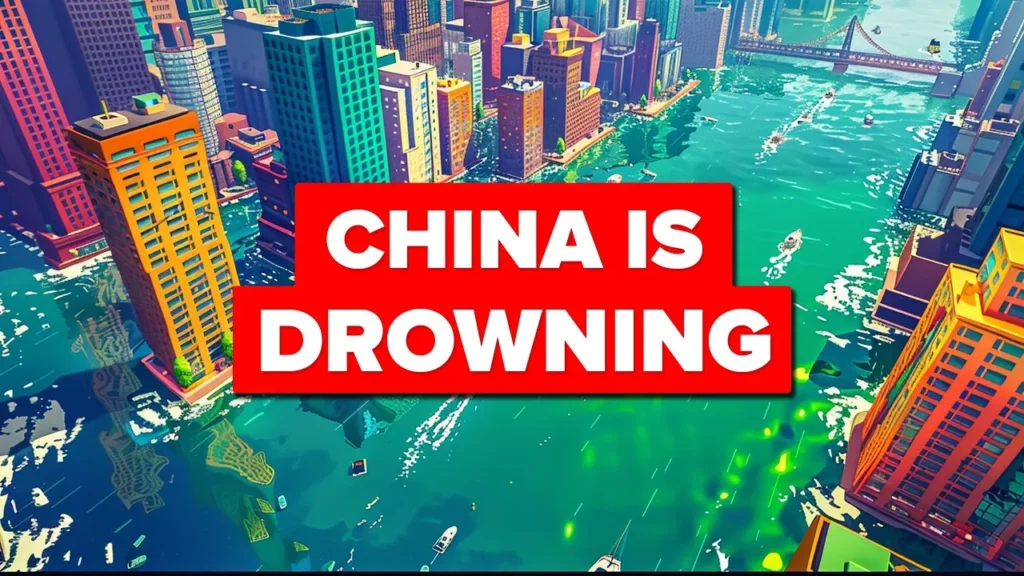
The lesson highlights the alarming issue of land subsidence affecting nearly 45% of urban cities in China, driven primarily by human activities such as excessive groundwater extraction and urban development. A recent study reveals that this phenomenon poses significant risks to millions of residents, with projections indicating that a substantial portion of coastal lands could be below sea level by 2120. To address this crisis, China must implement stricter regulations on groundwater use, invest in alternative water sources, and adopt responsible urban planning practices.