
What Actually Happened to the Mayan Civilization

The lesson explores the rise and fall of the Mayan civilization, which began around 1500 B.C. in Mesoamerica and developed advanced agricultural techniques, complex writing systems, and intricate calendars. While the civilization experienced a gradual decline due to factors such as overpopulation, drought, and warfare, the Mayan people did not vanish entirely; their descendants continue to inhabit the region today, preserving aspects of their rich cultural heritage despite facing modern challenges.
Why Russia is Sending Warships to US Doorstep
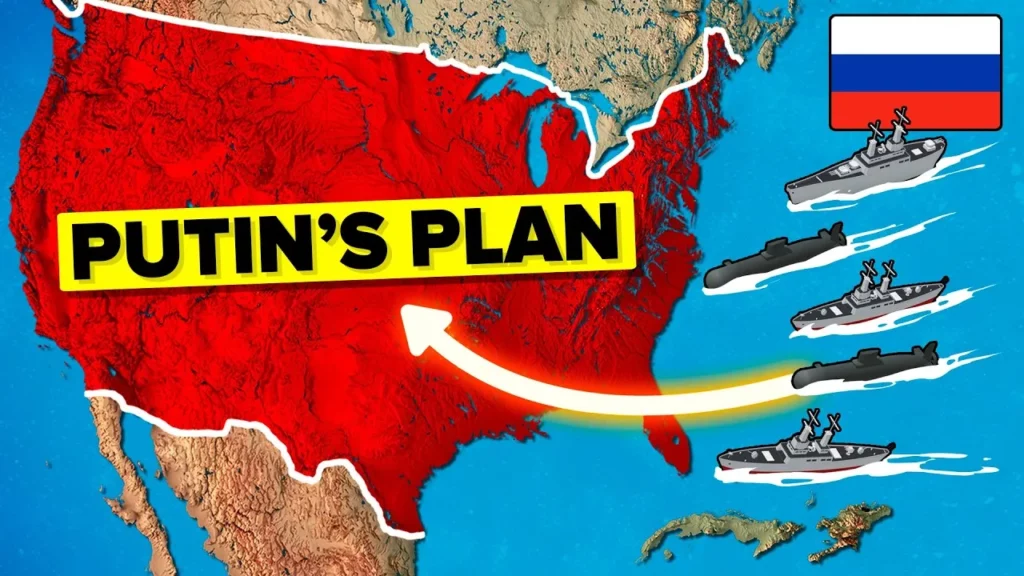
The lesson discusses Russia’s recent decision to send a fleet of warships to the Caribbean for military exercises, which is seen as a strategic message to the United States amid rising tensions related to the Ukraine conflict. While the U.S. claims that these warships do not pose a direct threat, the exercises, which include stops in Cuba and Venezuela, highlight the strengthening ties between Russia and these countries and could have significant geopolitical implications. The situation underscores the ongoing complexities of international relations and military posturing in the region.
Top 10 Next Gen Military Rifles in 2024

The lesson discusses the top ten next-generation military rifles of 2024, highlighting their features, capabilities, and the advancements in weapons technology amid rising global tensions. Each rifle, from the EF88 Austeyr to the M4, showcases unique attributes such as customization options, weight, and firing mechanisms, emphasizing their importance for infantry soldiers in critical situations. The overview reflects the ongoing evolution of military firearms to enhance reliability and effectiveness in modern warfare.
Why France is Being Forced into Conflict With Russia

The lesson outlines the escalating conflict between France and Russia, driven by a complex interplay of historical, political, and economic factors. France’s alignment with Western policies, particularly through its roles in the EU and NATO, contrasts sharply with Russian interests, leading to diplomatic tensions exacerbated by recent cybersecurity threats and military posturing. Understanding these dynamics is crucial for anticipating future developments in their relationship and the broader implications for global stability.
Day in a Life of an FBI Agent

The lesson on a day in the life of an FBI agent highlights the diverse and dynamic responsibilities that agents undertake, which range from routine tasks to unexpected challenges. Agents begin their day early, often incorporating physical fitness and training, followed by case work that involves investigations, evidence gathering, and court proceedings. The lesson also emphasizes the various specialized roles within the FBI, including counterintelligence and cybercrime, and the critical oversight provided by the FBI Director.
Why China’s Economy is Failing
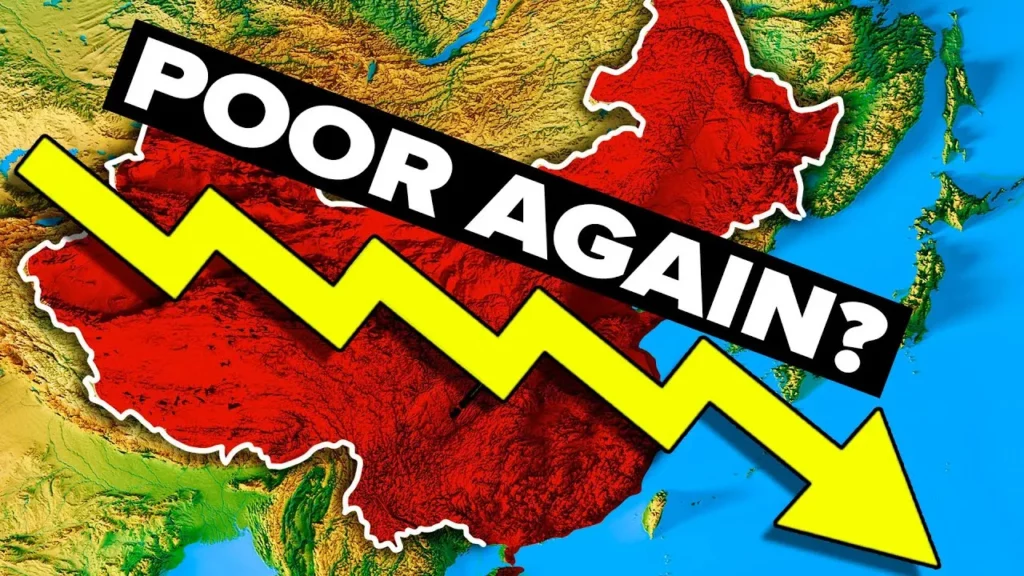
The lesson highlights the significant challenges facing China’s economy, largely attributed to President Xi Jinping’s centralized leadership style, which has led to concerns about economic instability and a lack of transparency. Despite a reported growth of 5.2% in 2023, issues such as a struggling property sector, declining foreign investment, and widening wealth inequality suggest a complex and precarious economic landscape. The establishment of the National Financial Regulatory Administration and recent regulations have further complicated the situation, raising questions about the effectiveness of Xi’s strategies in addressing these challenges.
What If 8 Billion People Disappeared Overnight

The lesson explores the hypothetical scenario of 99.9% of the world’s population disappearing overnight, examining historical and artistic interpretations of similar themes, as well as potential causes such as pandemics, nuclear war, and environmental disasters. It emphasizes the immense challenges that the remaining survivors would face in rebuilding society, including securing resources, maintaining infrastructure, and ensuring genetic diversity for future generations. Ultimately, the lesson underscores the importance of preparedness and resilience in the face of potential catastrophic events.
Why China is Terrified of US New Manta Ray Submarine
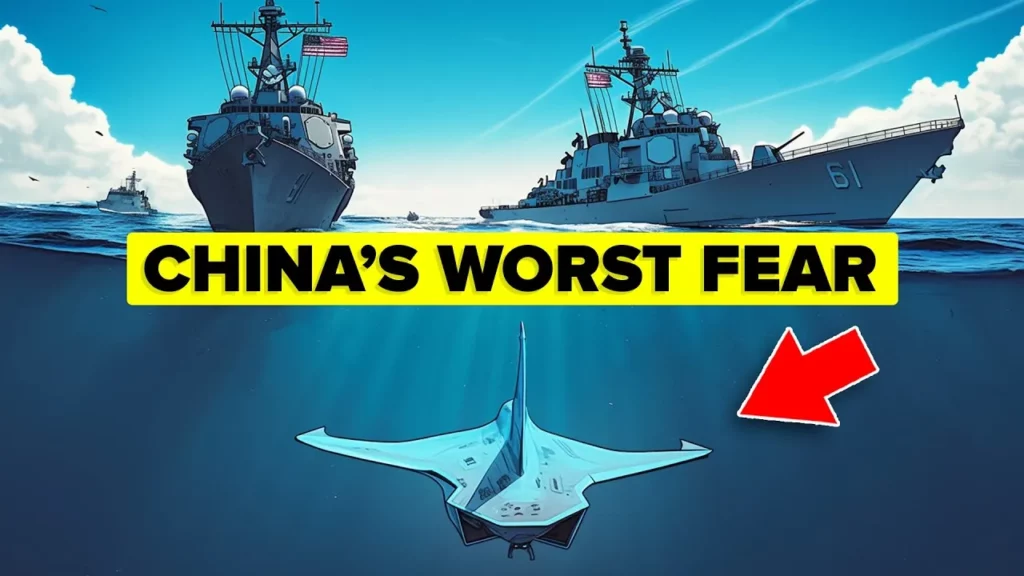
The lesson discusses the development and strategic significance of the Manta Ray, an advanced American underwater drone designed to detect and track Chinese submarines. Utilizing stealth technology and artificial intelligence, the Manta Ray operates autonomously and is part of the US Navy’s broader Ghost Fleet initiative to enhance anti-submarine warfare capabilities amid rising tensions in the Pacific. This innovative technology aims to counter China’s naval assertiveness while addressing challenges in underwater communication and operational autonomy.
Real Reason North Korea Won’t Let its People Leave
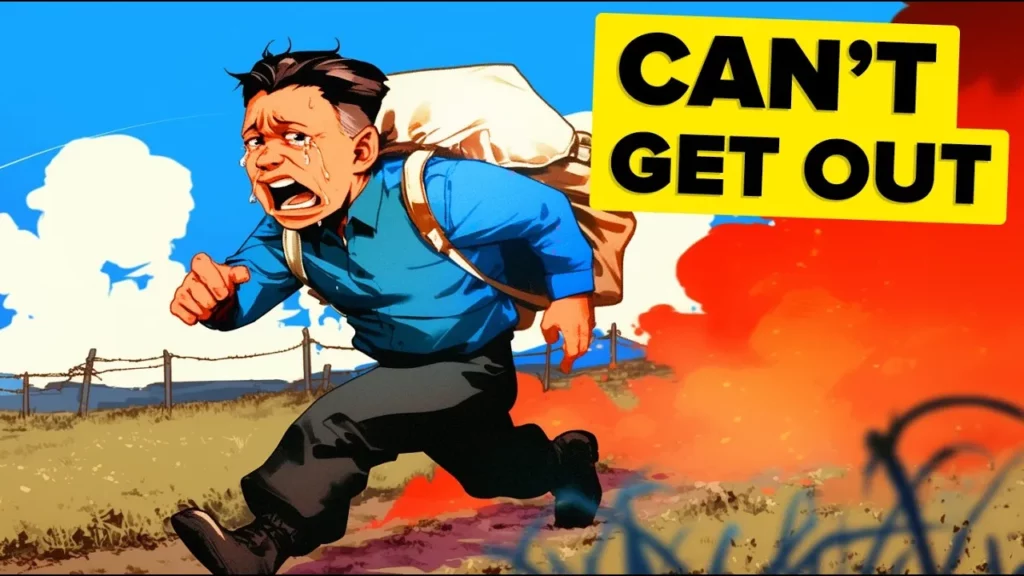
The lesson explores the declining number of North Korean defectors, highlighting the challenges they face in escaping the oppressive regime, particularly during the COVID-19 pandemic. It recounts the daring escape of Mr. Kim and his family, who navigated dangerous conditions to seek freedom, illustrating the resilience and determination of those striving for a better life despite increasing risks and tightening borders. Ultimately, the lesson emphasizes the ongoing struggle for freedom among North Koreans and the hope that persists through their stories.
How Hitler Fueled the Nazi Army With Meth
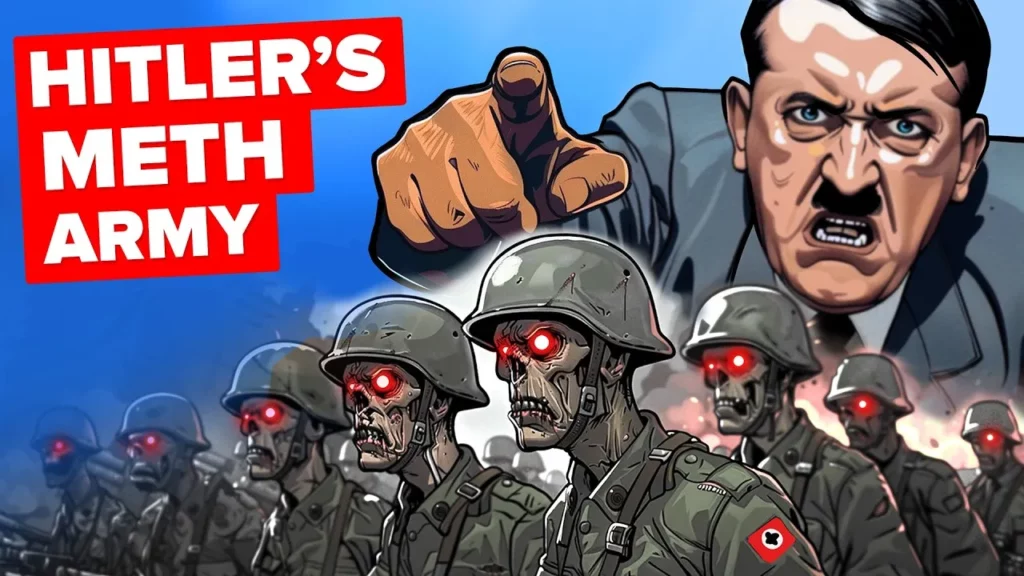
The lesson explores the controversial use of methamphetamine, marketed as Pervitin, by the Nazi army during World War II to enhance soldier performance. While it initially provided benefits such as increased alertness and endurance, the drug ultimately led to severe side effects, addiction, and detrimental impacts on soldiers’ health and military effectiveness. This historical case serves as a cautionary tale about the ethical implications and human costs associated with performance-enhancing substances in warfare.