
Can We Forage All Our Calories From The Wild?
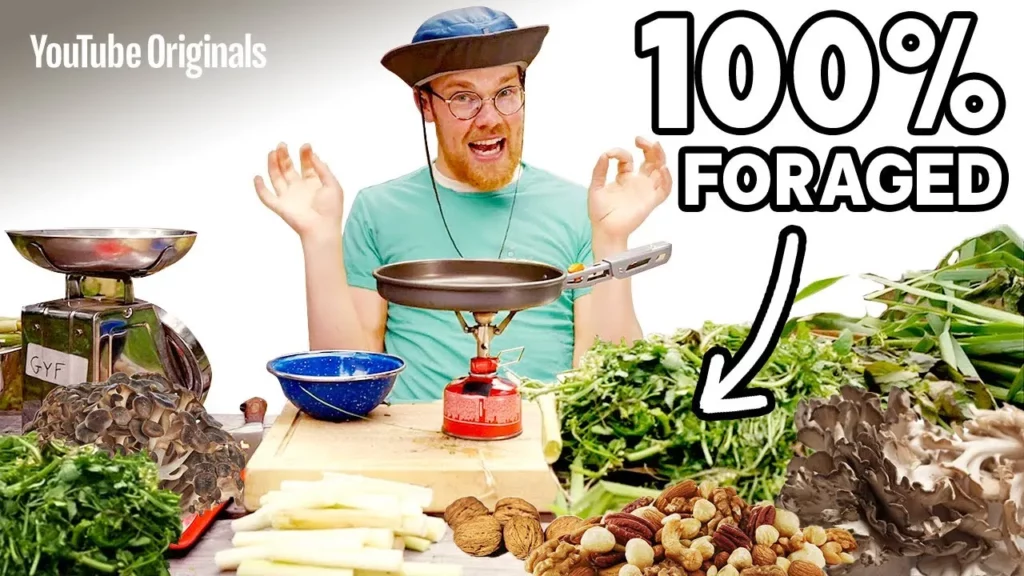
In their adventure to forage for food in the wild, Mitch and Greg learned valuable lessons about sustainability and self-sufficiency. With guidance from an indigenous chef, they discovered various edible plants and explored innovative methods like aquaponics to grow food sustainably. Their experience highlighted the importance of understanding food sources and the environmental impact of our food systems, encouraging a shift towards more sustainable practices.
This Zero-Waste Gift Should Be Everywhere (The Great Gift Exchange!)

In this lesson, participants engaged in YouTube’s Great Gift Exchange, where they donated to charities meaningful to their chosen recipients instead of giving traditional gifts. They focused on creating a thoughtful gift for Molly Burke, a blind creator, by incorporating elements that appealed to her other senses and wrapping it using eco-friendly techniques like furoshiki and seed-embedded paper. The experience emphasized the importance of mindful giving and the impact of thoughtful gestures over material gifts.
Why Are Some People SO Horny?
The lesson explores the complexities of sexual arousal, highlighting that a significant percentage of individuals struggle with managing their sexual urges, particularly in the context of today’s stimulating environment. It outlines the stages of arousal, including neuronal processing, incentive motivation, genital response, and resolution, while emphasizing the roles of hormones like testosterone, estrogen, norepinephrine, and dopamine in influencing arousal levels. Additionally, the lesson discusses the impact of constant exposure to sexual stimuli, which may lead to conditions like hypersexuality, and underscores the importance of understanding the interplay between brain function, hormonal influences, and external factors in shaping sexual desire.
The REAL Vaccine Timeline | Coronavirus
The lesson outlines the anticipated timeline and challenges associated with the COVID-19 vaccine rollout, emphasizing the importance of safety and equitable distribution. It highlights the logistical hurdles in vaccine production and distribution, the rigorous testing phases, and the ethical concerns surrounding access, particularly for disadvantaged populations. As global efforts continue to ensure fair vaccine distribution, understanding these dynamics is crucial for navigating the ongoing pandemic.
We Need To Talk About Diversity in Science

The lesson emphasizes the critical need for diversity in science, particularly in science communication on platforms like YouTube, where representation is lacking. It highlights the historical biases in STEM fields, the importance of diverse perspectives in enhancing scientific discourse, and the necessity for active anti-racism efforts within academic and professional environments. By amplifying diverse voices and holding institutions accountable, the science community can foster a more inclusive and equitable landscape for future generations.
How Will You Die?
The lesson “How Will You Die?” explores the evolution of life expectancy and the various causes of death, highlighting the stark differences between historical and contemporary statistics. It discusses both common and unusual causes of death, emphasizing how media perceptions can skew our understanding of risks. Additionally, the lesson touches on advancements in predicting death and the implications of knowing one’s mortality, prompting reflection on personal attitudes toward death and dying.
The ONLY anti-aging cream that works! – according to science
This lesson emphasizes the importance of understanding skin anatomy and the science behind effective skincare products. It highlights that while many products make bold claims, only retinol has proven anti-aging benefits, and topical collagen applications are ineffective due to molecule size. The lesson encourages choosing moisturizers with humectants like glycerin and underscores the necessity of sun protection to maintain skin health.
Is Masturbation Good For You?
The lesson discusses the benefits of masturbation, highlighting its positive effects on both physical and mental health. It explains how self-exploration can reduce stress, enhance sexual performance, and potentially lower the risk of certain health issues, such as prostate cancer in men. Ultimately, the lesson encourages individuals to embrace self-exploration as a safe and healthy practice.
What Is The Most Dangerous Sport In The World?
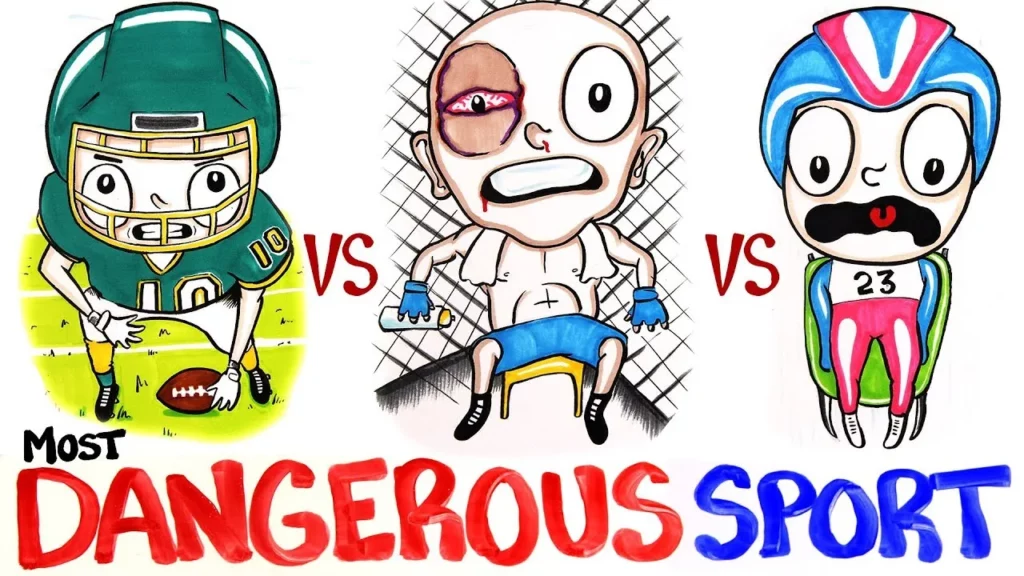
The lesson explores the dangers associated with various sports, highlighting injury statistics and fatalities to determine the most dangerous sport. While sports like football and soccer contribute significantly to injuries, boxing emerges as the most hazardous due to the severity of injuries sustained, particularly brain injuries like chronic traumatic encephalopathy (CTE). The lesson concludes that the intense force of punches in boxing, which can exceed 1,100 pounds, underscores its status as the most dangerous sport in the world.
We're Going Completely Off-Grid – Official Trailer
In the lesson “We’re Going Completely Off-Grid,” Mitch and Greg embark on a journey to live sustainably by disconnecting from public utilities and finding innovative ways to generate their own power and collect water, including using urine to charge devices. Their mission is to inspire others to take action against climate change as part of the “Unf**k It Month” movement, showcasing how science can facilitate a more self-reliant lifestyle. The series “Shut It Off ASAP,” which begins streaming on October 26th on YouTube, aims to educate viewers on sustainable living practices.