
The Truth About Vaccines
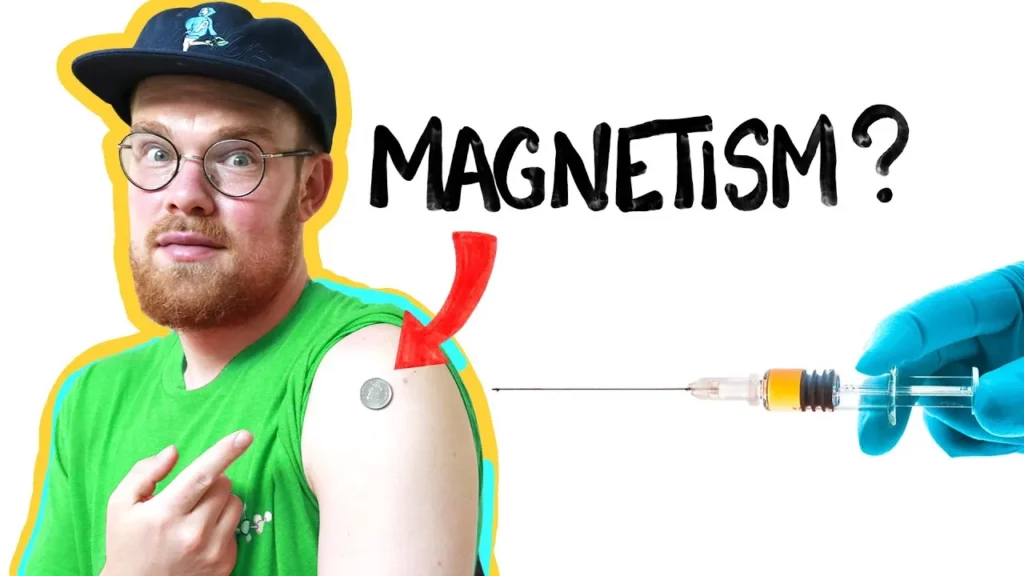
The lesson discusses the common fear of needles and vaccinations, highlighting that this anxiety is rooted in our evolutionary history and is exacerbated by misinformation, such as the myth of “magnetic arms” after receiving the COVID vaccine. It emphasizes that vaccines do not contain magnetic materials and that the phenomenon of coins sticking to the skin is due to moisture and surface tension, not magnetism. The lesson encourages understanding and addressing needle fear to promote vaccination, noting that such fears are normal and can be managed through awareness and education.
How Much Pain Can You Handle? (The LAB)
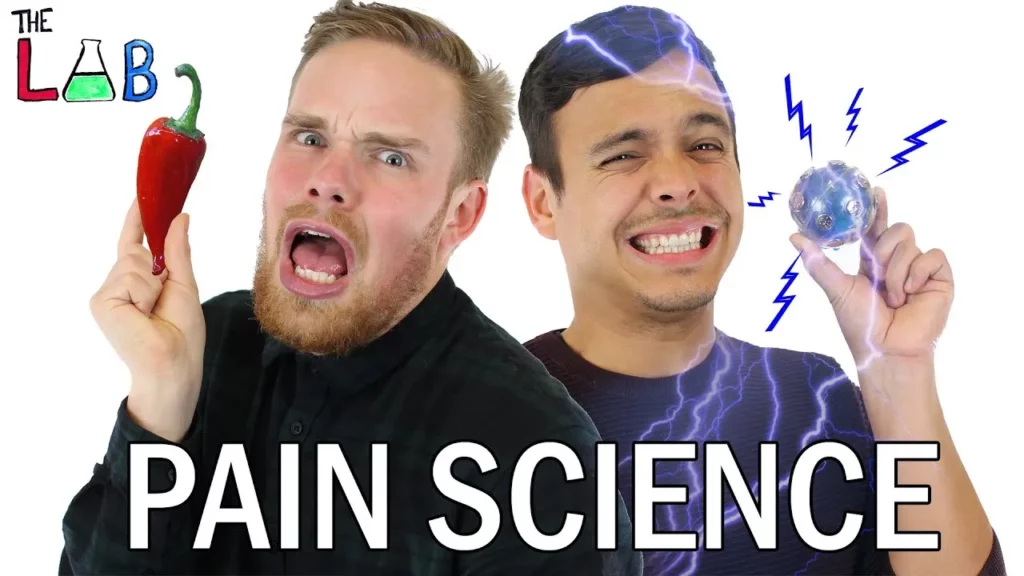
In the first episode of “The Lab,” Asap Science hosts Mitch and Greg explore the science of pain through engaging challenges, including eating spicy peppers, enduring ice water, and experiencing electric shocks. They discuss how spicy foods activate pain receptors, the pain-relieving effects of milk, the role of swearing in pain tolerance, and the psychological impact of pain anticipation. The episode also highlights recent scientific findings on multitasking and gut health, encouraging viewers to submit their own questions for future experiments.
Why you get “morning wood”

The lesson explains that “morning wood” is a natural occurrence linked to the sleep cycle, specifically during REM sleep when norepinephrine, a chemical that constricts blood vessels, is temporarily turned off. This relaxation of blood vessels allows for increased blood flow, leading to engorgement, which happens multiple times throughout the night and is most noticeable upon waking from REM sleep in the morning. Overall, it highlights that this phenomenon is a normal sign of healthy bodily function during sleep.
What Does Your Search History Say About You?
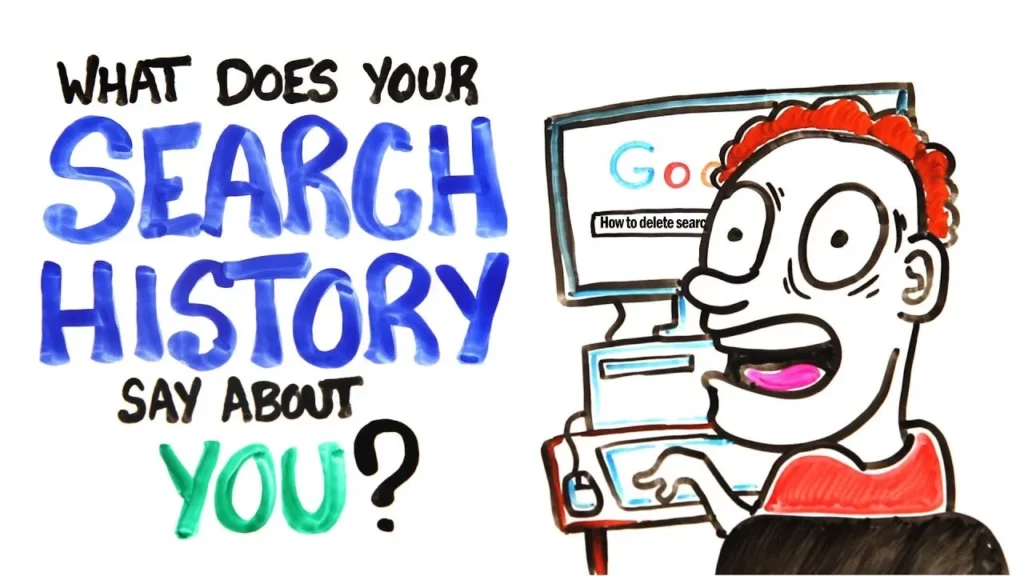
The lesson explores how online search histories can provide insights into human desires, insecurities, and societal trends. It highlights that searches related to intimate relationships often reveal more about personal challenges and societal perceptions, particularly regarding physical insecurities and social issues like racism and LGBTQ+ rights. Ultimately, the lesson encourages reflection on how our online behaviors may not only reflect individual experiences but also broader societal attitudes.
Why Sniffing Drugs Changes Your Butthole
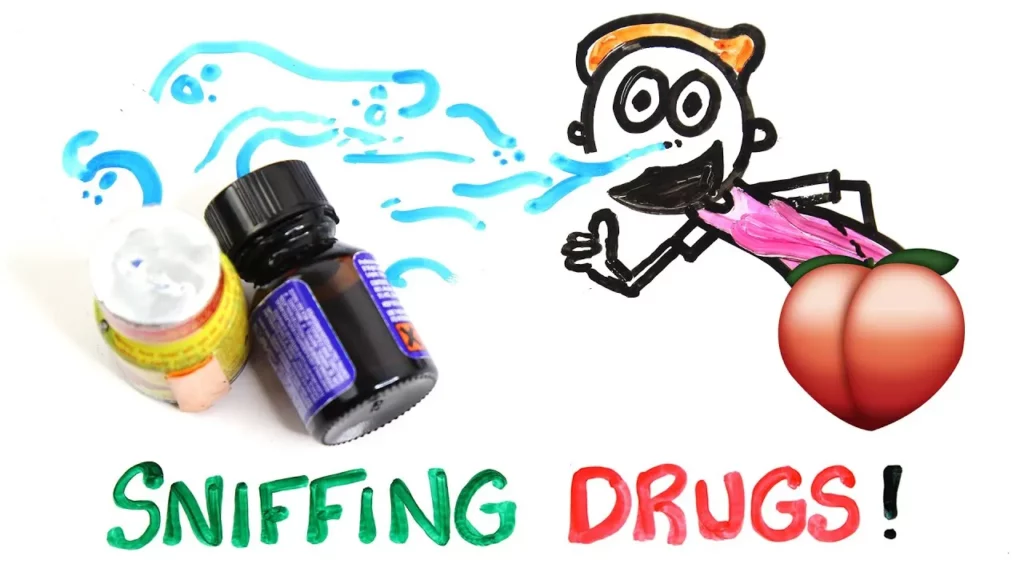
The lesson explores the effects of poppers, a type of inhalant primarily containing isobutyl nitrite, on the body, highlighting their rapid onset of effects, which include vasodilation and a euphoric high. While poppers are popular among various groups, particularly within the gay community, their use poses potential health risks, including low blood pressure and impaired oxygen transport in the blood. The lesson emphasizes the need for further research on the long-term effects of poppers and advocates for regulation and open discussions regarding their use in sexual health contexts.
The Man Who Froze To Death and Came Back To Life
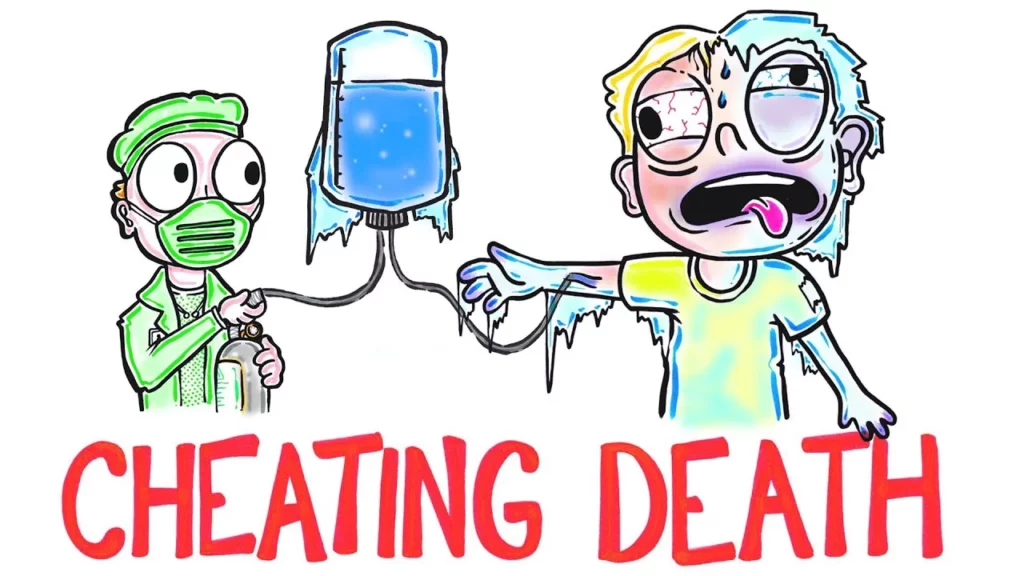
The lesson discusses the remarkable case of Justin Smith, who survived after being exposed to freezing temperatures for nearly 12 hours, highlighting the body’s potential to endure extreme cold and the advancements in medical techniques that facilitate recovery from hypothermia. It explores the science behind cold exposure, including its potential benefits and risks, as well as genetic adaptations that help some individuals better tolerate cold environments. Ultimately, the lesson emphasizes the dual nature of cold exposure—while prolonged exposure can be dangerous, short-term exposure may offer health benefits and insights for medical applications.
Is Yoga Actually Good For You? | SciSKETCH

In this lesson, we explored the science behind yoga and its various effects on health, including metabolism, mood, and overall well-being. While some studies suggest that yoga may decrease metabolism, it is associated with reduced body fat and improved mood through increased neurotransmitters. However, it’s essential to practice yoga safely to avoid injuries, as it can lead to significant health benefits, such as increased bone density and positive changes in gene expression.
When Will COVID End?
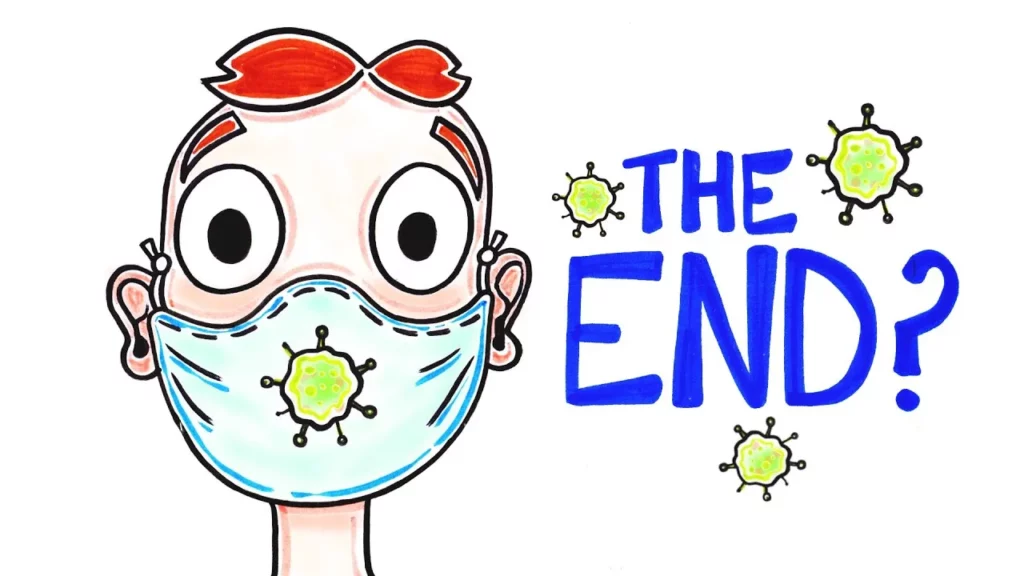
The lesson explores the uncertain timeline for the end of the COVID-19 pandemic, drawing parallels with historical pandemics like the Spanish Flu and examining the nature of SARS-CoV-2. It discusses potential futures for the virus, emphasizing the importance of vaccination in building immunity and preventing further mutations, while outlining various scenarios for how COVID-19 may evolve. Ultimately, the conclusion highlights that while COVID-19 may not completely disappear, global vaccination efforts are crucial for managing its impact and transitioning it to a more endemic state.
The Coronavirus Vaccine Explained | COVID-19
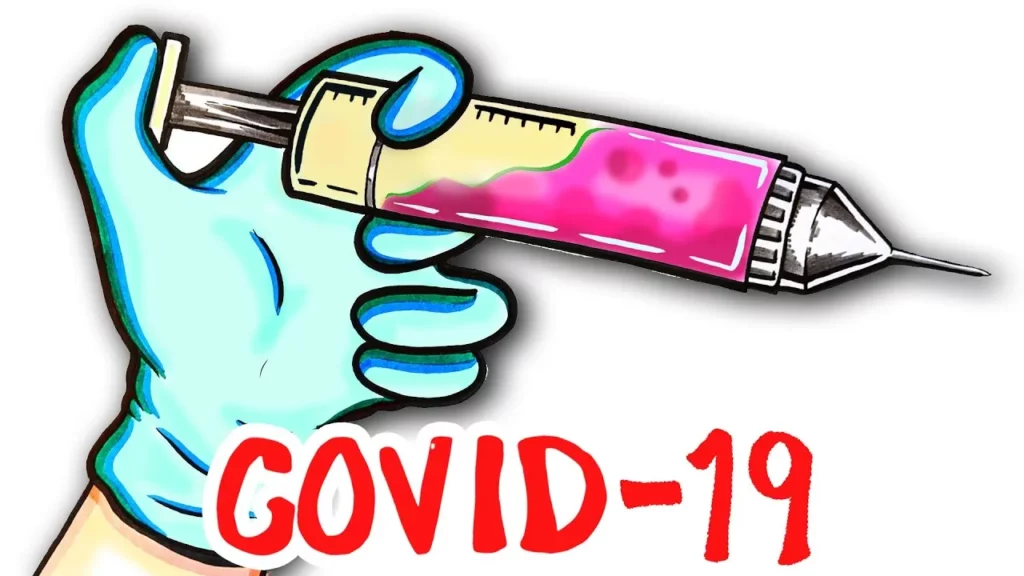
The lesson explains the development and functioning of vaccines, particularly in the context of the COVID-19 pandemic. It outlines how vaccines train the immune system to recognize and combat viruses, discusses various types of vaccines, and highlights the current progress in vaccine research, including the promising mRNA-1273 vaccine. The lesson emphasizes the importance of ongoing research and public health measures while setting realistic expectations for vaccine availability amidst the pandemic.
What If You Stopped Masturbating?
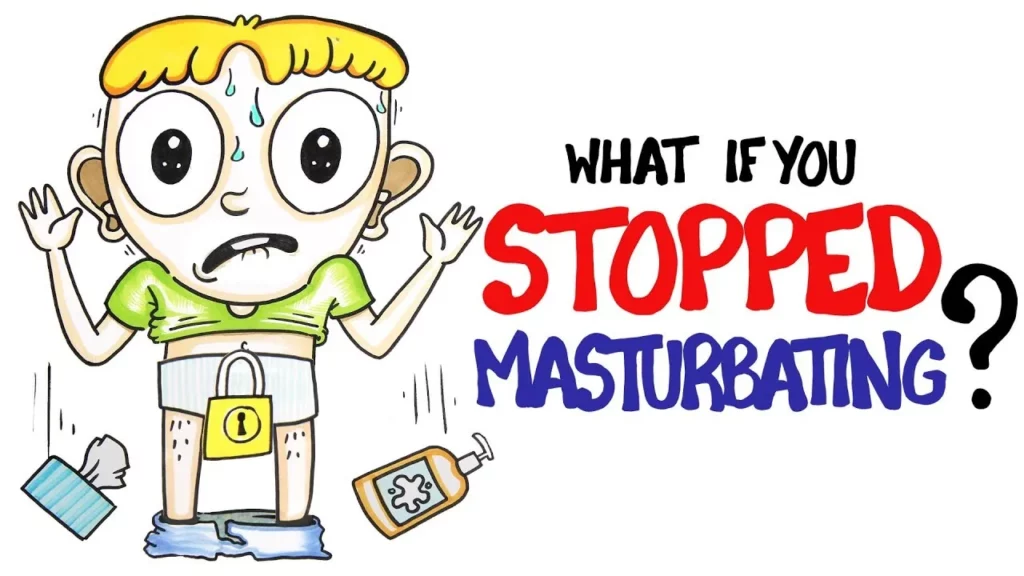
The lesson explores the effects of stopping masturbation, highlighting that while some studies suggest temporary increases in testosterone levels after abstinence, these levels normalize quickly, and other factors like diet and exercise may play a more significant role. It also discusses the potential impacts on sexual performance, sperm quality, and mental health, noting that while some individuals may experience benefits from reducing or stopping masturbation, moderation is generally considered a healthy practice with various health benefits. Ultimately, the lesson emphasizes the importance of personal choice and finding a balance that works for each individual.