
What Happens When You Quit Porn?
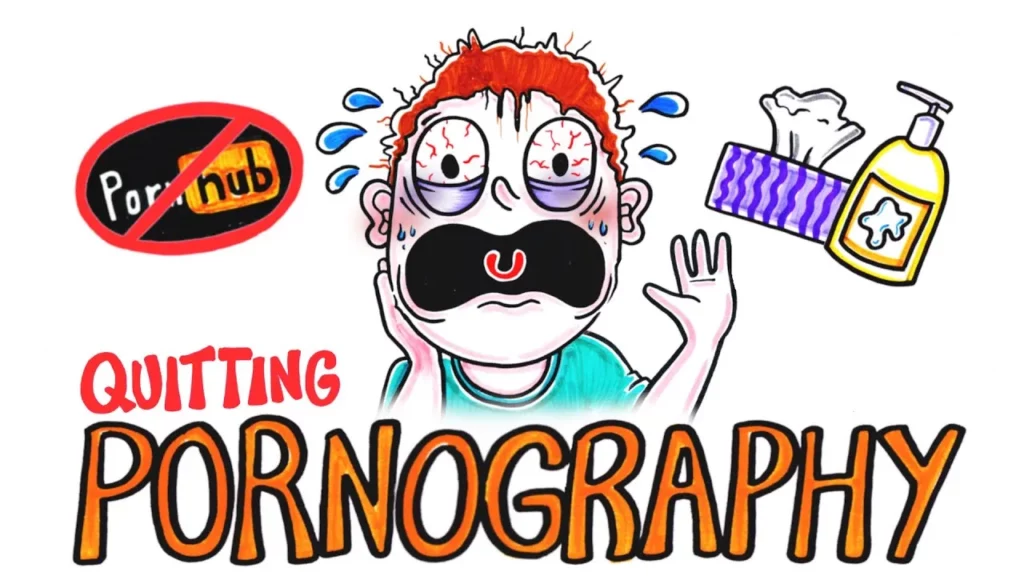
The lesson explores the significant impact of quitting adult content, highlighting the challenges individuals face during the process and the physiological and psychological effects of consumption. It discusses how problematic use can alter brain function, particularly through changes in dopamine levels, leading to increased anxiety and cravings. Ultimately, the lesson emphasizes the long-term benefits of abstaining, such as improved concentration and mental clarity, while encouraging open discussions about the topic to promote awareness and sexual health.
We Drank Alcohol For 12 Hours And It Changed Our Faces
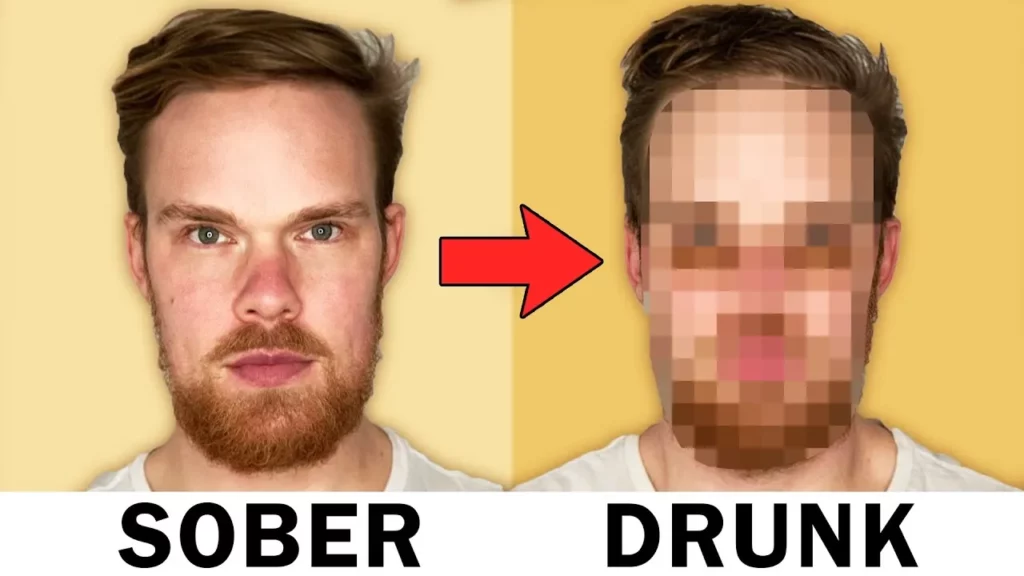
The lesson explores the effects of alcohol on physical appearance through a structured experiment conducted during quarantine. Participants consumed one alcoholic beverage each hour for 12 hours, documenting changes in their appearance with photos taken throughout the day and the following morning. The findings revealed significant alterations, such as facial redness and puffiness, highlighting the immediate and lasting impacts of alcohol consumption on one’s appearance.
Only 12% of People Can See This!
The lesson explores the science of color perception, explaining how our eyes detect light wavelengths and how this process can lead to the phenomenon of color change when staring at an image. It highlights the role of photoreceptor cells, particularly cone cells, in interpreting colors and discusses the differences in color vision among individuals, including the unique capabilities of some women. Additionally, the lesson emphasizes the importance of understanding color in appreciating nature and its applications in design.
The War on Science
The lesson “The War on Science” emphasizes the pervasive role of science in our lives and its historical significance in driving progress, from the Enlightenment to modern technological advancements. It highlights the ongoing conflict between scientific evidence and societal beliefs, illustrating how historical resistance to scientific ideas has led to societal decline. The lesson calls for increased support and advocacy for science, urging individuals to recognize its importance in informed decision-making and to hold governments accountable for funding and promoting scientific research.
Can Your Testicles Taste? (TikTok Trend)

In this lesson, we explored the viral TikTok trend claiming that testicles can taste, particularly soy sauce. Through scientific investigation, it was revealed that while taste molecules are present in sperm, they do not function as taste buds on the testicles, and the outer skin lacks the ability to taste. Ultimately, the idea is more myth than reality, emphasizing the importance of distinguishing fact from fiction in trending topics.
Why Are You Single?
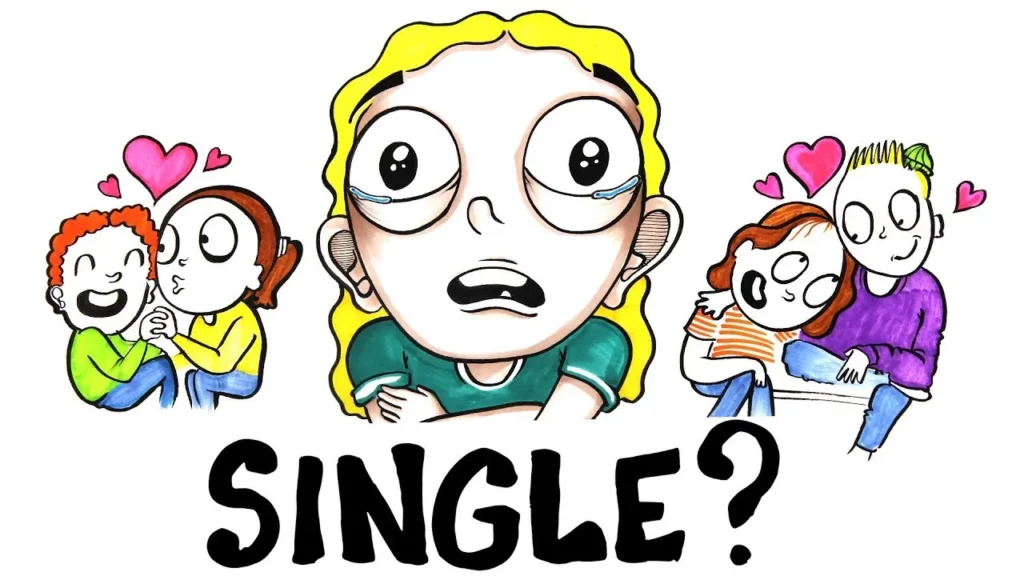
The lesson “Why Are You Single?” explores the various factors influencing relationship status, including attachment styles shaped by early parental interactions and genetic influences related to serotonin receptors. It emphasizes that being single can be a fulfilling choice, as individuals may form strong connections outside of romantic relationships and that rushing into partnerships can lead to low-quality relationships that harm emotional well-being. Ultimately, the lesson advocates for understanding these influences to make informed decisions about personal happiness and growth.
This Is Why New Year's SUCKS!
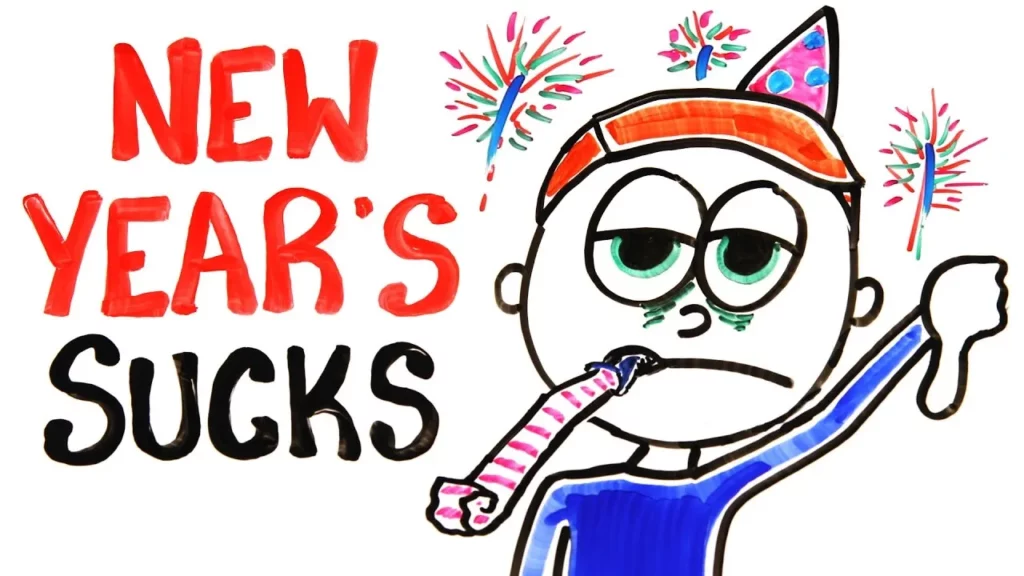
The lesson discusses why New Year’s Eve celebrations often fall short of expectations, highlighting factors such as unrealistic anticipations, the pressure to have fun, and the influence of alcohol. It explains how our brains can create high expectations and how trying too hard to enjoy the night can lead to disappointment. Ultimately, it encourages a more relaxed approach to the celebration, reminding us that the night does not define the year ahead.
Why some foods make your mouth itchy
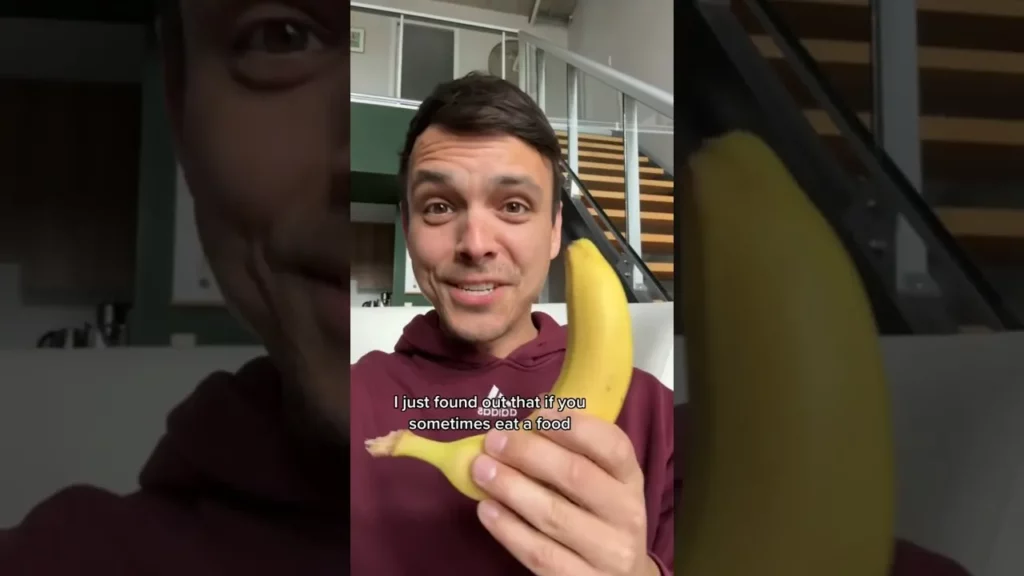
This lesson explains that an itchy or tingly mouth after eating certain foods may be linked to seasonal allergies, particularly when the proteins in those foods resemble pollen proteins. For individuals with pollen allergies, specific foods can trigger reactions depending on the time of year, but cooking these foods can often reduce or eliminate the symptoms. Understanding this connection can help manage allergy-related reactions and improve meal enjoyment.
Heating A Bathtub With A Pile Of S#*t
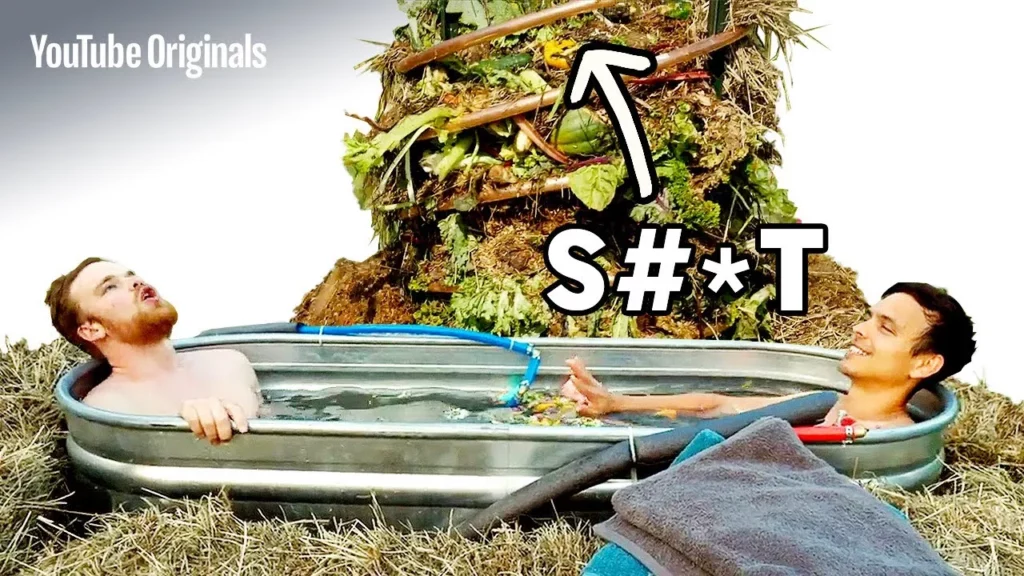
This lesson explores the innovative use of composting to heat a hot tub and create a solar composting toilet that transforms waste into valuable compost. By understanding the composting process and its benefits, such as reducing landfill waste and improving soil health, we learn how organic materials can be repurposed effectively, demonstrating that waste can be a resource rather than a burden. Ultimately, the project highlights the importance of sustainable practices in managing waste and harnessing its potential.
What If The Sun Disappeared For One Month?
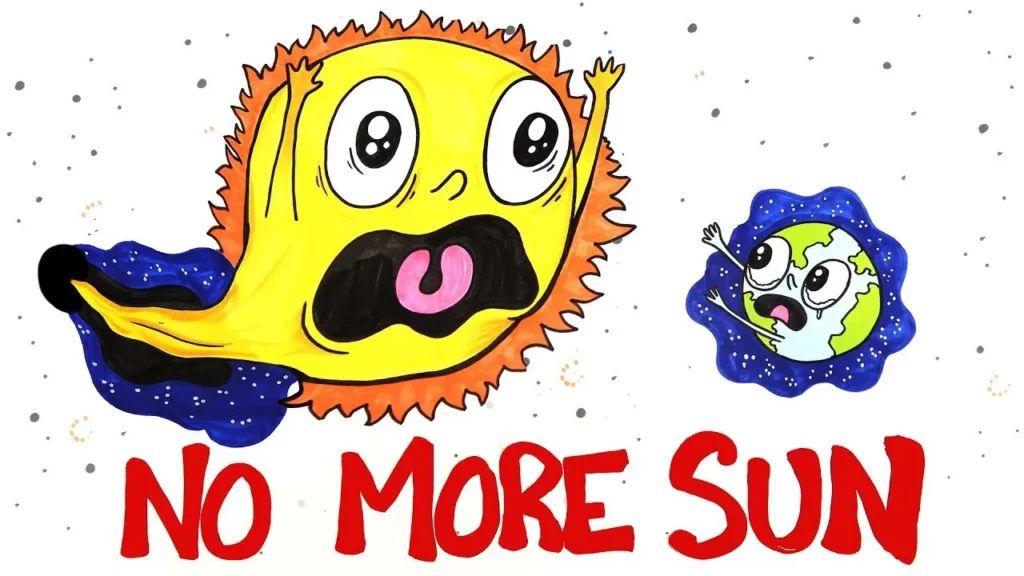
The lesson explores the hypothetical scenario of the Sun disappearing for a month, highlighting its critical role in providing light, warmth, and sustaining life on Earth. Without the Sun, temperatures would plummet, photosynthesis would cease, and survival would depend on innovative solutions like artificial light and alternative energy sources. This thought experiment not only emphasizes the Sun’s importance but also inspires creative problem-solving and innovation, encouraging young minds to think about how they can contribute to solving global challenges.