
This Is The Milk You Should Be Drinking

The lesson discusses the environmental impact of various milk alternatives compared to traditional dairy milk, highlighting the growing popularity of options like soy, almond, oat, and coconut milk. It emphasizes that while dairy milk has a significantly higher carbon footprint and resource use, oat milk emerges as the most eco-friendly choice due to its low water and land requirements and minimal emissions. The lesson encourages consumers to consider the environmental implications of their milk choices and suggests exploring different alternatives based on personal preferences and sustainability.
This Is Why The Holidays Can Suck!

The lesson highlights the various challenges that can arise during the holiday season, including environmental waste, health concerns, mental health issues, and financial stress. It emphasizes the importance of being mindful of these challenges while still aiming to enjoy the holidays by focusing on spending quality time with loved ones and creating joyful memories. Understanding these issues can help individuals navigate the festive season more effectively.
The 11 Greatest Threats To Humanity
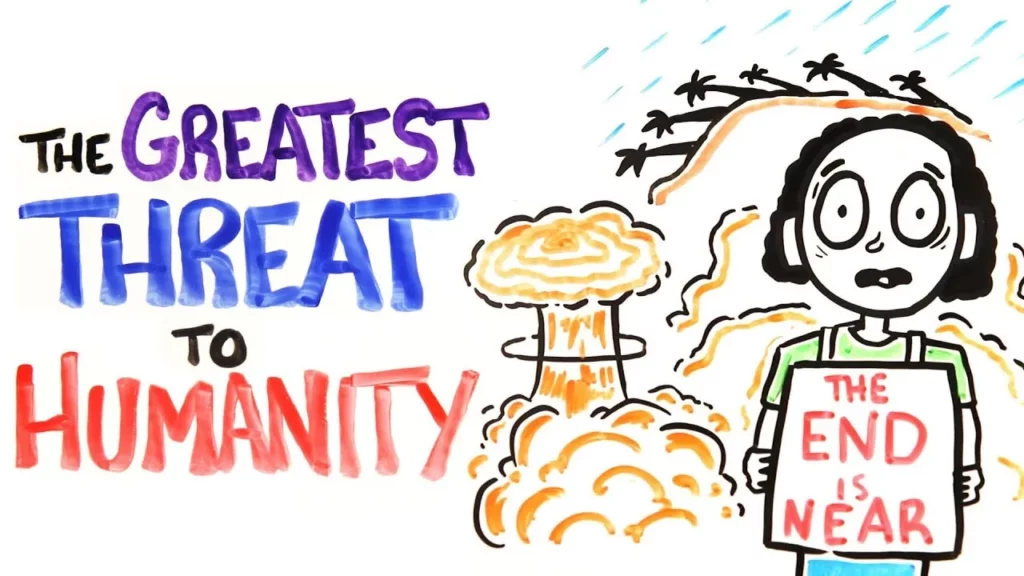
The lesson discusses the 11 greatest threats to humanity, categorizing them into cosmic, geological, human-induced, nuclear, and technological risks. It highlights immediate concerns such as asteroid impacts, supervolcano eruptions, climate change, and nuclear conflict, while also addressing long-term threats like cosmic events and the potential dangers of artificial intelligence. The importance of monitoring and proactive measures to mitigate these risks is emphasized, encouraging awareness and preparedness for future challenges.
How To Live To 100
The lesson “How To Live To 100” outlines various lifestyle changes and habits that can increase the likelihood of reaching the age of 100. Key recommendations include adopting healthy eating habits, engaging in regular physical activity, maintaining strong social connections, and managing stress through sleep and realistic expectations. Additionally, factors such as location, career satisfaction, and even family dynamics play a significant role in longevity, emphasizing that it’s never too late to start making healthier choices.
Our DNA Test Results! | The LAB
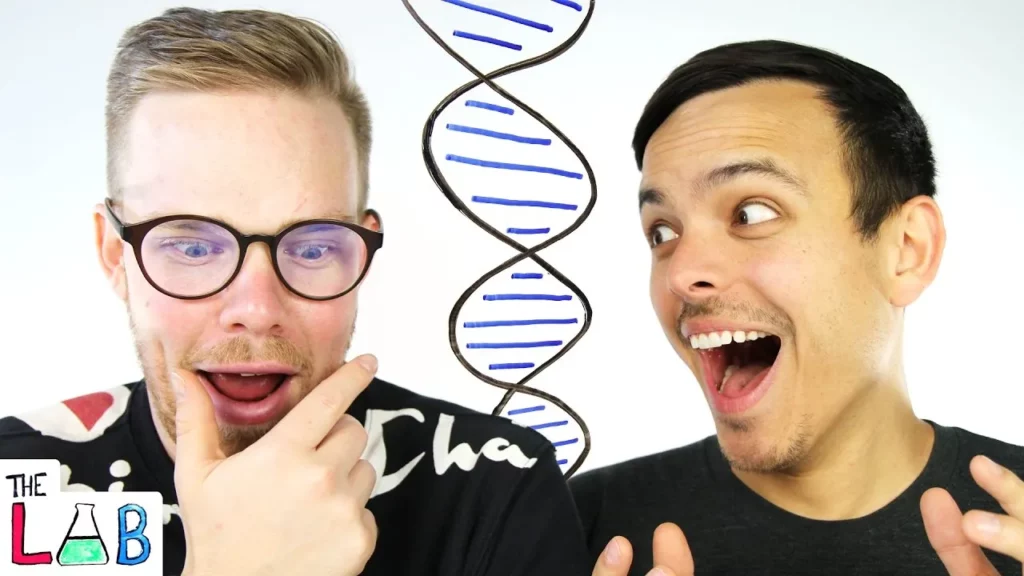
In this lesson, we explored the fascinating world of DNA testing through 23andMe, which analyzes our genetic makeup to reveal insights about our ancestry, health, and physical traits. By examining saliva samples, participants discovered diverse backgrounds and unique genetic traits, highlighting the richness of their heritage and the excitement of embracing their mixed identities. This journey encourages individuals to learn more about themselves and their family’s history, fostering a deeper connection to their roots.
How Do Wildfires Affect Animals?
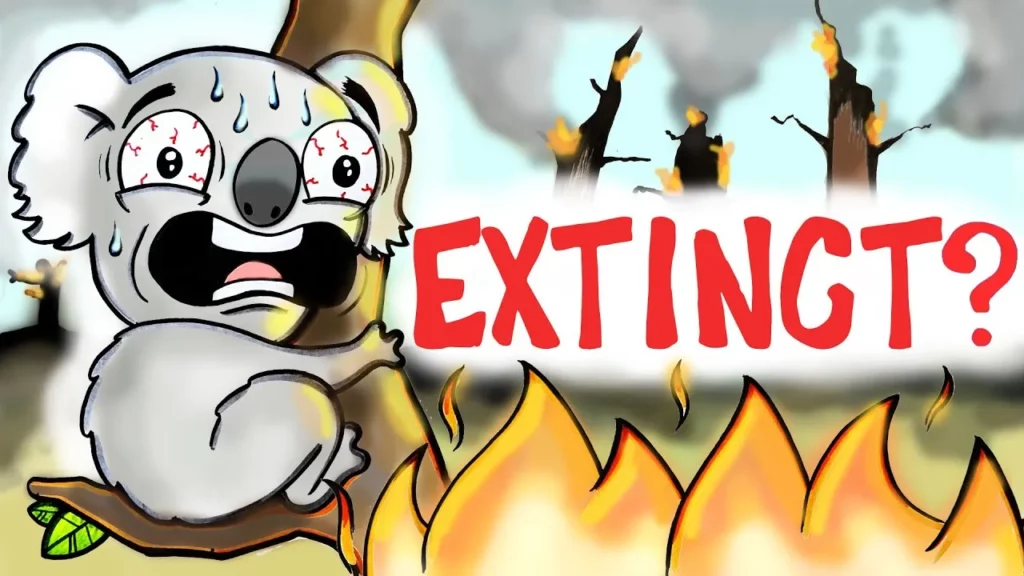
The lesson discusses the profound impact of wildfires in Australia, particularly on animals and the environment, highlighting the severe health risks posed by smoke, the changing nature of fire seasons due to climate change, and the devastating loss of wildlife, including an estimated 500 million animals. It also addresses the global consequences of these fires, such as significant carbon emissions and potential alterations to weather patterns, alongside the psychological effects on affected communities. The lesson emphasizes the importance of awareness and support for relief efforts as Australia faces ongoing fire challenges.
YOUR BODY IS AMAZING ft. Christine Sydelko
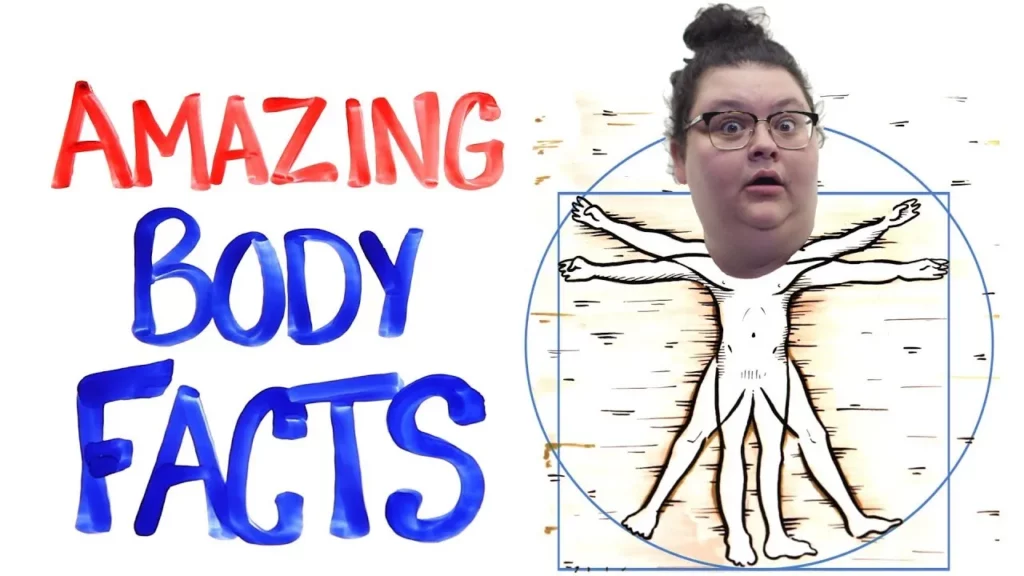
The lesson “Your Body is Amazing” highlights the incredible complexity and functionality of the human body, emphasizing that it consists of trillions of cells, with only about 200 different types. It explores fascinating concepts such as the development of the digestive tract in embryos, the unnoticed presence of gas in the digestive system, the brain’s ability to filter sensory information from the nose, and the intriguing phenomenon of fetal maternal microchimerism during pregnancy. Overall, the lesson encourages appreciation for the remarkable processes occurring within our bodies every day.
This Will Kill Your Brain Cells!
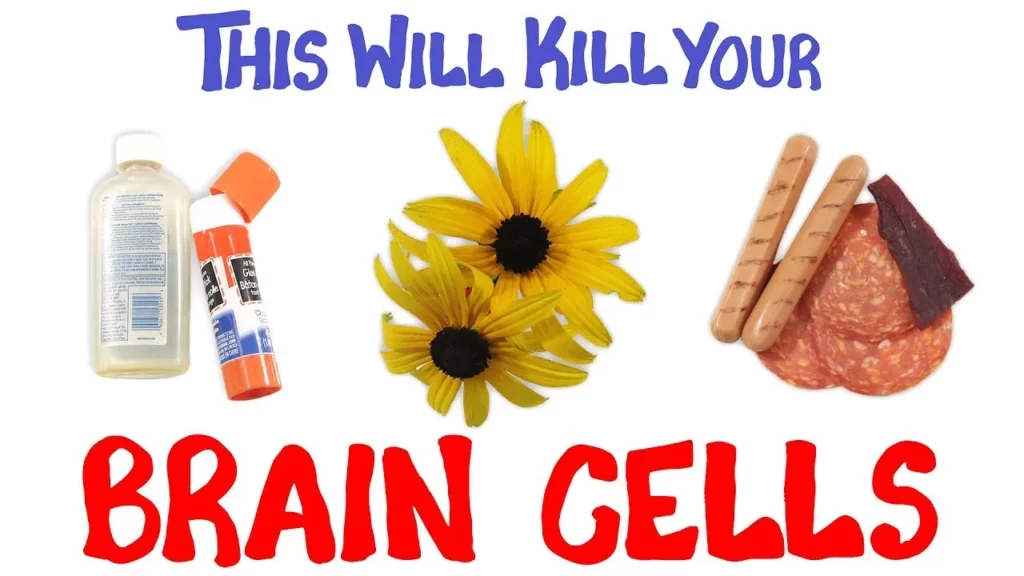
The lesson discusses the brain’s capacity for regeneration and the various factors that can harm brain cells, including physical trauma, sleep deprivation, long-term stress, and substance use. While the brain can produce new neurons in specific areas, significant cell loss can have irreversible effects, leading to mental health issues and cognitive decline. Additionally, natural aging processes result in gradual brain shrinkage, which can be a normal part of life rather than a sign of dysfunction.
Amazing Facts to Blow Your Mind Pt. 1
In this lesson, we explore a variety of astonishing facts about nature and science, including the surprising growth of cashews on apples, the close relationship between mushrooms and animals, and the unique way trees grow from both air and soil. Additionally, we learn about the vastness of the universe, the incredible complexity of the human brain, and the fascinating dynamics of animal behavior, all while reflecting on the fleeting nature of time and our own existence. These mind-blowing insights highlight the wonders of the natural world and encourage us to appreciate the intricacies of life.
We Ate Like Astronauts | Space Food Diet
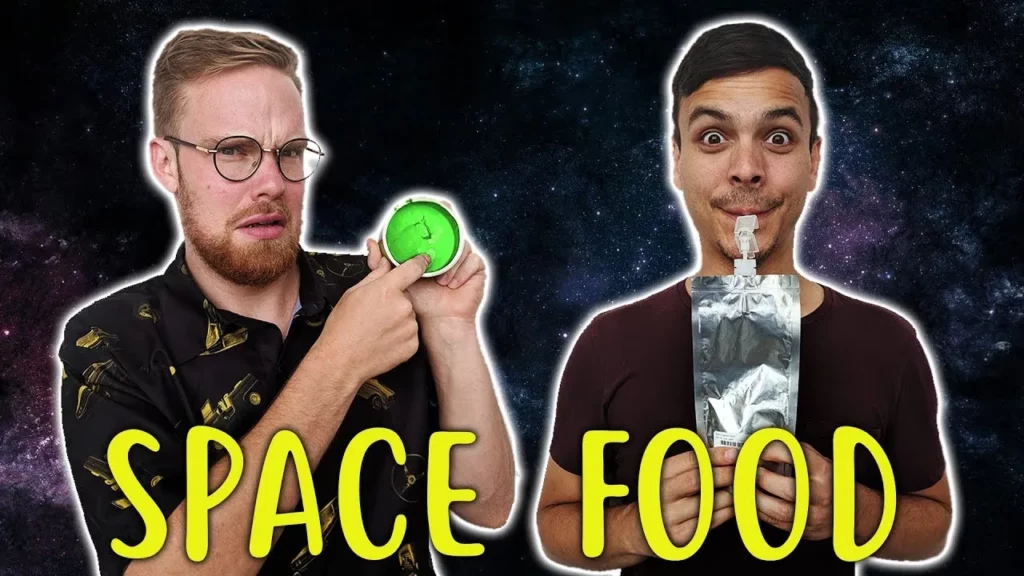
In this lesson, students learned about the unique dietary needs and challenges faced by astronauts while living in space, as presented by Natalie from the Canadian Space Agency. They explored various space foods, the importance of variety in meals, and how astronauts adapt to eating in a microgravity environment, including the innovative methods used for food storage and hydration. The lesson highlighted the collaborative efforts of international space agencies and provided insights into the everyday life of astronauts beyond their heroic adventures.