
What Happens In One Minute?
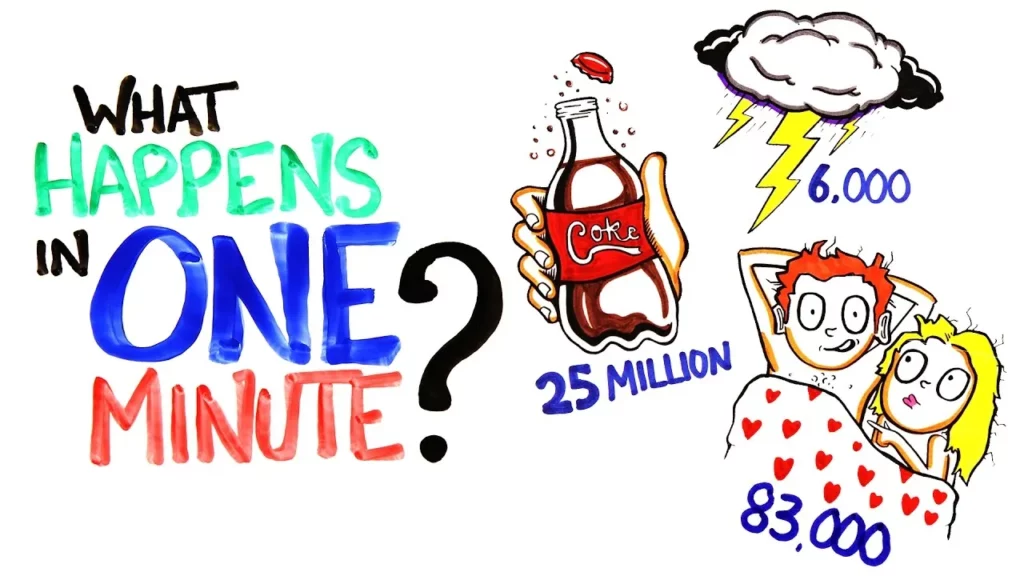
In this lesson, we explore the astonishing amount of activity that occurs in just one minute, both within our bodies and around the world. Key highlights include the production of millions of red blood cells, global consumption of Coca-Cola, and significant life events such as marriages and births, alongside environmental phenomena like rainfall and lightning strikes. This lesson emphasizes the remarkable and continuous processes that shape our lives and the planet every single minute.
The LOUDEST vs QUIETEST Room In The World
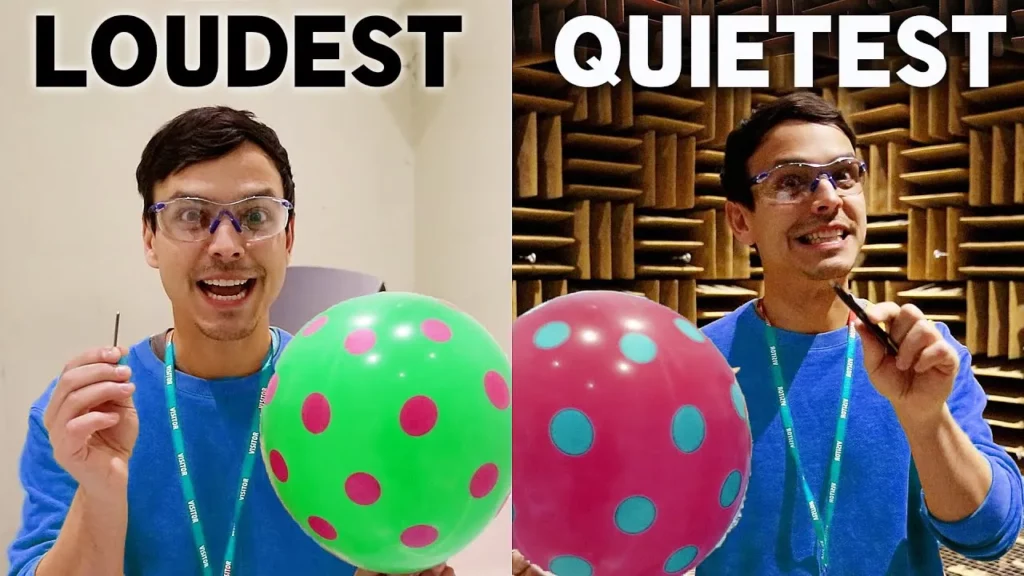
In this lesson, the author explores the contrasting experiences of the world’s loudest and quietest rooms at 3M’s innovation center. The reverberation chamber amplifies sound through reflections, creating an intense auditory environment, while the anechoic chamber absorbs sound, resulting in profound silence that can lead to disorientation and introspection. The author shares their personal journey of spending time alone in the anechoic chamber, highlighting the unique effects of extreme silence on the mind and body.
Amazing Olympic Facts
The lesson highlights fascinating facts about the Olympic Games, including the composition of medals, the history of Olympic awards, and notable moments in Olympic history, such as the introduction of snowboarding in 1998. It also discusses the evolution of Olympic broadcasting and the significance of the Olympic logo, which symbolizes unity among nations. To engage viewers, a series of informative videos will be released, exploring various aspects of the Olympics and encouraging audience interaction through social media.
How Old Are Your Ears? (Hearing Test)
The lesson “How Old Are Your Ears?” explores the relationship between age and hearing ability, particularly focusing on how our capacity to detect high-frequency sounds diminishes over time due to the wear and tear of hair cells in the ears. It emphasizes the importance of protecting hearing from loud noises to maintain ear health and encourages participants to assess their own hearing capabilities.
When Millennials Try Environmentalism
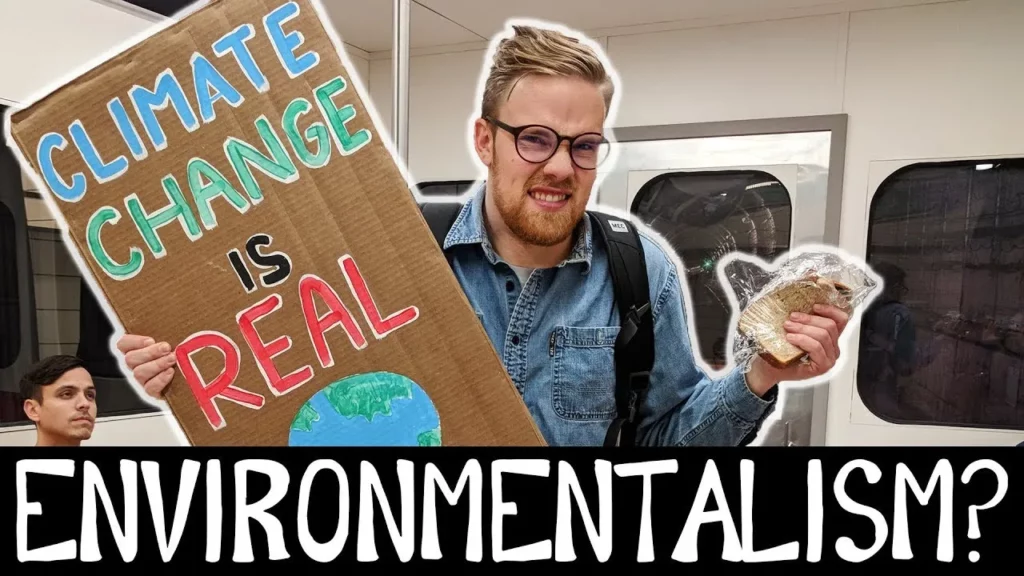
In this lesson, a group of friends embarks on a journey to adopt more environmentally friendly practices, highlighting the importance of taking action against climate change. They discuss small changes, such as using reusable containers and being mindful of water and energy consumption, which can collectively lead to significant positive impacts on the planet. The lesson emphasizes understanding our environmental footprint and encourages a supportive approach to making progress in sustainability, reminding us that every little effort counts.
How Do You Build A Refugee Camp?
The lesson explores the complexities of building a refugee camp, highlighting the urgent needs of displaced individuals who flee their homes due to violence and disasters. Using the example of Karatepe camp in Lesvos, Greece, it emphasizes the importance of providing essential services such as information, water, education, and psychological support, while also addressing challenges like energy supply and communication. Ultimately, the goal is to facilitate the integration of refugees into local communities, allowing them to lead self-sufficient lives beyond the confines of the camp.
We Tested Houseplants In ZERO LIGHT – The results were shocking
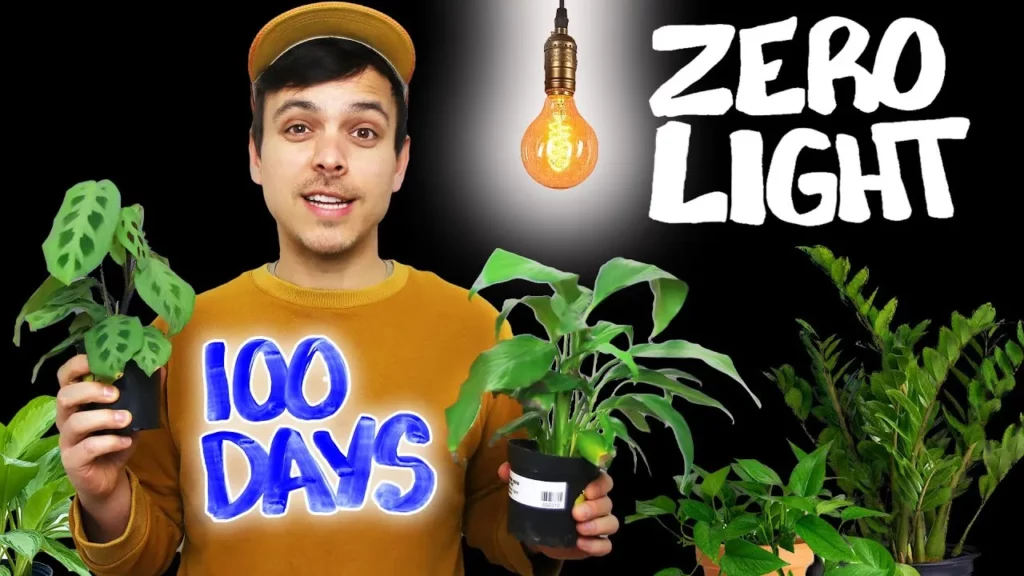
In this lesson, the author conducted an experiment to determine which houseplants could survive in complete darkness, inspired by a newfound interest in plants during quarantine. With guidance from plant expert Nick Pileggi, they tested various low-light plants and discovered that some, like the ZZ plant and snake plant, thrived despite minimal care, highlighting the resilience of certain species. The experiment underscored the importance of proper watering and light exposure, ultimately reassuring novice plant owners that low-maintenance options exist for those who may struggle with plant care.
Mask vs No Mask Lab Results – Do they work?
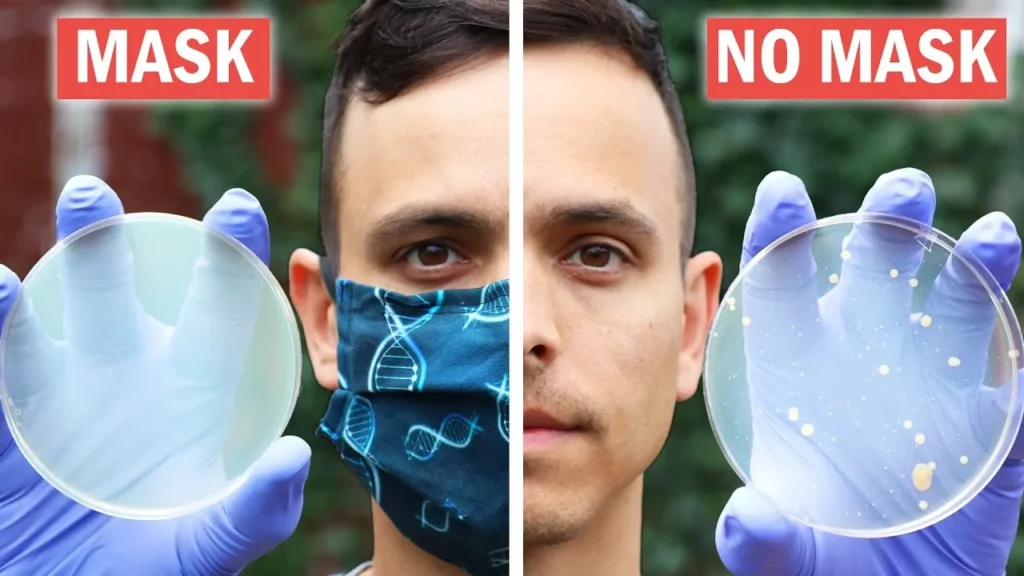
The lesson explores the effectiveness of masks in preventing the spread of germs through a simple experiment that compares bacterial growth from respiratory droplets with and without masks. The results demonstrate that masks significantly reduce the transmission of droplets, as no bacteria were found on the masked plates after activities like coughing, sneezing, talking, and singing, while the unmasked plates showed substantial bacterial growth. Ultimately, the lesson emphasizes that while masks are crucial for protection, they should be used alongside other preventive measures like handwashing and physical distancing.
The End Of The Arctic

The lesson highlights the profound impact of climate change on the Arctic, particularly its rapid warming and the resulting loss of ice, which threatens both wildlife and Indigenous communities like the Inuit. It emphasizes the challenges faced by the Inuit, including food insecurity and the disruption of their traditional way of life due to government policies and external threats like seismic blasting from energy companies. The lesson calls for advocacy and support for Indigenous rights and environmental protection, stressing the importance of collective action to address these pressing issues.
The wildest cure for hiccups that works every time

This lesson explores an effective method for relieving hiccups through a specialized massage targeting the vagus nerve, which connects the brain to the diaphragm. While various remedies exist, including surprising techniques like drinking water upside down, the massage approach is particularly beneficial for those with chronic hiccups, offering a scientifically backed solution. Understanding the causes of hiccups and the role of the vagus nerve can help individuals find relief more effectively.