
What if you never took off your Apple AirPods Pro?
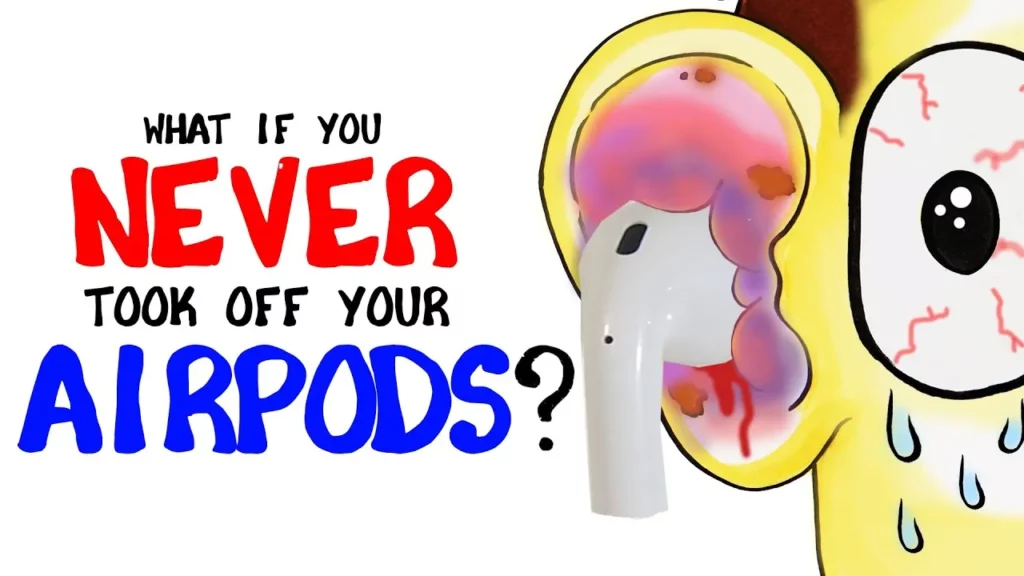
The lesson discusses the popularity and potential risks of wearing Apple AirPods Pro continuously. It highlights a humorous anecdote about a man who accidentally swallowed his AirPod while sleeping, emphasizing the importance of safe usage practices. The lesson concludes by advising users to take breaks, keep the volume at a safe level, and avoid sleeping with AirPods in to prevent hearing damage and ear infections.
The Dyson Zone is a mess!
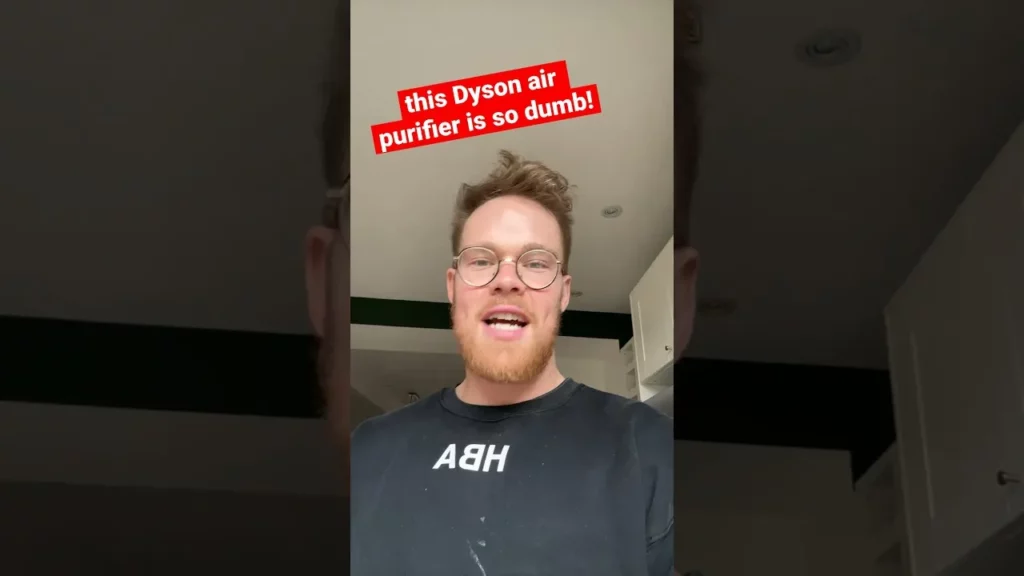
The Dyson Zone headphones represent an innovative solution to air pollution by combining noise cancellation with air filtration, featuring a visor that filters out 99% of tiny particles. Priced at around $1,000, they raise concerns about accessibility and emphasize that individual devices cannot replace the need for systemic changes and government regulations to effectively address pollution. While they offer a personal means of improving air quality, they are not a comprehensive solution and do not protect against all health risks, underscoring the importance of broader efforts to combat environmental issues.
Could The Jedi Exist? (Star Wars Science)
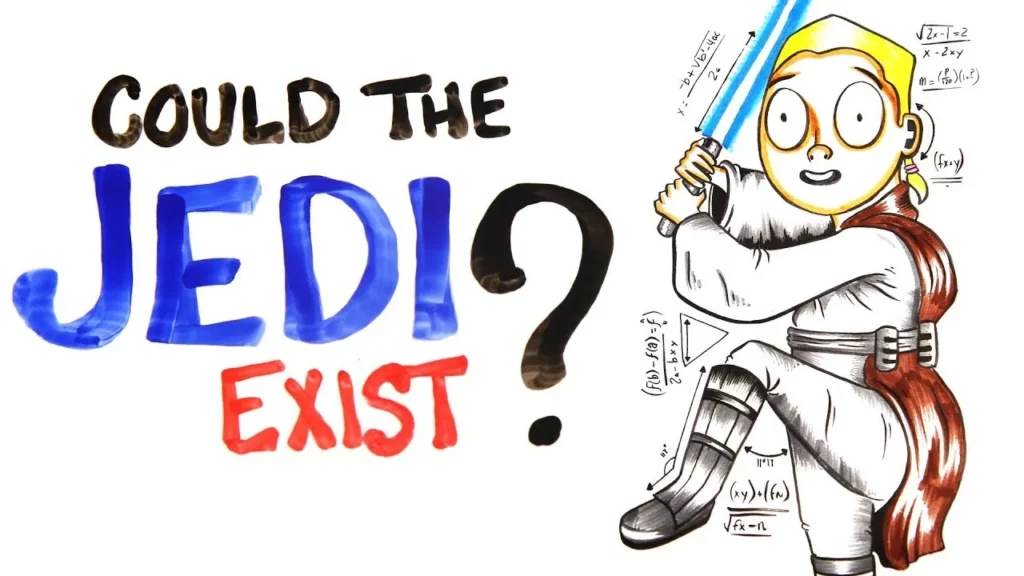
The lesson explores the possibility of Jedi-like abilities in humans, examining concepts such as enhanced reflexes, the Force, electric powers, and telekinesis through the lens of science. It discusses how our perception of time can be altered in stressful situations, the potential for genetic engineering to enhance sensory abilities, and the theoretical feasibility of creating lightsabers and manipulating thoughts. Ultimately, while some aspects of Jedi powers remain speculative, advancements in technology and biology may bring us closer to realizing these extraordinary abilities.
This is the First LIVING Robot and it's Unbelievable
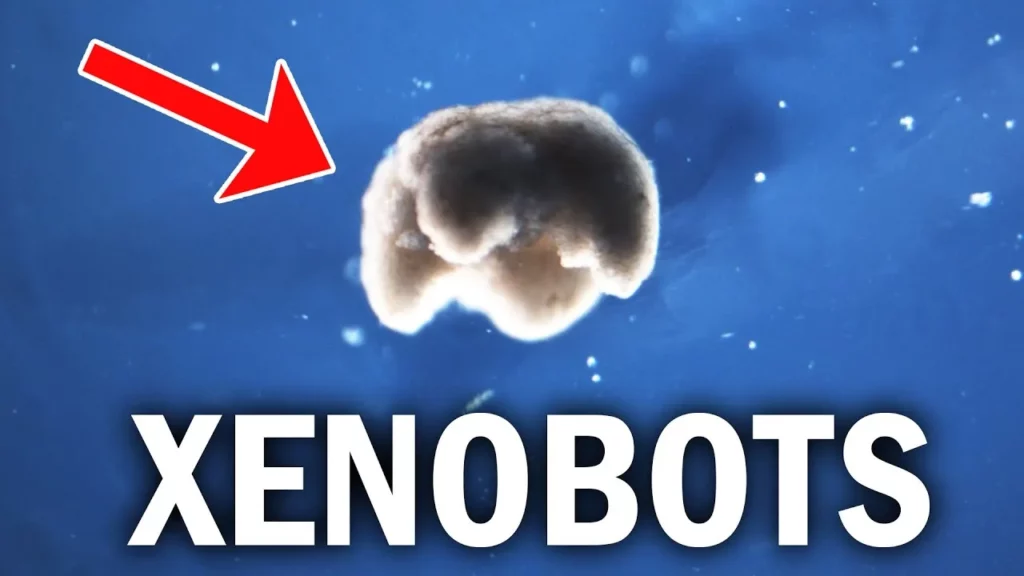
The lesson introduces xenobots, the first living robots created from organic frog cells, which can move and exhibit emergent behaviors. Researchers combined skin and heart cells to design these tiny organisms, allowing them to be programmed for specific tasks, much like traditional robots. The potential applications of xenobots are vast, ranging from medical uses to environmental cleanup, but ethical considerations regarding their cognitive abilities and rights must also be addressed as this technology advances.
Could We Record Our Dreams?
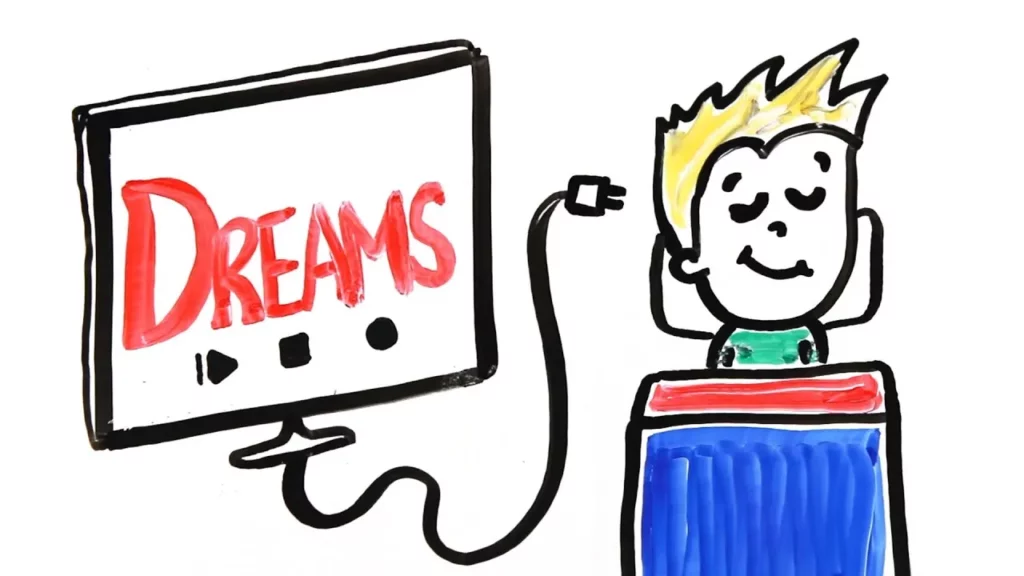
The lesson explores the intriguing nature of dreams, highlighting that we spend about six years of our lives dreaming, yet often forget them upon waking. It discusses the concept of brain waves and how scientists are using advanced technologies, such as fMRI scanners, to analyze brain activity during dreams, allowing them to make educated guesses about dream content. As these technologies evolve, there is potential for better understanding and even visualizing our dreams, shedding light on the mysteries of why we dream.
The Biggest Lie About Renewable Energy
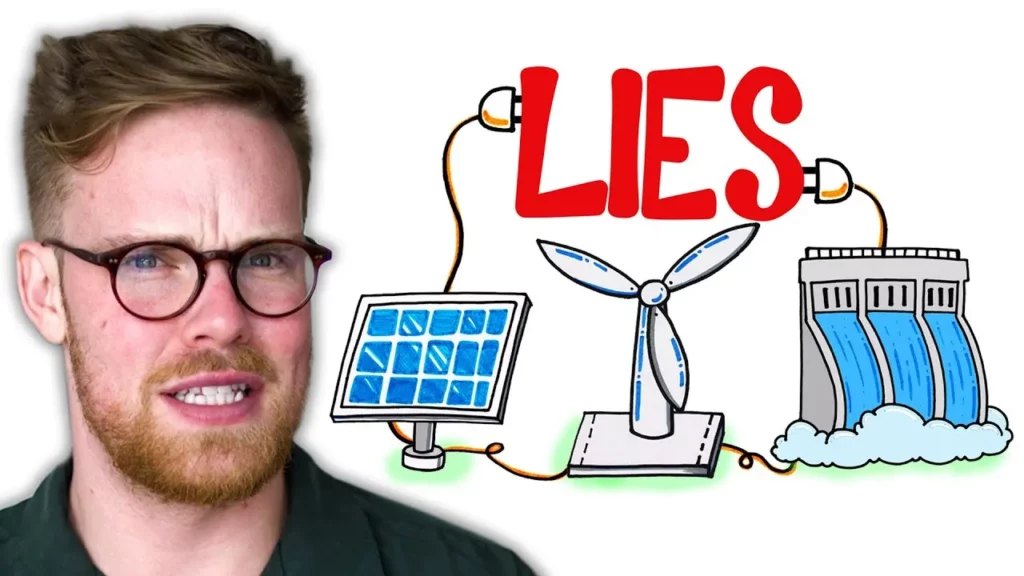
The lesson discusses the pervasive misinformation surrounding renewable energy, often driven by fossil fuel interests, and highlights the transformative shift occurring in the energy sector as we enter the Third Industrial Revolution. It emphasizes the rapid advancements in renewable technologies, the declining costs of solar and wind energy, and the global momentum towards sustainable energy sources, particularly in countries like China and Germany. The lesson also underscores the importance of investing in green technologies, retraining workers from fossil fuel industries, and advocating for policies that support a sustainable future in the face of climate change.
Where Do Your Texts Go?
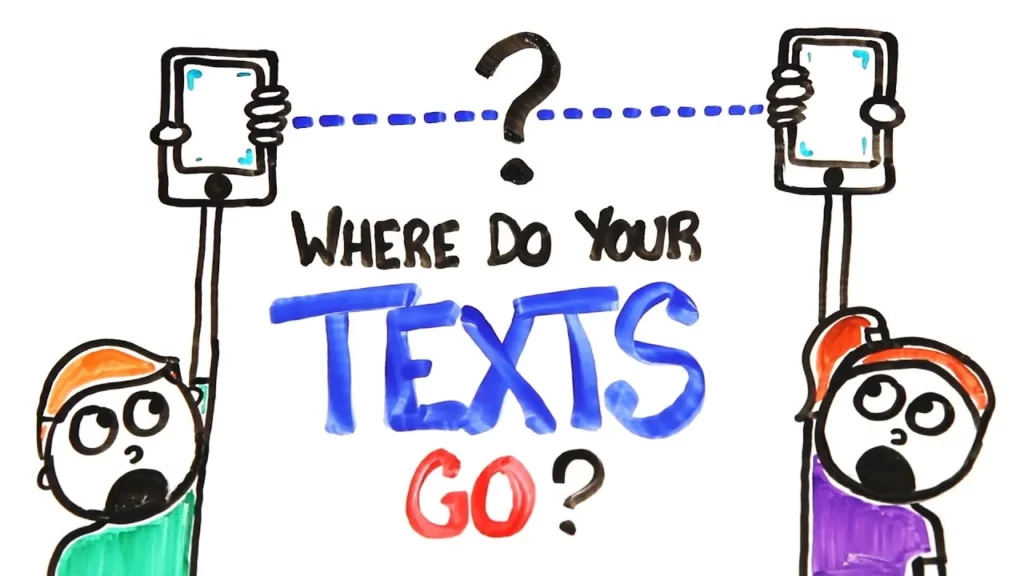
The lesson “Where Do Your Texts Go?” explores the evolution of communication, highlighting the rapid advancements from sending messages via traditional methods to the instantaneous nature of modern text messaging. It explains how text messages are transmitted through radio waves and the infrastructure that supports mobile communication, including cell towers and networks. Additionally, the lesson discusses the shift from SMS to internet-based messaging services and speculates on the future of communication, including potential innovations like embedded phones and thought-based messaging.
Dear Smokers
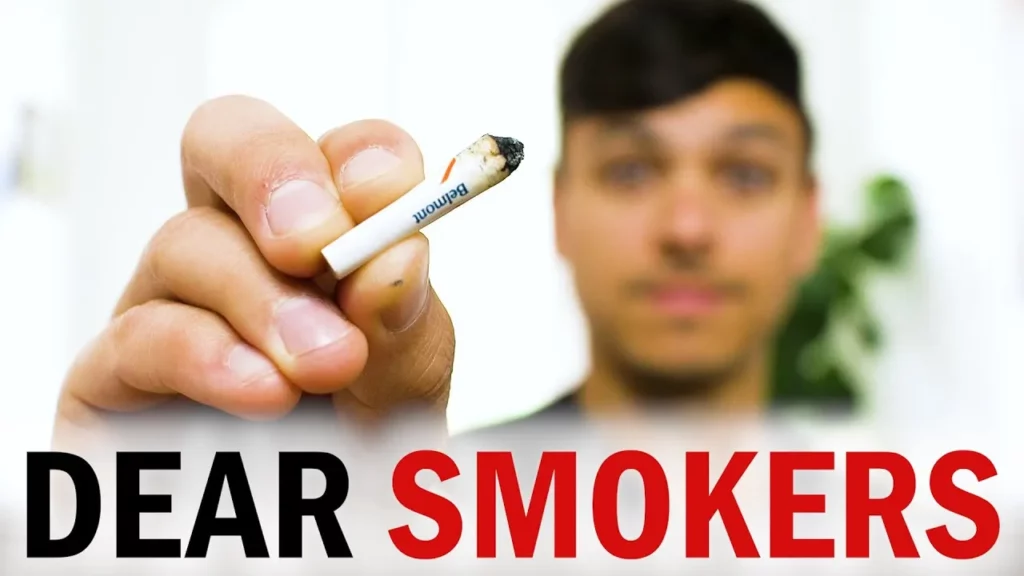
The lesson highlights the significant environmental impact of improperly disposed cigarette butts, which account for approximately 4.5 trillion pieces of litter annually. It emphasizes that cigarette butts, made from non-biodegradable materials, contain harmful chemicals that can pollute soil and water, harm wildlife, and contribute to fire hazards. The lesson calls for smokers to take responsibility for their waste by properly disposing of cigarette butts, likening it to the disposal of other types of trash.
Are Rich People Worse Humans?
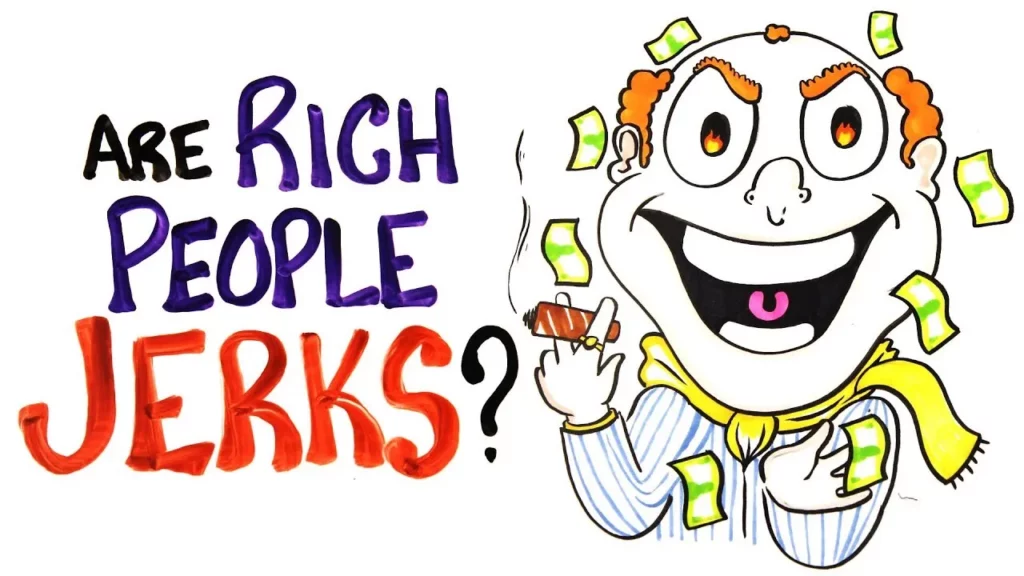
The lesson explores the relationship between wealth and consideration, suggesting that affluent individuals may exhibit less empathy and more self-centered behavior. Research indicates that wealthier people are more likely to engage in unkind actions, such as cutting off pedestrians while driving, keeping extra money, and contributing a smaller percentage of their income to charity. While those in power often start with high emotional intelligence, they may become more self-focused over time, leading to a decrease in empathetic behaviors as their wealth increases.
Is Organic Food Worse For You?
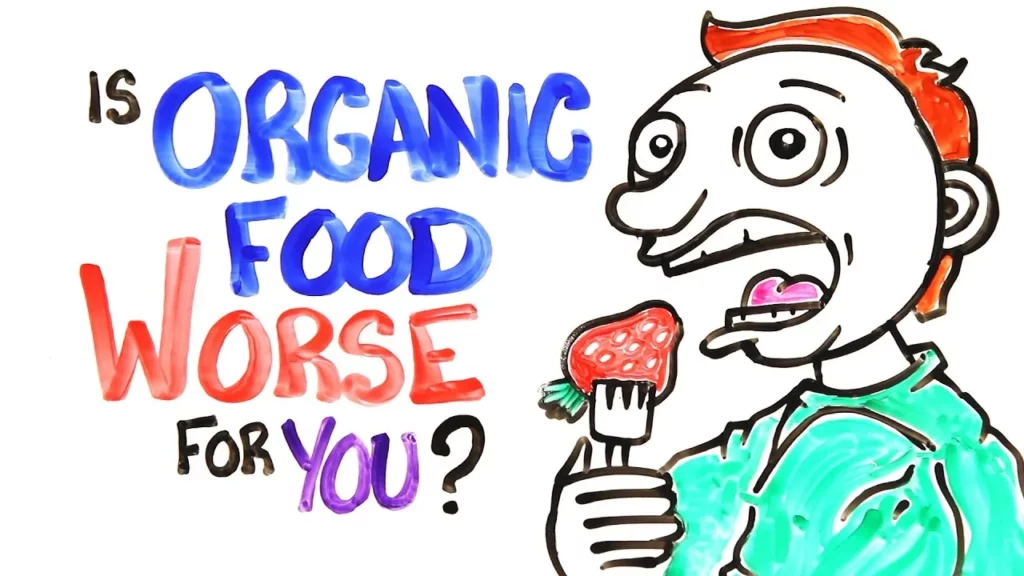
The lesson explores the complexities of organic food, questioning whether it is truly healthier for consumers and better for the environment. While organic farming avoids synthetic pesticides, it can still use natural alternatives that may be harmful, and studies show no significant nutritional differences between organic and conventional produce. Ultimately, the lesson suggests that a balanced approach, incorporating both organic and conventional methods, may be the most beneficial for health and sustainability.