
Why News of WAR Hijacks Your Brain!
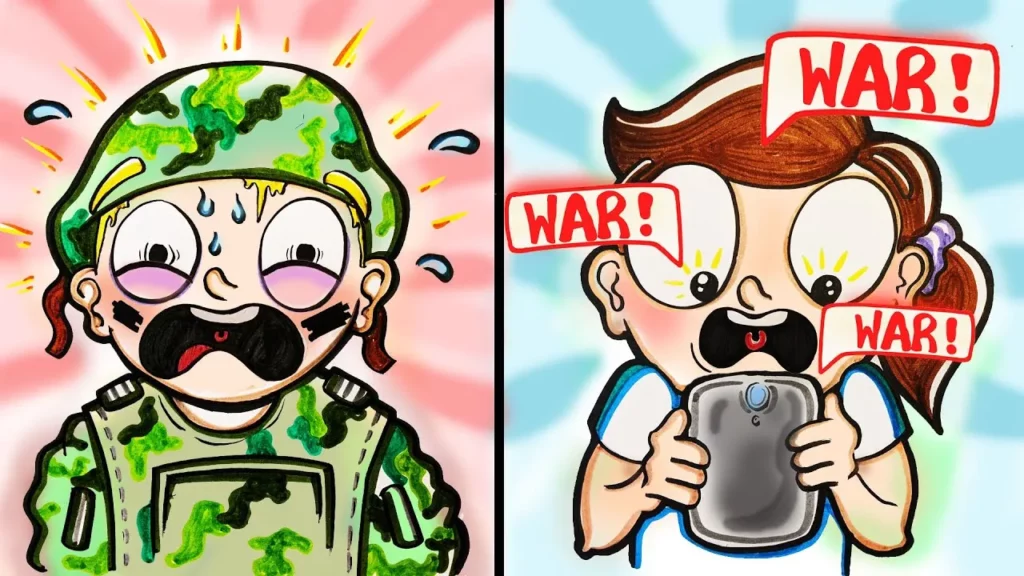
The lesson explores the psychological and physiological reasons behind our fascination with war, highlighting how historical shifts in human society have influenced our responses to conflict. It explains that our brains trigger a stress response when faced with conflict, activating our arousal and attention systems, which can create a sense of thrill similar to that experienced with certain drugs. While acute stress can provide temporary excitement, chronic stress poses serious health risks, emphasizing the importance of understanding our reactions to conflict in order to navigate modern challenges effectively.
36 Questions That Make Strangers Fall In Love (The LAB)

In this lesson, we explore the concept of fostering deep connections between strangers through a series of 36 guided questions, based on a study suggesting that such interactions can lead to love. Participants Cam and Emily engage in meaningful conversations, revealing personal insights and vulnerabilities, which ultimately help them build comfort and attraction towards each other. The experiment underscores the power of structured dialogue in enhancing intimacy and understanding in relationships.
Brand Name vs. Generic
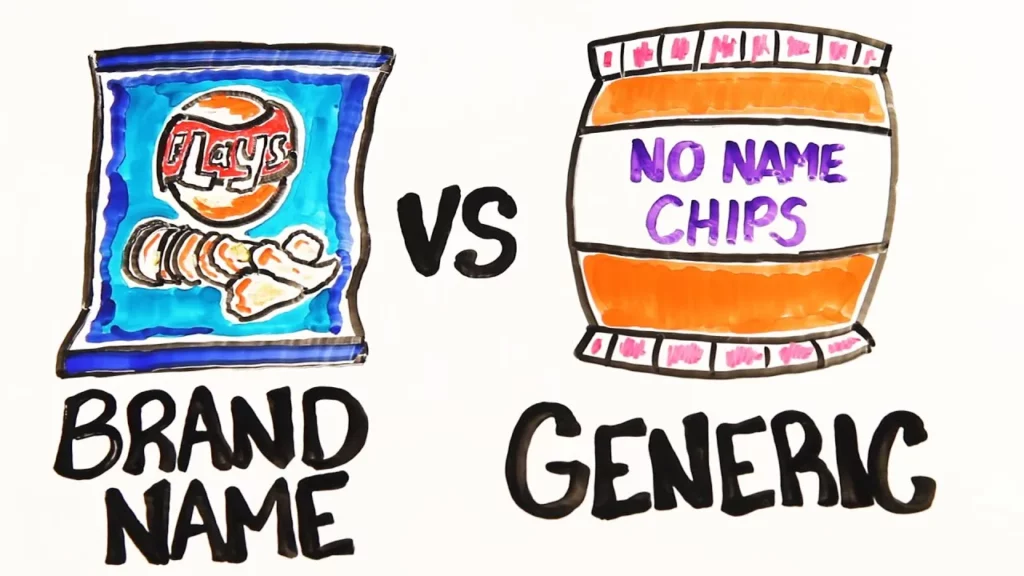
The lesson “Brand Name vs. Generic: A Closer Look” explores the misconceptions surrounding generic products, highlighting that they are often comparable in quality and effectiveness to brand-name items, particularly in food and medications. It emphasizes that generic foods can be produced by the same manufacturers as brand-name products and that generic medications are required to be bioequivalent to their branded counterparts, often at a significantly lower cost. Ultimately, the lesson encourages consumers to make informed choices by comparing products and considering the potential benefits of opting for generic alternatives.
What If You Stopped Eating Food?
The lesson explores the critical role food plays in maintaining bodily functions and energy production. It explains that when you stop eating, your body initially uses glycogen and fat for energy, but after a few days, it begins to break down proteins, leading to serious health issues and potentially death from starvation within weeks. The importance of nutrition and the consequences of prolonged food deprivation are emphasized, highlighting the body’s reliance on food for survival and proper functioning.
The Science of HIV/AIDS
The lesson on “The Science of HIV/AIDS” explores the transmission, replication, and progression of HIV to AIDS, highlighting the virus’s impact on global health, with over 39 million lives lost and 35 million currently infected. It discusses the challenges posed by HIV’s rapid mutation and the importance of antiretroviral treatments, as well as preventative measures like PrEP. The lesson also offers hope for a cure through innovative therapies and genetic research, emphasizing the need for continued awareness and education in the fight against HIV/AIDS.
How Alcohol Changes Your Body
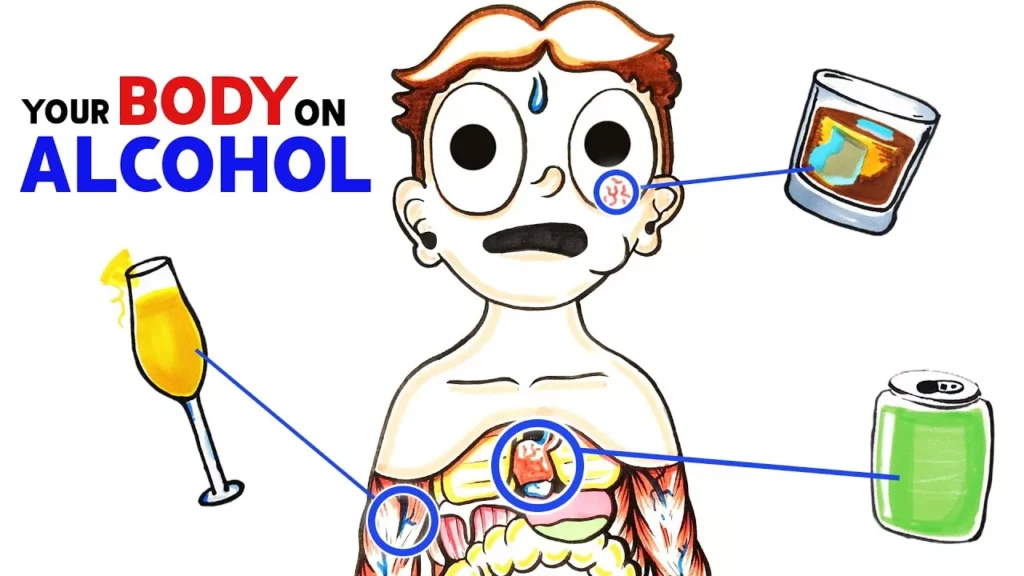
The lesson explores the physiological effects of alcohol on the body, highlighting its absorption, metabolism, and impact on brain function, behavior, and sleep. It discusses the historical context of alcohol consumption through the Drunk Monkey Hypothesis and emphasizes the importance of moderation, as excessive drinking can lead to cognitive impairment and health issues. Ultimately, the lesson suggests that while day drinking may offer some benefits, it is essential to be mindful of alcohol’s overall effects on coordination, learning, and sleep quality.
5 Crazy Ways Social Media Is Changing Your Brain Right Now
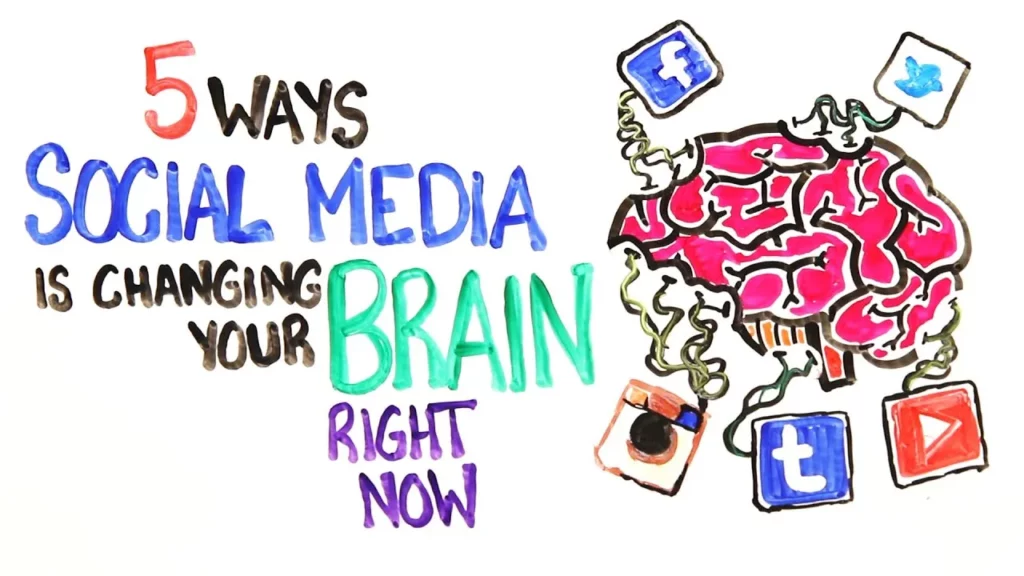
The lesson explores five surprising ways social media is impacting our brains, highlighting issues such as the struggle to log off, the myth of multitasking, and the phenomenon of Phantom Vibration Syndrome. It discusses how social media triggers dopamine release, leading to self-focused communication, and notes that online interactions can foster meaningful relationships despite physical distance. Overall, the lesson emphasizes the profound and often unexpected effects of social media on our cognitive and emotional processes.
Building An Underground Solar Powered Fridge
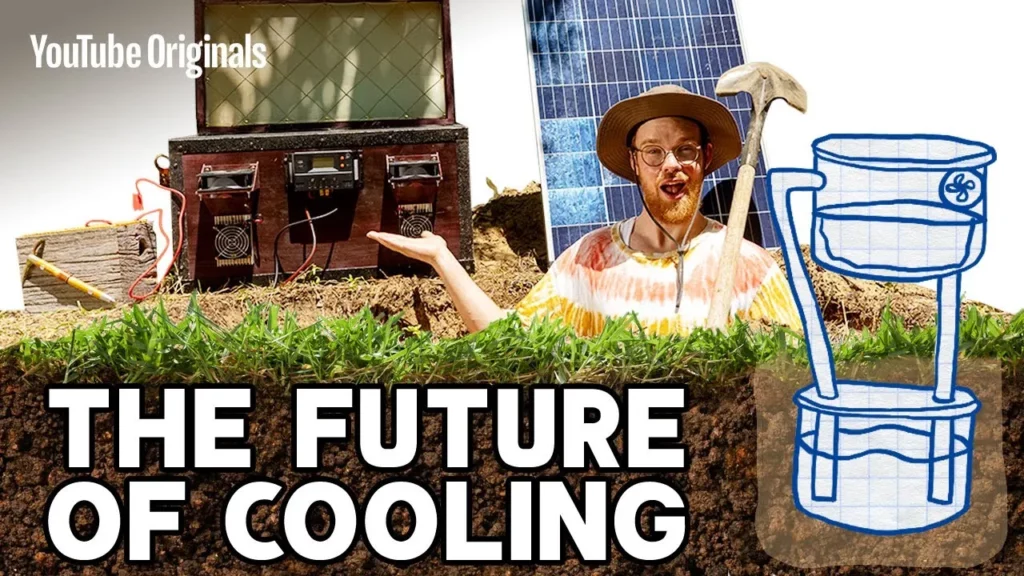
The lesson explores the innovative concept of an underground solar-powered fridge, which utilizes the reflective properties of materials to maintain a cool temperature without traditional electricity. By understanding the interaction between sunlight and various wavelengths, this technology not only offers a practical solution for food storage but also contributes to sustainable living and climate change mitigation. Ultimately, it highlights the potential of harnessing natural phenomena for groundbreaking applications that benefit both individuals and the planet.
What Happens When You Get "Blue Balls"?
The lesson explains the phenomenon of “Blue Balls,” a condition characterized by physical and mental discomfort due to prolonged sexual arousal without orgasm. It details the physiological changes that occur during arousal, including increased blood flow and swelling of the testicles, and clarifies common misconceptions about the appearance of veins. Relief can be achieved through orgasm or reducing arousal, and the lesson also touches on related health concerns for men, such as hair loss, and the importance of seeking medical advice for these issues.
How Smart Are You? (TEST)
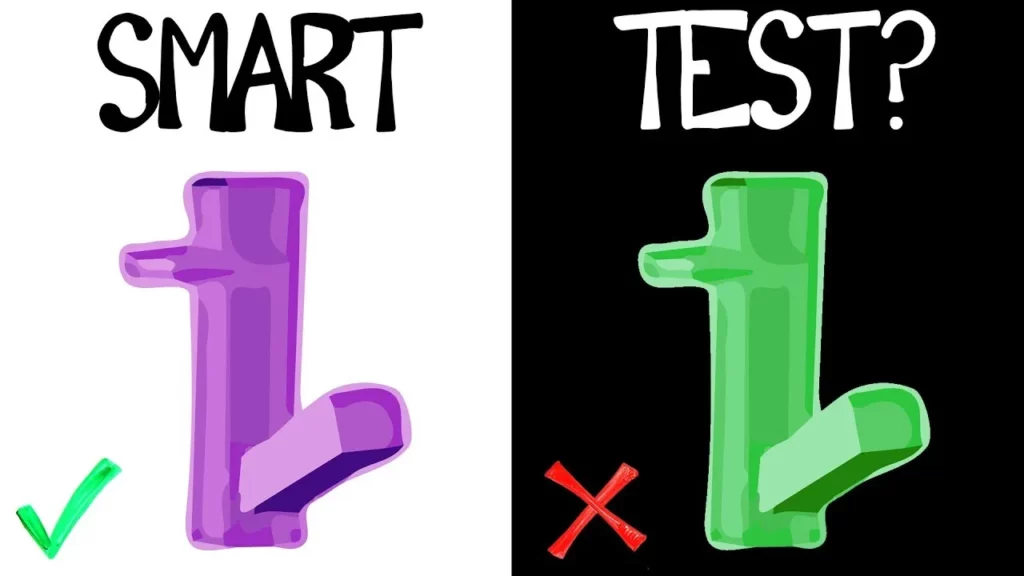
The lesson “How Smart Are You?” explores the various ways intelligence can be measured beyond just IQ scores, highlighting emotional recognition, problem-solving skills, and the theory of Multiple Intelligences. It emphasizes that intelligence encompasses a range of abilities, including musical, visual, and bodily-kinesthetic skills, and encourages individuals to discover and appreciate their unique strengths. Ultimately, the lesson promotes the idea that intelligence is multifaceted and not solely defined by traditional testing methods.