
Could You Transfer Your Consciousness To Another Body?
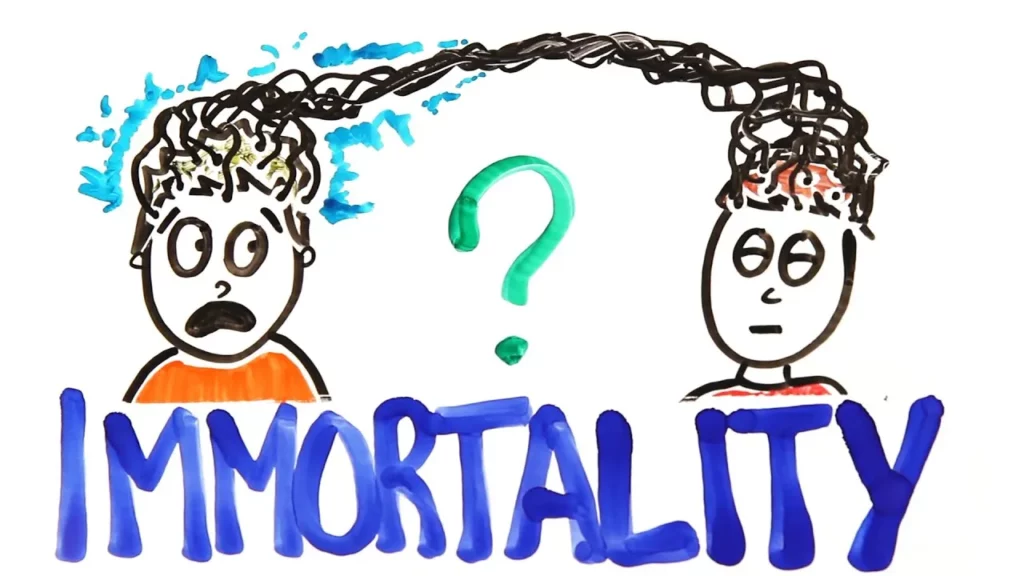
The lesson explores the intriguing concept of transferring consciousness to achieve immortality, as depicted in the movie “Selfless.” It delves into the complexities of memory storage in the brain, advancements in neuroscience such as optogenetics, and the challenges posed by the brain’s dynamic nature, suggesting that while the idea of consciousness transfer is becoming more plausible, it raises significant questions about identity and the uniqueness of individual experiences. Ultimately, the lesson encourages curiosity about the future possibilities of consciousness transfer as technology continues to evolve.
Why Being 'Environmentally Friendly' Is A Scam

The lesson discusses the concept of greenwashing, where companies mislead consumers by falsely claiming their products are “environmentally friendly” or “eco-safe” without substantial proof. It highlights the prevalence of vague terms, outdated claims, and unreliable third-party certifications, urging consumers to stay informed and advocate for genuine sustainability efforts. Ultimately, the lesson emphasizes the importance of accountability and collective action in promoting real environmental change.
What Does Your PEE Say About You?
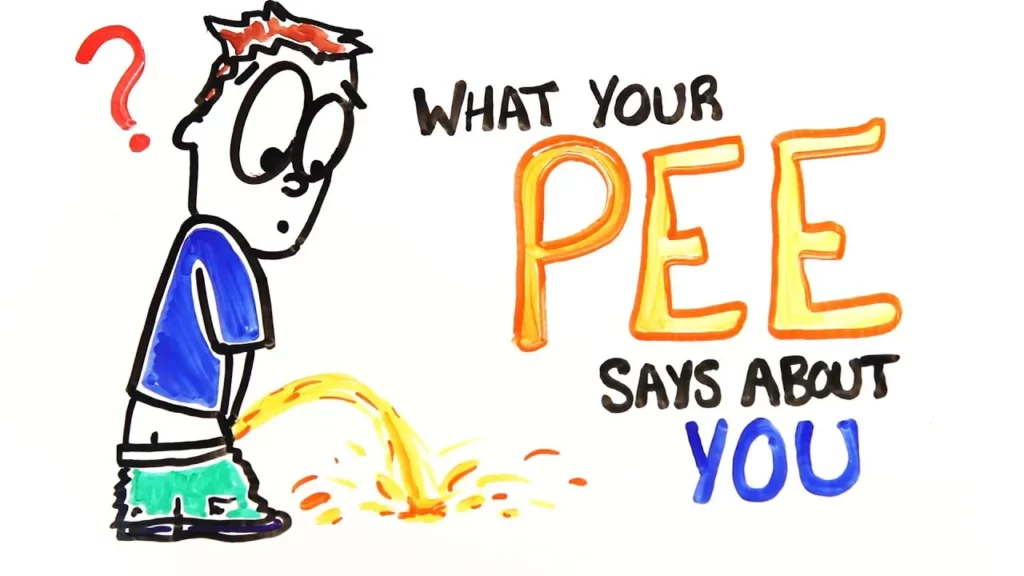
The lesson “What Does Your PEE Say About You?” explores the significance of urine color and its implications for health and hydration. It explains how urine is produced by the kidneys filtering waste from the blood and details what different colors—such as brown, purple, green, blue, pink, red, orange, and various shades of yellow—can indicate about one’s health. The lesson emphasizes the importance of monitoring urine color as a simple way to assess hydration and potential health issues, encouraging individuals to consult healthcare professionals if they notice any unusual changes.
The Truth About Nuclear Energy
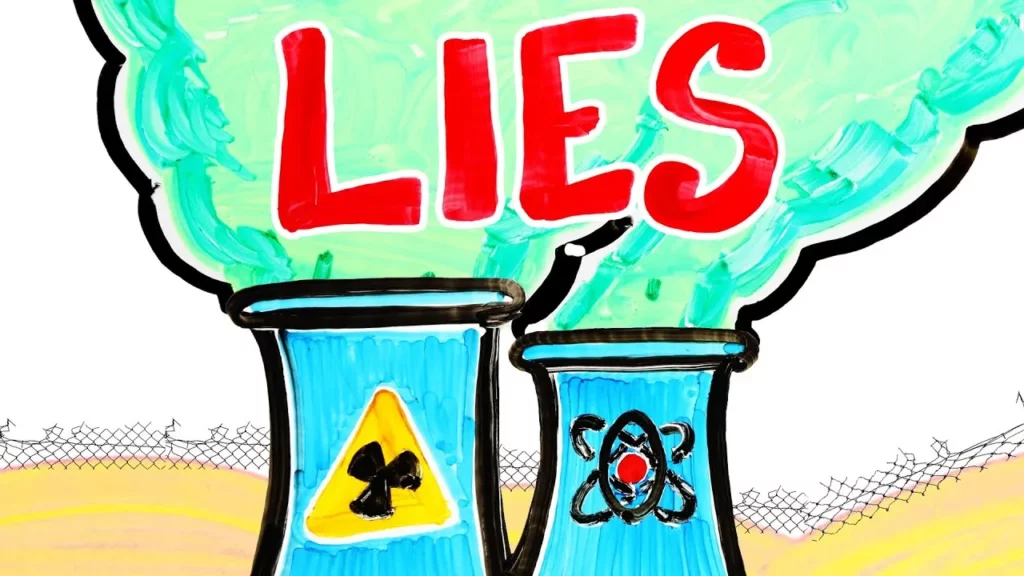
The lesson on nuclear energy highlights the importance of understanding the science behind it, beginning with the discovery of nuclear fission in 1938, which has since been harnessed for electricity generation. Despite historical incidents that have shaped public perception and fear, nuclear energy is shown to be a safer alternative to fossil fuels, significantly reducing air pollution and contributing to low-carbon energy. The lesson emphasizes the need for informed discussions about nuclear energy’s role in achieving a sustainable, zero-carbon future, while addressing challenges such as waste management and public apprehension.
What If All The Ice Melted On Earth? ft. Bill Nye
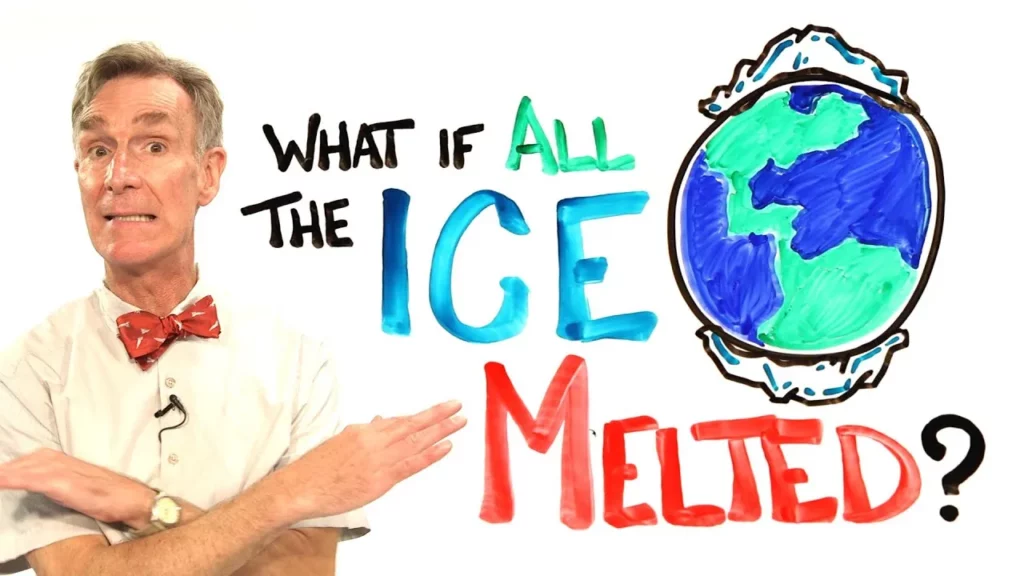
The lesson explores the significant consequences of ice melting on Earth, emphasizing the importance of ice as a crucial freshwater reserve and its role in regulating climate. It discusses the potential impacts on wildlife, shipping routes, and resource exploration, as well as the catastrophic rise in sea levels that could displace millions of people and flood major coastal cities. The lesson concludes by encouraging action to protect the Arctic and raise awareness about climate change and its effects.
The Real Reason Planes Crash | Boeing 737 Max 8
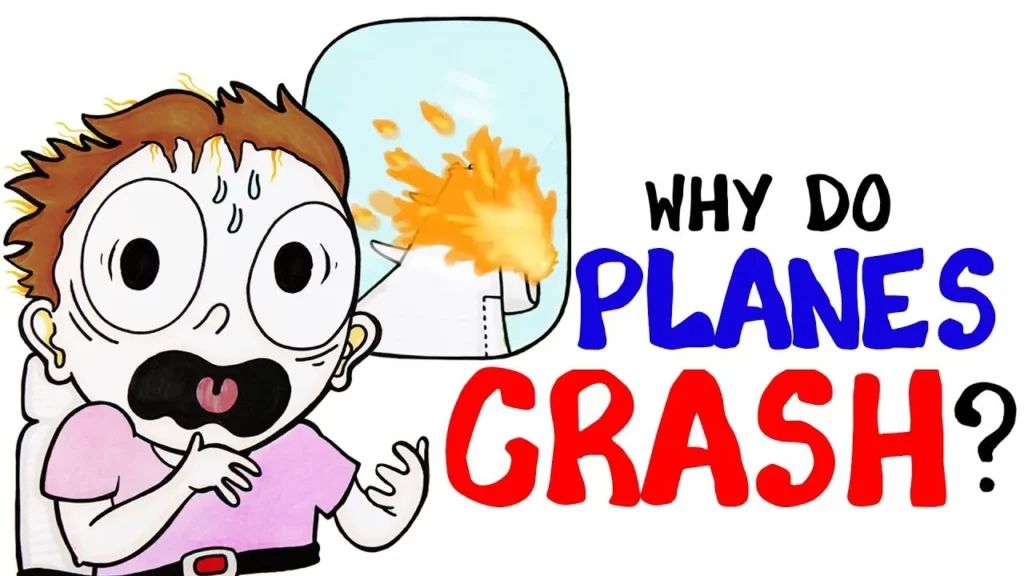
The lesson explores the safety of flying, particularly in light of the Boeing 737 Max 8 incidents, highlighting that commercial aviation is generally very safe despite occasional tragic accidents. It identifies the primary causes of plane crashes as human error, weather conditions, mechanical failures, and sabotage, with human error being the most prevalent. Additionally, it offers insights on survival strategies during crashes and emphasizes the importance of understanding aviation safety to mitigate risks.
7 Tips To Wake Up Without Coffee
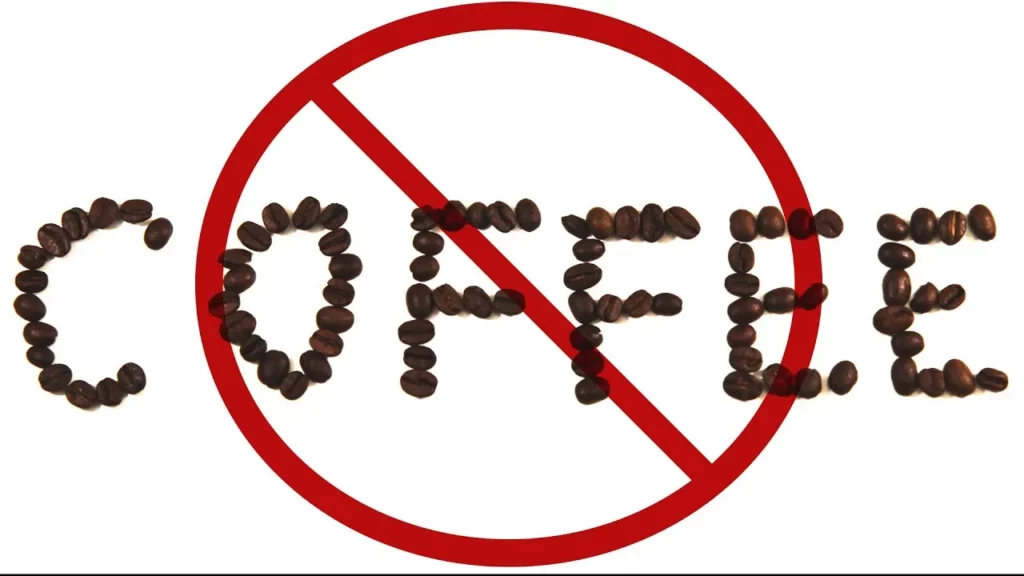
The lesson provides seven effective strategies to wake up energized without relying on coffee. Key tips include exposing yourself to natural light, ending your shower with cold water, staying hydrated, eating a healthy breakfast, drinking orange juice, engaging in morning exercise, and listening to music to boost alertness and mood. By incorporating these science-backed methods, you can start your day feeling refreshed and ready to take on new challenges.
We Made A Book! Even More SCIENCE!!
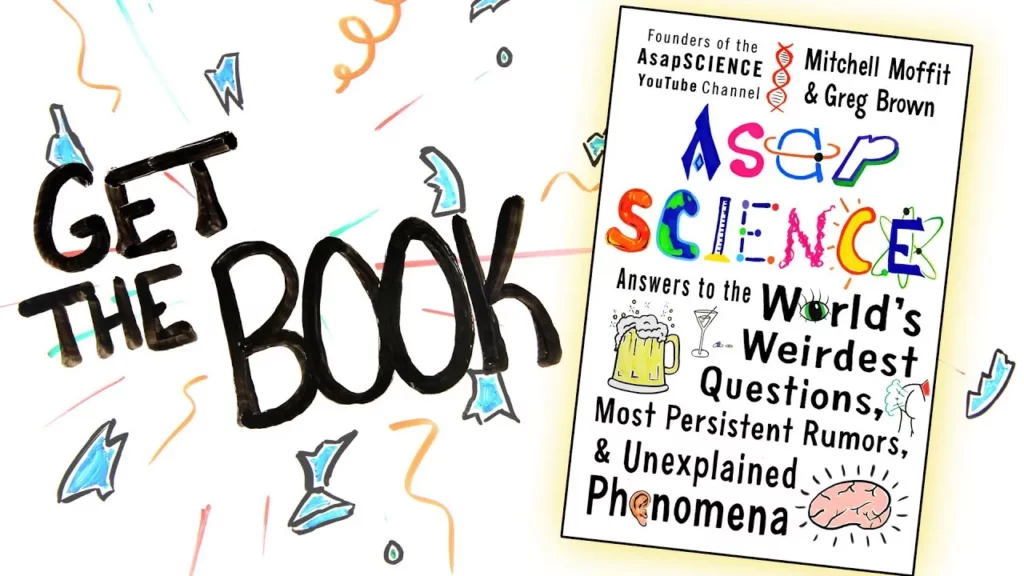
The lesson introduces the new ASAP Science book, which compiles answers to intriguing scientific questions and myths that have been explored over the past two years. This updated and illustrated collection includes favorite video episodes and new chapters addressing topics like hair growth and spontaneous combustion. The book is now available for pre-order, encouraging readers to delve deeper into the fascinating world of science.
7 Simple Tips To Reduce Your STRESS Right Now
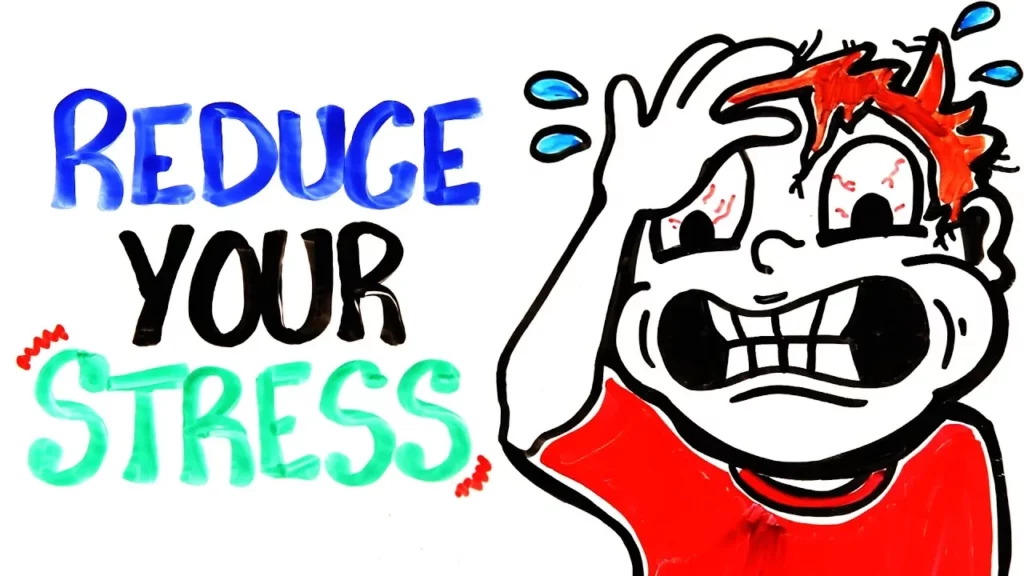
This lesson outlines seven effective and enjoyable strategies to reduce stress, emphasizing the importance of laughter, physical affection, and spending time in nature. Techniques such as chewing gum, creating relaxing rituals, listening to calming music, and interacting with pets are highlighted for their scientifically proven benefits in lowering stress levels and enhancing overall well-being. By incorporating these simple practices into daily life, individuals can significantly improve their mental and emotional health.
What Does Your Accent Say About You?
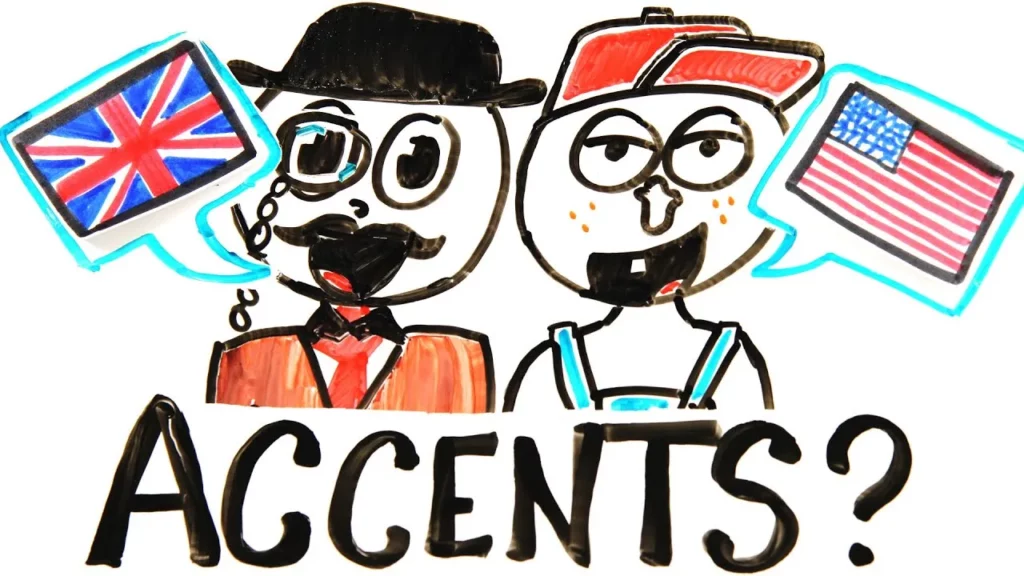
The lesson explores the significance of accents, highlighting how they reflect our identity and can influence perceptions of sophistication, friendliness, or intelligence. It discusses the science of language acquisition, noting that native accents vary by region and social background, while foreign accents can persist even after years of living in a new country. Additionally, it touches on phenomena like Foreign Accent Syndrome, the role of phonemes in language learning, and the cognitive benefits of bilingualism, emphasizing the critical period for phoneme recognition in infants.