
The Science of Cats
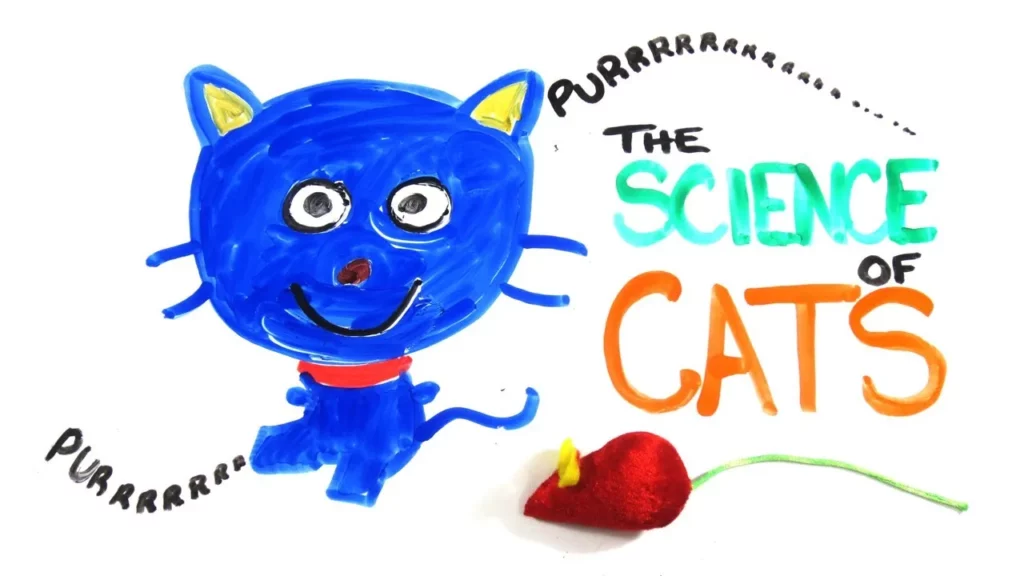
The lesson explores various fascinating aspects of cats, including their unique nose patterns, the effects of catnip, and their remarkable righting reflex that allows them to land on their feet. It also delves into how cats communicate through scent, their superior night vision due to the tapetum lucidum, the genetics behind calico cats, and the mystery of purring, which may serve multiple purposes from expressing contentment to promoting healing. Overall, the lesson highlights the intriguing biology and behavior of cats, enhancing our understanding of these beloved pets.
Is Binge Watching Bad For You?
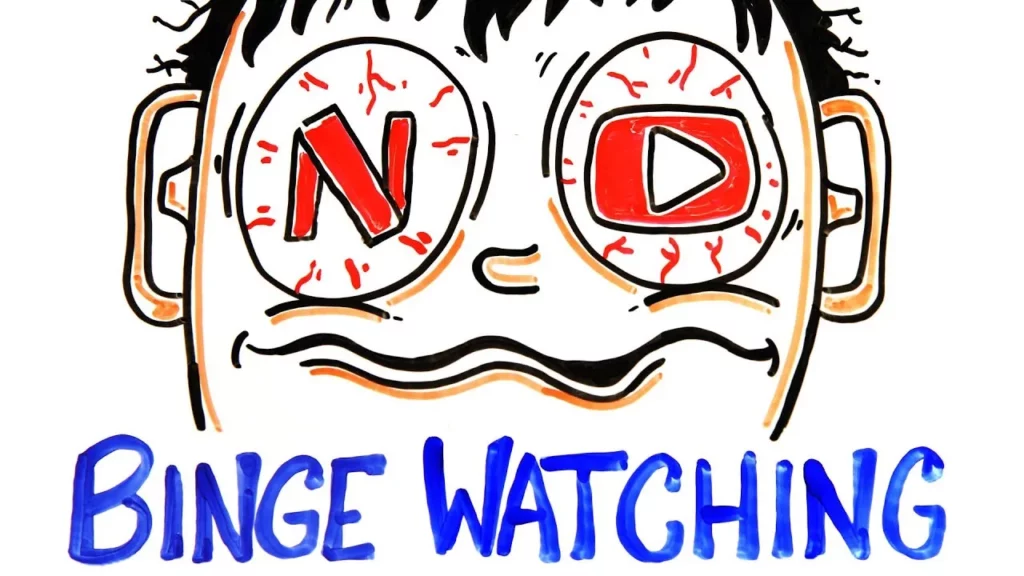
The lesson explores the potential negative effects of binge-watching on both physical and mental health, highlighting issues such as eye strain, the development of myopia in children, and the risks of sedentary behavior, including weight gain and sleep disturbances. It emphasizes the importance of moderation and encourages balancing screen time with physical activity to maintain overall health. Ultimately, while enjoying screen time is fine, staying active is crucial for well-being.
What Is The Most Dangerous Drug In The World? ft. In A Nutshell (Kurzgesagt)
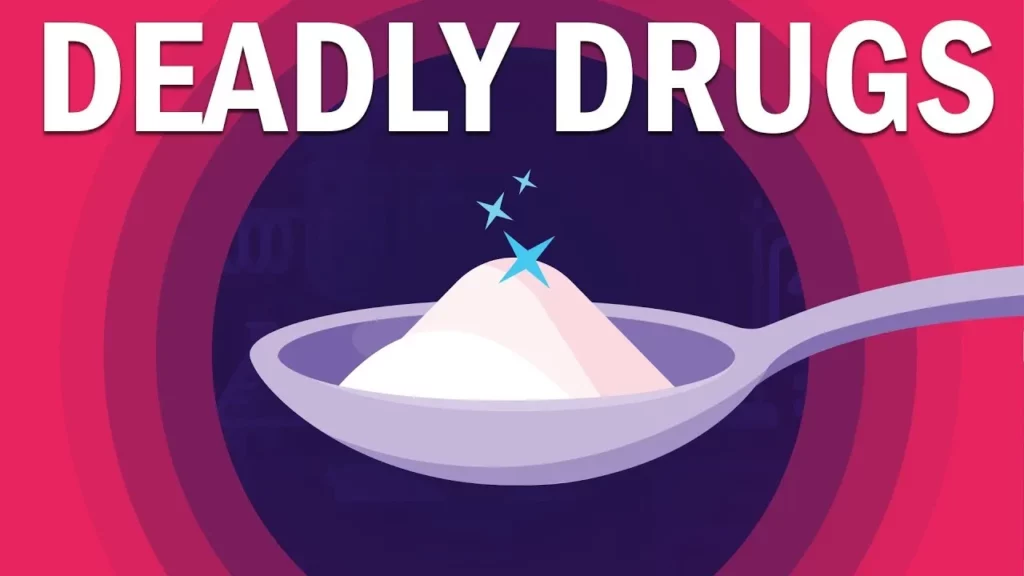
The lesson explores the concept of the world’s most dangerous drugs, highlighting the increase in overdose deaths in the U.S. and evaluating substances based on their lethal potential and societal impact. While Botulinum Toxin is identified as the deadliest substance based on its median lethal dose, heroin is deemed the most dangerous to individuals due to its high addiction potential and severe health risks. Ultimately, alcohol is recognized as the most dangerous drug overall, considering its widespread use and significant contributions to global health issues, prompting discussions on harm reduction and education rather than prohibition.
What If You Are Stressed Everyday?
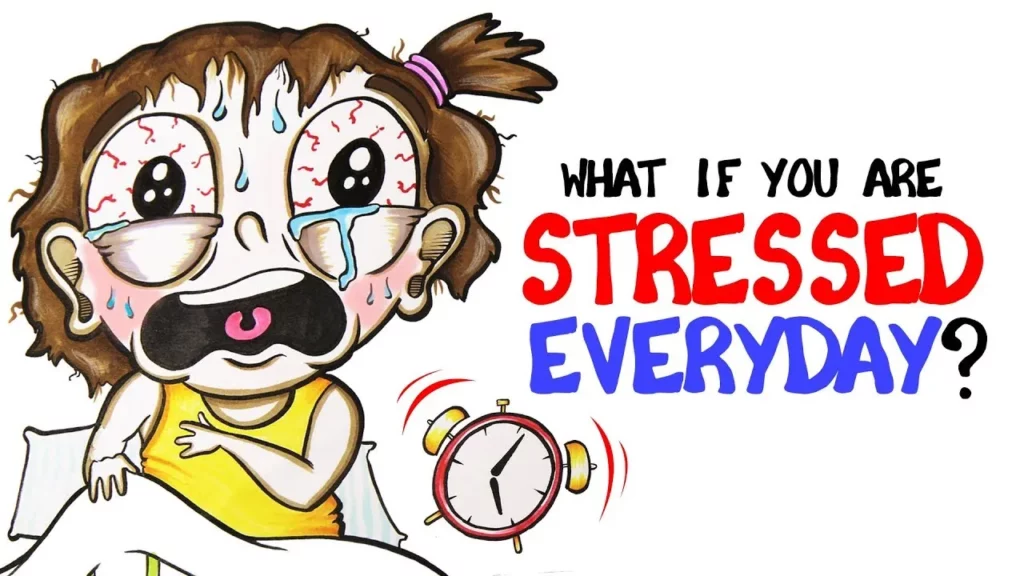
The lesson on “Understanding Daily Stress” highlights the physiological and psychological effects of stress, emphasizing the body’s fight-or-flight response and the role of cortisol in managing stress. Chronic stress can lead to significant health issues, including depression, heart disease, and cognitive impairments, underscoring the importance of effective stress management strategies. The lesson encourages exploring various techniques to mitigate stress and improve overall well-being.
What The Heck Is Gluten?
The lesson explains that gluten is a protein found in grains like wheat, barley, and rye, which gives dough its elasticity and contributes to the texture of baked goods. While gluten is not harmful to most people and is not essential for a healthy diet, it can cause serious issues for those with celiac disease or gluten sensitivity. The lesson also addresses common misconceptions about gluten, emphasizing that gluten-free diets are not necessarily healthier for individuals without these conditions and that many gluten-free products may contain higher levels of fat and sugar.
The Biggest Lie About Veganism

The lesson discusses the complexities of veganism, highlighting its significant environmental benefits while also addressing health concerns associated with the diet. It emphasizes that a vegan lifestyle can greatly reduce one’s ecological footprint and may offer health advantages, such as lower risks of certain diseases, but also points out potential nutrient deficiencies that require careful planning and supplementation. Overall, the lesson encourages a thoughtful approach to veganism, recognizing both its merits and challenges.
Why You Shouldn’t Fear Death

The lesson emphasizes that while death is an inevitable part of life that can evoke fear, understanding it through scientific principles can provide comfort and perspective. It highlights the complexity of human existence, the vastness of the universe, and the significance of life’s finite nature, encouraging individuals to find meaning and cherish their experiences. Ultimately, the lesson advocates for embracing life fully, recognizing that our atoms may persist, but our unique experiences and connections are what truly matter.
Why Do People Obsess Over Sports?

The lesson explores the psychological and physiological reasons behind people’s obsession with sports, highlighting the roles of hormones, dopamine, and mirror neurons. It explains how watching sports can trigger hormonal changes, such as increased testosterone and dopamine release, which enhance feelings of power, pleasure, and connection. Additionally, the lesson emphasizes the importance of empathy facilitated by mirror neurons, illustrating how these biological factors contribute to our emotional investment in sports and foster a sense of community.
Amazing Earth Facts To Blow Your Mind

The lesson highlights fascinating facts about Earth, emphasizing its incredible speed, mass, and the dynamic processes of gaining and losing material, such as space dust and escaping gases. It explores the diversity of life, including the remarkable adaptations of plants and animals, the vastness of the oceans, and the unique characteristics of various species, all while underscoring the importance of Earth’s elements and ecosystems. Overall, it celebrates the complexity and wonder of our planet, encouraging curiosity about the natural world.
The Most Horrifying Parasites!
The lesson highlights various horrifying parasites that can affect humans, emphasizing their potential health risks. It discusses the dangers posed by mosquitoes carrying Filarial Worms, pesky pinworms, itchy pubic lice, and marine parasites like the Anisakis Nematode and Tongue Biter. Additionally, it introduces the fascinating yet alarming cordyceps fungus, which manipulates ants for its life cycle, and encourages further exploration of parasitology through the work of Dr. Kate Hutson and her team.