
Does Everybody Have A Gay Gene?
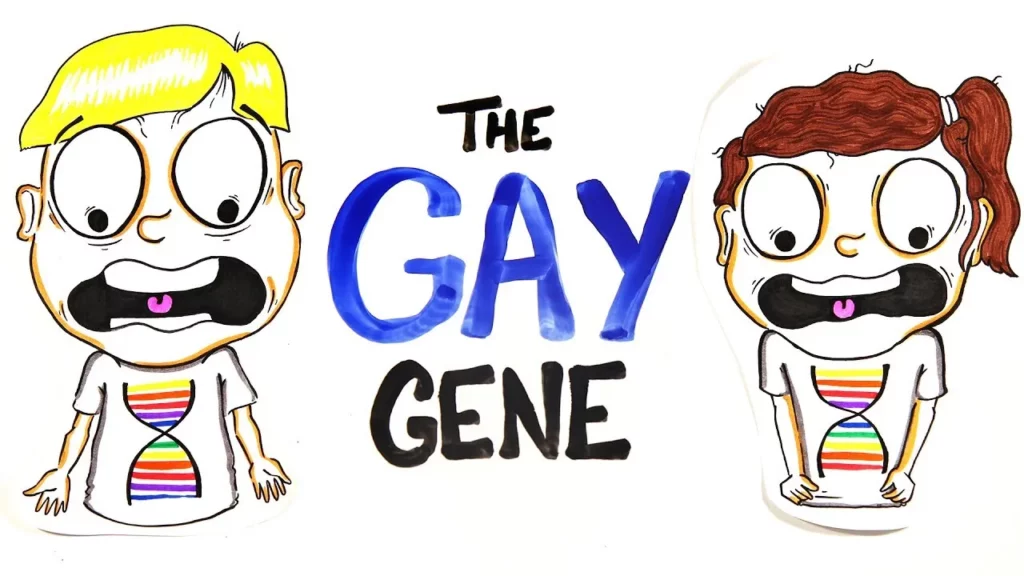
The lesson explores the complex interplay between genetics and environmental factors in determining sexual orientation, particularly focusing on the potential existence of a “gay gene.” Research indicates a genetic component, with findings suggesting that sexual orientation may be influenced by specific chromosomal regions and epigenetic factors, while also considering evolutionary perspectives on the persistence of these traits. The discussion emphasizes the importance of understanding these influences to combat stigma and promote acceptance within society.
What Colour Is This Dress? (SOLVED with SCIENCE)

The lesson explores the phenomenon of color perception using the viral image of a dress that some people see as Black and Blue while others see it as White and Gold. This discrepancy is explained by the concept of color constancy, where our brains interpret colors based on contextual cues and lighting conditions. Ultimately, the dress is scientifically identified as blue, illustrating how individual perception can vary significantly based on environmental factors.
This Is The First Exercise PILL, And It’s Unbelievable
The lesson discusses groundbreaking research on exercise pills, specifically a drug called GW 501 516, which has shown the potential to replicate the health benefits of exercise without physical activity. While the research highlights promising results in mice, such as increased endurance and improved metabolic health, it also raises concerns about potential risks and side effects. Ultimately, while these developments could offer solutions for those unable to exercise, the safest and most effective way to reap the benefits of physical activity remains through regular exercise.
The Best Kept Secret in Fitness
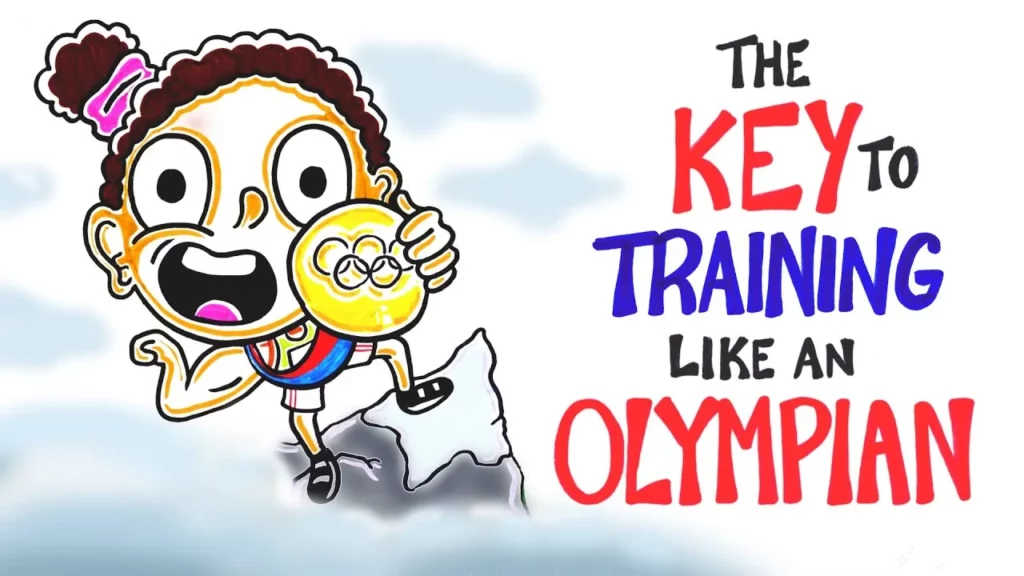
The lesson discusses the benefits of altitude training, a technique used by athletes to enhance their performance by adapting to lower oxygen levels found at high altitudes. This training stimulates the production of erythropoietin, which increases red blood cell count, allowing for improved oxygen delivery to muscles. Athletes often employ the “live high, train low” strategy to maximize these benefits while minimizing the risk of altitude sickness.
This tiny device could reforest the entire planet
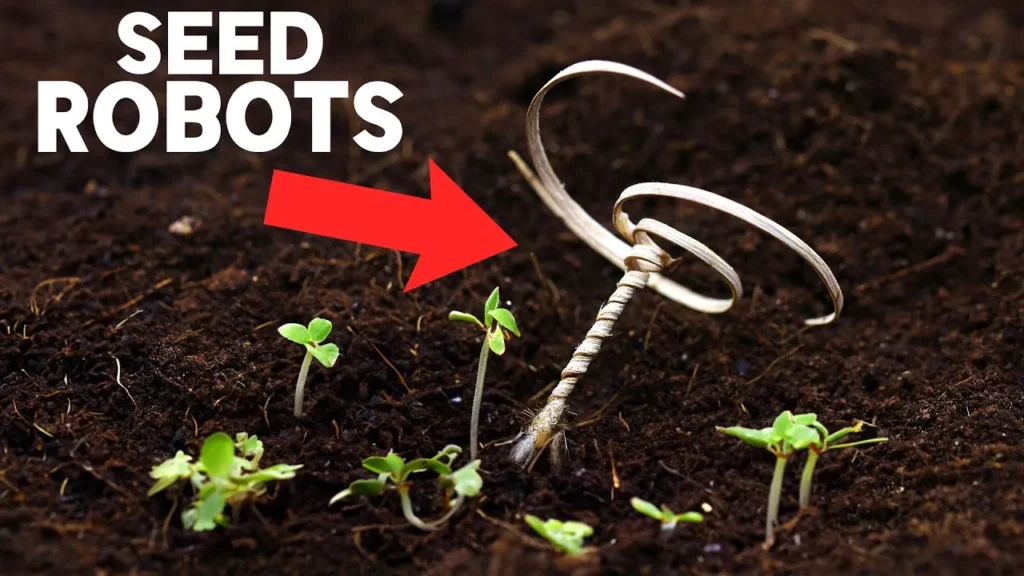
The lesson discusses an innovative wooden robot designed to reforest the planet by efficiently planting seeds using a mechanism inspired by natural hygromorphic structures. This device not only enhances seed germination success rates through its unique drilling mechanism but also promotes sustainability with its biodegradable design. Beyond reforestation, the technology has broader implications in soft robotics and energy harvesting, showcasing the potential of nature-inspired engineering to address environmental challenges.
Are Superhero's Actually Possible?
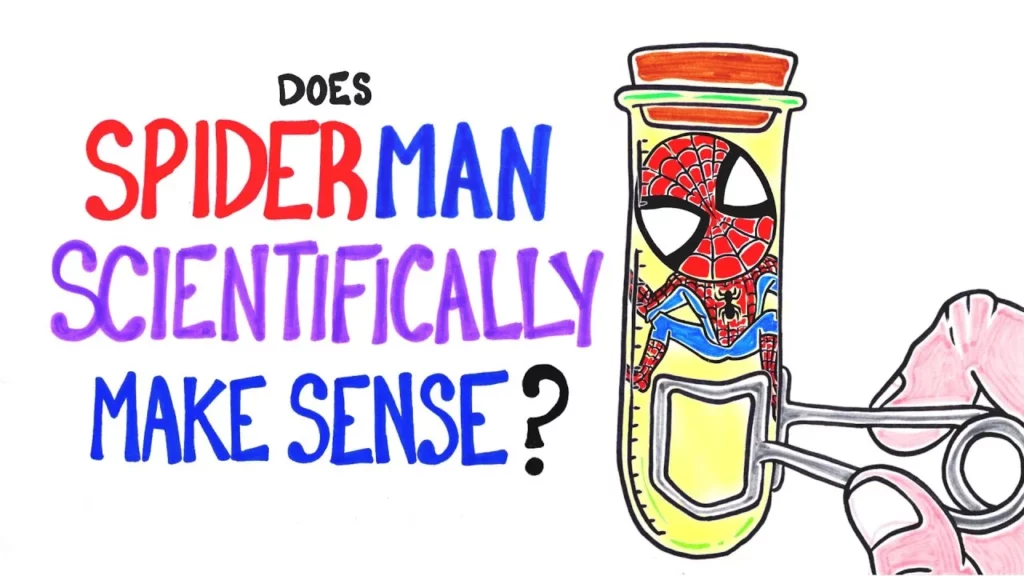
The lesson explores the scientific feasibility of Spider-Man’s powers, examining concepts like genetic modification, spider silk strength, super strength, wall climbing, and the “spidey sense.” While some abilities, such as the strength of spider silk and the mechanics of wall climbing, have a basis in reality, the overall combination of powers that Spider-Man possesses remains highly unlikely due to the complexities of human biology and physics. Ultimately, the lesson highlights the fascinating intersection of science and superhero lore.
Amazing Facts To Blow Your Mind Pt. 3
In this lesson, we explore the intriguing nature of time and perception, highlighting how our brains process visual information with a delay, making us always see the past rather than the present. We also delve into mind-blowing facts about size and scale, such as the vast number of atoms in a glass of water compared to Earth’s oceans, and fascinating insights about our world and human biology, including the remarkable ability of a fetus to aid in organ repair. Overall, the lesson encourages curiosity and a deeper appreciation for the complexities of science and our universe.
What If Everyone Lived Like Americans?
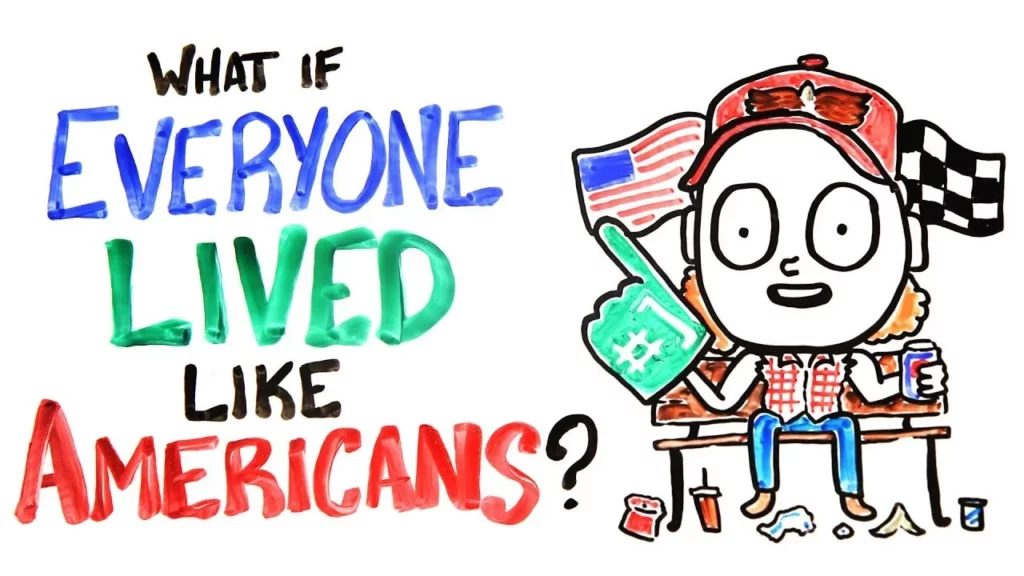
The lesson explores the implications of a global adoption of the American lifestyle, highlighting its significant impact on relationships, consumption habits, waste generation, and environmental consequences. It reveals that while Americans enjoy high levels of intimacy and longer life expectancy, their excessive driving, meat consumption, and waste production contribute to a disproportionately high environmental footprint, suggesting that if everyone lived like Americans, we would need multiple Earths to sustain such a lifestyle. Overall, the lesson emphasizes the need for awareness and consideration of the broader effects of lifestyle choices on the planet.
How To Fall Asleep In 2 Minutes

This lesson provides practical tips for improving sleep quality, such as maintaining a cooler room temperature, avoiding stimulants, and establishing a relaxing bedtime routine. It also introduces a two-minute sleep technique used by the U.S. Navy, which involves deep breathing and progressive muscle relaxation to help individuals fall asleep quickly. Consistency in sleep schedules is emphasized as a crucial factor in regulating the body’s internal clock for better rest.
Why Are Babies So Cute?
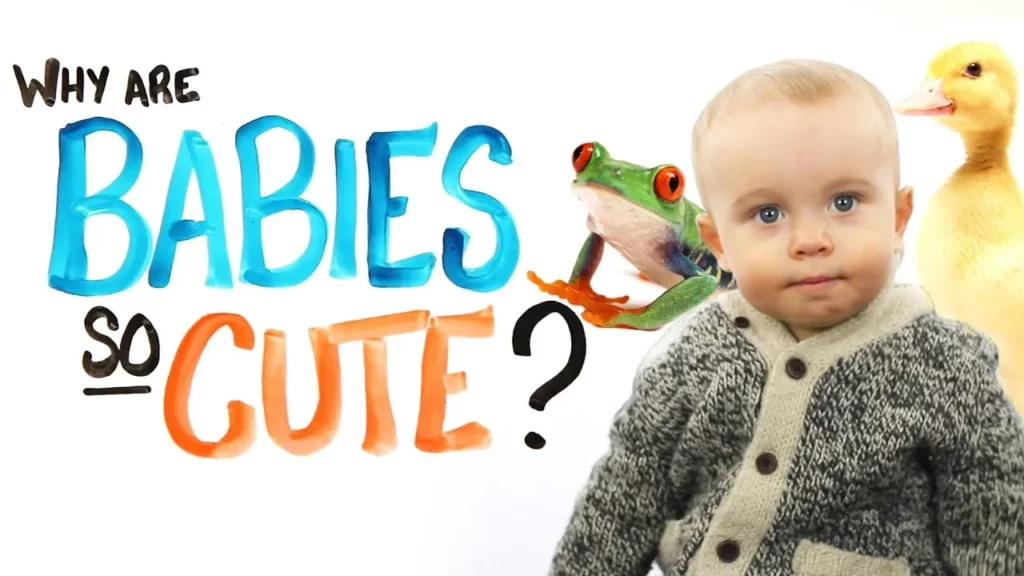
The lesson explores the reasons behind the cuteness of babies and baby animals, highlighting the evolutionary advantages that make us find certain features irresistible. It introduces the concept of “baby schema,” which includes traits like large heads and big eyes that trigger our nurturing instincts, and explains how our brain’s reward system responds to these cues, motivating us to care for them. Additionally, it notes that while many creatures are perceived as cute, not all are, prompting further exploration of this topic.