
The Creation of Pearls
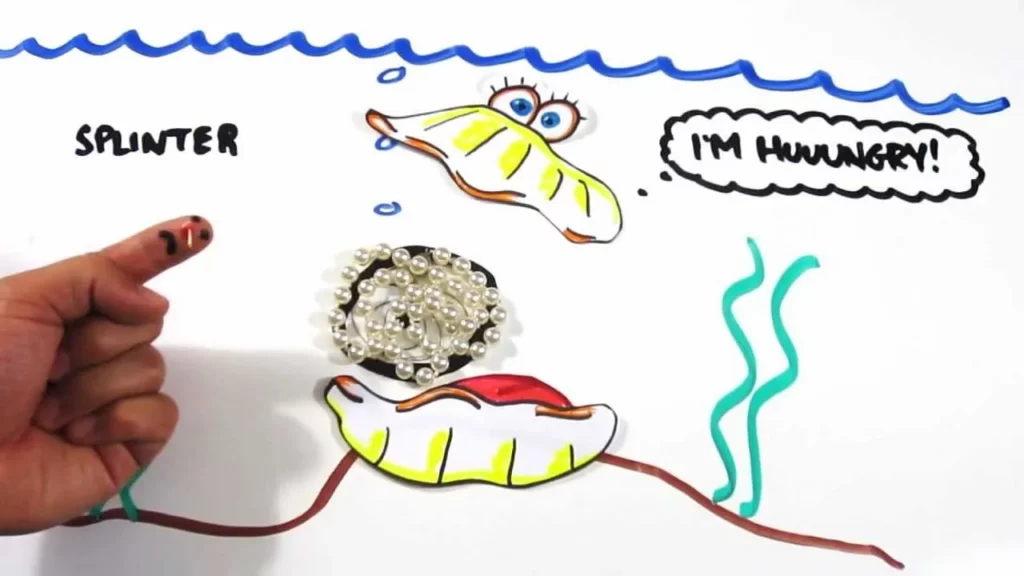
The lesson explains how pearls are created by oysters, which are mollusks that produce pearls as a defense mechanism against intruders like sand or parasites. When an object enters the oyster’s shell, it is coated with layers of calcium carbonate, eventually forming a pearl over time. The lesson also distinguishes between natural pearls, which form spontaneously, and cultured pearls, which are created with human assistance, and highlights the variety of colors that pearls can come in.
Why You're Not Successful
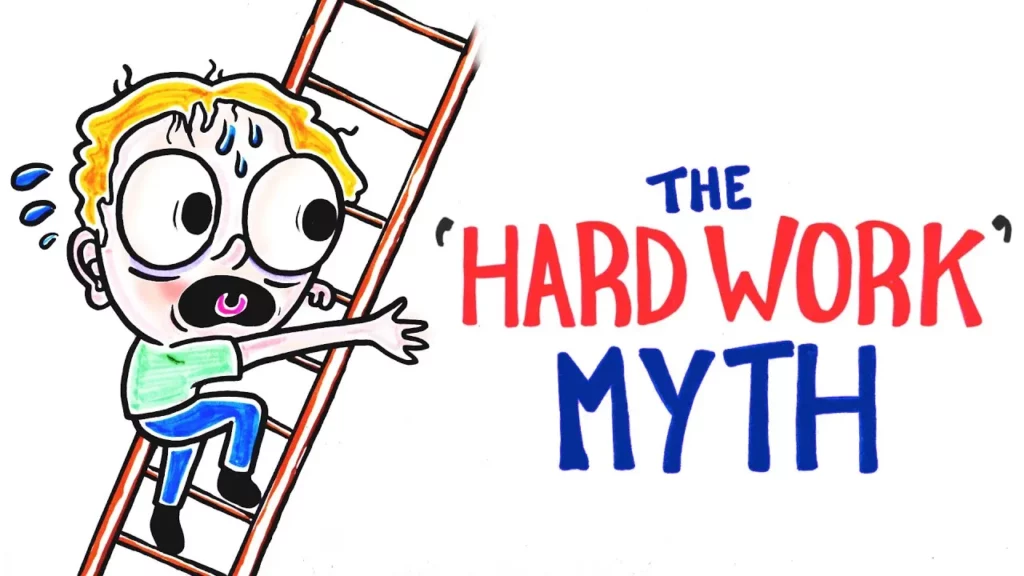
The lesson emphasizes that success is not solely determined by hard work; rather, it is influenced by a combination of genetics, environment, and diverse experiences. While dedication is important, factors such as natural talent, the quality of one’s peers, and varied life experiences play significant roles in achieving excellence. Ultimately, recognizing the interplay of these elements can lead to a more nuanced understanding of what it takes to succeed.
What Happens When You Freeze To Death?
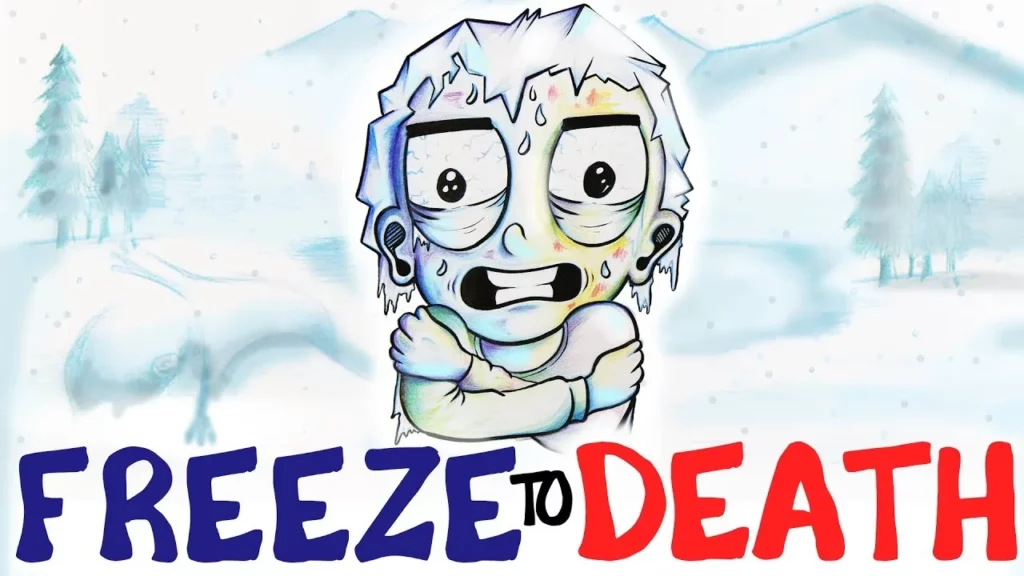
This lesson explains the physiological processes and dangers associated with extreme cold exposure, particularly focusing on hypothermia and frostbite. It details how the body attempts to maintain core temperature through mechanisms like vasoconstriction and shivering, and highlights the severe consequences of prolonged exposure, including organ failure and potential permanent damage to tissues and eyes. The lesson emphasizes the importance of understanding these risks and taking precautions to stay safe in cold environments, especially in light of increasing extreme weather conditions.
Why The Ancient Greeks Couldn't See Blue

The lesson explores the intriguing phenomenon of why the ancient Greeks lacked a word for the color blue, despite living in a region characterized by blue skies and waters. It highlights that color perception is influenced by language, as cultures typically name colors in a specific order, with blue being one of the last to be recognized due to its rarity in nature and the difficulty in creating blue pigments. Ultimately, the lesson emphasizes the connection between language and perception, illustrating how our understanding of colors shapes our worldview.
Debunking Anti-Vaxxers

The lesson “Debunking Anti-Vaxxers” addresses common misconceptions surrounding vaccinations, providing factual information to counter arguments against them. It emphasizes that vaccines are safe, effective, and crucial for both individual and community health, while debunking myths related to harmful ingredients, natural immunity, allergies, disease severity, autism, parental choice, and trust in pharmaceutical companies. Ultimately, the lesson advocates for informed decision-making regarding vaccinations, highlighting their significant role in reducing childhood mortality rates and protecting public health.
You Can't See This (MIND TRICKS)
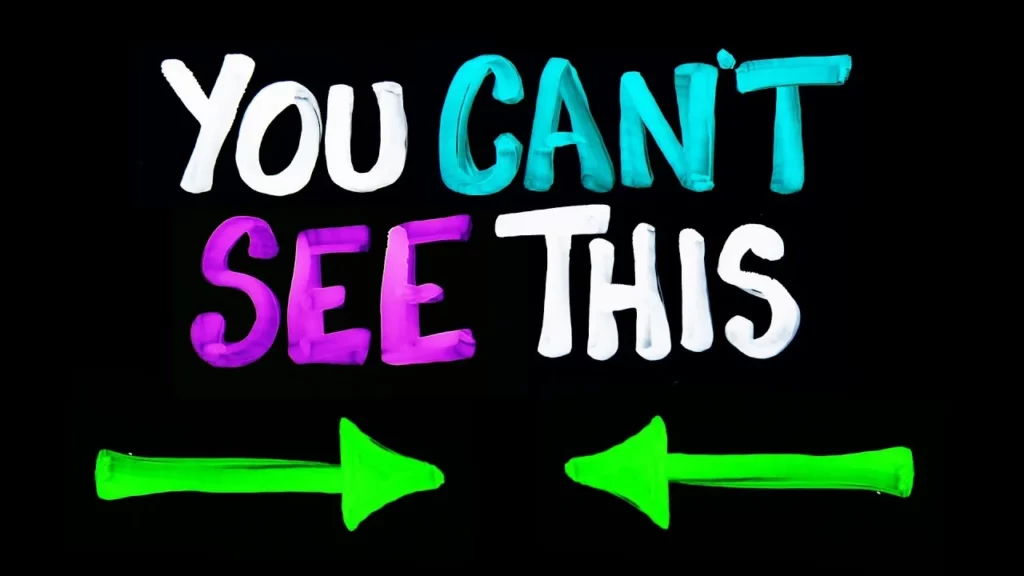
The lesson “You Can’t See This (Mind Tricks)” explores the concept of blind spots in vision, demonstrating how our eyes and brains can be tricked by illusions. It highlights how the brain fills in gaps in our perception, leading us to overlook details and make assumptions based on patterns, which can affect our understanding of what we see. Through various visual tricks and examples, the lesson illustrates the fascinating interplay between sight and cognition, emphasizing the brain’s role in processing information quickly for survival.
Your Brain On Ayahuasca: The Hallucinogenic Drug
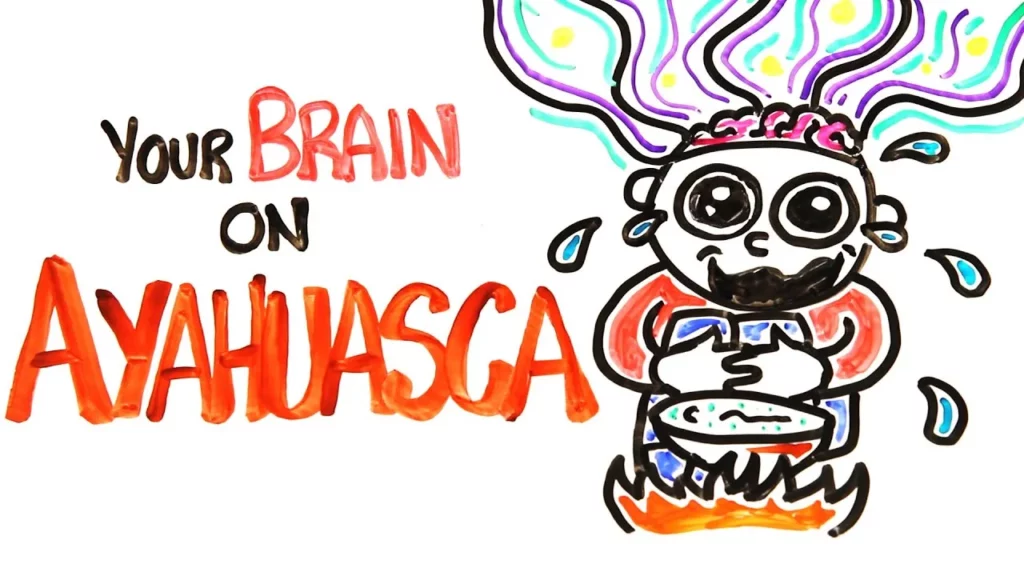
The lesson on ayahuasca explores its traditional use as a hallucinogenic drink among indigenous tribes in South America and its recent popularity for unique sensory experiences. It details how ayahuasca’s components work together to produce hallucinogenic effects, the impact on the brain and body, and the potential therapeutic benefits, such as reduced anxiety and enhanced neuroplasticity. However, it also highlights the risks associated with its use, including adverse physical reactions and safety concerns due to unqualified practitioners, emphasizing the need for further research before considering ayahuasca safe for recreational use.
Which of these TWO ways do you perceive time?
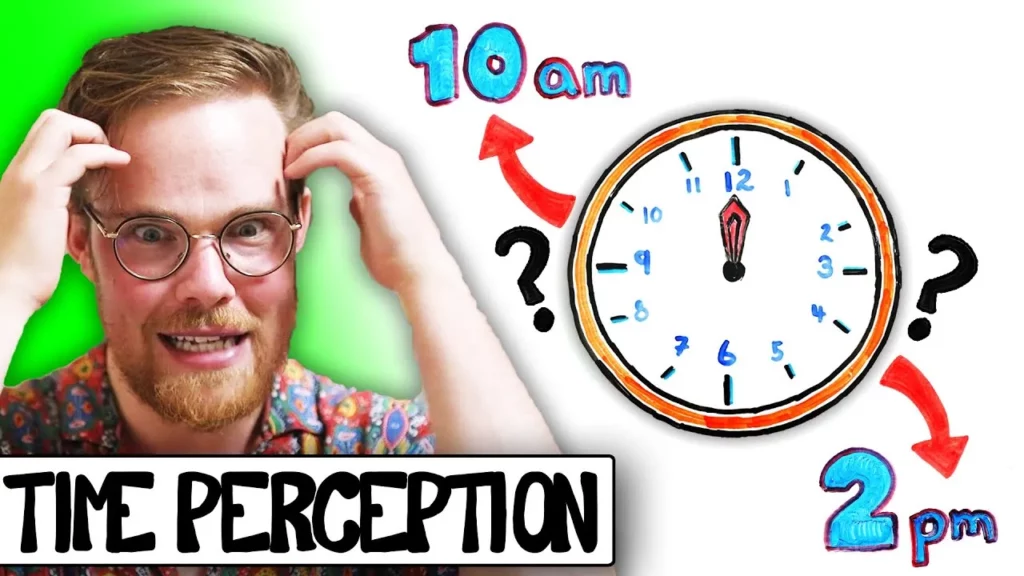
The lesson explores two distinct perspectives on time perception: the ego-moving perspective, where individuals see themselves moving through time, and the time-moving perspective, where time is viewed as flowing past a stationary self. It highlights how cultural contexts, personal experiences, and personality traits influence these perceptions, emphasizing the subjective nature of time despite its objective measurement. Engaging in discussions about these differing viewpoints can deepen our understanding of how we each experience the passage of time.
What Happens When You Quit Marijuana?
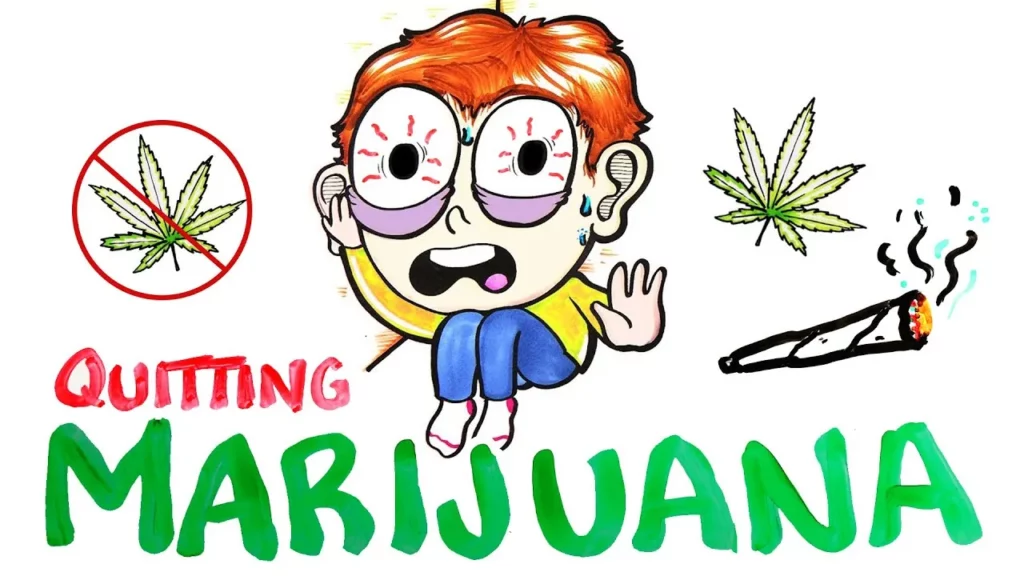
The lesson discusses the challenges and physiological changes associated with quitting marijuana, highlighting that withdrawal symptoms can begin within two days and may include irritability, anxiety, and sleep disturbances. It emphasizes the importance of understanding these symptoms, particularly for those who use marijuana frequently, as well as the recovery process, which involves the normalization of brain function over time. Ultimately, the lesson aims to empower individuals to make informed decisions about their marijuana use and health.
Gingers Can't Feel Pain Properly – THIS IS WHY!
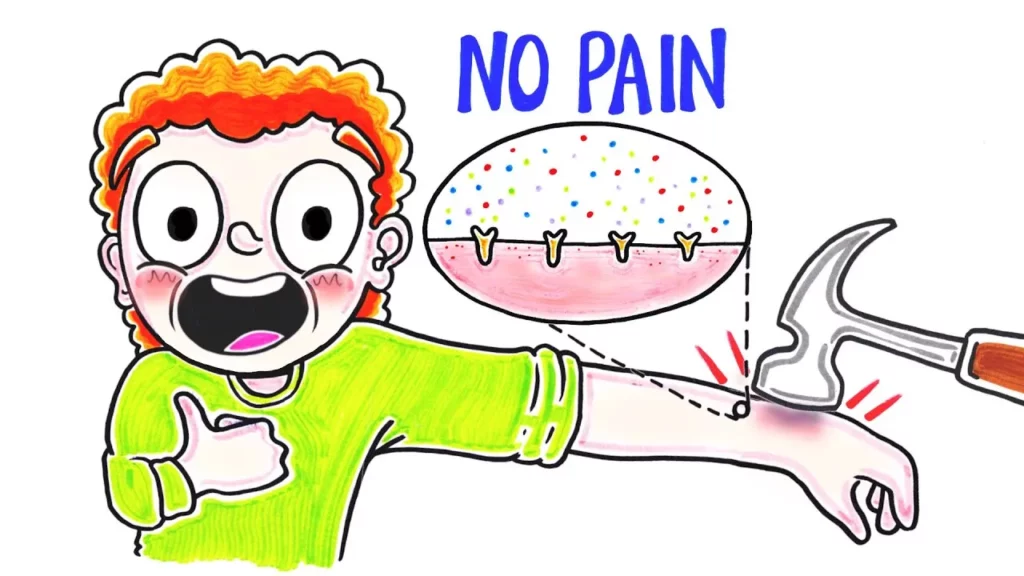
The lesson explores the unique pain perception of redheads, a group that constitutes about 1 to 2 percent of the global population. It highlights the role of the MC1R gene, which not only determines red hair but also influences pain tolerance and sensitivity, revealing that redheads may experience less pain overall but can be more sensitive to thermal pain. This understanding underscores the intricate relationship between genetics and individual experiences, emphasizing the importance of considering these differences in medical contexts.