
The Periodic Table Song (2018 Update!) | SCIENCE SONGS
In this lesson, students embark on an engaging exploration of the periodic table, learning about various elements and their significance in everyday life. The lesson highlights key elements, their properties, and their uses, while also explaining the organization of the periodic table, including the distinctions between noble gases, halogens, and alkali metals. By the end, students are encouraged to continue their scientific journey through additional resources and videos.
What your language says about you
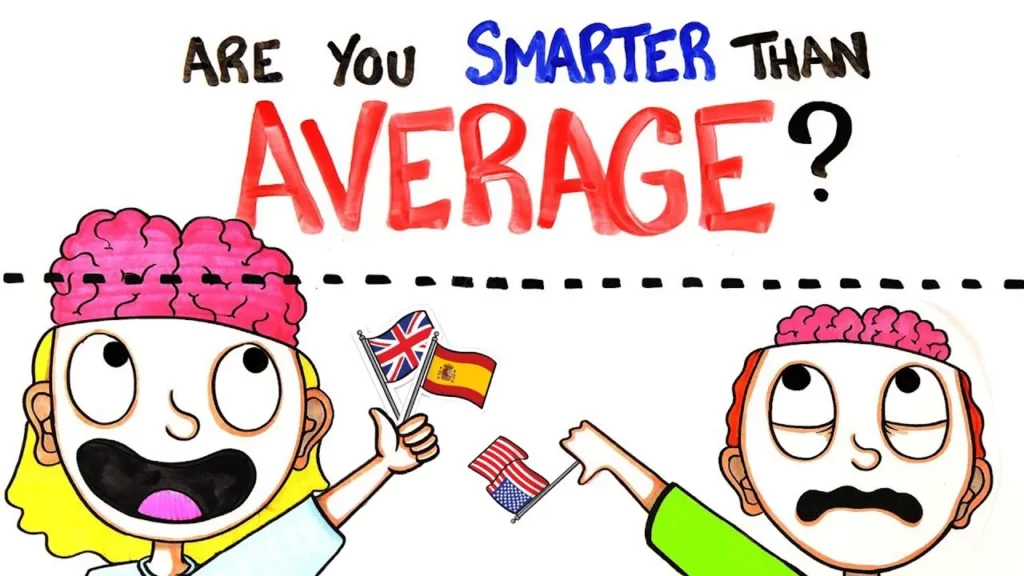
The lesson “What Your Language Says About You” highlights the cognitive and social benefits of bilingualism, emphasizing that learning a second language can enhance mental abilities, improve memory, and delay cognitive decline associated with aging. It discusses how bilingual individuals excel in problem-solving, creativity, and focus, while also debunking myths about language learning in children. Ultimately, the lesson encourages embracing language learning as a means to connect with diverse cultures and improve economic opportunities.
THC vs CBD: What's In Your Weed?
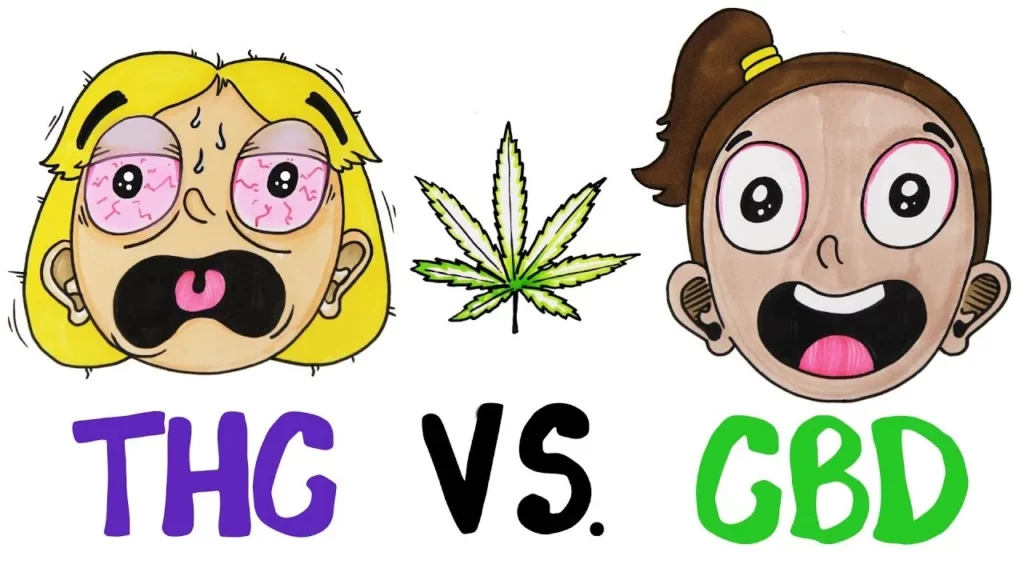
The lesson on THC and CBD highlights the key differences between these two compounds found in marijuana, particularly their interactions with the endocannabinoid system. THC is known for its psychoactive effects due to its binding to the CB1 receptor, while CBD does not produce a high and offers potential therapeutic benefits, such as reducing anxiety and inflammation. Understanding these distinctions is essential for consumers, especially as marijuana becomes more widely legalized and researched.
Do Periods Actually Make Women Moody? Ft. iiSuperwomanii
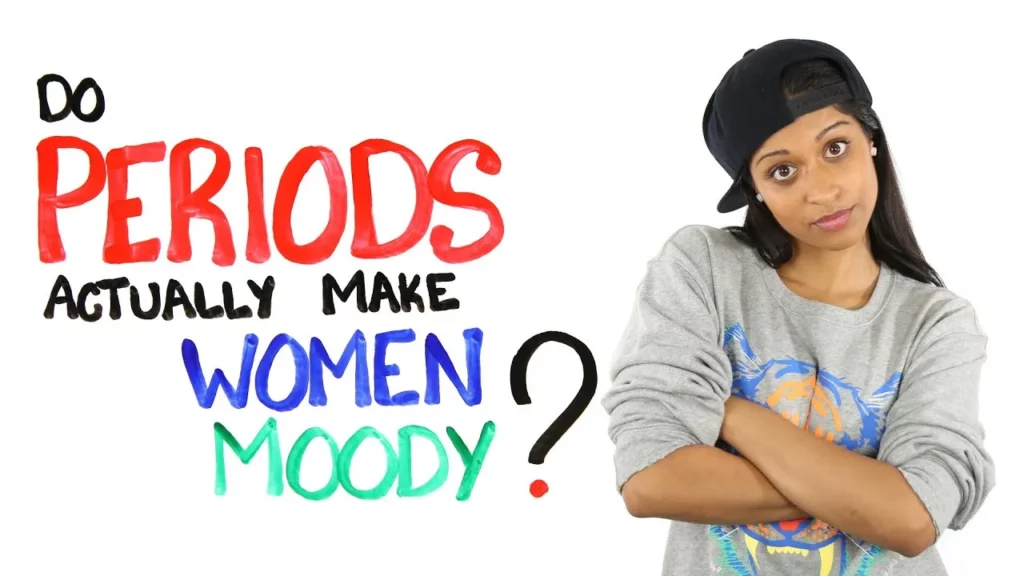
In this lesson, Lily, known as Superwoman on YouTube, shares her personal experience with menstruation and the confusion many girls face when they first get their period. The lesson explains the menstrual cycle, highlighting the role of hormones in preparing the body for potential pregnancy and the distinction between menstruation and premenstrual syndrome (PMS), which can cause various mood and physical symptoms. Ultimately, it emphasizes the importance of understanding and appreciating the menstrual cycle as a vital part of human existence.
Are Boys Smarter Than Girls?
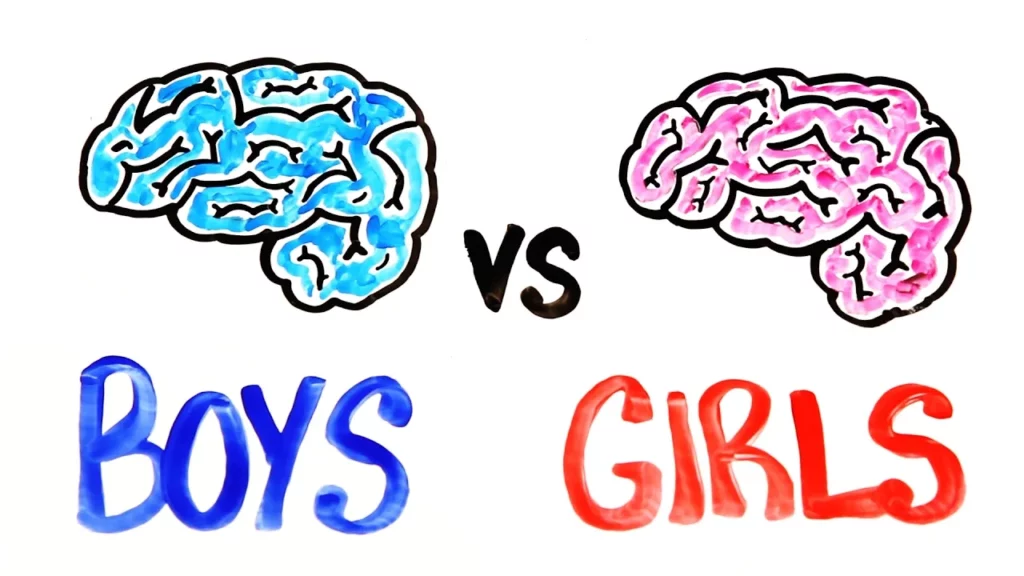
The lesson explores the long-standing debate about whether boys are smarter than girls, revealing that intelligence is not determined by gender. It discusses brain structure differences, intelligence test results, and academic performance, highlighting that while girls often excel in grades, boys may perform better on certain standardized tests. Additionally, the lesson addresses the impact of stereotypes and biases on performance, particularly in STEM fields, while also celebrating the progress women have made in science and education.
Are You Smarter Than Average?
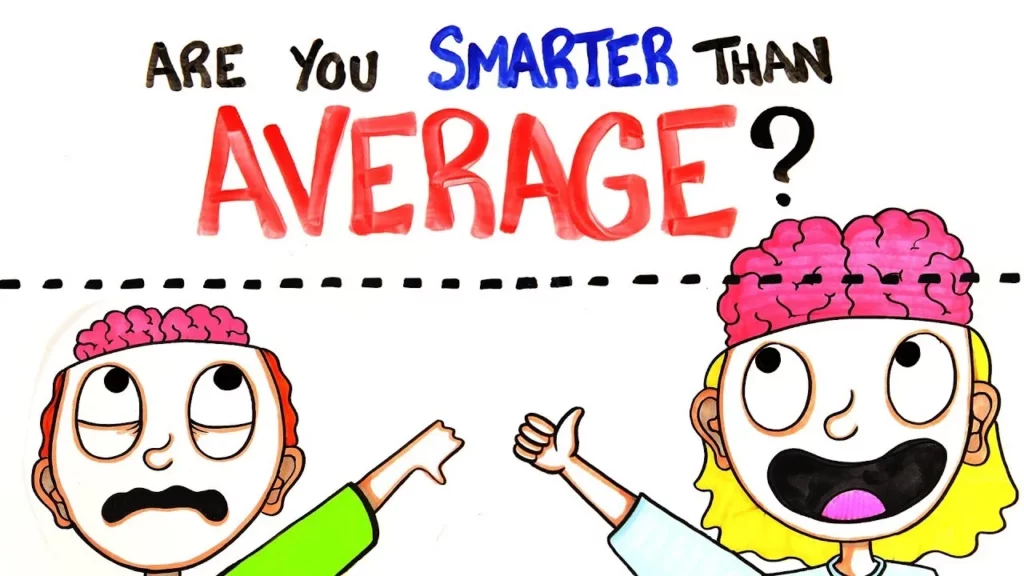
The lesson “Are You Smarter Than Average?” explores various factors that may influence intelligence, such as height, birth order, breastfeeding duration, and lifestyle choices like alcohol consumption and smoking. It highlights intriguing research findings, including the potential advantages of being tall or a firstborn, the impact of music lessons on verbal intelligence, and the correlation between creativity and left-handedness. Ultimately, the lesson encourages reflection on personal experiences and the traits associated with intelligence while promoting continuous learning through platforms like Skillshare.
The 6 Craziest Extinctions Ever
The lesson discusses the six most significant mass extinction events in Earth’s history, highlighting how drastic environmental changes led to the loss of a vast majority of species. It details the causes and consequences of each extinction, from the Ordovician to the Cretaceous, and raises concerns about the current rate of extinction driven by human activities, suggesting we may be on the brink of a sixth mass extinction. The lesson emphasizes the importance of understanding these historical events to comprehend the potential future of biodiversity on our planet.
The Biggest Lie About Microdosing
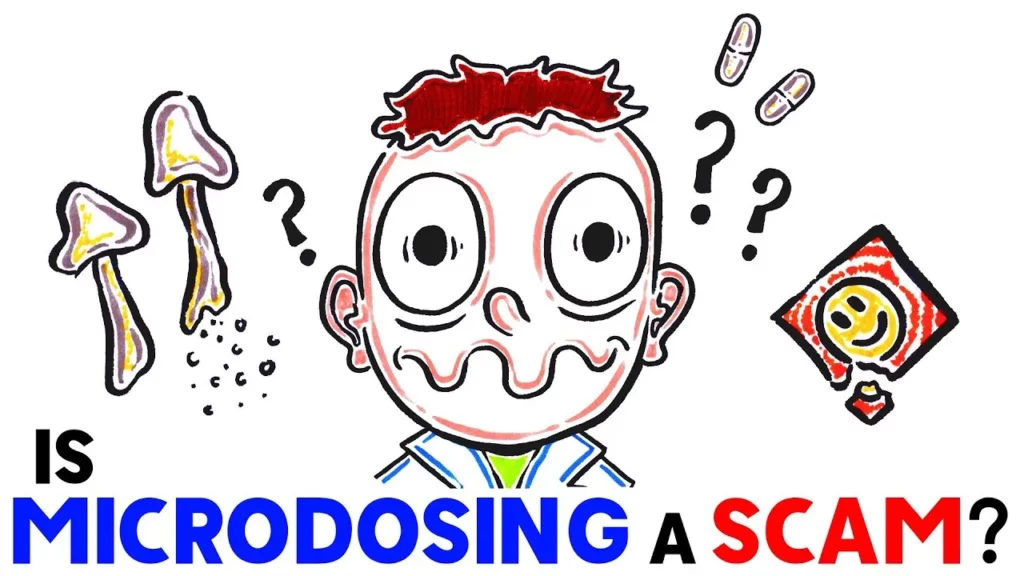
The lesson explores the growing trend of microdosing, particularly with psychedelics like psilocybin and LSD, and examines the claims surrounding its benefits, such as enhanced creativity and mood. Despite its popularity and the multi-billion dollar industry it has spawned, scientific studies have largely found no significant advantages of microdosing over placebos, raising skepticism about its purported effects. The lesson emphasizes the need for further research to understand the true impact of microdosing, as current evidence suggests that expectations may play a significant role in the perceived benefits.
How To Break Your Bad Habit
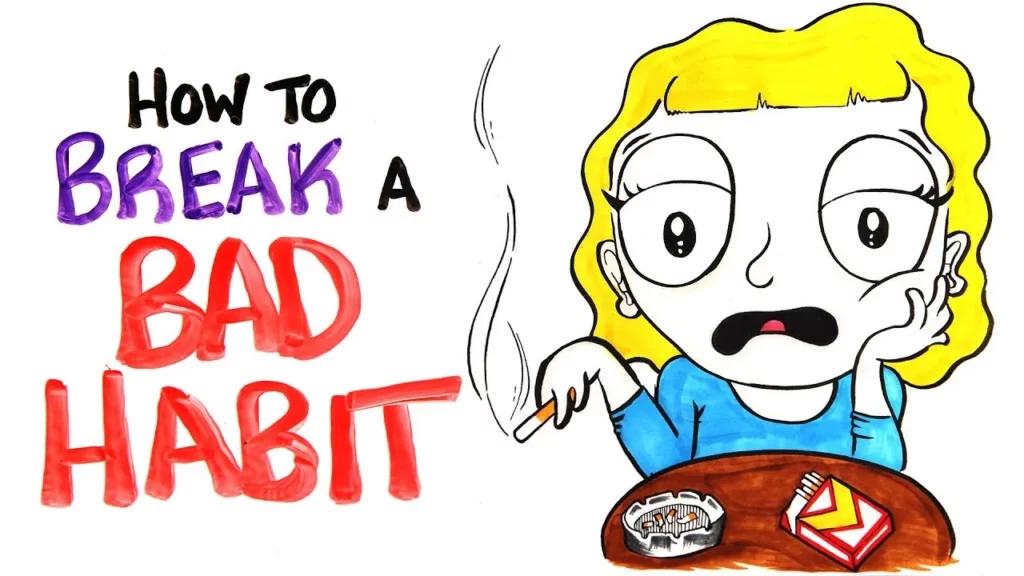
The lesson on breaking bad habits emphasizes the significant role that habits play in our daily lives, with nearly half of our actions being habitual. It explains the neurological basis of habits, particularly the habit loop consisting of cues, routines, and rewards, and highlights how these automatic behaviors can become ingrained, making them difficult to change. By understanding this process and identifying cues and rewards, individuals can work towards replacing negative routines with healthier alternatives, although it requires effort and persistence.
LAB RULES – Dua Lipa "New Rules" Parody | SCIENCE SONGS
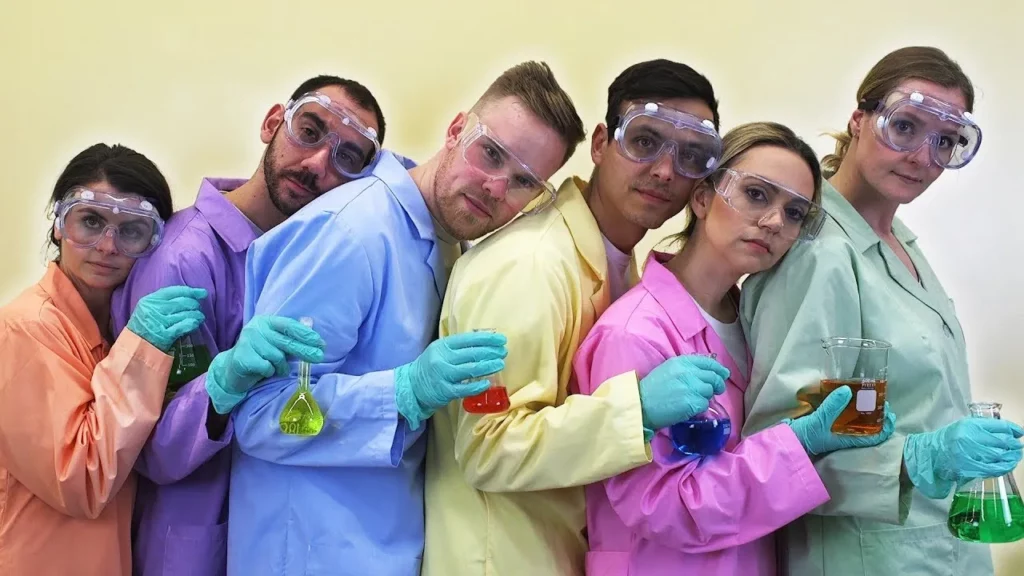
The lesson emphasizes the importance of safety in the science lab, highlighting essential rules to follow for a secure and enjoyable experience. Key points include dressing appropriately, using safe techniques for smelling substances, double-checking labels before mixing chemicals, and avoiding food and drinks in the lab to prevent contamination. By adhering to these guidelines, students can engage in scientific exploration while prioritizing their safety.