
Was legalizing weed a mistake?
The lesson explores Cannabis Hyperemesis Syndrome (CHS), a condition linked to excessive marijuana use that causes severe vomiting and has been increasingly reported in emergency rooms. It examines the science behind CHS, including its connection to the endocannabinoid system and the physiological effects of marijuana on nausea and appetite regulation. The lesson raises important questions about the implications of rising CHS cases on marijuana legalization, emphasizing the need for greater awareness and further research on this emerging condition.
What Happens When You Quit Steroids?
The lesson discusses the physiological effects of quitting steroids, highlighting the timeline of changes that occur in the body after cessation. Initially, users may experience fatigue and hormonal imbalances, leading to further complications such as muscle pain, erectile dysfunction, and mood changes over time. Ultimately, the lesson emphasizes the importance of understanding these effects and encourages individuals to consider natural fitness methods to avoid the negative consequences associated with steroid use.
Why do gay people sound like that?

The lesson explores the concept of the “gay voice,” examining scientific research that investigates distinct speech patterns associated with gay men, such as higher pitch variation and clearer articulation of sounds. It highlights how these speech characteristics may transcend cultural boundaries and how individuals often adapt their vocal styles based on their audience. Additionally, the lesson touches on the relationship between speech and identity, noting that while some stereotypes exist, research shows that gay male speech is unique and not simply a mimicry of female speech.
Is Calorie Counting a SCAM?
The lesson explores the concept of calories as a unit of energy and emphasizes that not all calories are equal, as their nutritional value and the body’s processing of them can vary significantly. It highlights the limitations of calorie counting, noting that factors such as food source, digestion, genetics, and the microbiome influence how calories are absorbed and utilized by the body. Ultimately, the lesson encourages a more nuanced understanding of calories beyond mere numerical values.
Why Do We Yawn?
The lesson explores the phenomenon of yawning, highlighting that it is a behavior observed in many animals and serves various functions, such as brain cooling rather than merely increasing oxygen intake. It also delves into the contagious nature of yawning, linking it to empathy and the role of mirror neurons, which activate when we observe others yawning, fostering social connections. Overall, yawning is presented as a complex behavior with both physiological and social implications.
The Science of Being Transgender ft. Gigi Gorgeous
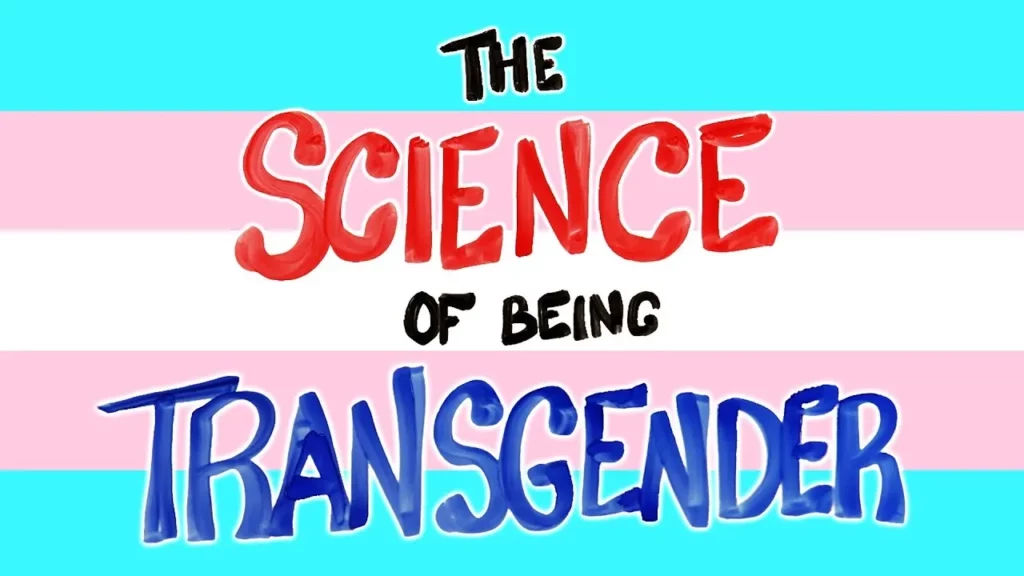
The lesson explores the scientific understanding of transgender identity, focusing on the genetic, neurological, and psychological aspects that contribute to gender identity. It highlights how genetic sex is determined at fertilization, the differentiation of brain structures, and the potential genetic components linked to transgender identity. Additionally, it addresses the mental health challenges faced by transgender individuals and emphasizes the importance of support and acceptance in alleviating emotional distress.
What Happens When You Quit Salt?
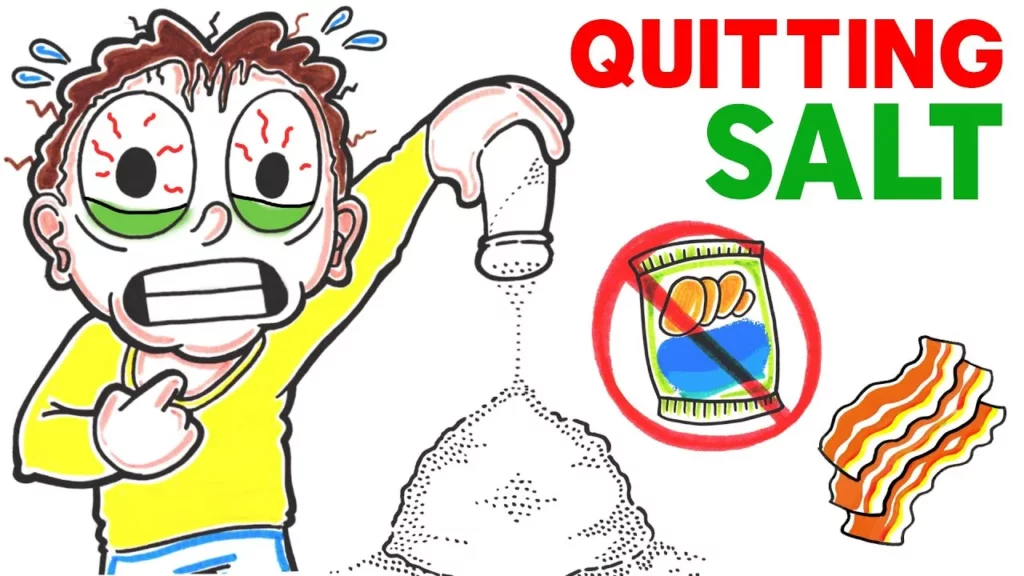
The lesson discusses the implications of reducing salt intake, highlighting that while high salt consumption is linked to various health issues, cutting back can lead to lower blood pressure, reduced stress, and decreased bloating over time. It emphasizes the importance of maintaining a balanced sodium intake, as completely eliminating salt can result in severe health risks, including hyponatremia. Ultimately, moderation is key, and individuals should consult healthcare professionals to determine their optimal salt consumption levels.
SCIENCE WARS – Acapella Parody | SCIENCE SONGS
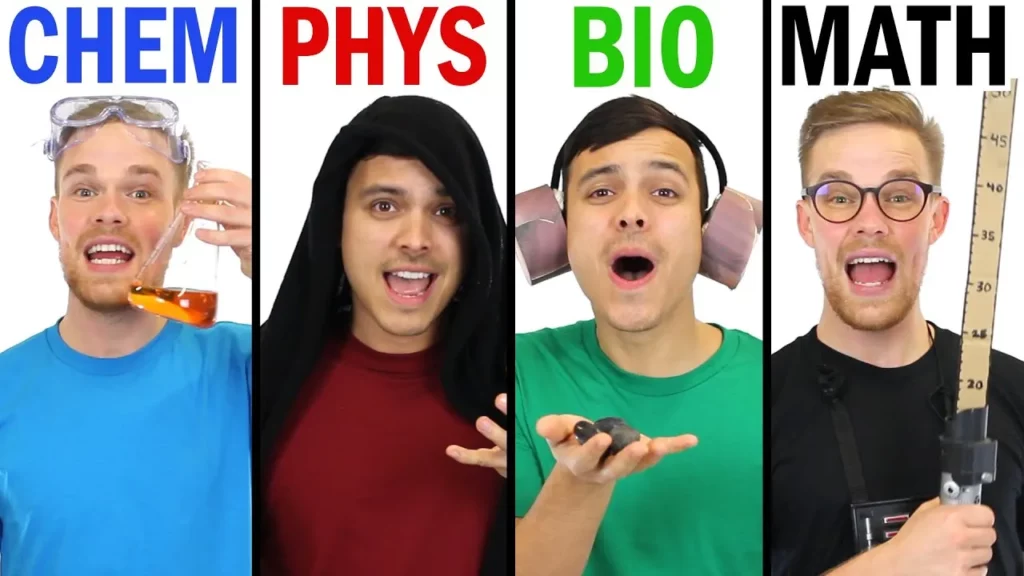
In the lesson “Science Wars: A Fun Look at Science Fields,” students explore the unique contributions of four major scientific disciplines: Physics, Chemistry, Biology, and Mathematics. Each field is presented with its distinct focus—Physics on forces and energy, Chemistry on molecular interactions, Biology on the study of life, and Mathematics as the foundational language of science—highlighting how they collectively enhance our understanding of the universe. Ultimately, the lesson encourages students to appreciate the strengths of each discipline and consider their interconnections in answering life’s profound questions.
Smoking vs Juuling
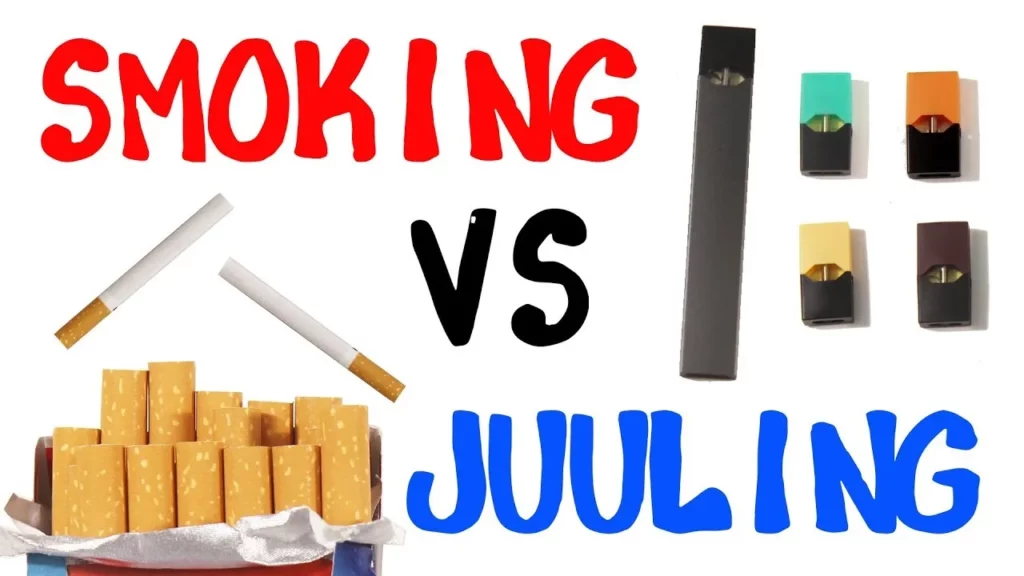
The lesson compares smoking cigarettes and using Juuls, highlighting their differences in composition, cost, and health implications. While smoking involves burning tobacco and releasing harmful chemicals, Juuling uses a battery-operated device that vaporizes e-liquid, potentially producing fewer toxins. Despite Juuling being perceived as a safer alternative, both methods deliver addictive nicotine, and the best choice for health is to avoid nicotine products altogether.
Your Brain On Edible Marijuana
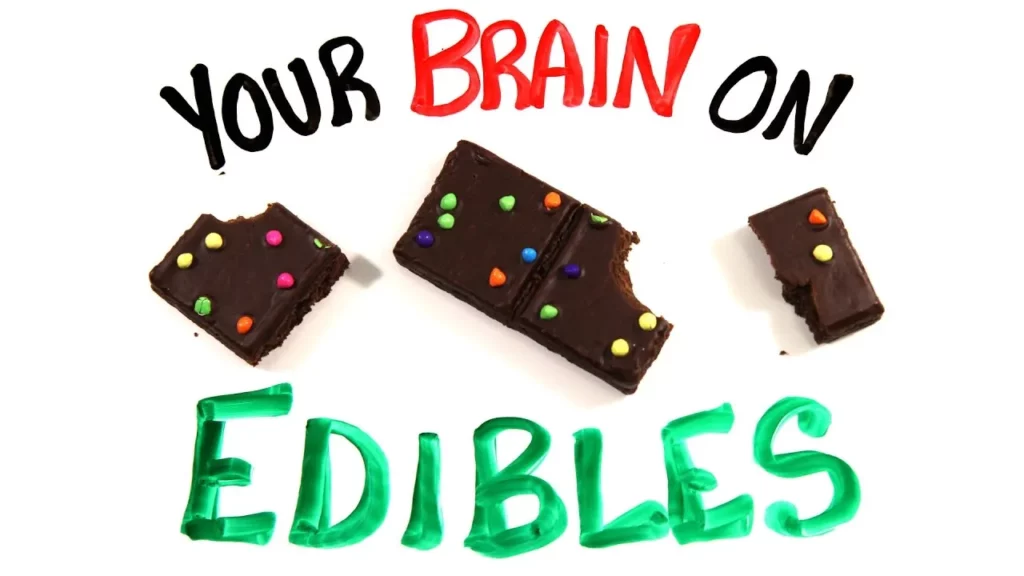
This lesson explores the differences between consuming marijuana through smoking versus edibles, highlighting the unique experiences and effects each method provides. Edibles, which are made by infusing THC into fats, offer a delayed but often more intense high due to the liver’s conversion of THC into a more potent compound, 11-OH-THC. While edibles can be a healthier alternative to smoking by avoiding harmful chemicals, they also present challenges in dosage control and onset time, making it important for users to approach them with caution.