
Your Brain on LSD and Acid
The lesson explores the effects of LSD, or acid, on the brain and body, detailing its origins, mechanisms of action, and potential therapeutic benefits. LSD primarily interacts with serotonin receptors, leading to altered perceptions and vivid hallucinations, while also promoting changes in consciousness and emotional well-being. Additionally, the lesson discusses the growing trend of microdosing and the associated risks, emphasizing the need for caution as research on LSD’s effects and benefits continues to evolve.
How To Improve Your Memory RIGHT NOW!
This lesson outlines practical strategies to enhance memory immediately, emphasizing the importance of regular aerobic exercise, nutritious snacks like blueberries, and maintaining strong social connections. It also highlights the benefits of memory training and managing stress effectively, while introducing LastPass as a tool to help manage forgetfulness related to passwords. By incorporating these techniques, individuals can significantly boost their memory and cognitive abilities.
This Much Will Kill You
The lesson “This Much Will Kill You” highlights the dangers of consuming excessive amounts of various substances, including common items like coffee, alcohol, and even water, which can lead to serious health issues or death. It emphasizes that moderation is key, as even seemingly harmless substances can become toxic at high levels, and it encourages awareness of the risks associated with everyday activities and items. Understanding these dangers can help individuals make safer choices in their daily lives.
The 9 BEST Scientific Study Tips

This lesson outlines nine scientifically-backed study tips designed to help students study more effectively and achieve better grades. Key strategies include studying in short sessions, establishing a routine, utilizing active learning techniques like flashcards and teaching others, and minimizing distractions in a designated study space. By implementing these methods, students can enhance their understanding and retention of material while reducing stress during exam preparation.
The Science of Depression
The lesson on “The Science of Depression” explores the complexities of depression, emphasizing that it affects over 350 million people worldwide and is influenced by various biological, psychological, and social factors. While the traditional chemical imbalance theory, particularly regarding serotonin, has been prominent, recent research highlights the importance of brain cell growth and genetic predispositions in understanding and treating depression. The lesson advocates for a broader perspective on depression as a multifaceted condition, encouraging further research and awareness.
Which Came First – The Chicken or the Egg?

The lesson explores the age-old question of whether the chicken or the egg came first, examining both sides of the argument. It concludes that while animals that lay eggs existed before chickens, the definition of a “chicken egg” complicates the issue, as it could refer to an egg laid by a chicken or one that contains a chicken. Ultimately, the lesson suggests that the egg came first, as the first chicken likely hatched from an egg laid by a proto-chicken, emphasizing the gradual nature of evolution and species development.
What Happens When You Stop Smoking?
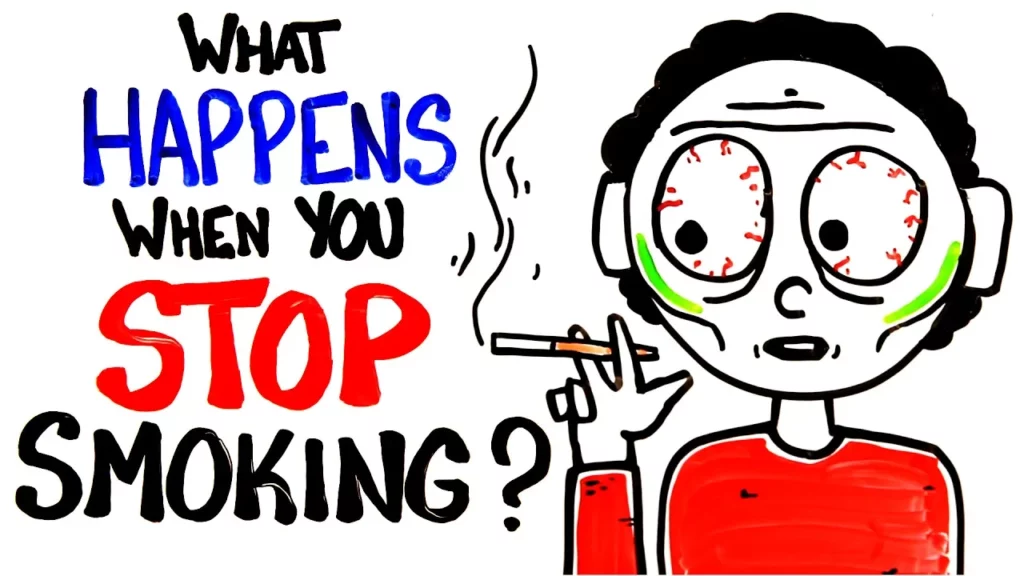
The lesson outlines the significant health benefits and physiological changes that occur when a person quits smoking, starting from just 20 minutes after cessation to as long as 15 years later. Initially, improvements in heart rate and blood pressure are observed, followed by a reduction in carbon monoxide levels and enhanced lung function over time. Ultimately, quitting smoking leads to a substantial decrease in the risk of serious health issues, such as heart disease and cancer, highlighting the long-term advantages of cessation despite the challenges of withdrawal.
Talent vs Training
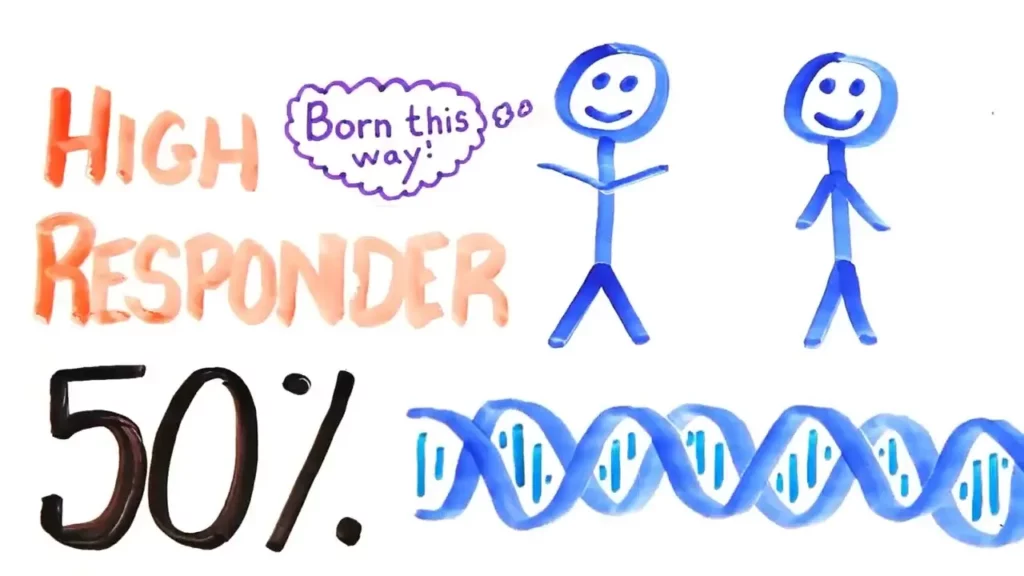
The lesson “Talent vs Training” explores the interplay between genetics and training in achieving excellence in sports, music, or gaming. Research indicates that about 50% of an individual’s potential for improvement in sports is influenced by their genetic makeup, with some people being “high responders” to training due to favorable genes. Ultimately, the most successful athletes combine hard work with advantageous genetics, highlighting the importance of both talent and training in realizing one’s potential.
Can You Trust Your Ears? (Audio Illusions)
The lesson “Can You Trust Your Ears? (Audio Illusions)” explores various audio illusions that demonstrate how our perception of sound can be influenced by visual cues and context. Through examples like the McGurk Effect, the Tritone Paradox, and the Shepard Tone Illusion, it highlights the complexities of auditory perception and how our brains interpret sounds differently based on individual experiences and environmental factors. Ultimately, the lesson encourages curiosity about the science of sound and its profound impact on our understanding of music and perception.
What If You Stopped Drinking Water?
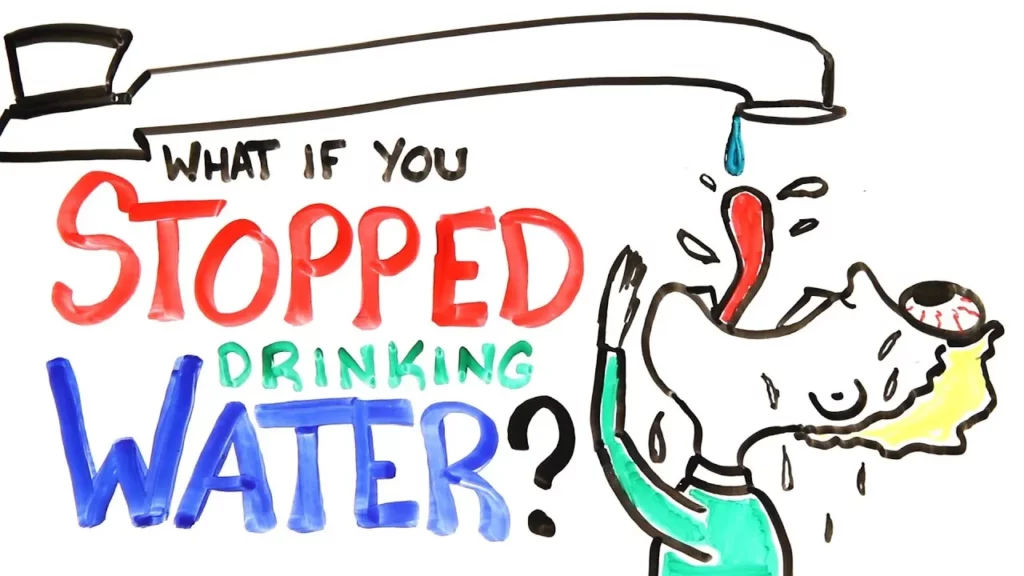
The lesson emphasizes the critical importance of water for human survival, detailing the physiological effects of dehydration and the body’s mechanisms for signaling thirst. It highlights the global water crisis, with millions lacking access to clean water, and encourages proactive solutions and individual actions to help address this issue. The lesson also showcases innovative technologies, like NASA’s water recycling systems, while promoting awareness and participation in initiatives like World Water Day.