
What Happens If All The Bees Die?
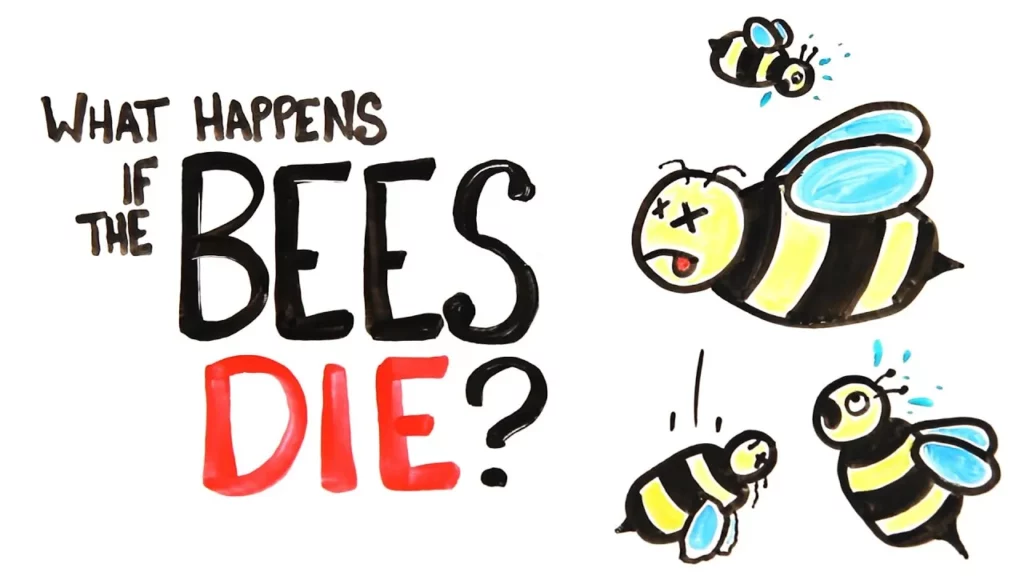
The lesson emphasizes the critical role bees play in pollinating a significant portion of the food we consume, contributing to about 70% of fruits, vegetables, seeds, and nuts, which is valued at nearly $200 billion in global agriculture. With alarming declines in bee populations due to factors like colony collapse disorder and harmful pesticides, the potential disappearance of bees could disrupt food chains and limit dietary diversity, leading to economic challenges. While humans may not face extinction without bees, their absence would profoundly impact our ecosystems and food supply, highlighting the urgent need for bee conservation efforts.
How Much Sleep Do You Actually Need?
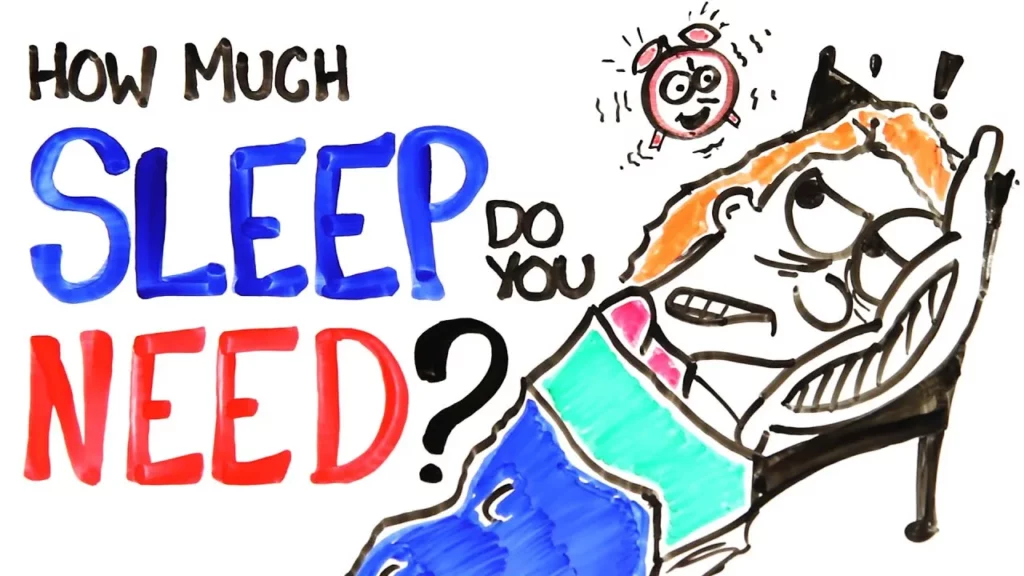
The lesson emphasizes the critical importance of sleep for cognitive function and overall health, highlighting that most adults require seven to eight hours of sleep for optimal performance. It discusses the concept of sleep debt, noting that while short-term sleep deprivation can be recovered from, long-term deficits may lead to lasting effects on brain function. Additionally, individual sleep needs can vary due to genetic factors, underscoring the importance of listening to one’s body to determine the right amount of sleep.
What If You Stopped Eating?
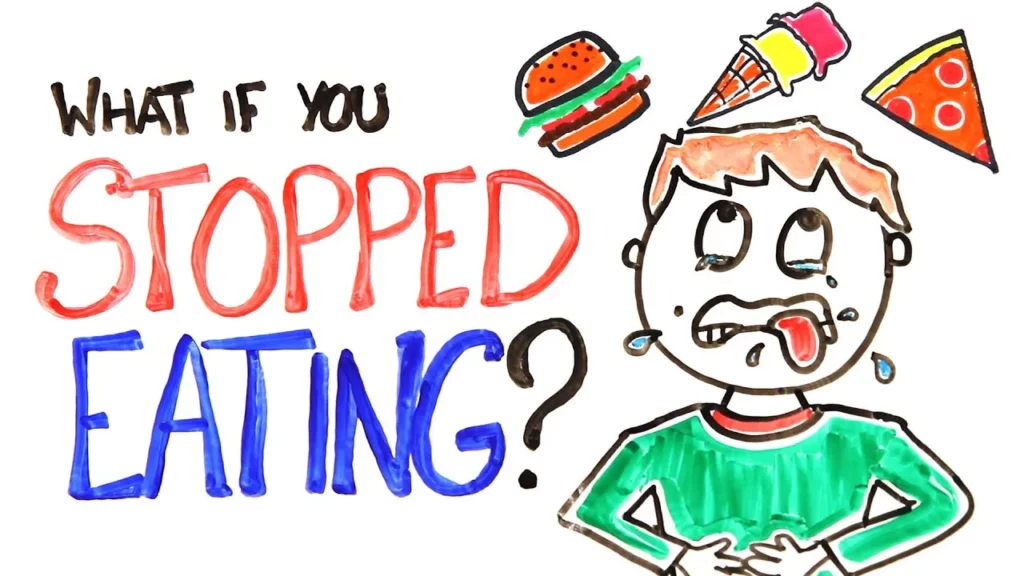
The lesson explores the physiological effects of stopping food intake, detailing the body’s transition from using glycogen for energy to entering ketosis and eventually breaking down proteins after prolonged fasting. It highlights the serious health consequences of starvation, including muscle loss, hormonal disruptions, and potential organ failure, while also addressing the global issue of hunger and the efforts to combat it. The lesson encourages awareness and action towards alleviating hunger, emphasizing the importance of collective responsibility in addressing this critical issue.
The Science of Pornography Addiction (SFW)
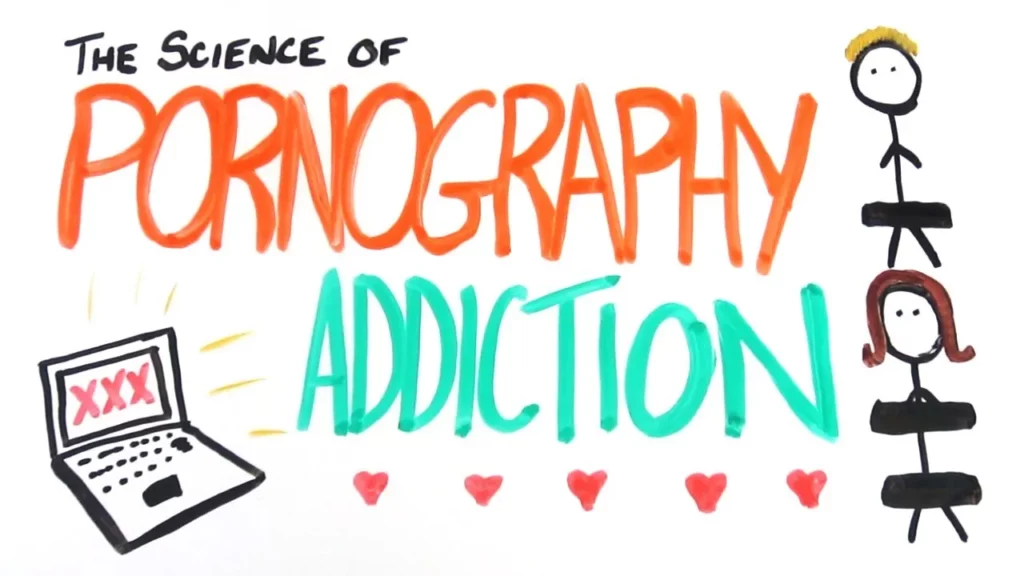
The lesson on “The Science of Pornography Addiction” explores how the widespread availability of pornography can significantly influence individual sexual desires and perceptions, potentially leading to addiction. It highlights the brain’s response to pornography, particularly the role of dopamine in reinforcing behaviors and creating a feedback loop that can diminish real-life sexual satisfaction and affect relationships. However, it also emphasizes the potential for recovery and the development of healthier habits through understanding and utilizing the brain’s neuroplasticity.
Does Sex Affect Athletic Performance?
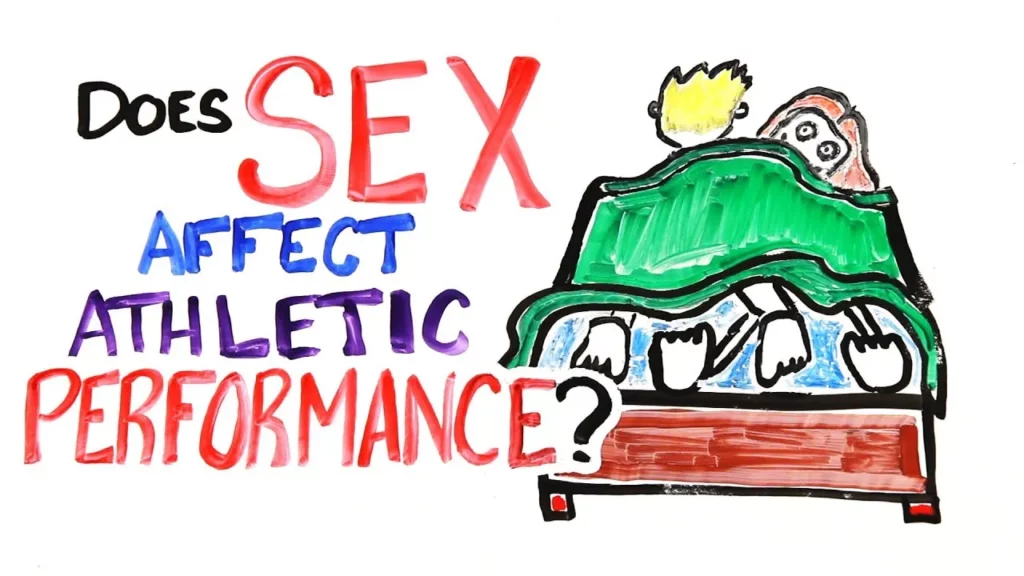
The lesson explores the relationship between sexual activity and athletic performance, highlighting historical beliefs and modern scientific perspectives. While ancient civilizations viewed abstaining from sex as a way to preserve strength, contemporary research suggests that sexual activity may actually boost testosterone levels and not significantly impact physical performance. Ultimately, the effects of sex on athletes vary individually, with some benefiting from the stress relief it provides, while others may prefer to focus on rest and energy conservation before competitions.
8 Sick Remedies That Actually Work – Scientifically!
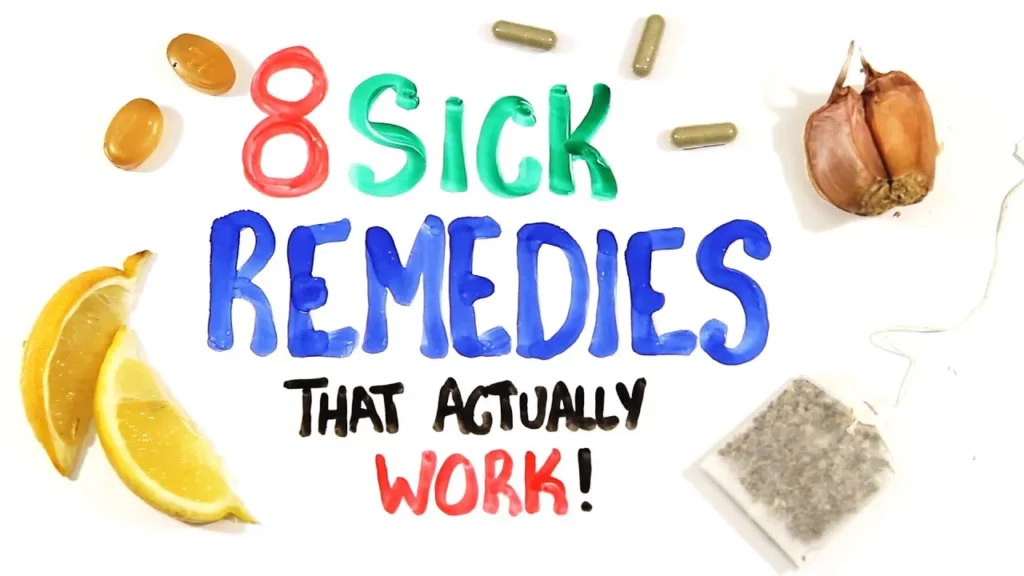
The lesson discusses eight scientifically supported remedies for alleviating cold symptoms, emphasizing the importance of nutrient-rich foods, hydration, and rest for recovery. It highlights the benefits of chicken soup, vitamin C, honey, garlic, and echinacea, while also addressing common misconceptions about remedies like “an apple a day.” Ultimately, it encourages a balanced approach to healing, combining effective remedies with essential self-care practices.
What If You Stopped Brushing Your Teeth Forever?
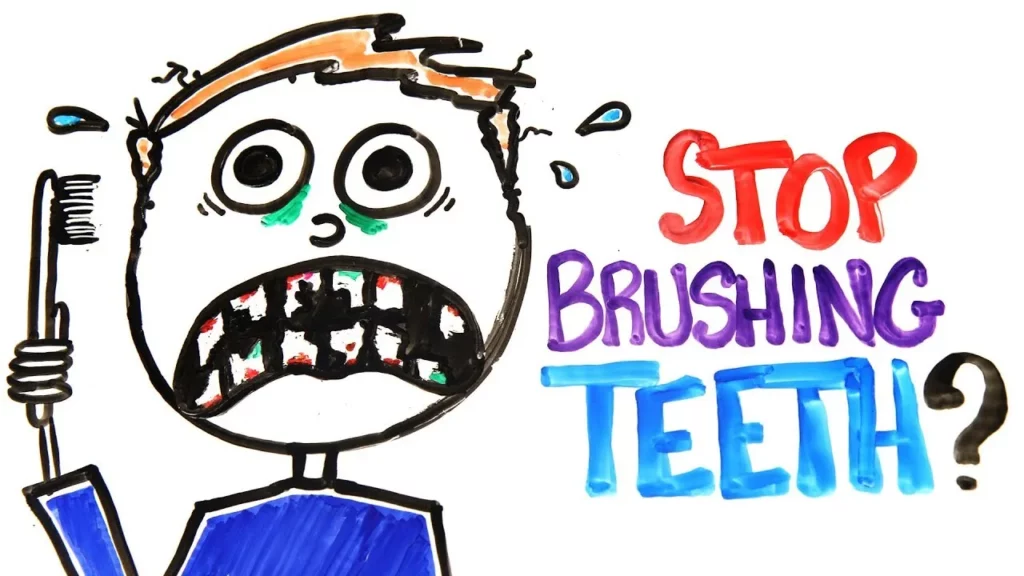
The lesson explores the consequences of not brushing your teeth, highlighting the rapid growth of harmful bacteria and plaque that begins within days and leads to serious dental issues over time. After a month, one may experience cavities and gingivitis, while neglecting oral hygiene for a year can result in periodontitis, potentially causing tooth loss and systemic health problems. The importance of regular brushing is emphasized as a crucial practice for maintaining both oral and overall health.
Why Do We Like Our Own Farts?
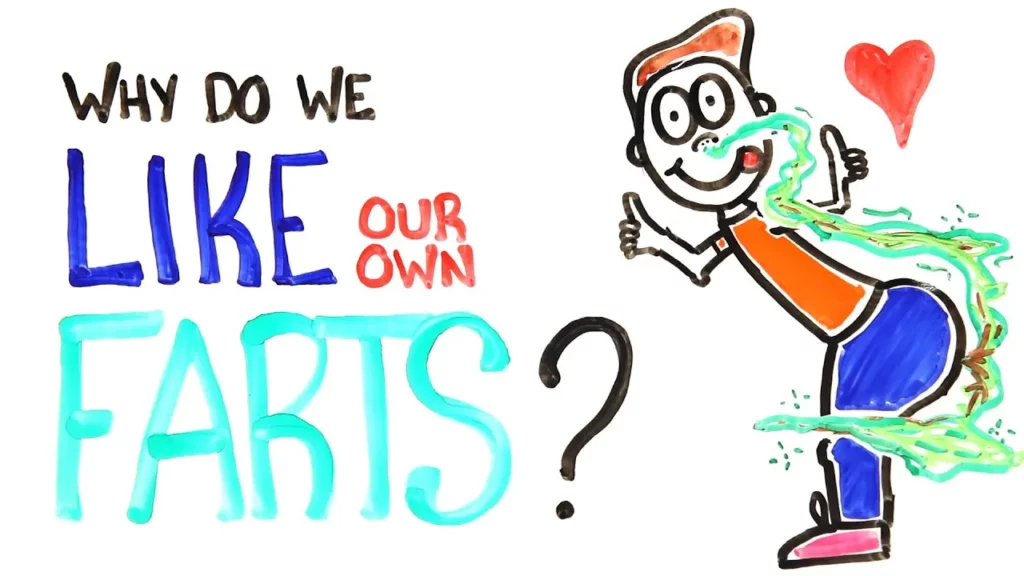
The lesson explores why people tend to prefer the smell of their own farts compared to others, attributing this phenomenon to familiarity and evolutionary factors that make us more sensitive to unfamiliar odors. It explains that our unique body bacteria create a distinct scent that our brains recognize, while also highlighting that cultural and individual differences can influence how we perceive farts. Additionally, the lesson touches on the potential for farts to spread disease and the brain’s role in processing unexpected smells.
Butter vs Margarine
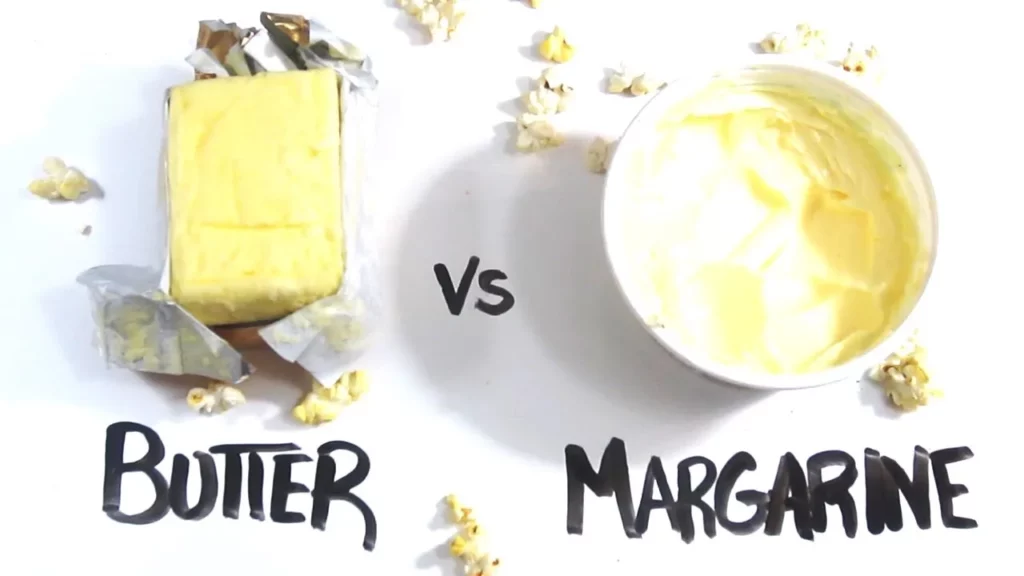
The lesson explores the differences between butter and margarine, highlighting their ingredients, health implications, and processing methods. Butter, made from cream, is high in saturated fats, while margarine, derived from plant oils, can contain unhealthy trans fats due to hydrogenation. Ultimately, the lesson emphasizes the importance of reading labels and considering healthier alternatives, such as vegetable oil spreads or olive oil, to make informed dietary choices.
Can Stress Actually Kill You?
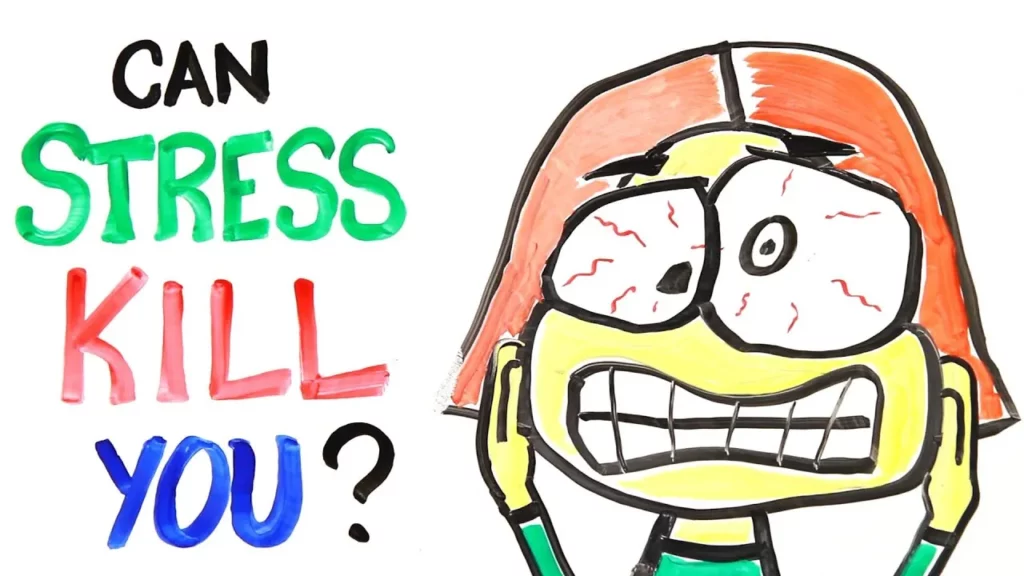
The lesson explores the significant impact of stress on health, highlighting that while stress is a natural biological response to danger, chronic stress can lead to severe health issues, including heart disease and weakened immune function. It discusses the phenomenon of “Karoshi” in Japan, where individuals die from stress-related conditions, and emphasizes the detrimental effects of stress on both the body and brain. However, it also offers hope by suggesting that positive social interactions and the hormone oxytocin can help mitigate stress and promote better health.