
Your Brain on Drugs: Marijuana
The lesson explores the effects of marijuana on the brain, highlighting how its cannabinoids, particularly THC, interact with neurotransmitters to alter mood, perception, and cognitive functions. By disrupting the natural processes of neuron communication, marijuana can intensify thoughts and emotions, leading to both positive feelings like relaxation and negative effects such as anxiety. Understanding these interactions provides insight into the powerful influence of marijuana on mental processes and behavior.
Your Brain on Drugs: Alcohol
The lesson “Your Brain on Drugs: Alcohol” explores how alcohol affects the brain by interacting with neurotransmitters, specifically suppressing excitatory glutamate and enhancing inhibitory GABA. This alteration leads to decreased information flow and increased inhibition, resulting in the characteristic feelings of relaxation and clarity associated with intoxication, while also impairing perception and memory. Ultimately, the lesson highlights alcohol’s role as a depressant and its profound impact on thoughts and behaviors.
The Monty Hall Problem – Explained
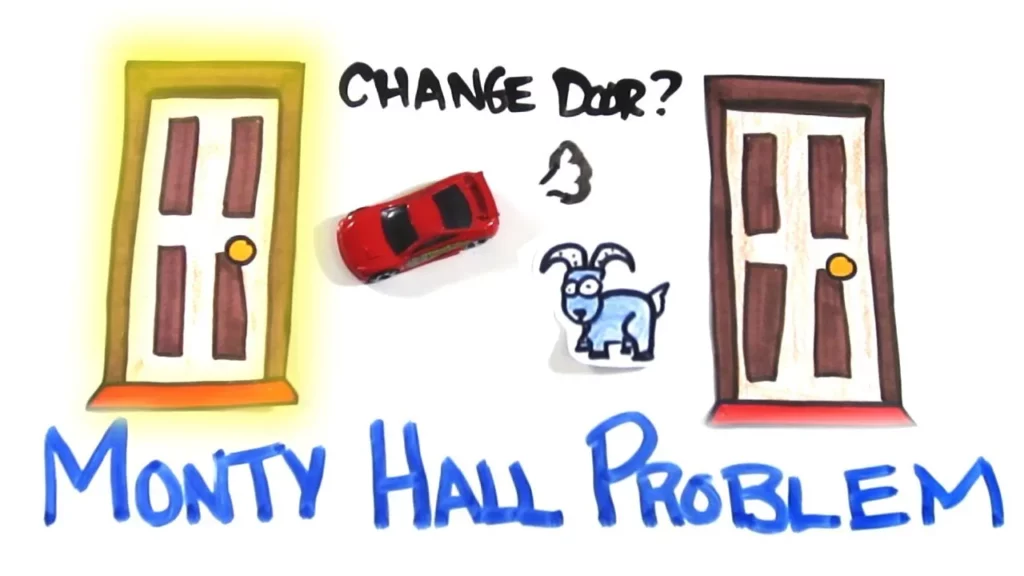
The Monty Hall Problem illustrates a counterintuitive probability scenario in a game show setting, where a contestant must decide whether to stick with their initial choice of door or switch after one door is revealed to contain a goat. Initially, the contestant has a 1 in 3 chance of selecting the car, but after the host opens a door to show a goat, switching increases the odds of winning the car to 2 out of 3. This paradox challenges our intuition, as many believe the odds become equal after one door is opened, but mathematical reasoning confirms that switching is the better strategy.
The Moon Illusion
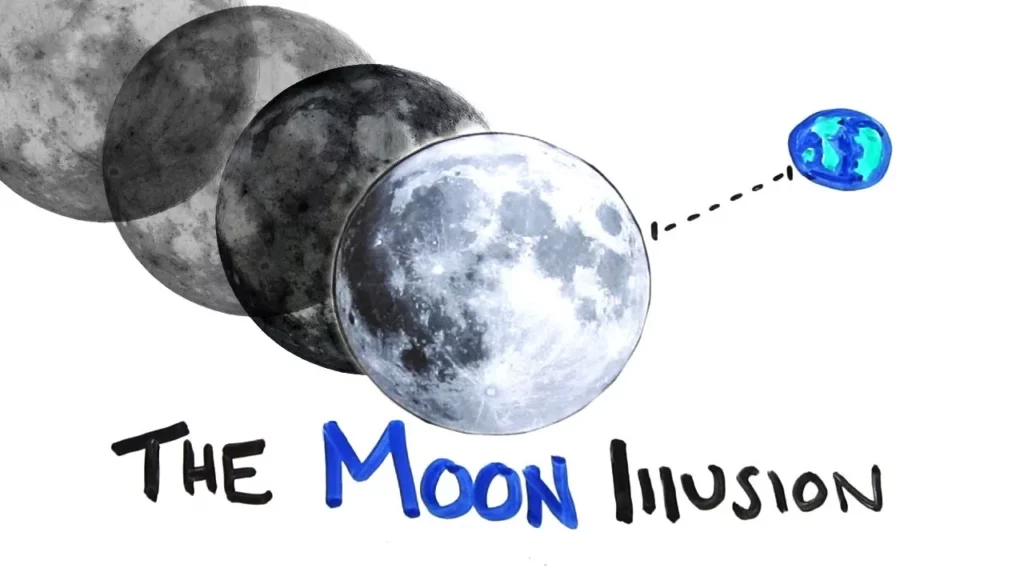
The Moon Illusion is an optical illusion that makes the moon appear larger when it is near the horizon compared to when it is high in the sky, despite its actual size remaining constant. This phenomenon occurs because our brains use surrounding reference points, like trees and buildings, to gauge size, leading us to perceive the moon as larger near the horizon. Experiments, such as comparing the moon’s size with a thumbnail or viewing it through your legs, can help illustrate this intriguing trick of perception.
Can You Trust Your Eyes?
The lesson “Can You Trust Your Eyes?” explores the concept of visual perception and how our brains interpret what we see, often leading to illusions. Through examples like the grey columns, the Munker-White illusion, and the checkerboard illusion, it illustrates that our eyes can be deceived by surrounding contexts, causing us to perceive colors and shades inaccurately. Ultimately, the lesson emphasizes that our senses are designed to help us interact with the world, rather than provide an exact representation of reality.
We were all female
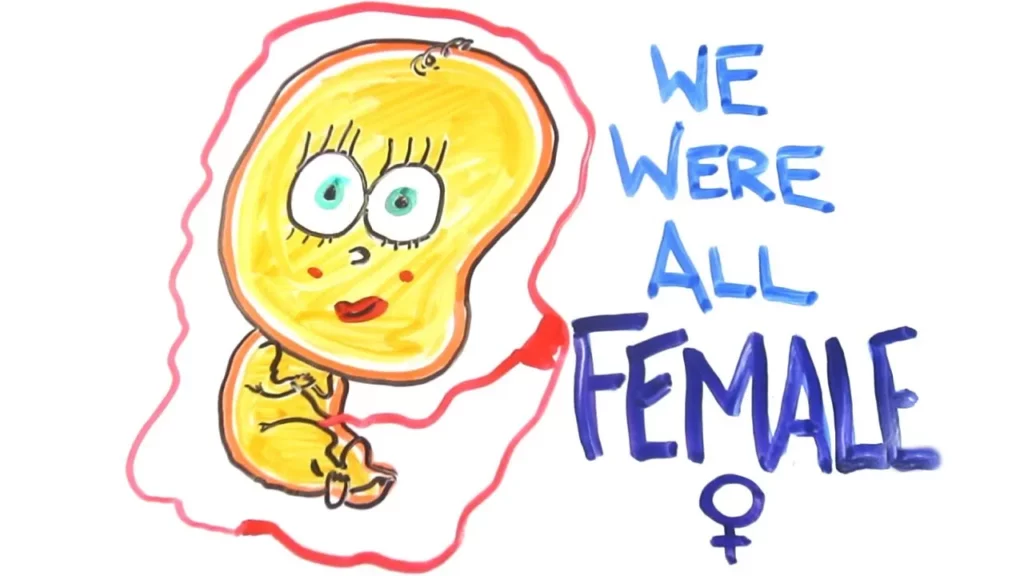
The lesson explores the early stages of human development, highlighting that all embryos initially follow a female blueprint due to the activation of the X chromosome. It explains how the presence of a Y chromosome and the SRY gene later triggers the development of male traits, while also noting interesting anatomical features that arise from this process, such as why males have nipples. Overall, the lesson emphasizes the fascinating biological foundations of gender differentiation in humans.
Are You Consuming Your Coffee Correctly?
The lesson emphasizes the importance of timing when consuming coffee to align with the body’s natural circadian rhythm. It explains that cortisol levels peak in the morning, and drinking coffee during this time can diminish caffeine’s effectiveness and lead to increased tolerance. To maximize caffeine benefits, it’s recommended to wait until after 9:00 a.m. to enjoy coffee, allowing the body to adjust naturally.
Fresh vs Frozen Food
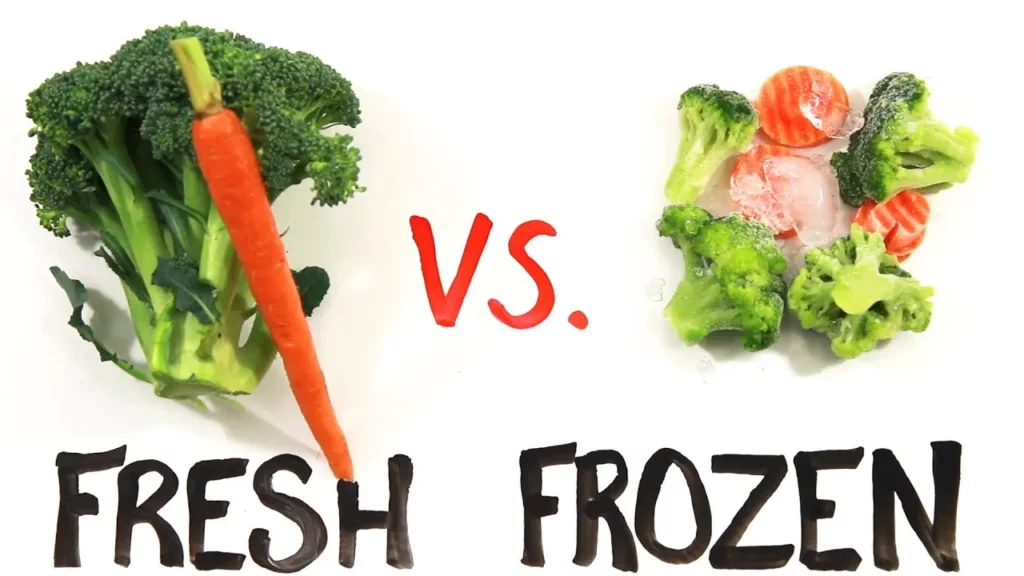
The lesson on “Fresh vs Frozen Food” highlights the nutritional differences between fresh and frozen produce, emphasizing that fresh items may lose significant nutrients during transport and storage, while frozen foods are often picked at their peak ripeness and quickly frozen, preserving their nutritional value. Research indicates that frozen vegetables and fruits can sometimes contain higher levels of certain vitamins and antioxidants compared to their fresh counterparts, especially when the latter is out of season. Ultimately, while fresh produce is ideal when available, frozen options serve as a nutritious alternative, and a varied diet is essential for optimal health.
The Best Way To Stop Overeating
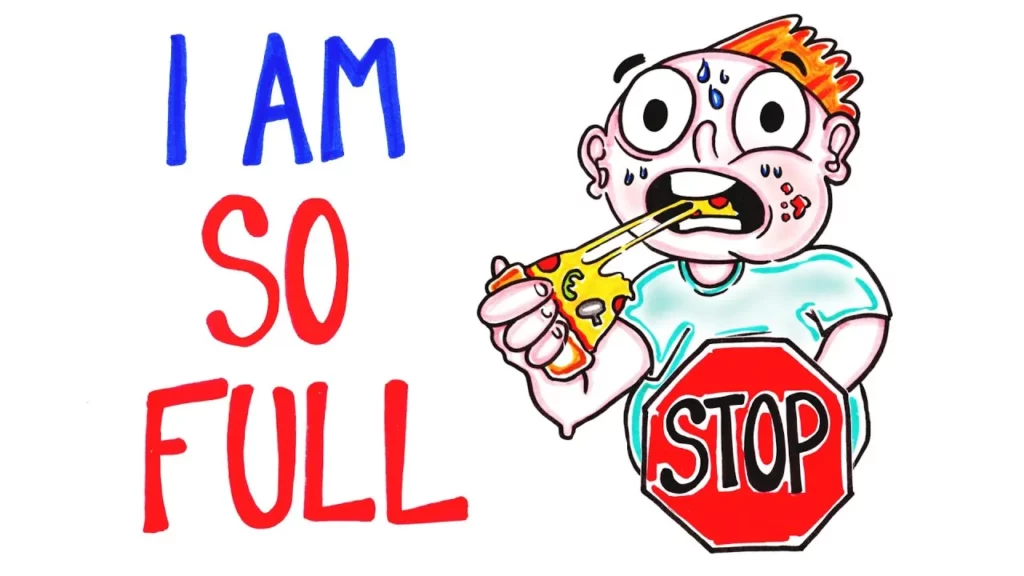
The lesson discusses the challenges of overeating in the context of our biological hunger signals and the modern availability of high-fat and sugary foods. It explains how hormones like ghrelin and leptin regulate hunger and fullness, yet our ancient cravings for energy-dense foods can lead to overeating. By understanding these mechanisms, individuals can work towards breaking the cycle of unhealthy eating habits and make more informed food choices.
How Good Is Your Eyesight? (TEST)
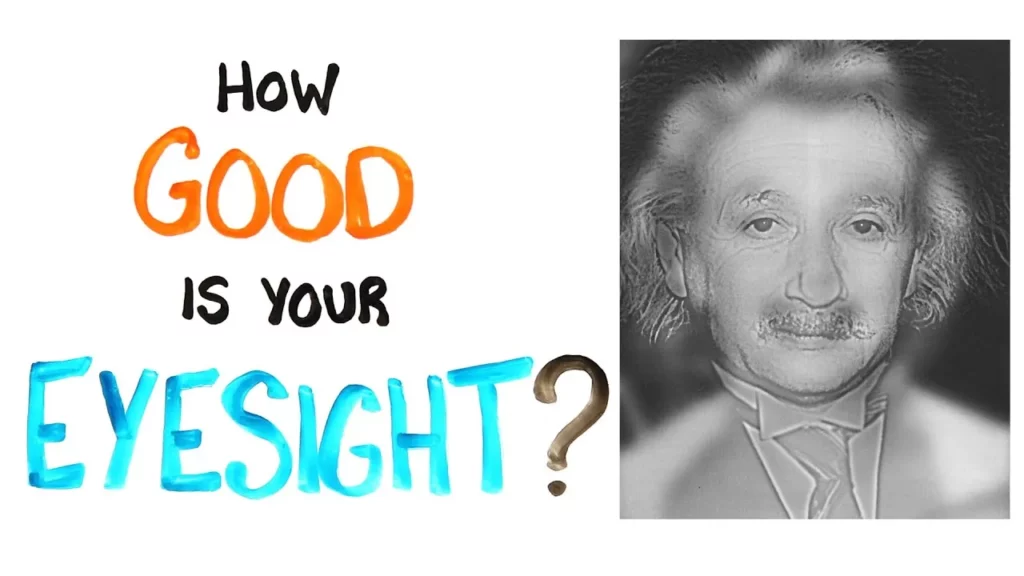
The lesson explores a fun way to test your eyesight using a hybrid image that reveals either Albert Einstein or Marilyn Monroe, depending on your visual acuity. It explains how distance and the ability to focus on fine details affect what you see, highlighting the differences in perception based on individual eyesight. Additionally, the lesson encourages further exploration of optical illusions and invites viewers to engage with more science content.