
The 4 Steps To A Hangover Cure
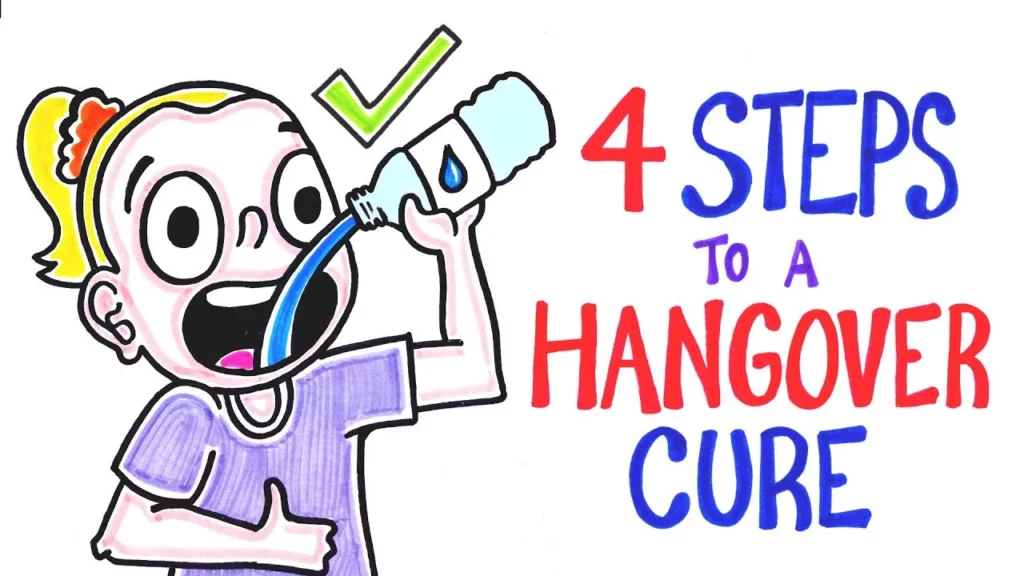
The lesson outlines four effective steps for managing hangovers: preparing before drinking by consuming fatty and carbohydrate-rich foods, staying hydrated throughout the night, choosing lighter-colored alcoholic beverages to minimize hangover severity, and utilizing post-drinking remedies like aspirin and a nutritious breakfast to aid recovery. It emphasizes the importance of understanding individual limits and the role of moderation in preventing hangovers altogether. By following these strategies, individuals can enhance their recovery and enjoy social activities more responsibly.
What Is Multiple Sclerosis?
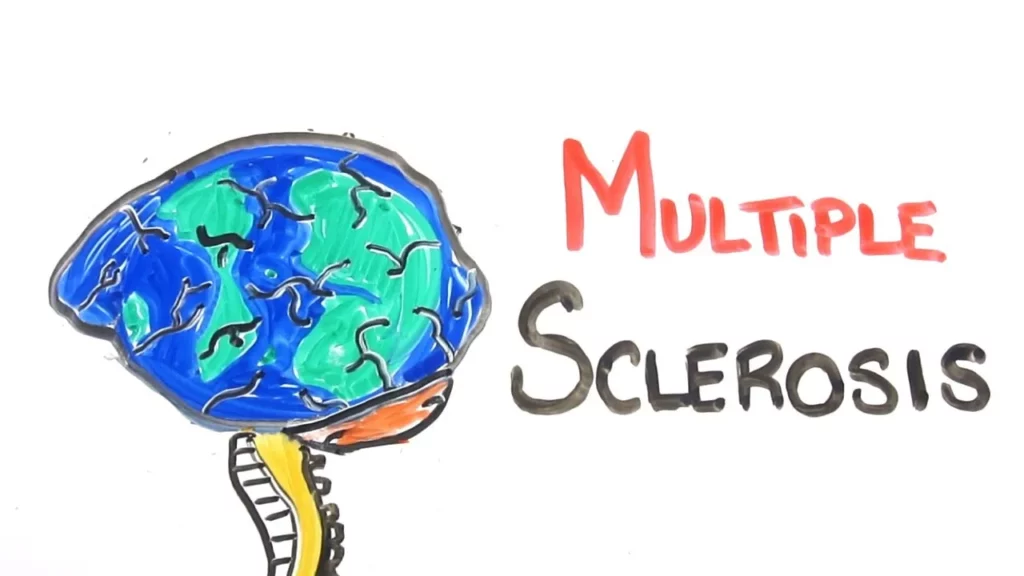
This lesson provides an overview of multiple sclerosis (MS), an autoimmune disorder that affects the central nervous system by damaging the myelin that insulates neurons, leading to disrupted signal transmission. Symptoms of MS can vary widely and may include muscle weakness, fatigue, and vision issues, with no known cure currently available. The importance of raising awareness and supporting research efforts is emphasized as a crucial step toward understanding and potentially finding a cure for this condition.
Does Being Cold Make You Sick?
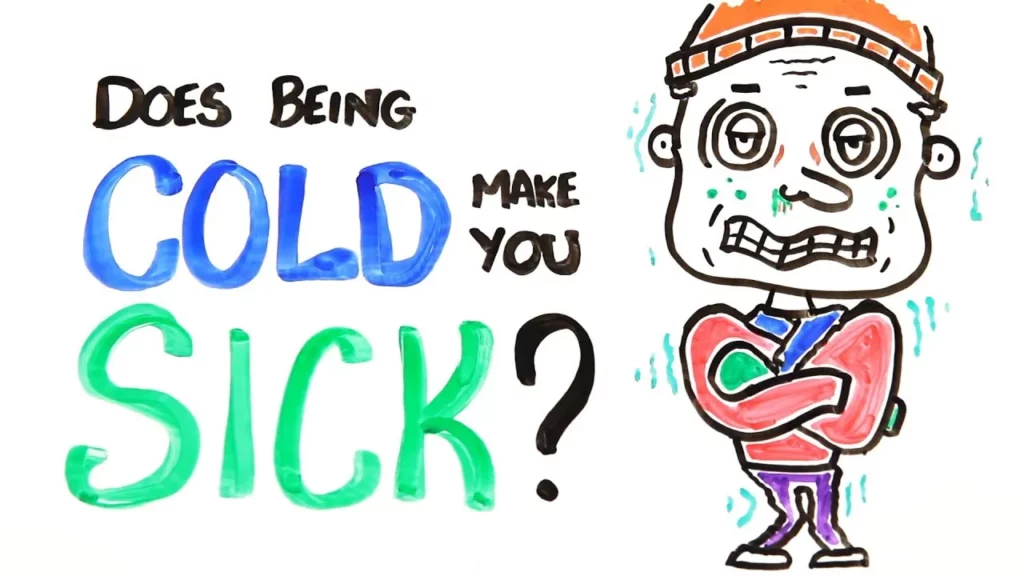
The lesson explores the common belief that cold weather directly causes illness, particularly colds and the flu. While more people do get sick in winter, the primary reason is the increased spread of viruses due to indoor gatherings and lower humidity, rather than the cold itself. Additionally, factors like reduced Vitamin D from sunlight and potential immune response changes in colder temperatures may contribute to higher sickness rates during the winter months.
This ≠ That

The lesson “This ≠ That: Understanding Correlation and Causation” emphasizes the critical distinction between correlation and causation, illustrating how misleading connections can arise from coincidental correlations, such as the relationship between Nicolas Cage films and pool drownings. It highlights the importance of recognizing confounding variables and the potential for sensationalism in media reporting, while also acknowledging that correlation can still serve as a valuable tool in scientific inquiry when exploring cause-and-effect relationships.
Why Do We Cry?
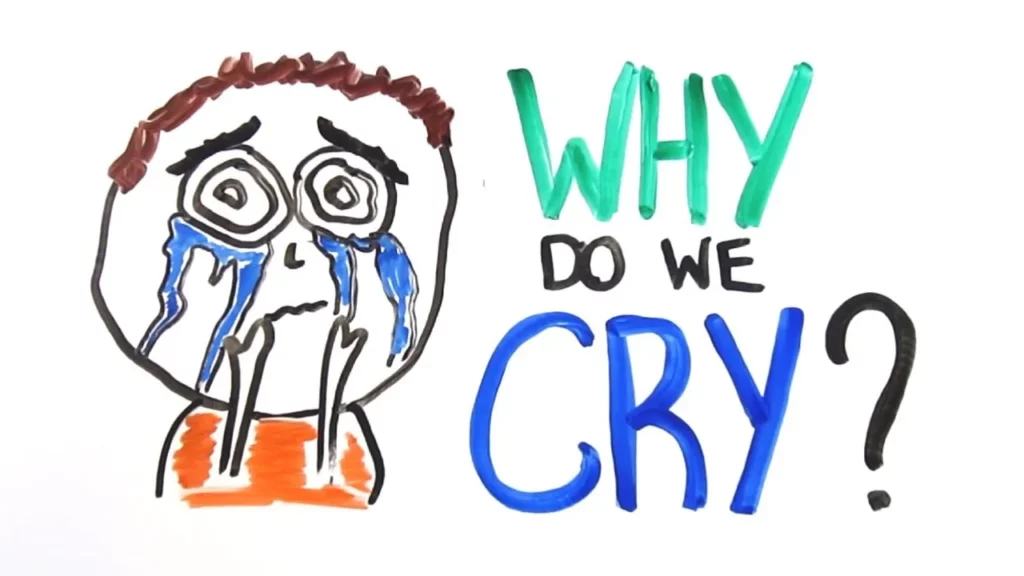
The lesson explores the reasons behind crying, highlighting the three types of tears: basal, reflex, and emotional. Emotional tears, unique to humans, serve as a social signal for distress and may promote communication and connection with others, while also potentially providing stress relief by releasing stress-related chemicals. Overall, crying is presented as a natural emotional response that can help individuals express feelings and cope with stress.
The Science of Laziness
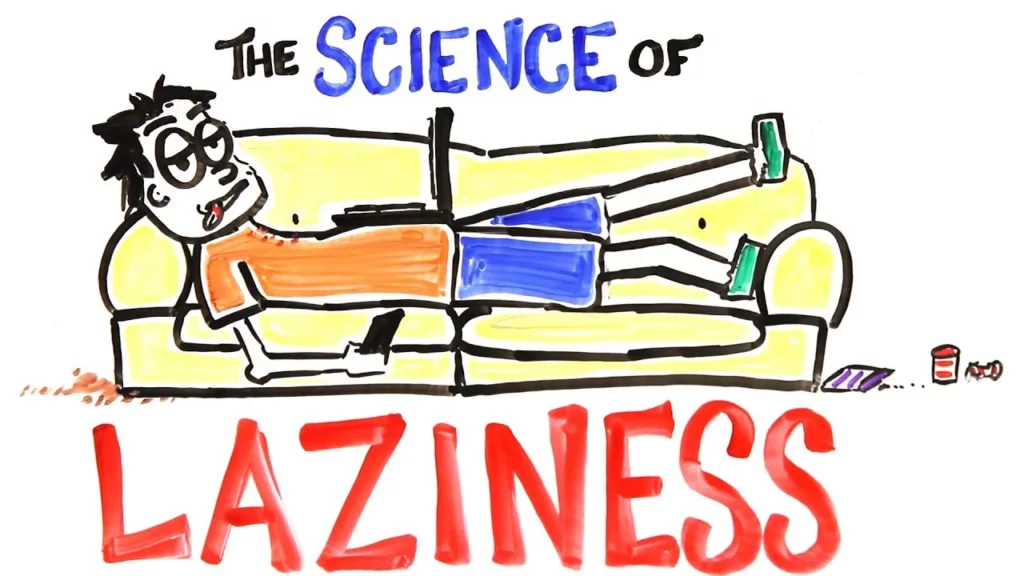
The lesson explores the concept of laziness through the lens of evolution and genetics, highlighting how our brains are wired to seek pleasure from activities like exercise due to the dopamine system. Research on mice indicates that genetic factors can influence activity levels, suggesting that some individuals may be predisposed to laziness due to inherited traits. However, the lesson emphasizes that while genetics play a role, environmental factors also contribute, and individuals can overcome these predispositions by actively challenging themselves to engage in physical activity.
Can You Drink Too Much Water?
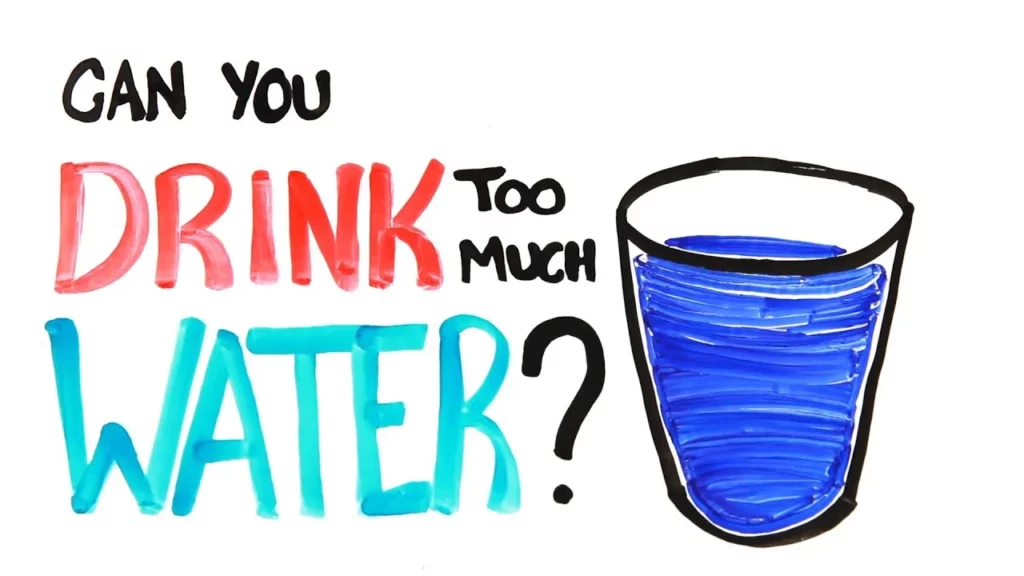
This lesson emphasizes the importance of water for our health, highlighting its role in transporting nutrients, regulating body temperature, and eliminating waste. While it’s crucial to stay hydrated, the lesson also warns that excessive water intake can lead to dangerous conditions like water intoxication, particularly in extreme situations such as endurance sports. Ultimately, it encourages trusting your body’s thirst signals to maintain proper hydration.
Why you dream (and what they mean)
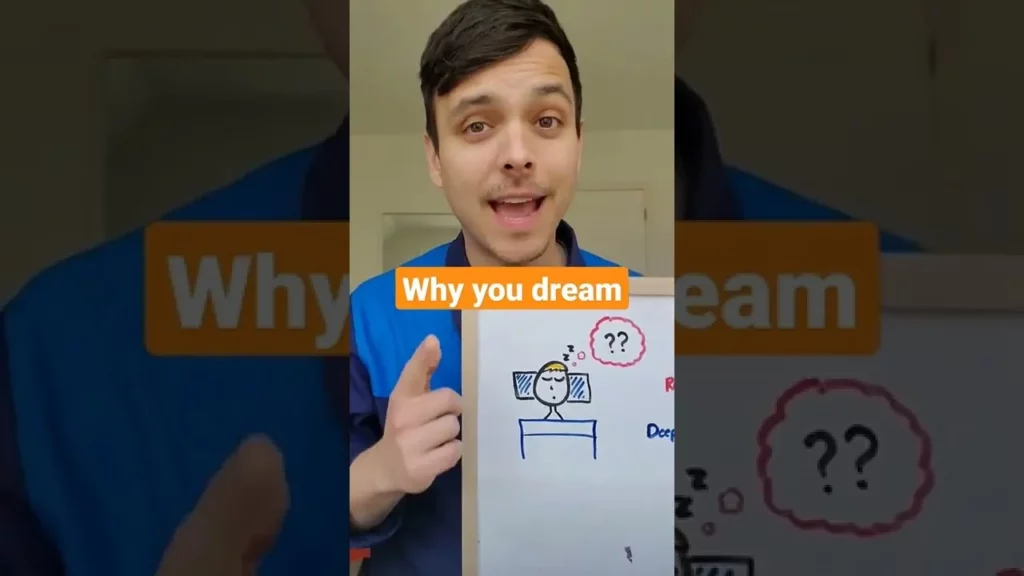
The lesson explores the reasons behind dreaming, highlighting two main functions: creativity and emotional processing. During REM sleep, dreams facilitate the connection of seemingly unrelated ideas, often leading to new insights or solutions, while also allowing individuals to process complex emotions in a less stressful state. Understanding dreams can provide valuable insights into our thoughts and feelings, making them an important aspect of mental well-being.
The Science of Aging
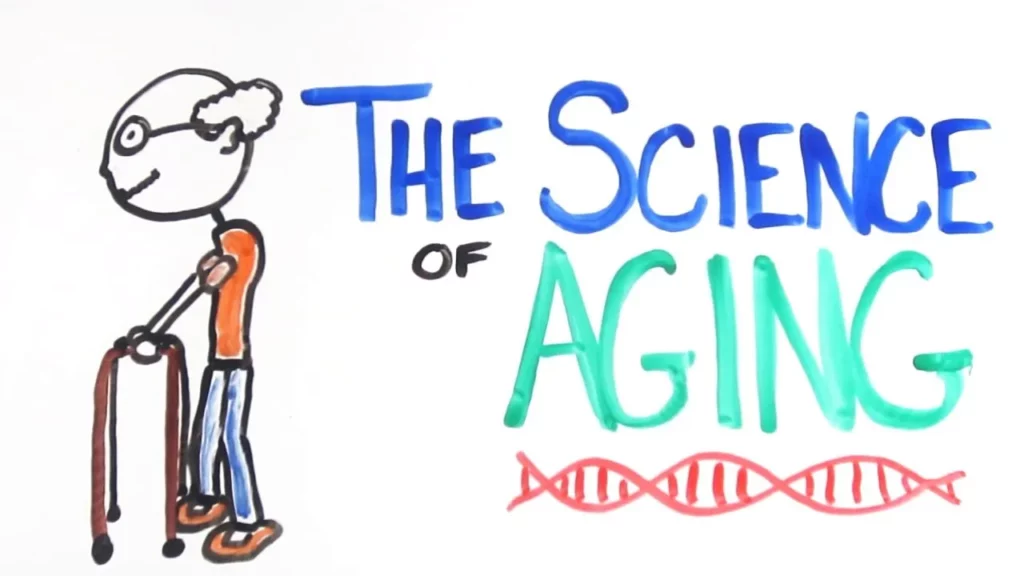
The lesson on “The Science of Aging” explores the natural process of aging, highlighting the roles of lifestyle choices, environmental stress, and genetic factors. It explains how cellular division and the shortening of telomeres contribute to aging, while also noting that genetics can influence life expectancy. Ultimately, the lesson emphasizes that while aging is inevitable, understanding its mechanisms can empower individuals to make healthier choices.
Can Music Improve Athletic Performance?

The lesson explores the impact of music on athletic performance, highlighting how synchronous music with a strong beat can enhance endurance and focus during sports. Research indicates that music serves as both a mental and physical stimulant, improving mood and confidence, particularly for athletes facing competition anxiety. Ultimately, upbeat music, especially with a tempo over 120 beats per minute, is shown to significantly boost performance during training and competitions.