
Does An Owl Wear Eyeglasses?
The lesson explores whether animals wear eyeglasses, highlighting that various creatures, such as owls, goats, and monkeys, have unique adaptations that allow them to see well without the need for glasses. It also discusses how humans sometimes require eyeglasses for vision correction and introduces different types of eyewear, emphasizing the importance of eye health and the tools available to assist those with vision challenges.
Toddler Read Aloud Animated Stories!
In this engaging lesson, toddlers explore the concept of opposites through fun examples and interactive stories. They enjoy a variety of animated tales, including “Who Said ‘Moo’?” which introduces animal sounds, and “Shopping with Daddy,” which highlights everyday activities. The lesson also incorporates counting with playful monsters, guessing games about animals, and even a lighthearted approach to potty training a dinosaur, making learning both enjoyable and educational.
Color Blocked!
In the lesson “Color Blocked!”, children embark on a vibrant adventure where they learn about colors and their magical properties. They help close a book of colors to prevent them from escaping, discover how to mix colors to create new ones, and are encouraged to experiment with color mixing at home. The lesson emphasizes the beauty and importance of colors in our world, inspiring kids to explore and celebrate their colorful surroundings.
Does A Beaver Sleep in a Bed?
In this lesson, we explore the various sleeping habits of different animals, highlighting how they adapt their sleeping environments for safety and comfort. For instance, beavers sleep in lodges above water, polar bears rest on the snowy ground, and bumblebees find unique spots like flowers or hives, while horses can even sleep standing up. The lesson also contrasts these animal sleeping arrangements with the diverse types of beds that people use, encouraging reflection on individual sleeping preferences.
Stanley the Sloth and the Tremendous Timekeeper!
In “Stanley the Sloth and the Tremendous Timekeeper,” Sleepy Stanley learns the importance of teamwork and generosity as he rallies his friends to help prepare for a big event, despite his tendency to be late. With the support of his friends, Stanley surprises Ellie by waking up early to assist with the setup for the Lake Fest, demonstrating that even small acts of kindness can make a significant difference. The story encourages readers to consider how they can give their time to help others, fostering a spirit of community and friendship.
Goodnight Friends!
In the lesson “Goodnight Friends!”, children are encouraged to wind down and prepare for sleep by saying goodnight to various whimsical elements, including silly things, the moon, animals, and their cozy home. The lesson emphasizes a sense of comfort and warmth, inviting children to close their eyes and embrace the peacefulness of bedtime while wishing sweet dreams to all their friends.
Autumn and Fall Stories for Kids!
The lesson “Autumn and Fall Stories for Kids!” explores the enchanting changes that occur in nature during the fall season, highlighting the transformation of leaves, the preparations of animals for winter, and the playful adventures of Little Red the fox and Hazel the dormouse. As the vibrant colors of autumn emerge and animals adapt to the changing environment, the story emphasizes themes of friendship and the cycle of seasons, culminating in a cozy moment of storytelling before hibernation.
Ellie the Elephant and the Stinkin’ Thinkin!
In the story “Ellie the Elephant and the Stinkin’ Thinkin’,” Ellie learns to overcome her negative thoughts when she doesn’t get the orange popsicle she wanted. Initially feeling sad and thinking her friend Coco doesn’t care, Ellie remembers their friendship and chooses to focus on positive thoughts instead. The lesson emphasizes the importance of replacing negative thoughts with positive ones and appreciating the love and kindness of friends.
Why is Ketchup so Hard to Pour?
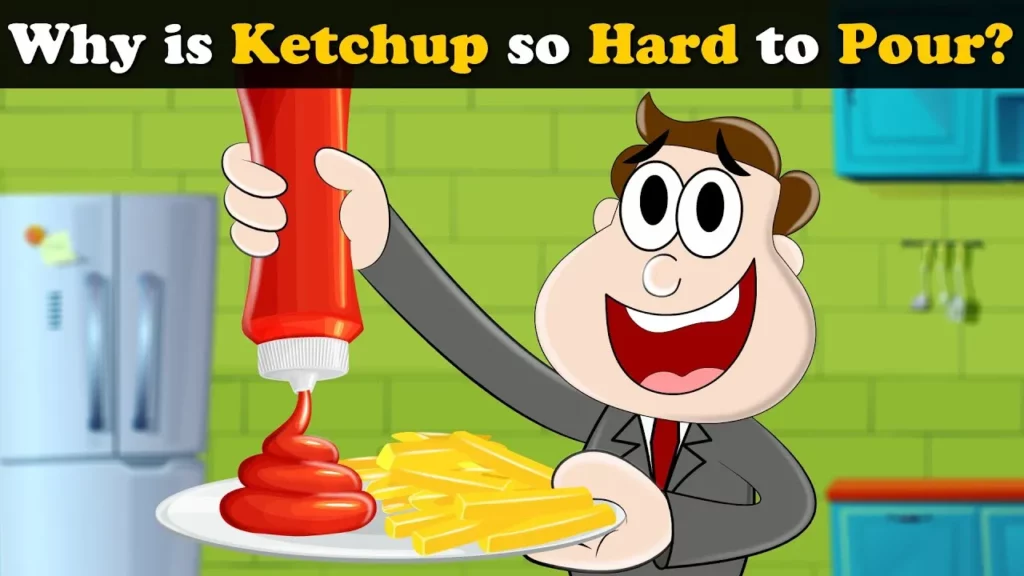
The lesson explains why ketchup is difficult to pour due to its higher viscosity, which is a measure of a liquid’s resistance to flow. Unlike water, which is a Newtonian fluid with a consistent viscosity, ketchup is a Non-Newtonian fluid, meaning its viscosity changes under pressure, requiring shaking or squeezing to pour. Additionally, the presence of tiny tomato bits in ketchup contributes to its thickness, making it more resistant to flowing.
Why do Kangaroos Hop?
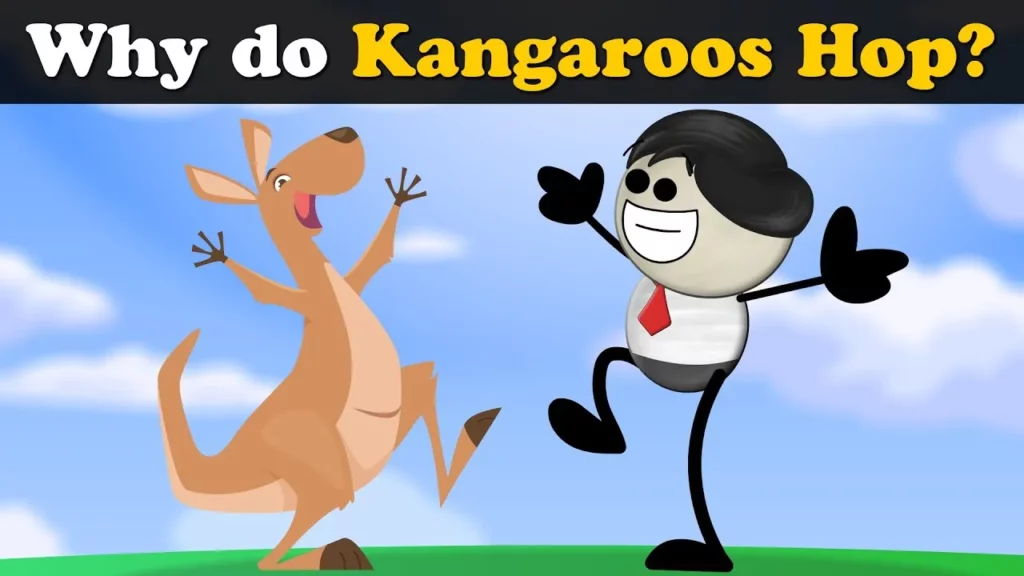
The lesson explores the fascinating reasons why kangaroos hop, tracing their evolutionary journey from tree-dwelling ancestors to ground-dwelling hoppers. It highlights the unique adaptations of kangaroos, such as their large, stretchy tendons that act like springs, allowing for efficient movement, and their ability to breathe effortlessly while hopping. Additionally, it shares fun facts about their impressive speed and jumping capabilities, emphasizing how these traits aid in their survival.