
What if the Earth was Cube Shaped?
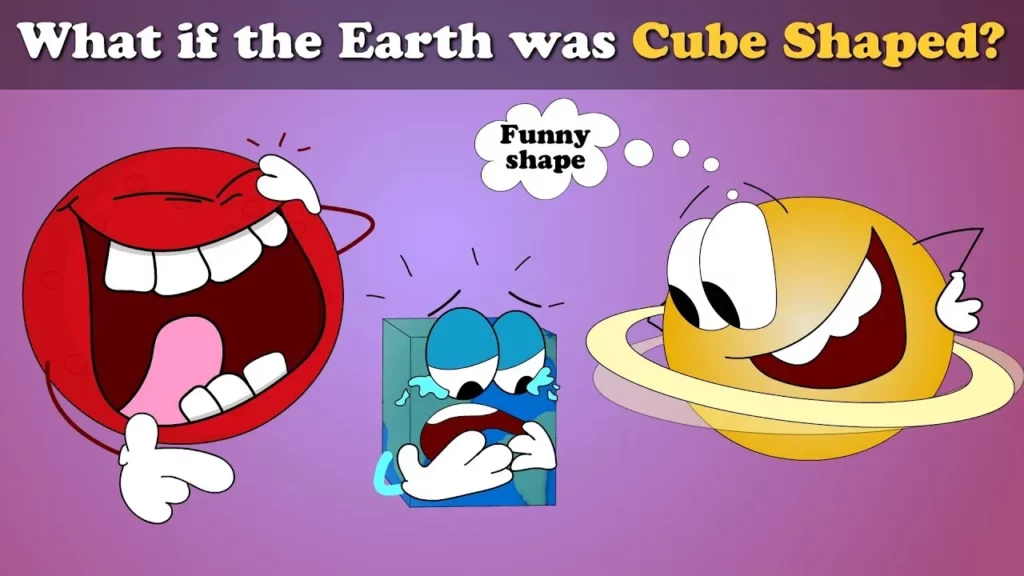
This lesson explores hypothetical scenarios regarding the Earth’s shape and conditions, such as if it were cube-shaped, had two moons, stopped spinning, or lacked gravity. Each scenario presents unique consequences, including changes in weight distribution, tidal effects, atmospheric conditions, and the potential for life on Earth. Ultimately, these thought experiments highlight the critical role of gravity and the Earth’s current spherical shape in maintaining life and stability.
What if Elephants become our Pets?
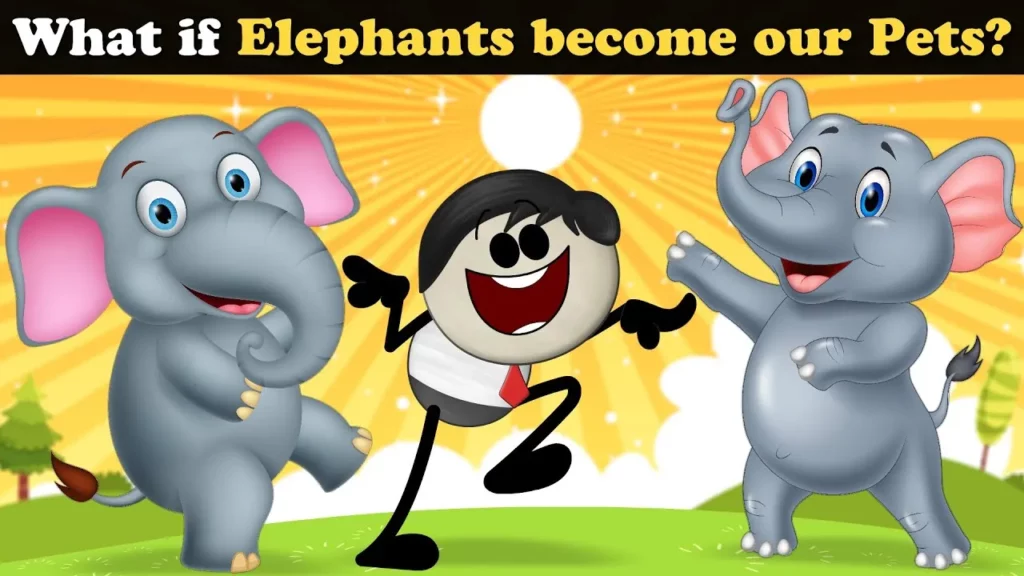
The lesson explores the imaginative idea of having elephants as pets, highlighting the unique challenges and adventures that would come with it. From the need for ample space and special feeding arrangements to the teamwork required for their care, the lesson emphasizes the significant lifestyle changes such a scenario would entail. Ultimately, it encourages appreciation for elephants and fosters a deeper understanding of their needs and behaviors.
Physical and Chemical Changes
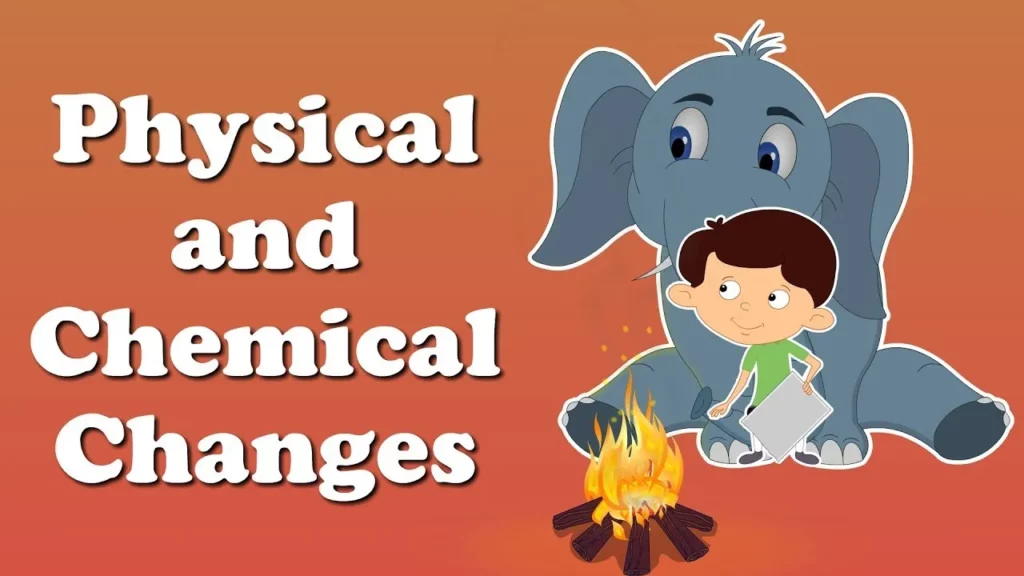
This lesson explores the concepts of physical and chemical changes, highlighting how substances can change form or composition. A physical change occurs when a substance looks different but remains the same material, such as ice melting into water, while a chemical change results in the creation of new substances, like wood burning to form ash. Understanding these changes helps us appreciate the science behind everyday transformations in our environment.
What if Hulk worked for us?
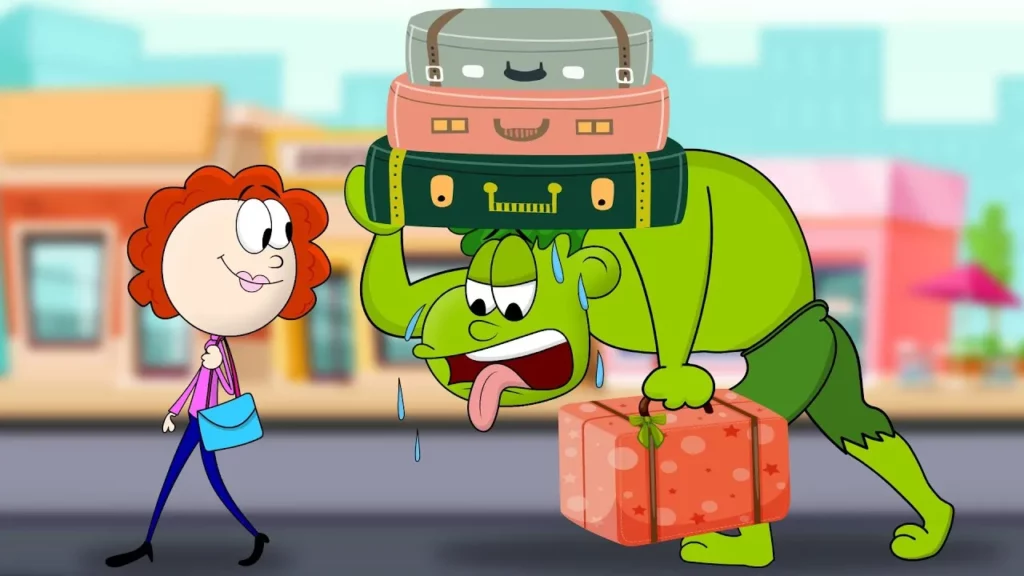
The lesson explores various intriguing topics, starting with the hypothetical scenario of the Hulk working for us, highlighting both the benefits of his strength and the potential chaos his anger could cause. It also delves into scientific explanations for why we have five fingers, the genetics behind eye color, the impact of smartphones on eye health, the historical origins of the seven-day week, the evolutionary basis for fear of the dark, the pros and cons of fasting, the catastrophic consequences of the sun disappearing, and the hidden downsides of fruit juices. Overall, the lesson combines fun speculation with educational insights into biology, history, and health.
Can you solve this Riddle?
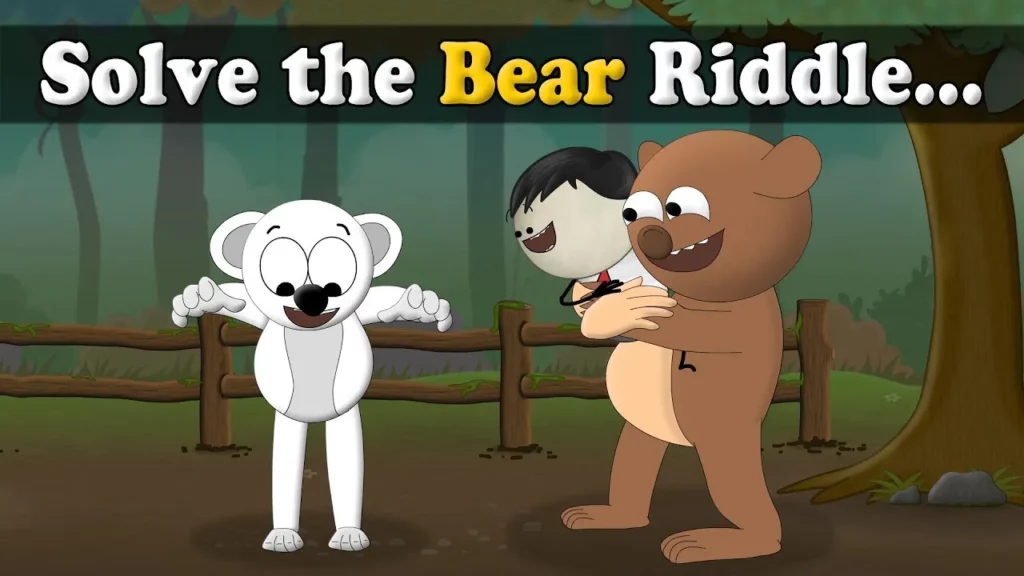
The lesson presents a riddle about a bear walking around a house with all walls facing south, leading to the surprising conclusion that the bear is white. This is explained by the geographical fact that a house at the North Pole would have all walls facing south, where polar bears, known for their white fur, are found. The riddle serves as an engaging way to explore concepts of geography and the adaptations of polar bears to their Arctic environment.
What if Pens Disappeared?
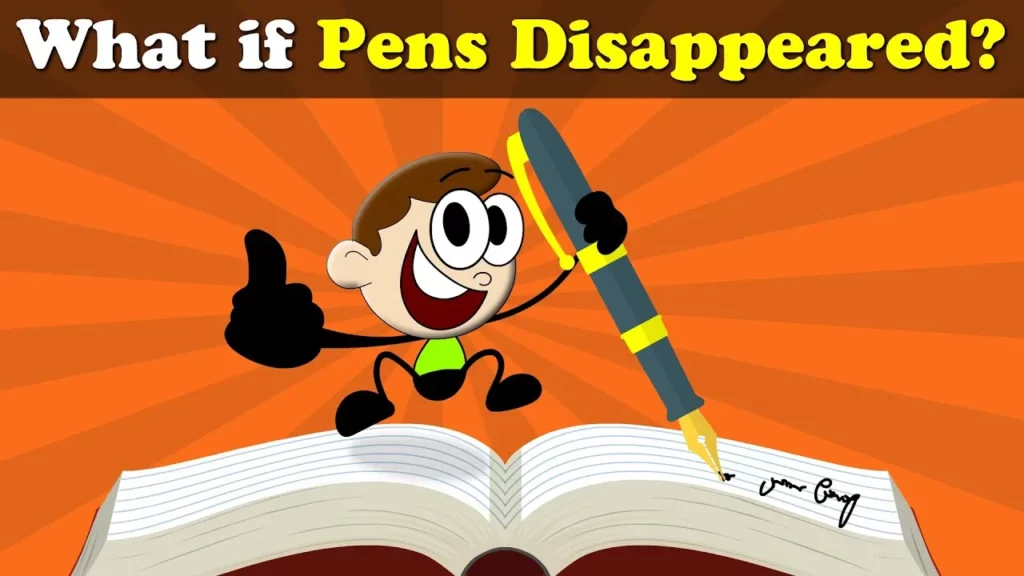
The lesson explores the implications of a world without pens, highlighting how various aspects of daily life would change, such as the way autographs are signed, tests are taken, and payments are made. It discusses the potential rise of digital alternatives, like stylus pens and electronic communication, while also considering the impact on traditional practices like letter writing and calligraphy. Ultimately, the lesson emphasizes that the absence of pens could inspire creativity and innovation in finding new ways to express ourselves.
What if we could Switch the Sun On/Off?
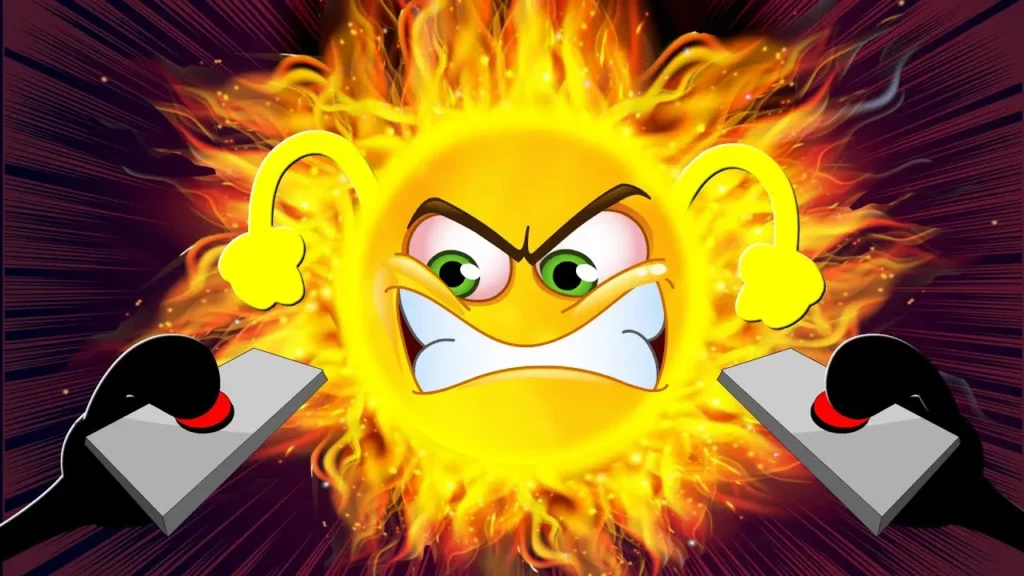
The lesson explores the imaginative concept of having a remote control to turn the Sun on and off, highlighting the potential consequences of such an ability. It discusses how this could disrupt the natural routines of animals, create debates among people about weather preferences, impact businesses, and even attract the interest of extraterrestrial visitors. Additionally, it raises concerns about the implications of losing the remote, which could lead to catastrophic changes in our solar system.
Digestive System of Human Body
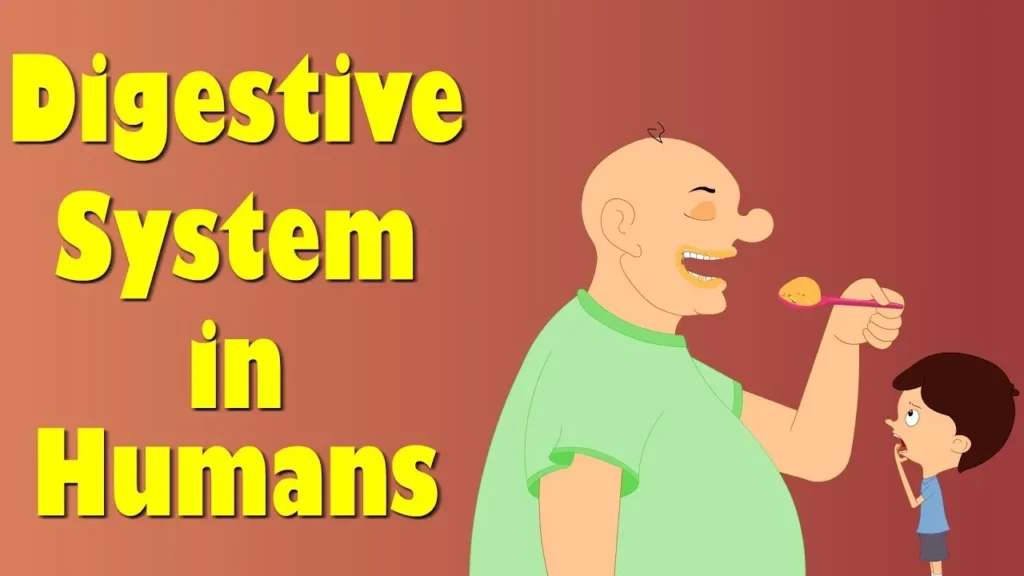
The lesson on the human digestive system explores the journey of food from ingestion to elimination, highlighting the key components of the alimentary canal, including the mouth, esophagus, stomach, small intestine, and large intestine. It emphasizes the roles of various organs and substances in breaking down food, absorbing nutrients, and expelling waste, while also sharing interesting facts about the digestive process. Overall, it illustrates the complexity and importance of digestion in maintaining health and energy.
What if we Stop Washing our Hair?
The lesson explores the effects of not washing hair, highlighting both potential benefits and drawbacks. While natural oils can promote healthier and shinier hair, skipping washes may lead to issues like bacteria growth, unpleasant odors, and dirt buildup. Ultimately, the decision to wash hair should be based on individual preferences and hair care needs.
Why do Clouds appear White?
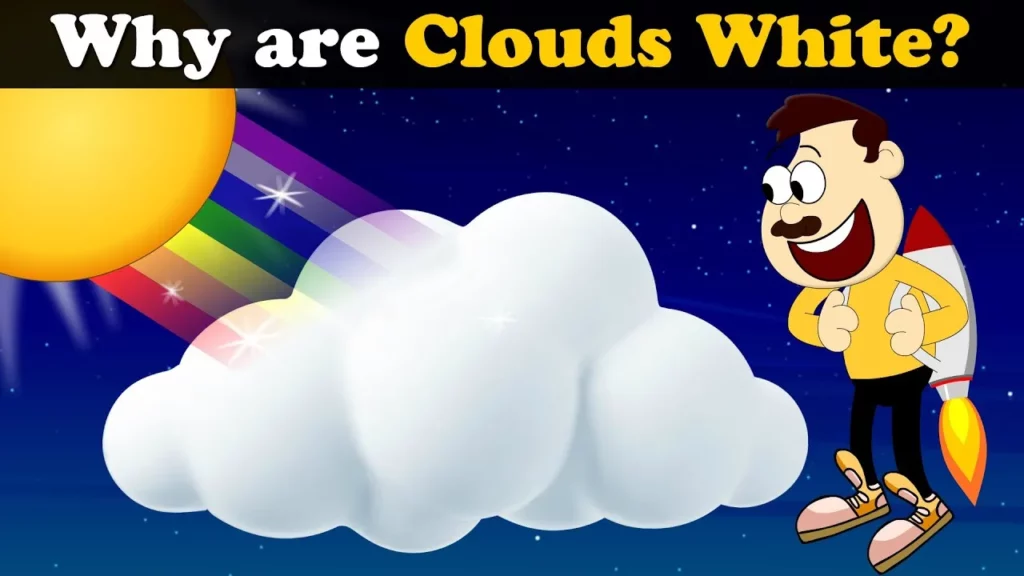
This lesson explains why clouds appear white, highlighting that sunlight, or white light, consists of all visible colors, which are scattered differently in the atmosphere. Unlike the smaller particles that scatter shorter wavelengths and make the sky appear blue, the larger water droplets in clouds scatter all colors of light equally, resulting in their white appearance. Additionally, clouds can appear gray when less light reaches their lower sections, particularly when they contain larger droplets or are rain-filled.