
The Human Ear and Its Parts
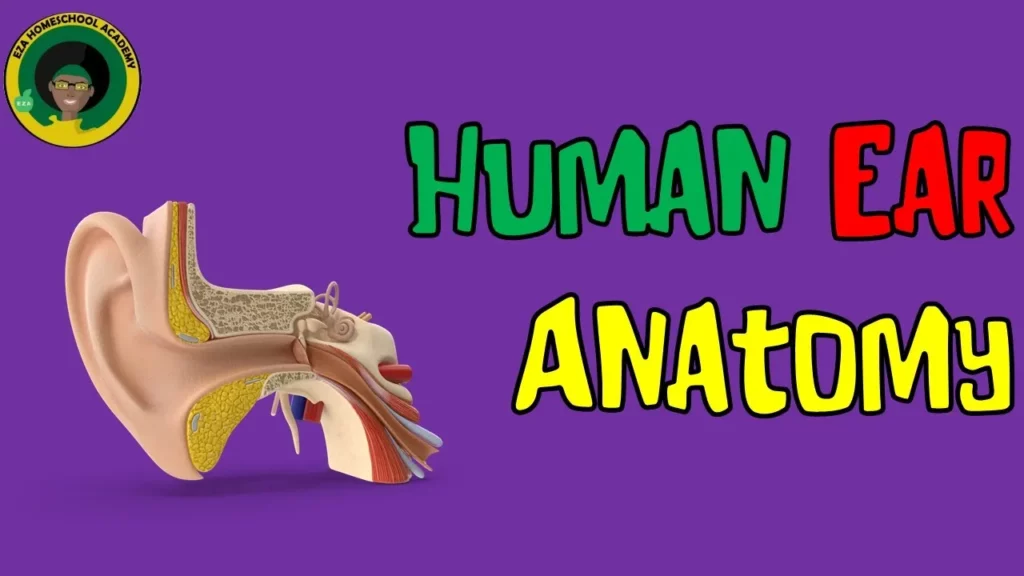
In this lesson, we explored the structure and function of the human ear, which consists of three main parts: the outer ear, middle ear, and inner ear. The outer ear captures sound waves, the middle ear amplifies these vibrations using tiny bones, and the inner ear converts them into electrical signals for the brain while also aiding in balance. Together, these components enable us to hear and maintain our equilibrium.
Bald Eagles

This lesson explores the fascinating characteristics and behaviors of bald eagles, North America’s majestic birds. It highlights their distinctive appearance, impressive hunting skills, remarkable eyesight, and the construction of their large nests. Additionally, the lesson emphasizes their role as symbols of strength and freedom in the United States, along with fun facts about their lifespan and conservation efforts.
Community Helpers
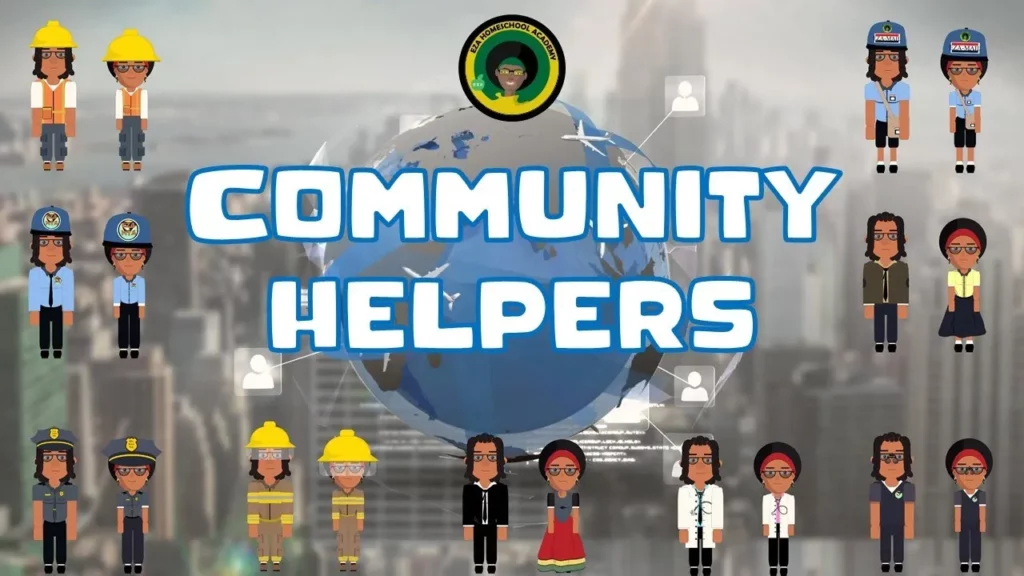
In today’s lesson at Easy A Homeschool Academy, we explored the concept of communities, which can be urban, suburban, or rural, and learned about the important roles of community helpers. These helpers, such as teachers, doctors, and mechanics, contribute to the well-being and functionality of our communities. The lesson encouraged students to recognize and appreciate the various individuals who make their communities better places to live.
Gentle Giant Pandas

In this lesson, we explored the fascinating world of giant pandas, learning about their distinctive black and white appearance, their bamboo-rich habitat in China, and their peaceful lifestyle of eating and sleeping. We also discovered the rarity of pandas and the importance of conservation efforts to protect them, along with some fun facts about baby pandas and their abilities. Overall, the lesson highlighted the unique characteristics and significance of these gentle giants.
All about Aardvarks
In this lesson, we explored the fascinating world of aardvarks, unique mammals native to Central and Southern Africa. We learned about their habitats, diet as insectivores, and the growth of their young, while also discovering fun facts and the importance of protecting these remarkable creatures. The lesson concluded with a light-hearted joke to keep the learning enjoyable!
Phases of the Moon
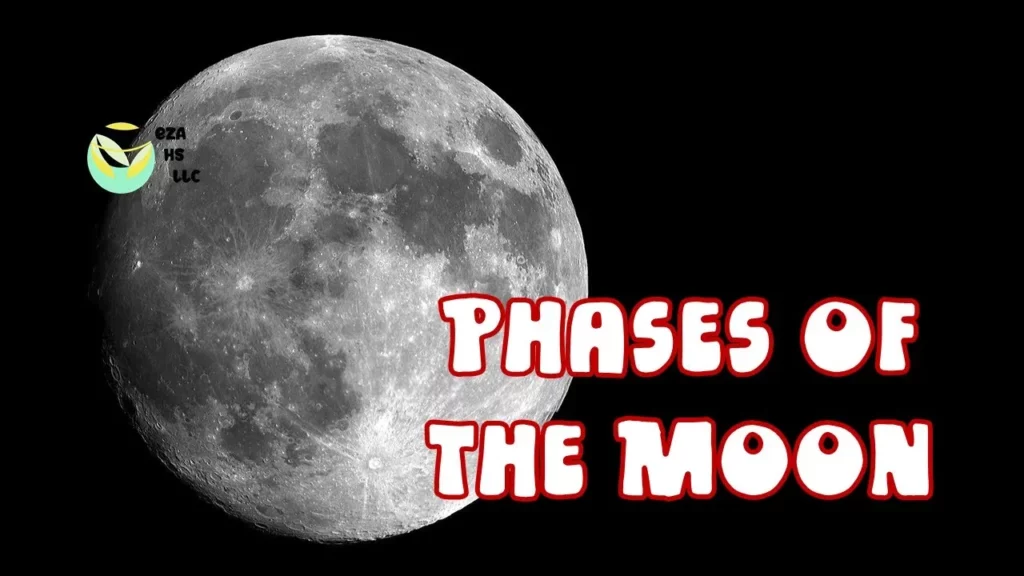
In this lesson, we explored the Moon and its fascinating phases, which result from its orbit around the Earth and the reflection of sunlight. The lunar cycle includes eight distinct phases: new moon, waxing crescent, first quarter, waxing gibbous, full moon, waning gibbous, third quarter, and waning crescent. Additionally, we learned about the Moon’s extreme temperatures and its significant impact on Earth, particularly in creating ocean tides.
Life Cycle of an Apple
The lesson on the life cycle of an apple explains how an apple begins as a seed, grows into a tree, produces blossoms that attract bees for pollination, and eventually develops into ripe apples ready for harvest. It highlights the importance of each stage in the cycle, including the role of bees and the contribution of fallen apples to enriching the soil. Overall, it emphasizes the beauty and interconnectedness of nature’s processes.
Learn about the 50 States: Arkansas
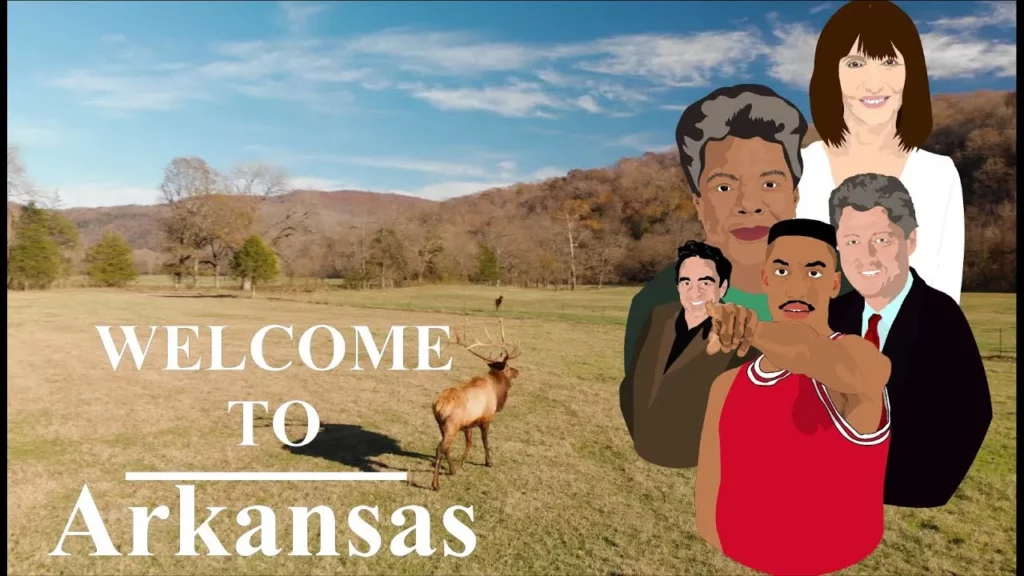
In this lesson, students learned about Arkansas, known as “The Natural State,” which became the 25th state of the United States on June 15, 1836. Key highlights included the state’s history, symbols such as the Mockingbird and Apple Blossom, notable figures like Bill Clinton and Maya Angelou, and important industries including agriculture, manufacturing, and tourism.
Elephants
In this lesson, we explored the fascinating world of elephants, the largest land animals known for their intelligence and strong social bonds within family herds. We learned about the three types of elephants—African forest, African savannah, and Asian elephants—along with their unique characteristics, diet, and the remarkable functions of their trunks. Additionally, we discussed their endangered status and the importance of conservation efforts to protect these incredible creatures.
Where Does Lava Come From?
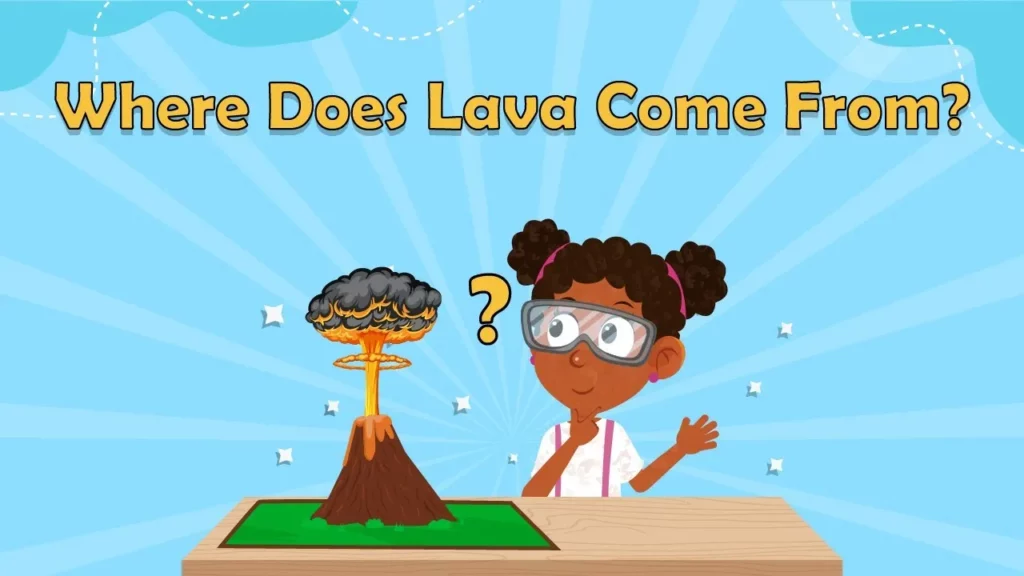
This lesson explores the origins and behavior of lava, explaining that it is melted rock from deep within the Earth that flows out during volcanic eruptions. It describes how lava can move at varying speeds and the dramatic events that occur during an eruption, such as ash clouds and lava fountains. Additionally, the lesson highlights the importance of eruptions in shaping the Earth and enriching the soil, while also noting the origins of the word “volcano.”