
Handsome Hedgehogs

In this lesson, we explored the fascinating world of hedgehogs, small animals known for their round bodies and spiky quills that protect them from predators. We learned about their habitats, diet, and interesting behaviors, such as their ability to swim and their nocturnal nature. Additionally, we discussed the importance of being kind to hedgehogs by keeping their environment clean and providing water for them.
Nelson Mandela

In this lesson, students learn about Nelson Mandela, a prominent figure in the fight for equality in South Africa. Born Rolihlahla in 1918, Mandela became a lawyer and a leader of the African National Congress, advocating against the apartheid system. Despite spending 27 years in prison for his beliefs, he emerged as a symbol of hope and became South Africa’s first black president in 1994, working to heal the nation and promote equality before his passing in 2013.
Life in the Rainforest
In this lesson, we explored the fascinating world of rainforests, which are vital ecosystems found in warm and humid regions. We learned about the two main types of rainforests—tropical and temperate—and their distinct layers, each hosting unique plants and animals. Additionally, we discussed the importance of rainforests in maintaining the Earth’s climate, supporting biodiversity, and providing essential resources, emphasizing the need for their protection for future generations.
Arctic Animals
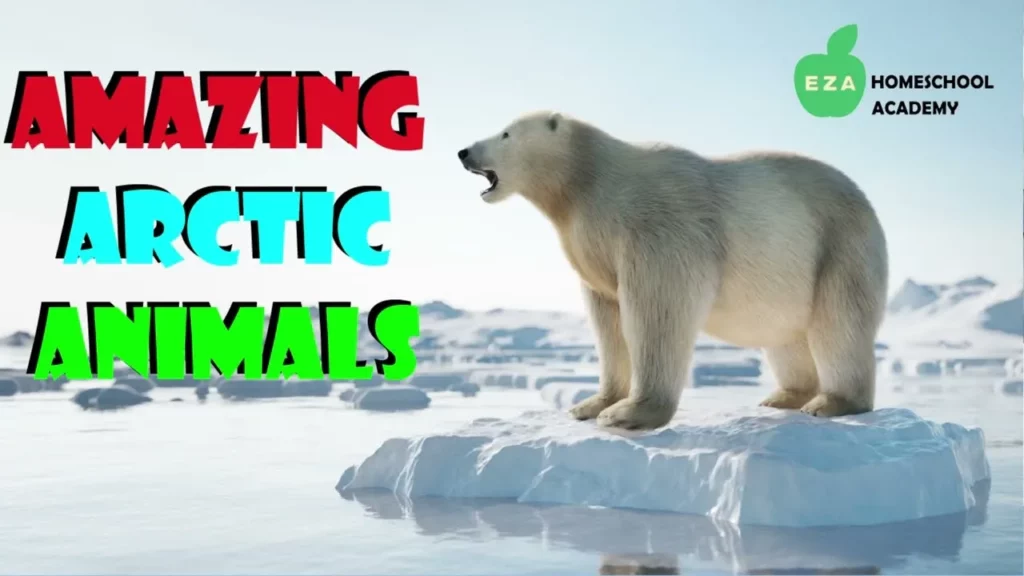
In this lesson, students embark on an exciting journey to the Arctic, discovering the unique animals that thrive in this frigid environment. They learn about various Arctic inhabitants, including the Arctic fox, polar bear, and snowy owl, and how these creatures have adapted to survive in extreme cold. The lesson emphasizes the diversity of life in the Arctic and encourages further exploration of the natural world.
Marsupials

This lesson introduces marsupials, a unique group of mammals characterized by their early-born, underdeveloped babies known as joeys, which often reside in a protective pouch on their mother’s belly. It highlights the diverse habitats where over 170 species of marsupials can be found, ranging from the tiny planigale to the large red kangaroo, emphasizing their special adaptations and the importance of their nurturing environment.
The Transatlantic Slave Trade: Edward Barter

In today’s lesson, we explored the Transatlantic Slave Trade, a tragic chapter in history where millions of Africans were forcibly taken from their homes and subjected to inhumane conditions while being transported to the Americas. We discussed the economic motivations behind the trade, the involvement of both European and African traders, and the devastating impact it had on countless lives, highlighting the resilience of those who endured such hardships.
Facts about Canada
In this lesson, students explored various fascinating facts about Canada, the second-largest country in the world, known for its rich culture and diverse geography. From the Arctic and iconic wildlife like beavers and Canada geese to cultural highlights such as hockey and poutine, the lesson provided a comprehensive overview of what makes Canada unique, including its official languages, national symbols, and significant landmarks. The journey through Canada from A to Z offered an engaging way to learn about the country’s history, geography, and traditions.
The Circulatory System
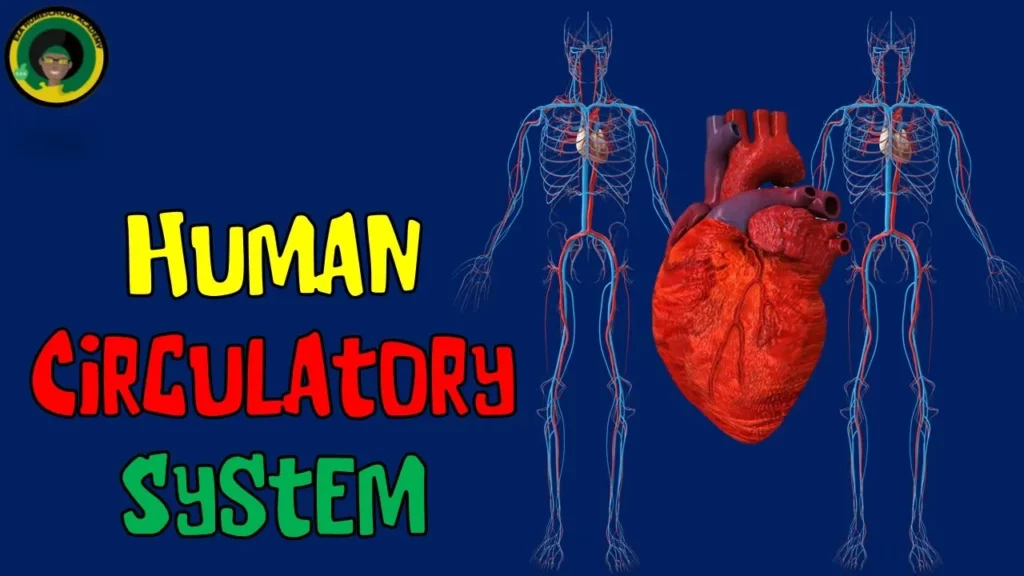
In today’s lesson, we explored the circulatory system, also known as the cardiovascular system, which functions as a vital transportation network within the body. It consists of the heart, blood vessels, and blood, working together to deliver oxygen and nutrients to cells while removing waste products. Understanding the roles of the heart, arteries, veins, capillaries, and the components of blood is essential for recognizing how this system supports overall health and vitality.
Learn about the 50 States: Alaska

In this lesson, students learned about Alaska, known as “The Last Frontier,” highlighting its stunning natural landscapes and adventurous spirit. Key topics included Alaska’s geographical location, its status as the 49th state since January 3, 1959, state symbols, important industries such as oil, gas, and seafood, and notable figures from the state. The lesson emphasized Alaska’s unique opportunities and rich cultural heritage.
Nouns

In this lesson, we explored nouns, which are special words that name people, places, animals, and things. We learned about the two types of nouns: common nouns, which are general names, and proper nouns, which are specific names that start with an uppercase letter. Through examples and practice, we discovered how to identify nouns in sentences, enhancing our understanding of this essential part of speech.