
What is special about a Gecko?
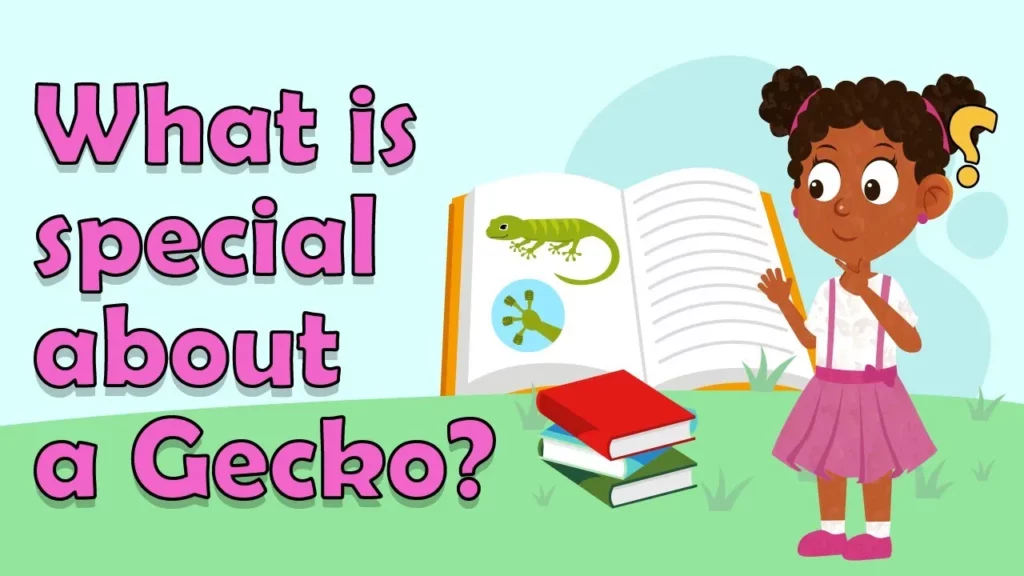
The lesson explores the unique ability of geckos to walk on walls and hang upside down, highlighting the role of tiny hairs called setae on their feet that create strong adhesive forces. These microscopic structures allow geckos to stick to various surfaces without the need for sticky substances. The study of gecko adhesion not only fascinates us but also inspires advancements in technology, such as the development of climbing robots and innovative adhesives.
Could The Archaeopteryx Fly?
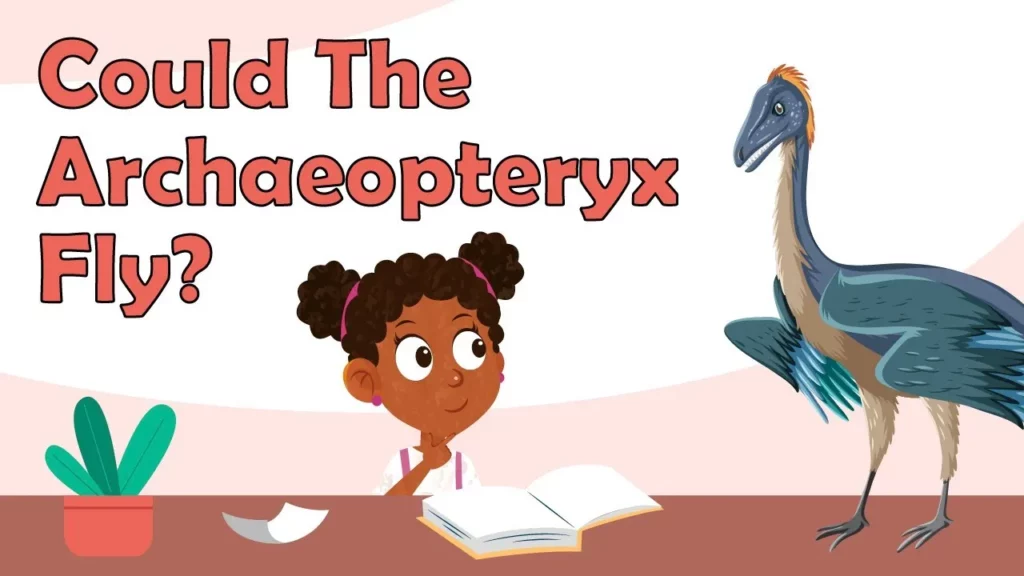
The lesson explores the Archaeopteryx, an ancient dinosaur that lived around 150 million years ago and is considered a significant link in the evolution of birds due to its feathers and wishbone. While it likely could not fly like modern birds, it probably glided between trees, showcasing an important evolutionary step in the development of flight. The Archaeopteryx’s unique features, such as its feather colors and dinosaur-like traits, highlight its role in understanding the connection between dinosaurs and birds.
I wonder How are our senses connected to the brain?
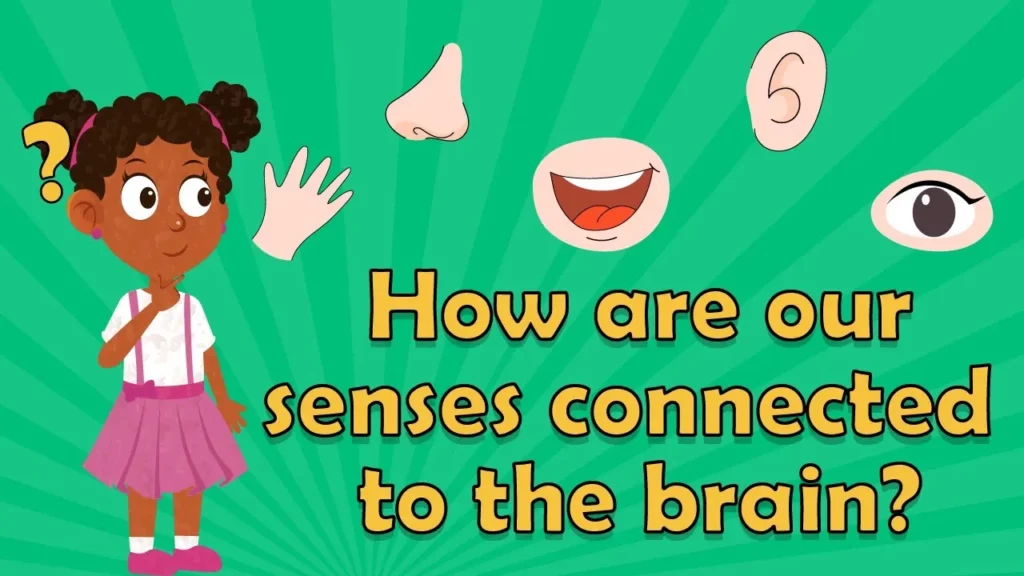
In this lesson, we explore the connection between our five senses—sight, hearing, smell, taste, and touch—and the brain. Each sense has a specific pathway that sends signals to the brain, allowing us to interpret and understand the world around us. By recognizing how our senses work together with our brain, we gain a deeper appreciation for our sensory experiences.
What Are The Chinese New Year Animals?
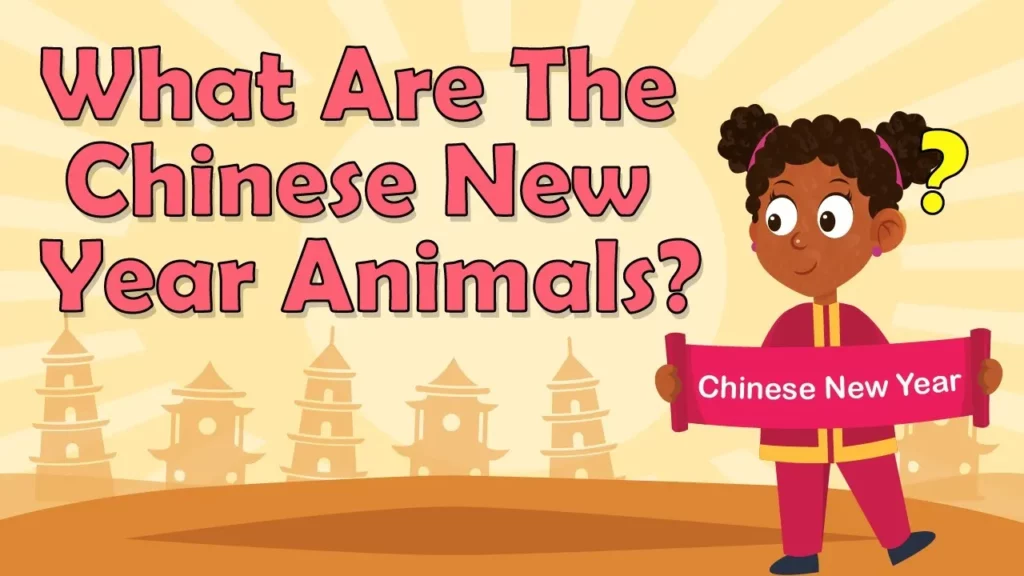
The lesson introduces the concept of the Chinese zodiac, which consists of 12 animals, each representing a year in a 12-year cycle. It explains that people believe the animal of the year they were born in can reflect their personality traits, such as bravery for those born in the Year of the Tiger. Additionally, it highlights the significance of the Chinese New Year, also known as the Spring Festival, as a time for family gatherings and celebrations.
Where Did Ancient Egyptian Slaves Come From?
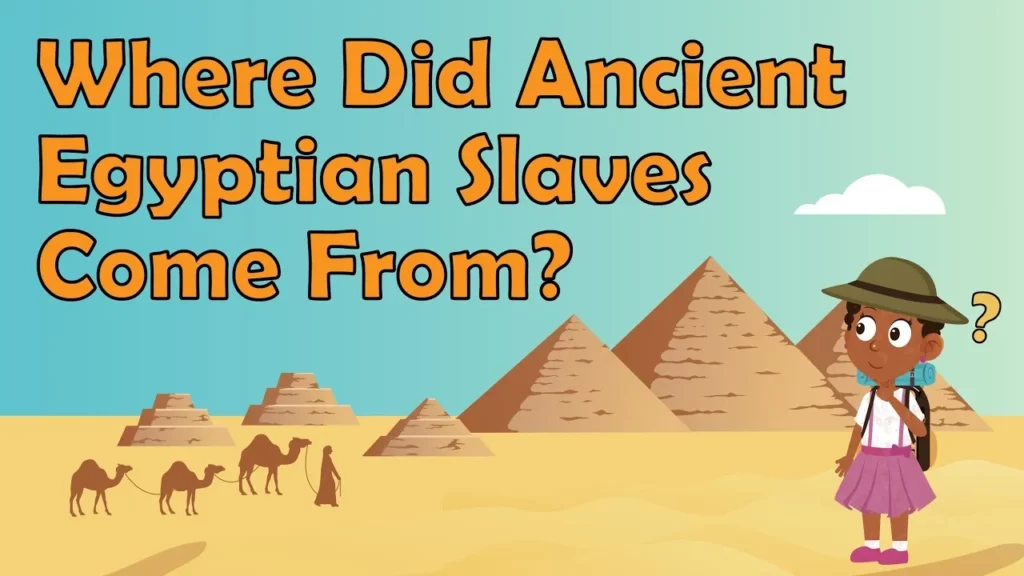
The lesson explores the origins of slaves in ancient Egypt, highlighting that many were captured during wars with neighboring regions such as Nubia, Libya, and Syria. It explains that slavery was often hereditary, with children of slaves also becoming enslaved, which perpetuated the system across generations. Understanding this aspect of ancient Egyptian society provides insights into cultural interactions and the broader implications of war on human lives, emphasizing the importance of respecting human rights.
What is a Cyclops?
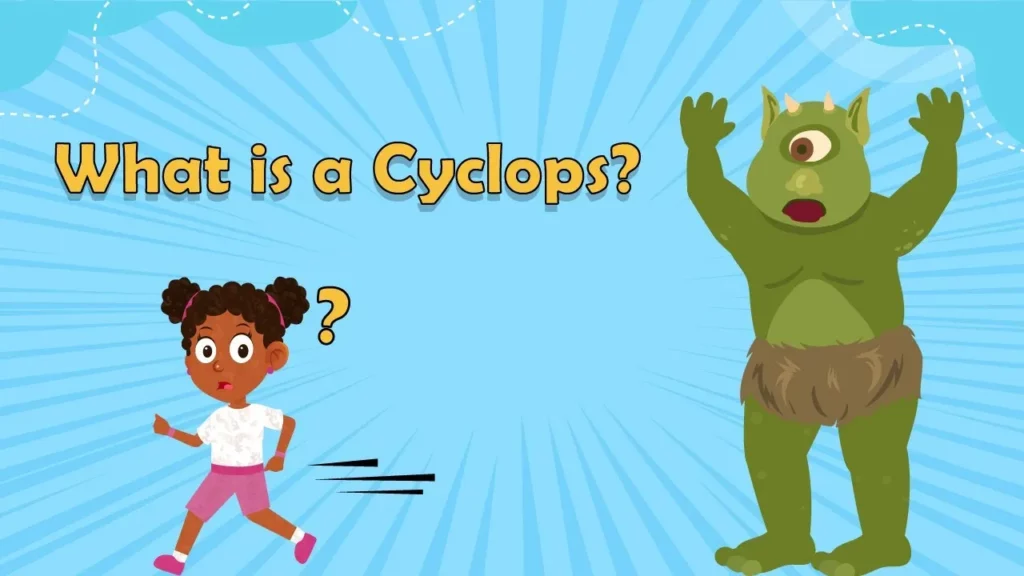
In Greek mythology, a Cyclops is a giant creature characterized by a single eye in the center of its forehead, known for its immense strength and skills in metalworking. These formidable beings were renowned for crafting powerful weapons, including lightning bolts for Zeus, and for their impressive construction abilities, such as building the formidable walls of the ancient city of Tiryns. The term “Cyclops” itself derives from Greek words meaning “circle eye,” highlighting their unique physical trait.
I Wonder… why are butterflies so colourful?
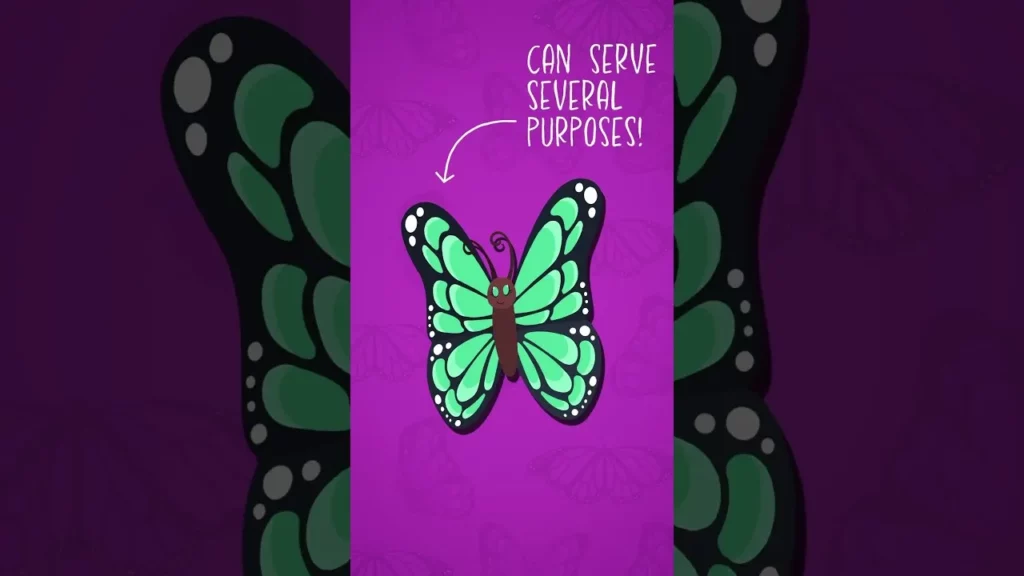
In this lesson, we explore the vibrant colors of butterfly wings and the reasons behind them. Butterflies use their colorful patterns to attract mates, warn predators of their potential toxicity, and blend into their surroundings for camouflage. Additionally, some butterflies can even change their colors with the seasons, showcasing their adaptability and intelligence.
What does Bacteria look like?
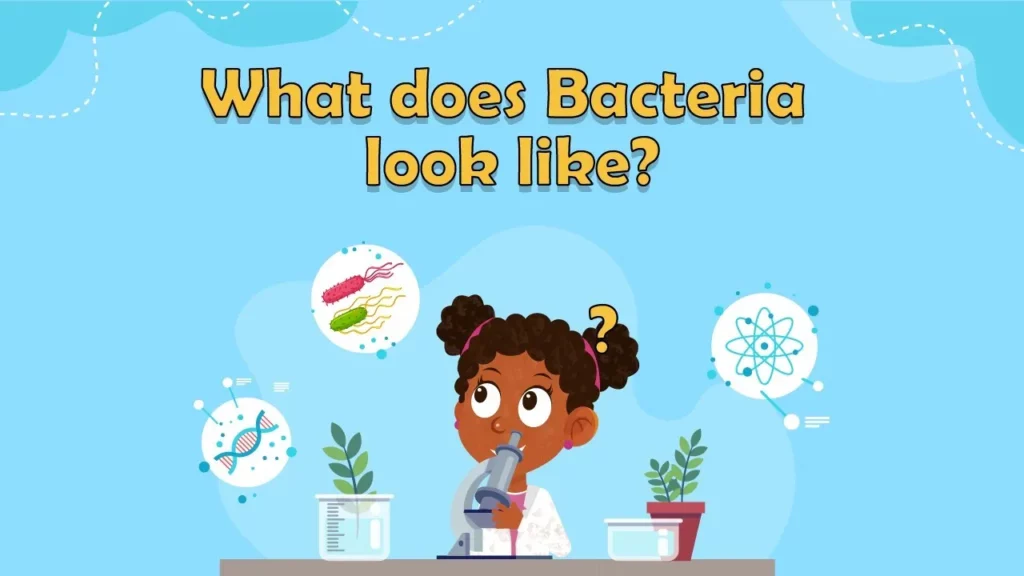
The lesson explores the appearance and movement of bacteria, highlighting their diverse shapes and the unique flagellum, a whip-like structure that enables some bacteria to swim. It explains how flagella function like tiny propellers, allowing bacteria to navigate their environments in search of food or safer habitats. Additionally, the lesson emphasizes the significance of bacteria in various ecosystems, including their beneficial roles in digestion and potential applications in medicine and technology.
How Does A Robot Vacuum Work?
In this lesson, we explore how robot vacuums operate using advanced technology, including sensors and algorithms that help them navigate and clean efficiently. When activated, these devices map their surroundings, avoid obstacles, and return to their charging stations when needed, all while ensuring safety features prevent falls. Overall, robot vacuums exemplify the integration of smart technology into everyday life, making cleaning tasks easier and more effective.
How to Write Letters
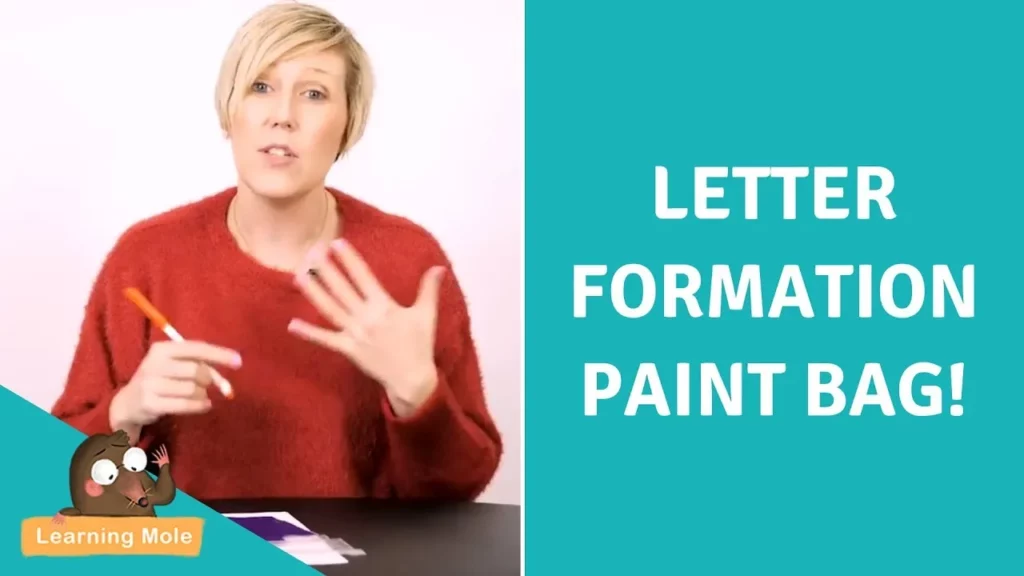
In this lesson, young learners are introduced to the fun and creative process of writing letters using a plastic bag filled with colorful paint. By drawing letters on the bag with their fingers or a blunt pencil, children can explore the shapes of different letters while enjoying a hands-on, squishy experience. The activity encourages practice and creativity, making letter writing an engaging adventure.