
Where Was The Biggest Turtle Found?
The lesson explores the discovery of a giant leatherback sea turtle found on the shores of Wales in 1988, measuring 2.2 meters and weighing 140 stones (approximately 890 kilograms). It highlights the importance of sea turtles in maintaining ocean ecosystems and emphasizes the need for their protection due to their endangered status. Additionally, it shares a fun fact about leatherback turtles’ impressive diving abilities.
Dinosaur Facts for Kids
In this lesson, Aaron shares intriguing facts about dinosaurs, highlighting their diversity and unique characteristics. He discusses the dinosaur with the longest name, the bipedal nature of most meat-eaters, the vast number of dinosaur species, the impressive size and lifespan of the T. rex, and the enormous food consumption of plant-eating dinosaurs. Overall, the lesson emphasizes the fascinating world of dinosaurs and their remarkable traits.
Was the Brachiosaurus a Sauropod?

The Brachiosaurus is a distinctive member of the sauropod family, known for its longer front legs compared to its back legs, which gave it a unique appearance and allowed it to reach high into trees for food. Despite having a shorter tail than other sauropods, it still shares the characteristics of this group, which includes some of the largest animals to ever walk the Earth. The name “Brachiosaurus,” meaning “armed reptile,” reflects its specialized adaptations that set it apart from its relatives.
Facts about Crocodiles
In this lesson, we explored fascinating facts about crocodiles, including how to distinguish them from alligators, their historical significance in ancient Egypt, and their unique dental regeneration. We also learned about the nurturing behavior of mother crocodiles and their symbiotic relationship with the Egyptian plover bird, highlighting the interconnectedness of species in nature.
How Loud Are Owls?
This lesson explores the fascinating dual nature of owls, highlighting their ability to produce loud calls for communication while also being silent hunters. Owls use their powerful vocalizations to communicate over long distances, yet their specially adapted feathers allow them to fly quietly, aiding in their hunting strategy. The lesson emphasizes the remarkable adaptations of owls that contribute to their survival in the wild.
What Is an Igloo?
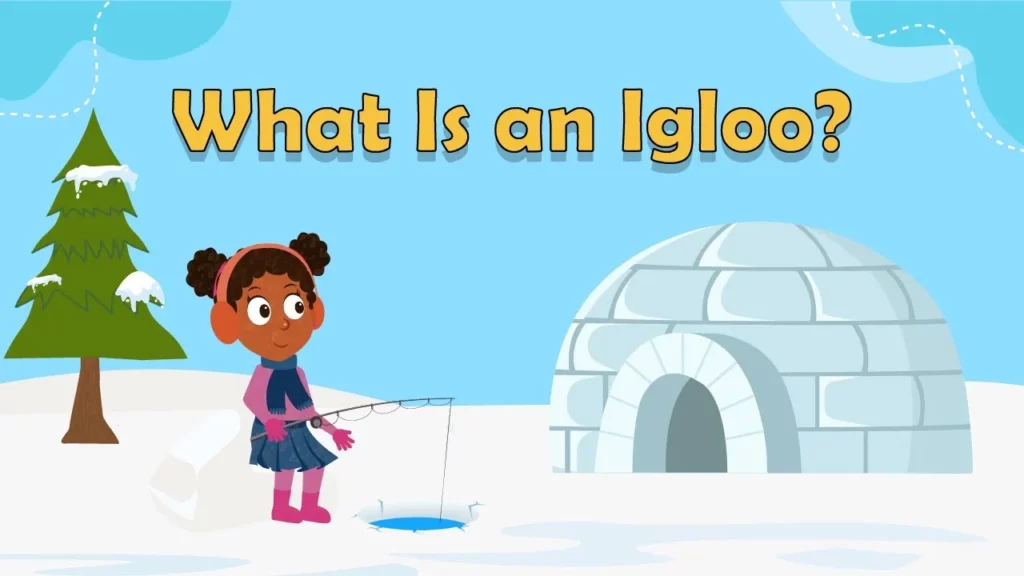
This lesson introduces igloos, unique homes made of snow primarily found in the Arctic, where the Inuit people live. It explains how igloos are constructed using tightly packed snow blocks arranged in a spiral shape for stability, and highlights the importance of their tunnel entrance, which helps maintain warmth inside despite the cold outside. Additionally, it emphasizes the insulating properties of snow, making igloos ideal shelters for hunters and travelers in frigid environments.
What is Machu Picchu?
Machu Picchu is an ancient Inca city located in the Andes Mountains of Peru, renowned for its well-preserved ruins and stunning architecture. Built in the 15th century, it remained hidden until its rediscovery in 1911 by explorer Hiram Bingham, and today it serves as a vital archaeological site that offers insights into Inca civilization and engineering. Visitors to Machu Picchu can explore its various structures, gaining a deeper understanding of the Inca people’s history, culture, and remarkable achievements.
How Do The Lungs Work?
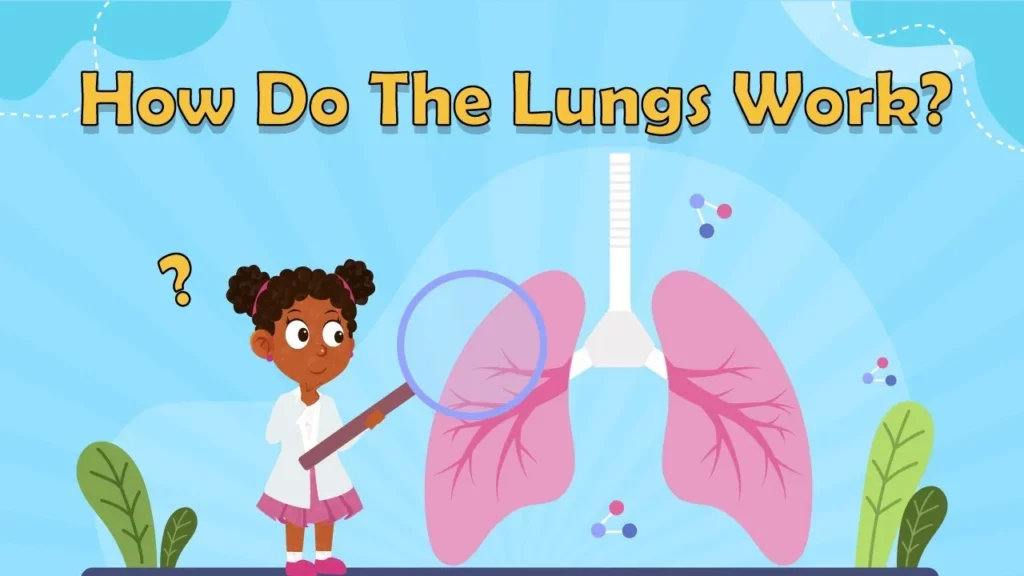
This lesson explains the process of breathing and the vital role of the lungs in oxygen exchange. When you inhale, air travels through the windpipe to the lungs, where tiny air sacs called alveoli absorb oxygen and transfer it to the bloodstream. This essential function allows your body to receive the oxygen it needs to operate effectively, highlighting the remarkable capabilities of the respiratory system.
Can Humans Make Radiation?
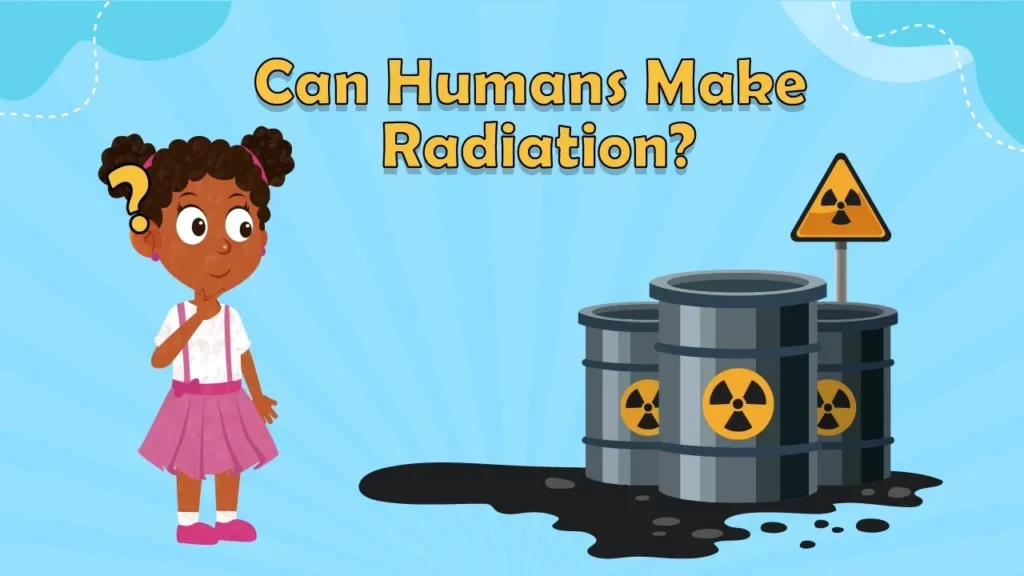
The lesson explains that humans can create radiation through activities such as operating nuclear power plants and utilizing medical procedures like X-rays and radiation therapy. While these applications provide significant benefits, including energy production and cancer treatment, they also require careful management due to the potential dangers associated with ionizing radiation. Overall, the responsible use of radiation is crucial for maximizing its advantages while minimizing risks.
What Is A Gas Giant?

Gas giants are unique planets primarily composed of gases like hydrogen and helium, lacking solid surfaces. In our solar system, the four gas giants are Jupiter, Saturn, Uranus, and Neptune, with Jupiter being the largest, capable of fitting over 300 Earths inside it. Notable features of Jupiter include the Great Red Spot, a massive storm that has persisted for over 300 years, and its more than 75 moons, including Europa, which may harbor a hidden ocean beneath its icy crust.