
Nessy Spelling Strategy: Flossy Words | FF LL SS | Learn to Spell
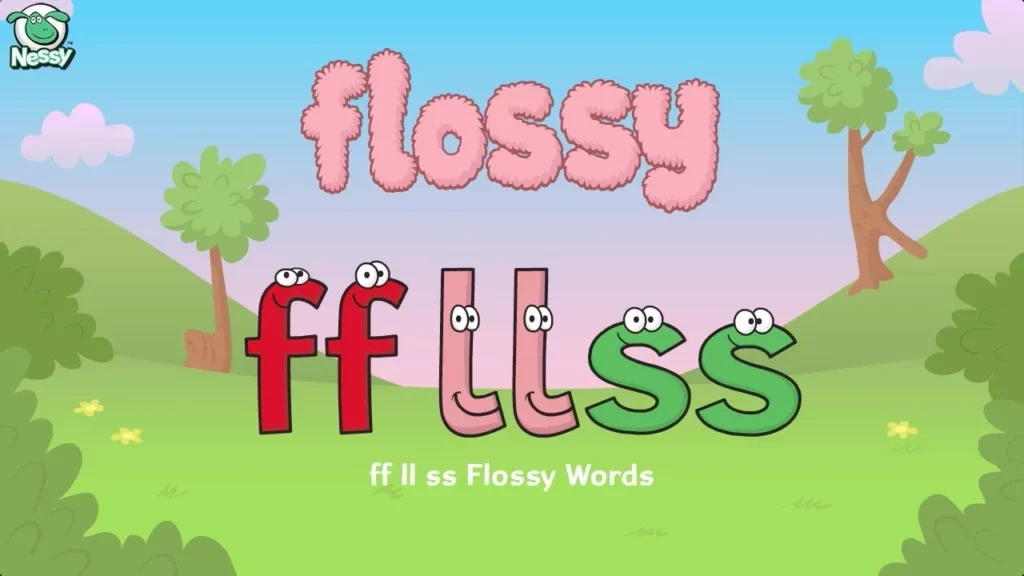
The lesson on “Flossy Words” teaches students about the spelling of words that end with double letters like “ff,” “ll,” and “ss.” It explains that short vowels at the end of a word need “tickle power,” which is provided by adding double letters, while vowels that already have a neighboring letter only require a single letter. By applying this rule, students can improve their spelling of these specific words.
Magic E | Learn to Read
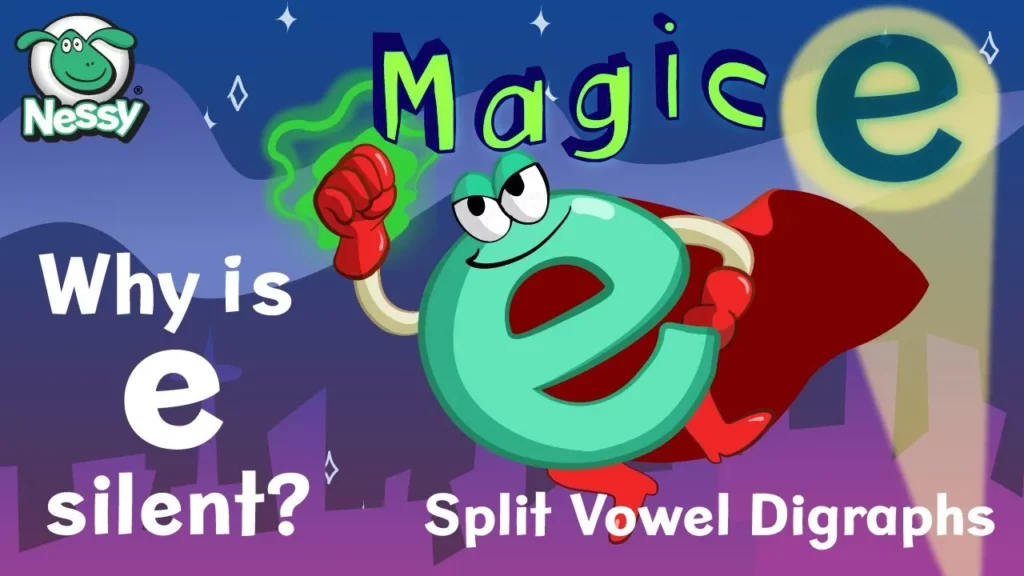
The lesson introduces the concept of “Magic E,” a special letter that empowers vowels to pronounce their names instead of their weaker sounds. By adding an “e” at the end of words, such as transforming “cap” into “cape,” the vowel becomes strong and pronounced as “ay.” Magic E is silent but plays a crucial role in enhancing the pronunciation of vowels, making it a superhero for reading!
Homophones | Learn to Spell
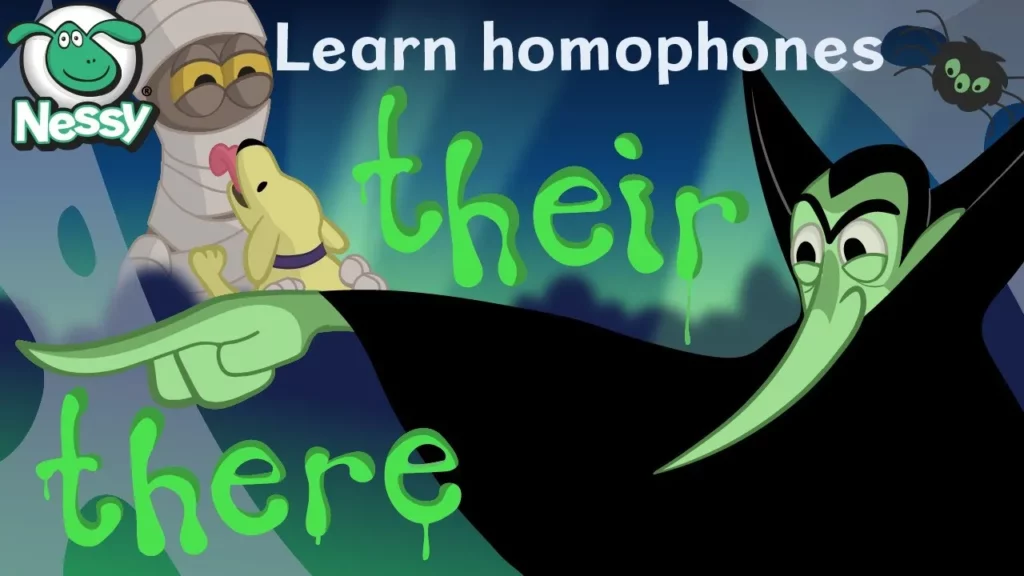
In this lesson, students learn about homophones—words that sound the same but have different meanings and spellings. By using visual aids and creative techniques, such as linking words to pictures or stories, learners can better remember the meanings of homophones like “their” and “there.” The lesson encourages practice through a fun activity that involves creating a list of homophones and illustrating or writing sentences for each, making the learning process engaging and effective.
Fingers Are For Reading | Learn to Chunk Words | Syllable Division |
In the lesson “Fingers Are For Reading,” students learn how to use their fingers as tools to help them read by breaking down larger words into manageable chunks. By covering parts of a word and sounding out smaller sections, learners can improve their reading skills and gain confidence. The lesson emphasizes that practice with this technique can enhance reading abilities and make learning new words more enjoyable.
Find out why ‘ch’ makes 3 different sounds
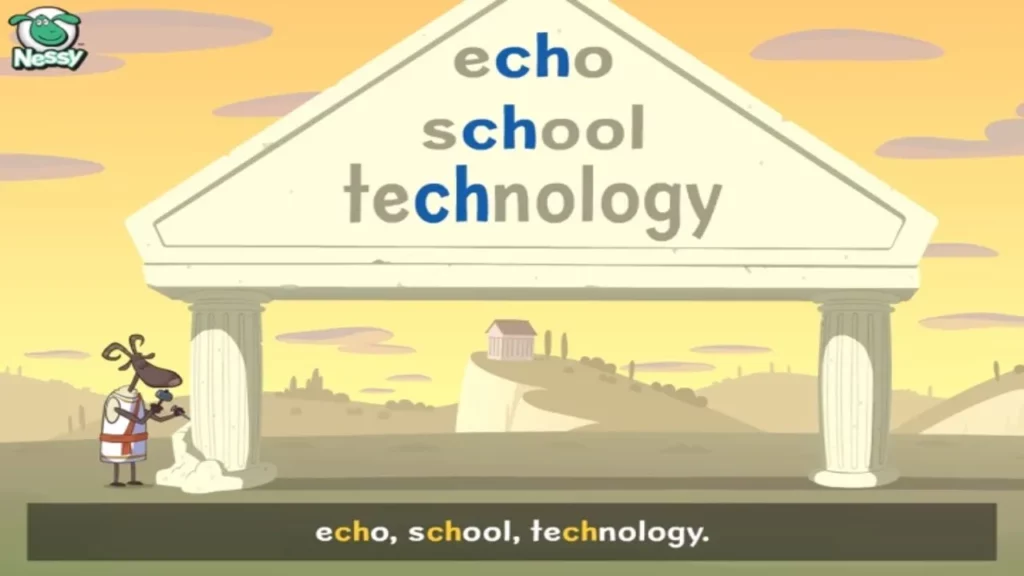
In this lesson, students learn that the letters “CH” can produce three distinct sounds in English: the “ch” sound as in “chip,” the “k” sound as in “echo,” and the “sh” sound as in “champagne.” This variation occurs due to the origins of the words, with some coming from Greek and others from French. By understanding these different sounds, students can enhance their reading skills and enjoy the challenge of identifying which sound “CH” makes in various words.
Cuddly C and Kicking K | Learn to Spell
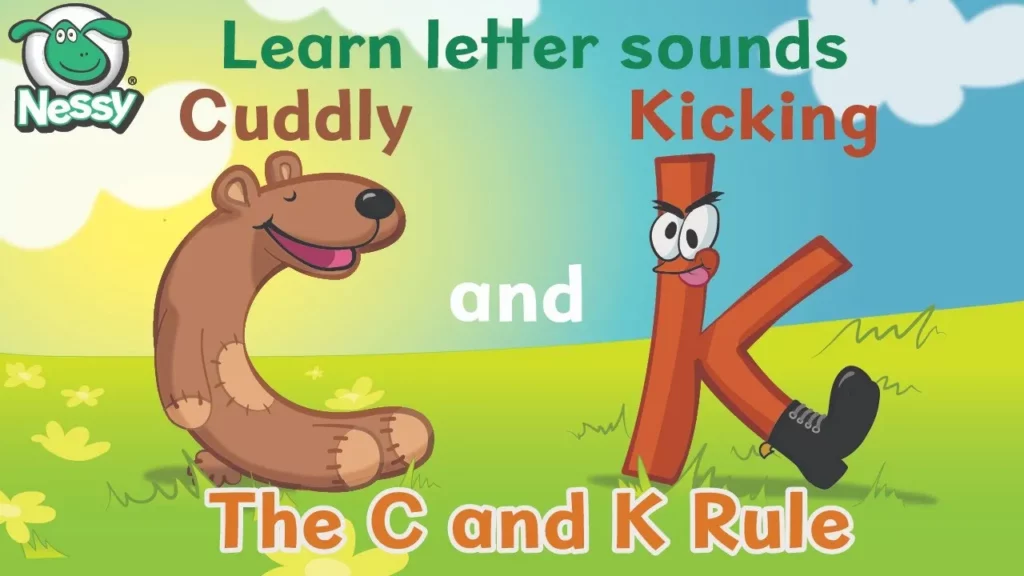
In this lesson, students learn about the letters C and K, which both produce the same sound but are used differently in words. C is described as a “cuddly” letter that typically appears at the beginning of words, while K is a “kicking” letter that often comes at the end, though it can also start words when followed by I, Y, or E. By understanding these fun rules, students can improve their spelling skills.
Head Body Tail – Educational Song | Prefixes and Suffixes
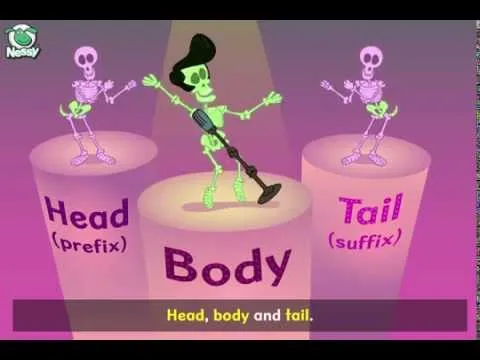
In this lesson, students learn to analyze words by identifying their components: the head, body, and tail. The body is the main part of the word, while the head precedes it and can alter its meaning, and the tail follows the body, often indicating tense or other grammatical aspects. Understanding these parts enhances vocabulary comprehension and usage, making word exploration an engaging puzzle.
The Seven Days of the Week with the Seven Ducklings | Quack, Quack, Quack!
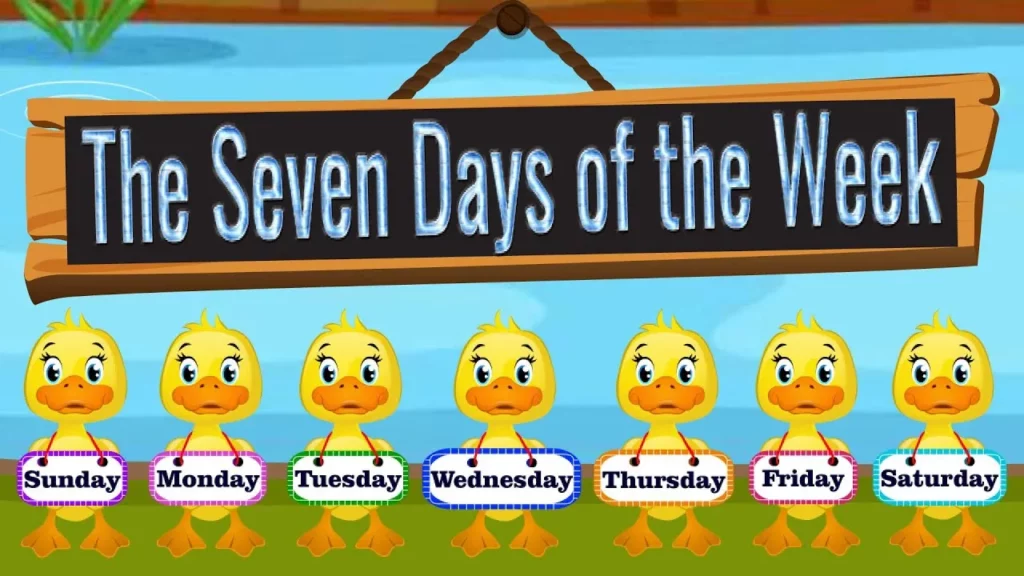
In this lesson, children learn about the days of the week through the story of Mallory the duck and her seven ducklings, named after each day. As Mama Duck calls her ducklings to line up and play at the pond, children are encouraged to practice reciting the days in order. The engaging narrative and interactive elements help reinforce the concept of the weekly cycle in a fun and memorable way.
Modes of Transportation for Kids | Land Transportation | Water Transportation | Air Transportation
In this lesson, Humpy the Camel introduces kids to the various modes of transportation, which are categorized into three main types: land, water, and air. Each category features examples such as bikes, cars, boats, and airplanes, highlighting how these vehicles help us travel and explore the world. The lesson encourages children to think about their preferred mode of transportation while fostering curiosity about their surroundings.
Kindergarten Addition with Animation | Count the Animals and then Add | Addition Quiz for Kids
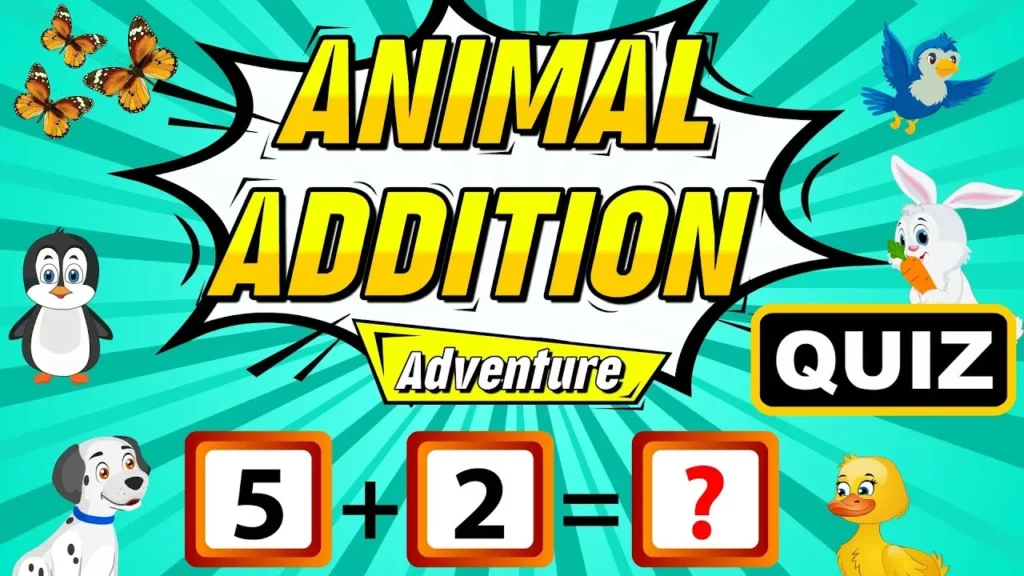
In this lesson, kindergarten students learn basic addition through engaging examples featuring animals. By counting various groups of animals and adding them together, children practice their addition skills in a fun and interactive way, reinforcing their understanding of numbers and basic math concepts. The lesson encourages continued practice to enhance their proficiency in addition.