
The Sound ‘AR’ | Learn to Read
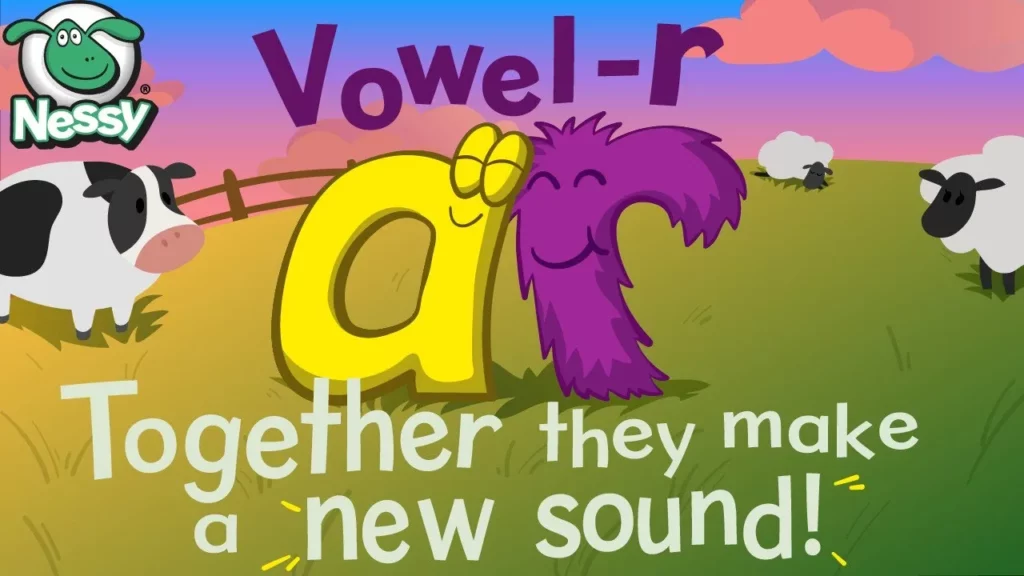
In this lesson, students learn about the unique sound produced by the letters ‘a’ and ‘r’ when they appear together, which is different from the typical ‘a’ sound. Through examples like “dark,” “park,” and “farm,” learners practice identifying and pronouncing the ‘ar’ sound, while engaging in a fun activity that reinforces their understanding. The lesson encourages ongoing practice and sharing knowledge with others to enhance reading skills.
The Sound 'V' | 'V' Needs An 'E'! | Learn to Read & Spell
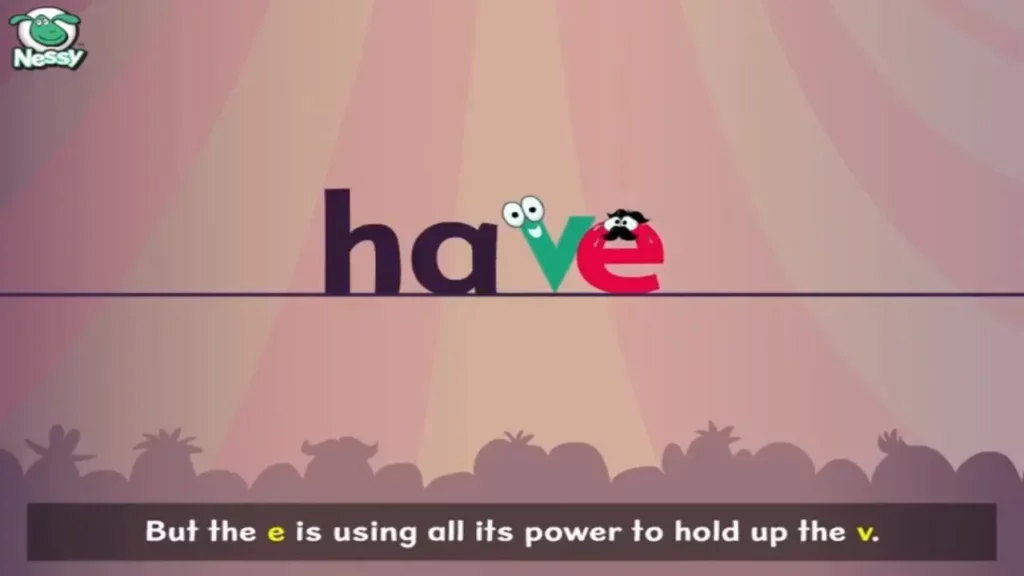
In today’s lesson, we explored the importance of the letter ‘E’ as a supportive partner for the letter ‘V’, especially when ‘V’ appears at the end of words. We learned that while ‘V’ may look like a pointy triangle and struggles to stand alone, ‘E’ acts as a superhero, ensuring ‘V’ remains stable and strong. Through fun practice, we discovered how ‘V’ and ‘E’ work together to create correct word endings, reinforcing their friendship in the world of language.
Writing Strategies | 6 Ways to Start a Sentence | Sentence Structure | Learn to Write
This lesson introduces six engaging strategies for starting sentences to enhance writing skills and creativity. Techniques include beginning with the subject, describing the setting or timing, posing a question, using -ing phrases, and starting with -ly words, all of which can make writing more dynamic and interesting. By applying these methods, writers can overcome the challenge of beginning their sentences and enjoy the writing process more.
The Nessy Approach to Learning | How To Teach Children With Dyslexia
The Nessy Approach to Learning emphasizes the importance of understanding over rote memorization, particularly for students who struggle with memory difficulties. By focusing on grasping main ideas through engaging and simple strategies, Nessy helps students build confidence and improve their skills in subjects like reading, spelling, and math. Ultimately, the lesson highlights that true learning occurs when students comprehend the material, leading to greater success in their educational journey.
Sticky i | Learn to Read | Ci Si and Ti Sounds
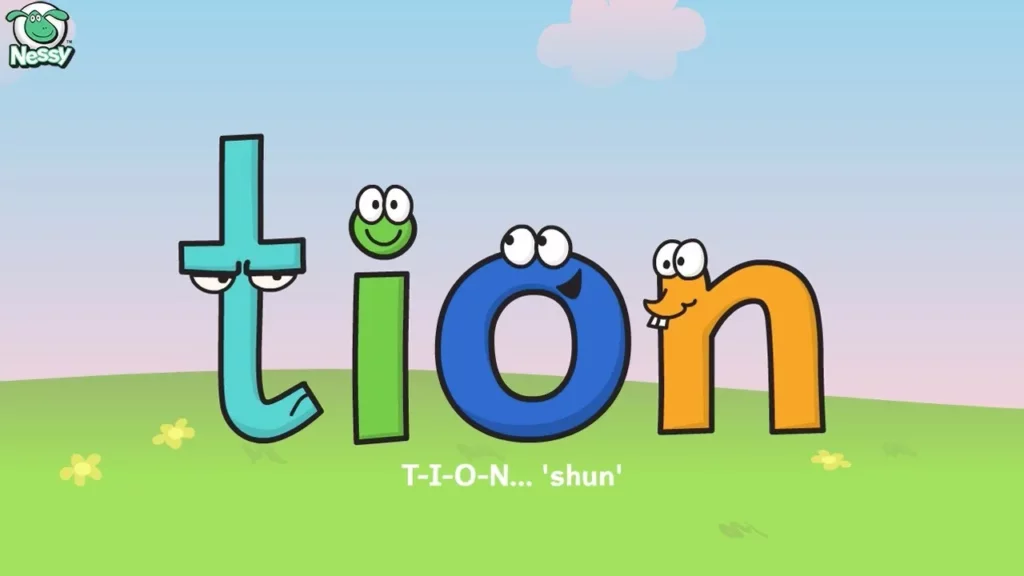
In this lesson, students learn about the “sticky I,” a special letter that creates the “shun” sound when combined with certain letters like “Ci,” “Si,” and “Ti.” Through examples such as “nation,” “magician,” and “mission,” learners discover how the sticky I changes word pronunciations. The lesson emphasizes practice to help students recognize and pronounce these sounds confidently, making reading more enjoyable.
Using TCH or CH | Sounds of TCH and CH | Learn to Read
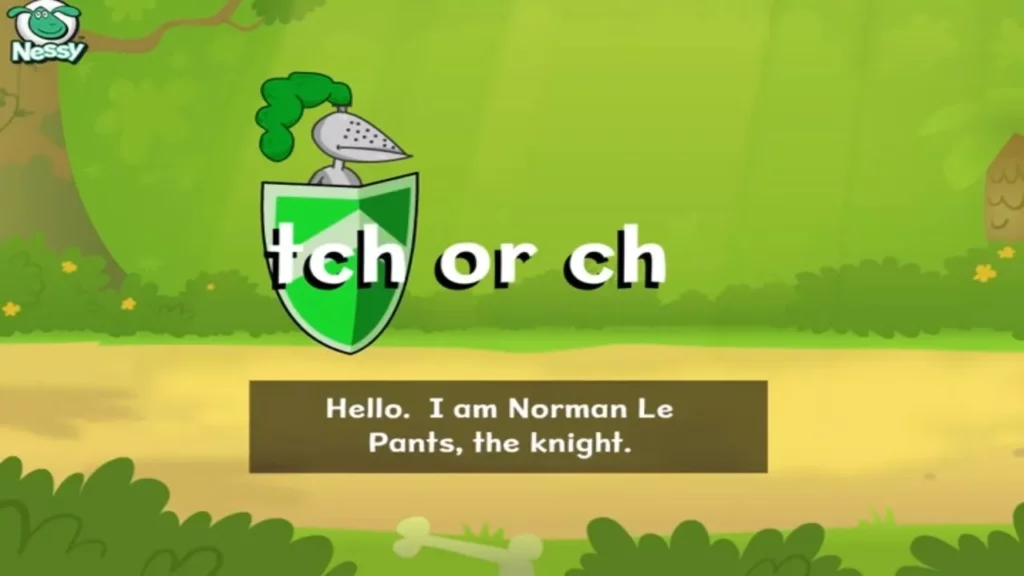
In this lesson, students learn about the sounds TCH and CH, which are pronounced the same but used differently based on the presence of vowels. TCH is used to protect lonely short vowels without letter friends, while CH is used when the vowel has a letter friend. By following this simple rule, students can confidently determine when to use TCH or CH in words.
Nessy Reading & Spelling Trailer
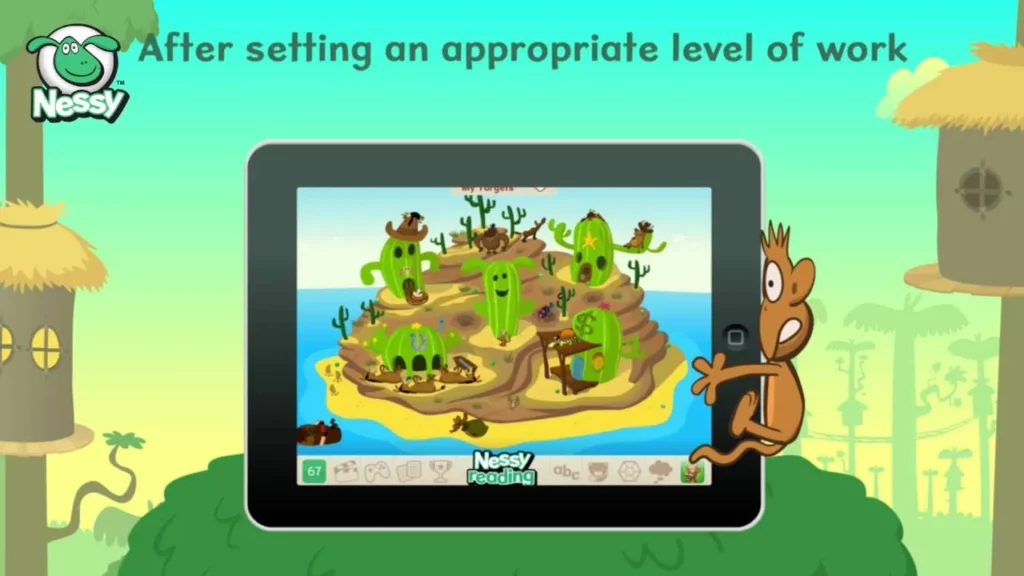
Nessy Reading & Spelling is an engaging educational program designed to help children, particularly those with dyslexia, enhance their reading, spelling, and writing skills through fun and interactive methods. By starting with personalized assessments, Nessy tailors the learning experience to each child’s needs, utilizing enjoyable games and memory tricks to teach essential language concepts. With thousands of activities and progress tracking, Nessy makes the journey of learning to read and spell both effective and enjoyable.
Adding '-ed' | Past Tense Verbs | Learn to Read
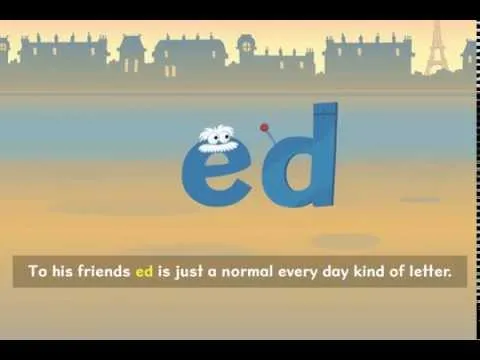
In this lesson, students learn how to transform present tense verbs into their past tense forms by adding “-ed,” using the character Ed as a fun time-traveling guide. Through engaging examples, such as “look” becoming “looked,” learners discover that this simple modification allows verbs to “travel back in time.” The lesson concludes with practice exercises, reinforcing the concept of converting verbs to their past tense.
Words Ending in 'ight' | Learn to Spell | Singalong
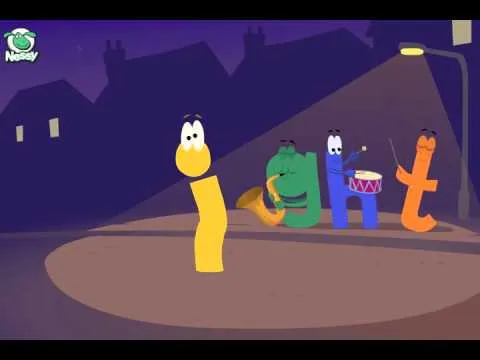
In this lesson, students explore fun words that end with the “ight” sound, such as “bright,” “fight,” and “tight,” through engaging storytelling and imaginative scenarios. They are encouraged to visualize adventures like a bright moonlit night and playful cat antics, while also learning additional words like “flight” and “kite.” The lesson concludes with a creative singalong, promoting enjoyment and retention of the new vocabulary.
When To Use ai ay | Vowel Digraphs | Learn to Spell
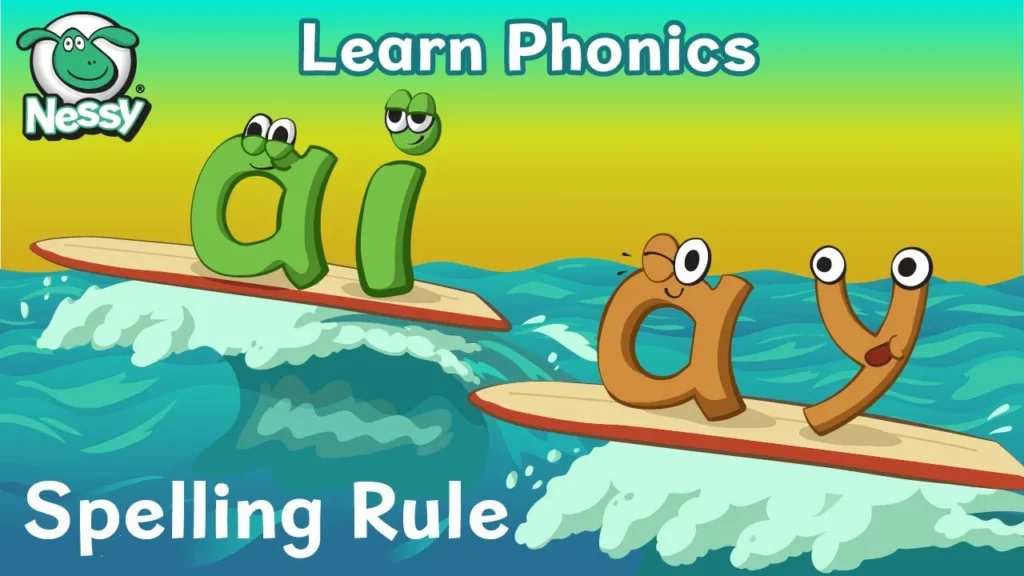
In this lesson, students learn the difference between the letter pairs “ai” and “ay,” which both produce the same “ay” sound. “Ai” is used in the middle of words, like “brain,” while “ay” is found at the end of words, such as “play.” By understanding this rule, students can improve their spelling skills and confidently apply the correct letter pair in their writing.