
Compound Words for Kids | Definition and Examples | Creating Compound Words with Magic
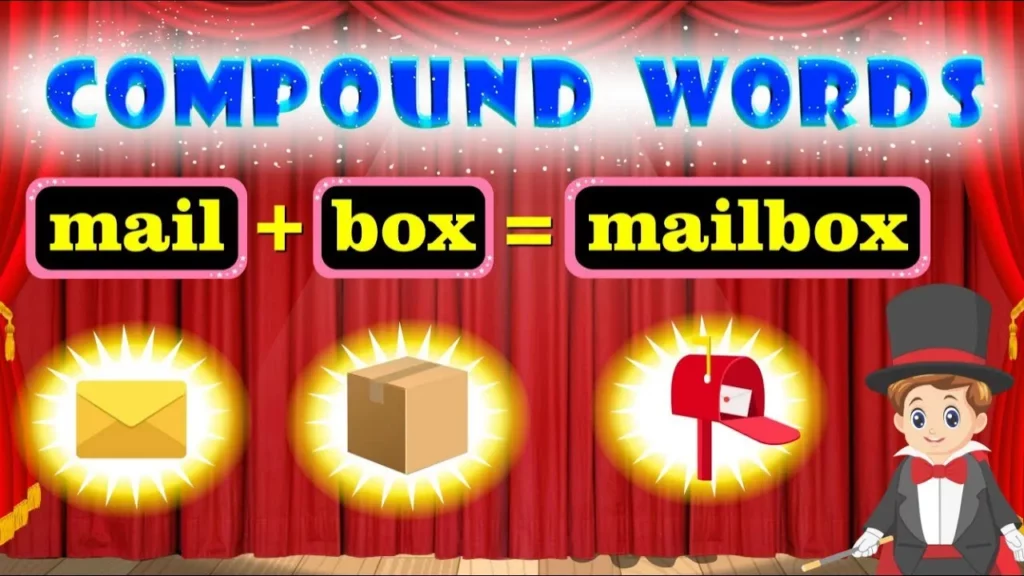
In this lesson, children learn about compound words through the engaging antics of Derrick the Magician, who demonstrates how two smaller words can combine to create new meanings. Through fun examples like “mailbox,” “honeycomb,” and “basketball,” kids discover the magic of language and are encouraged to explore and find compound words in their own surroundings. The lesson emphasizes creativity and the joy of learning through playful interaction with words.
Countable and Uncountable Nouns for Kids | It’s Shop O’Clock!
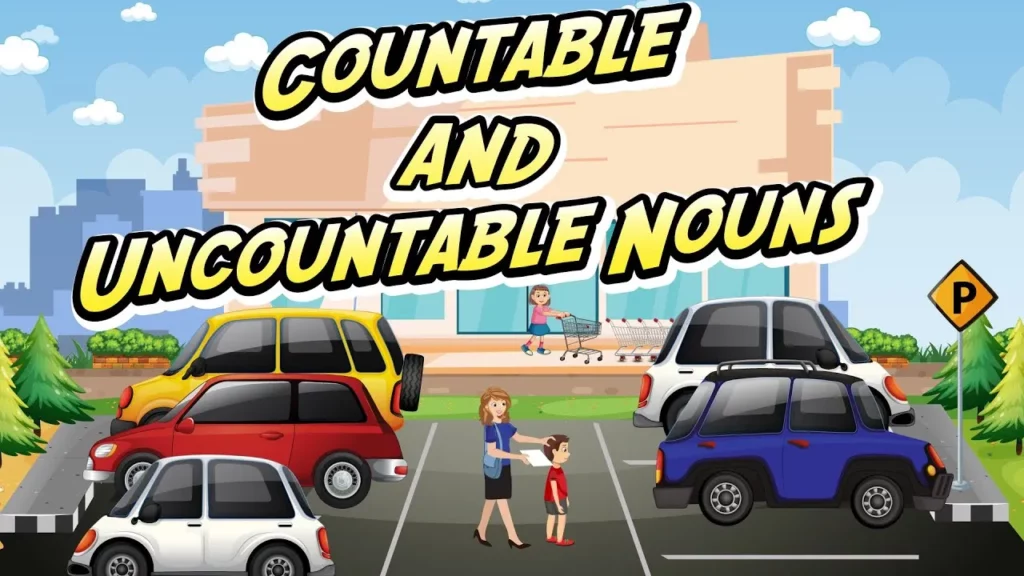
In this lesson, kids learn about countable and uncountable nouns through a fun grocery shopping adventure with Nina, Matt, and their mom. Countable nouns, like “cart” and “apple,” can be counted individually, while uncountable nouns, such as “milk” and “flour,” cannot be counted in the same way. The lesson emphasizes the use of “how many” for countable nouns and “how much” for uncountable nouns, helping children understand these concepts in a relatable context.
The Christmas Quiz for Kids — Unwrap the Answers to Festive Questions

The Christmas Quiz for Kids is a festive and engaging lesson that introduces children to various holiday traditions and symbols, such as Santa Claus, Christmas trees, and candy canes. Through fun questions and answers, kids learn about the significance of decorations, popular treats, and the origins of Christmas customs. The lesson encourages participation and aims to enhance children’s knowledge of Christmas in an enjoyable way.
Equivalent Fractions | Visualize, Generate, and Check
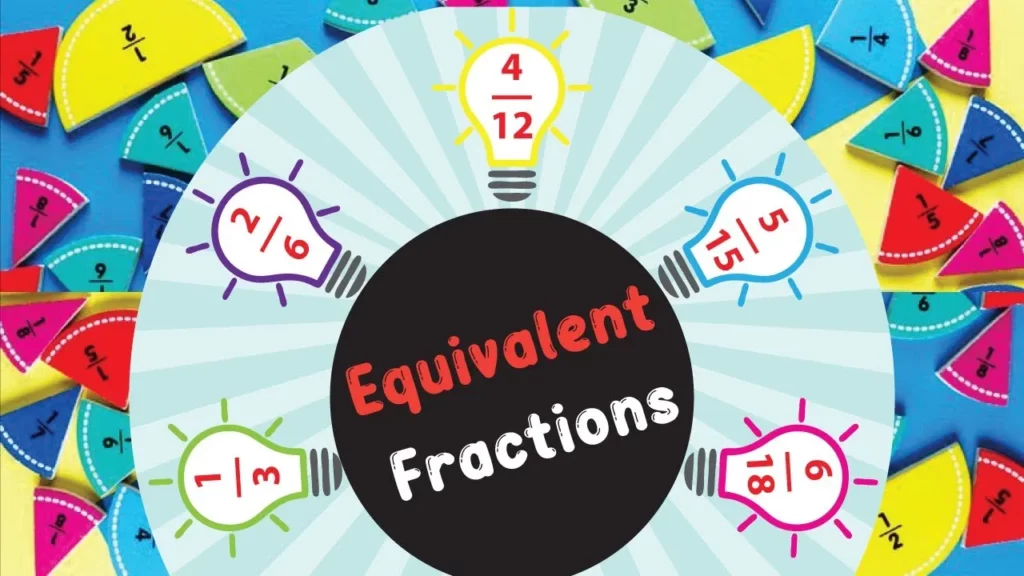
In this lesson, students learn about equivalent fractions using relatable examples like pizza and chocolate bars to visualize how different fractions can represent the same quantity. They explore methods for generating equivalent fractions by multiplying the numerator and denominator by the same number, and they practice checking for equivalence through simplification and cross-multiplication. The lesson emphasizes the importance of practice in mastering the concept of equivalent fractions.
Common Insect Names for Kids | Bugs for Kids | Introduction to Insects
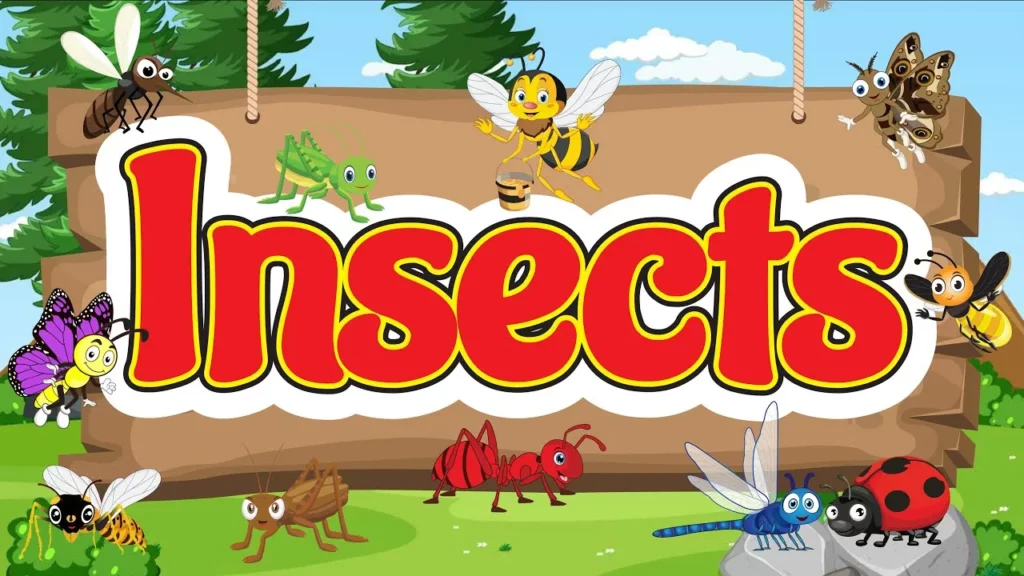
In this lesson, Spidey the Spider introduces children to the fascinating world of insects, explaining that insects have three body parts, six legs, and antennas, distinguishing them from spiders. The lesson features various insects, such as honeybees, butterflies, and ladybugs, highlighting their unique characteristics and behaviors. By the end, kids gain a better understanding of what makes an insect and are encouraged to continue exploring the natural world.
Food Chains Quiz for Kids | Exploring Energy Flow in Ecosystems | Roles of Organisms in Food Chains
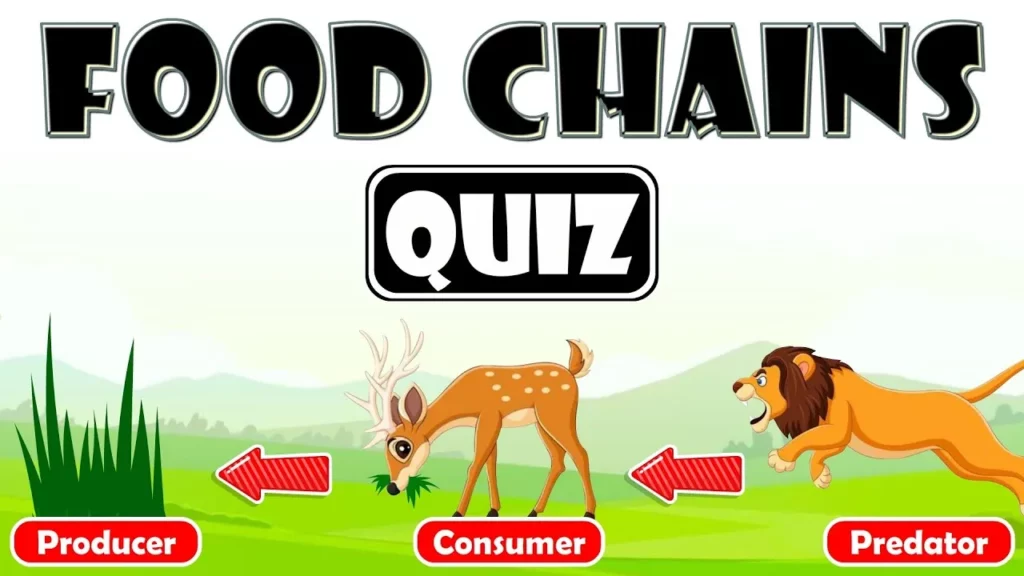
In this lesson, students explore the concept of food chains and the flow of energy within various ecosystems through engaging quiz questions. They learn about the roles of different organisms, such as producers, primary consumers, and predators, in diverse environments like deserts, rainforests, oceans, and grasslands. The lesson emphasizes the interconnectedness of life and the importance of each organism’s role in maintaining ecological balance.
Area of a Rectangle | Learn with Solved Real-Life Examples
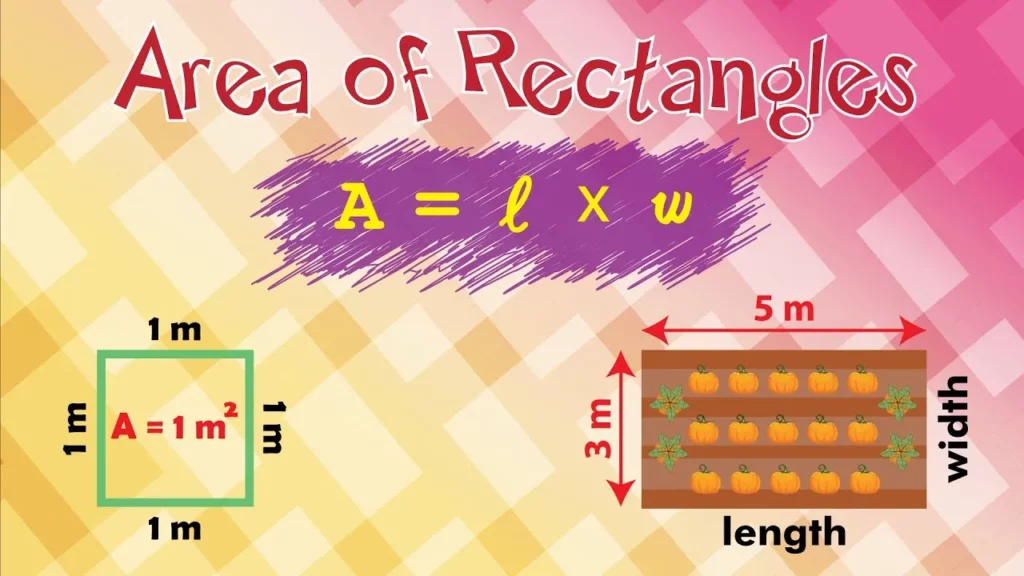
In this lesson, we learned how to calculate the area of different vegetable patches in Joe’s garden using the formula for the area of a rectangle, A = length × width. By applying this formula, we found the areas of Joe’s pumpkin, bell pepper, and corn patches, demonstrating how to efficiently determine the size of flat shapes rather than relying on visual estimation. This practical application of math helps us understand and quantify space in real-life scenarios.
Idioms for Kids | A Bouquet of Must-Have Idioms
In this lesson, kids learn about idioms through the adventures of Sheldon the Turtle and his friend Ollie the Owl. The lesson introduces various idioms, explaining their meanings with fun examples, such as “hold your horses” for waiting, “raining cats and dogs” for heavy rain, and “couch potato” for someone who is inactive. By the end, students gain a better understanding of these colorful phrases and how to use them in everyday conversation.
Mean Absolute Deviation (MAD) | Learn to Calculate MAD in a Minute
In this lesson, we explored the concept of Mean Absolute Deviation (MAD), which measures the variability of a set of numbers. Through examples involving sales data and basketball practice times, we demonstrated how MAD provides insight into the consistency of data sets, revealing that Ralph’s practice times were more varied than Sandra’s, despite both having the same average. Understanding MAD allows us to better interpret data and recognize differences that averages alone may not convey.
Volume of a Cylinder | Learn through Cool Illustrations
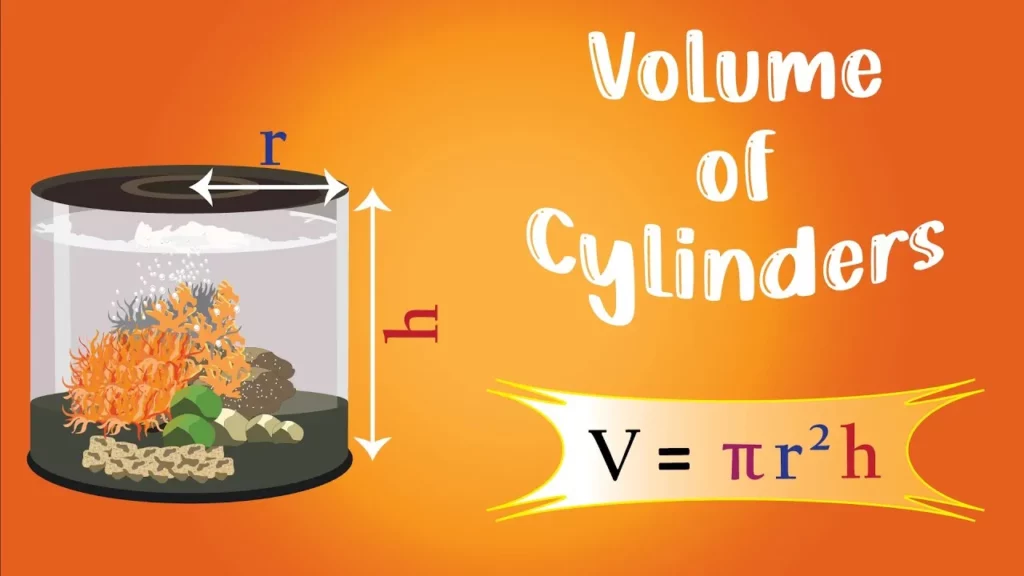
In this lesson, we explored the concept of volume, specifically focusing on how to calculate the volume of a cylinder. By using the formula \( V = \pi r^2 h \), where \( r \) is the radius of the circular base and \( h \) is the height, we learned to find the volume through practical examples, such as calculating the volume of a candle and an aquarium. Students are encouraged to practice further with additional exercises to solidify their understanding of this important geometric concept.