
Personal Pronouns for Kids | Subject and Object Pronouns
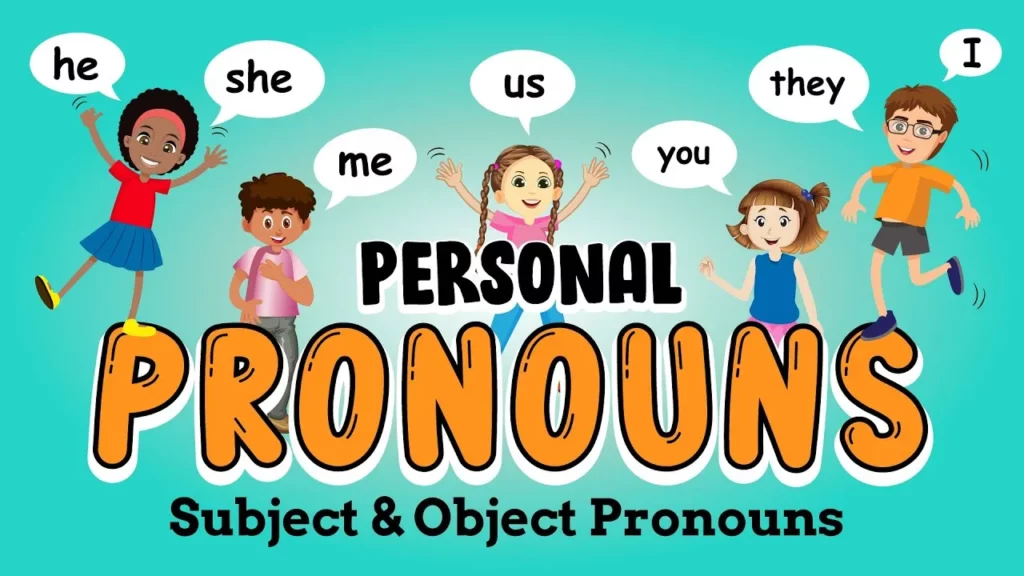
In this lesson, students learn about personal pronouns, specifically focusing on subject and object pronouns. Subject pronouns (like I, you, he, she, it, we, and they) are used when the pronoun is the subject performing the action, while object pronouns (like me, you, him, her, it, us, and them) are used when the pronoun is receiving the action. Through engaging examples set in a fun Field Day context, students discover how to effectively replace nouns with pronouns to enhance their sentences.
What Are Rhyming Words? | Rhyming Words Definition and Examples | Let’s Rhyme with Elvis the Elf!
In this lesson, students join Elvis the Elf on a fun adventure to find ten lost keys to Santa’s Workshop by identifying rhyming words. Through engaging clues and examples, learners discover that rhyming words are those that sound the same at the end, enhancing the musicality of stories and songs. By successfully identifying rhymes, students help Elvis save Christmas and are encouraged to practice more rhyming words through additional resources.
Converting from Decimal to Binary | Convert Base-10 to Base-2
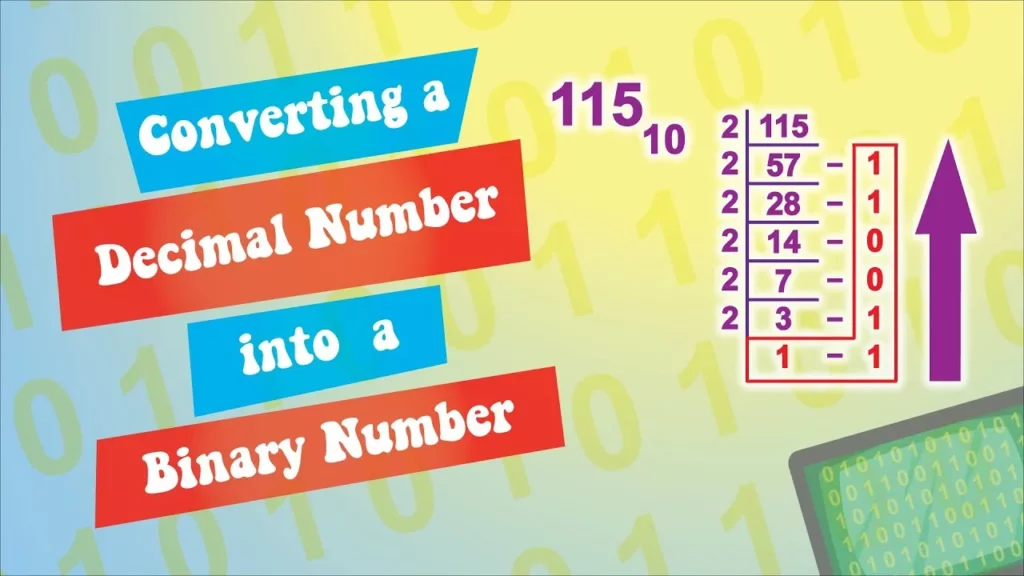
In this lesson, we learned how to convert decimal numbers to binary using two methods: the sum-of-weights method and the double-dabble (or repeated division) method. By breaking down decimal numbers into powers of 2, we can systematically determine their binary equivalents, as demonstrated with the conversions of 25, 106, and 115. Practice these techniques to become proficient in converting between these number systems!
The Ocean Zones Quiz: Journey from Sunlit Shores to Deep Trenches | The Five Layers of the Ocean
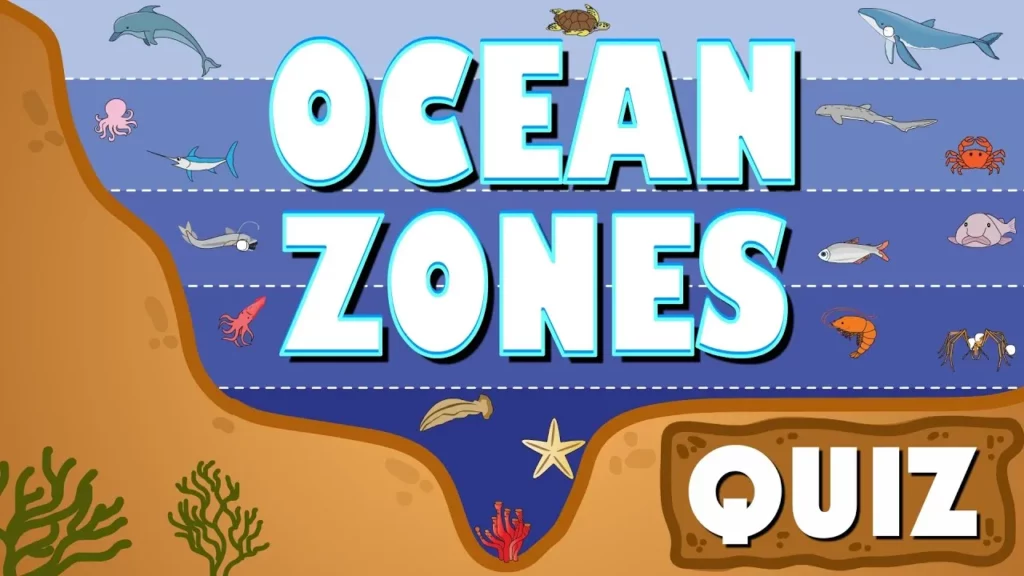
In this lesson, students embark on an engaging exploration of the ocean’s various zones, from the sunlit Epipelagic Zone to the deep Hadopelagic Zone. Each zone is characterized by unique conditions and fascinating marine life, including bioluminescent creatures in the Twilight Zone and the extreme adaptations of organisms in the Abyssal and Trench Zones. The lesson concludes with encouragement to continue learning about these mysterious underwater environments through additional resources and activities.
This, That, These, or Those | The Candy Land Adventure
In this lesson, Eric and Liam guide learners through Candyland while teaching the usage of the words “this,” “that,” “these,” and “those.” “This” and “these” refer to items that are close, while “that” and “those” refer to items that are farther away, helping students understand how to describe objects based on their proximity. Through fun examples and practice opportunities, learners become proficient in using these demonstrative words in various contexts.
Fruit for Kids | Welcome to Our Fruit-Picking Adventure | List of 15 Fruit Names
In this lesson, Wormy the Caterpillar invites children on a delightful fruit-picking adventure, where they learn the names of various fruits such as apples, oranges, and bananas through interactive repetition. As Wormy munches on these fruits, he expresses his ongoing hunger, engaging young learners in a fun and playful way. The lesson concludes with Wormy’s transformation into a chrysalis, symbolizing growth and change, while encouraging further exploration of the topic.
Divisibility Rules for 4 and 8 | Handy Tricks
In this lesson, we explored the divisibility rules for the numbers 4 and 8, learning that to determine if a number is divisible by 4, we only need to examine its last two digits, while for 8, we look at the last three digits. By applying these simple tricks, we can quickly assess divisibility without performing full division calculations. Practice is encouraged to master these rules and enhance numerical skills.
Learn How to Contract Words | Contractions for Kids | Contractions in English with the Blue Bug!
In this lesson, the Blue Bug, Drew, introduces contractions, which are shortened forms of two words created by omitting letters and using an apostrophe. The lesson covers various types of contractions, including pronoun-verb combinations, question words, and negative forms, providing examples for each. Students are encouraged to practice creating their own contractions and can find additional exercises on the Tutoring Hour website.
Water Bodies Quiz for Kids | What Are the Different Bodies of Water?
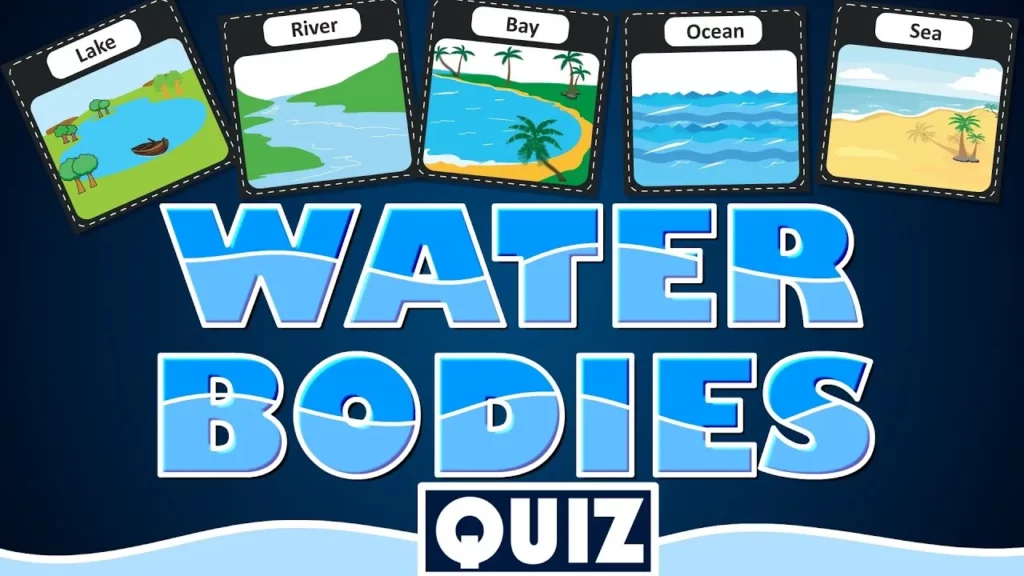
In this engaging lesson, kids learn about various types of water bodies through a fun quiz format. Each question introduces a different water body, such as rivers, lagoons, and bays, while providing interesting facts to enhance understanding. The lesson encourages exploration and curiosity about the natural world, making it an enjoyable educational experience.
Life Cycle of a Butterfly Quiz with Animated Explanation
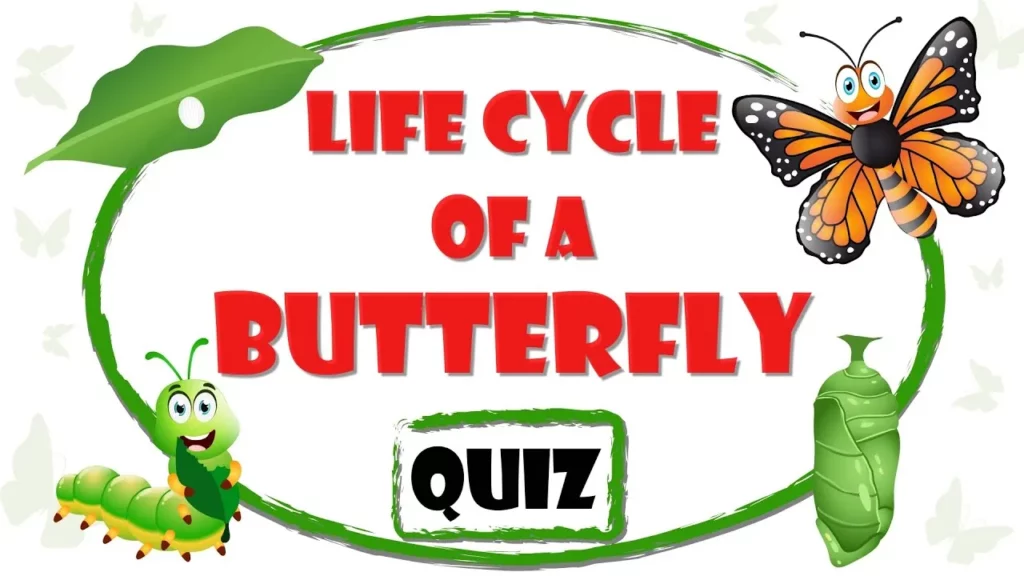
In this lesson, students explore the fascinating life cycle of a butterfly, which consists of four stages: egg, caterpillar, chrysalis, and adult butterfly. The lesson highlights key processes such as molting, metamorphosis, and the butterfly’s role in pollination, emphasizing the importance of these stages in nature. By the end, students are encouraged to continue their exploration and appreciation of the natural world.