
Pictographs for Kids | Read, Interpret, and Draw Picture Graphs | Interpret Scaled Pictographs
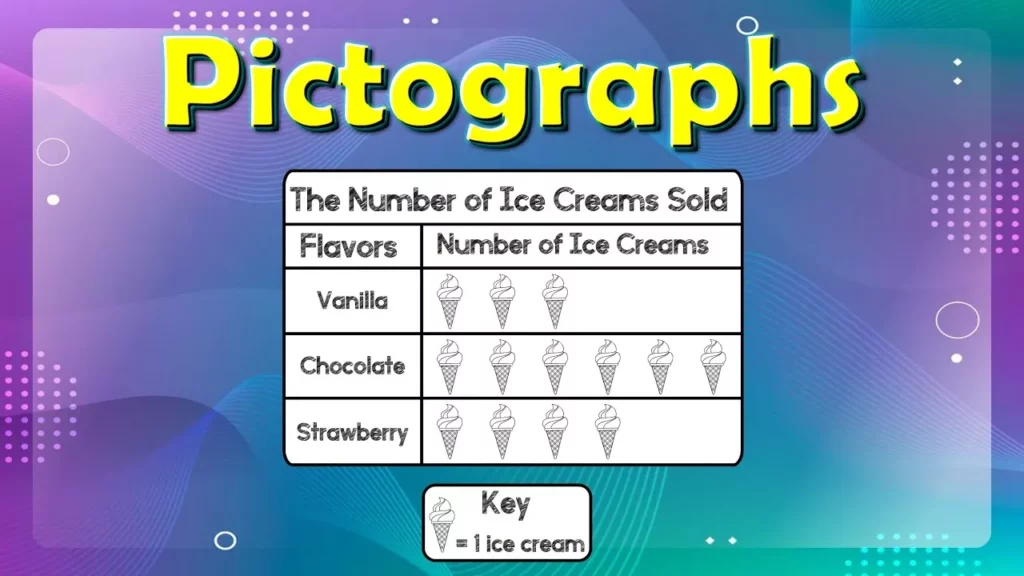
In this lesson, students learn about pictographs, which are visual representations of data using pictures to convey information. They explore how to read and interpret pictographs through examples, such as ice cream sales and car washes, and practice creating their own pictographs. The lesson also introduces scaled pictographs, where each picture represents multiple items, enhancing their understanding of data visualization.
What Are Common and Proper Nouns? | Common Nouns and Proper Nouns for Kids | Definitions & Examples
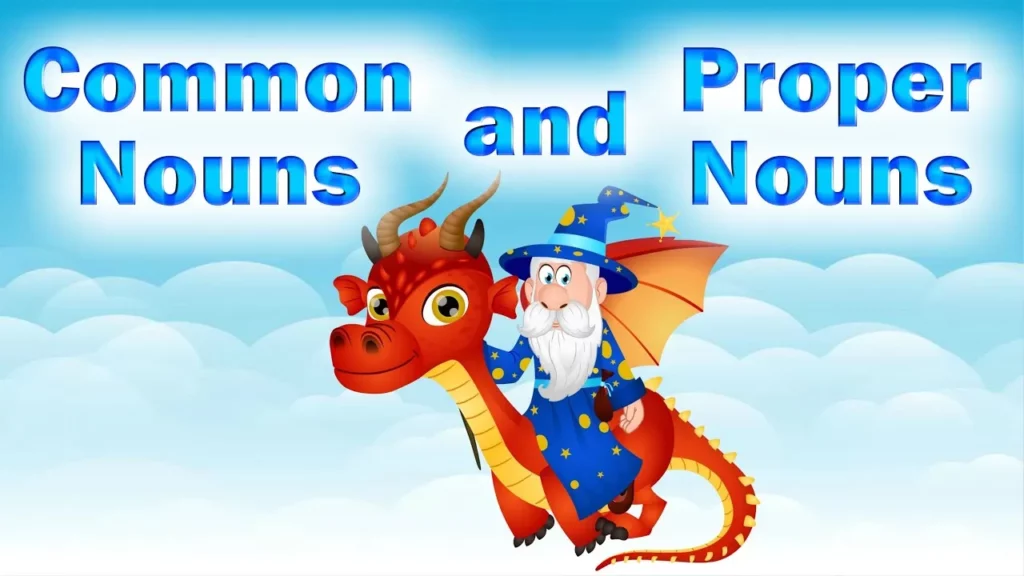
In this lesson, we explored the difference between common and proper nouns. Common nouns refer to general names for people, places, or things (e.g., “boy,” “cat,” “park”), while proper nouns provide specific names that make these nouns unique (e.g., “Oliver,” “Fluffy,” “Horizon Park”). Remember that common nouns are typically written in lowercase, whereas proper nouns always start with an uppercase letter.
What Is a Preposition? | List of Prepositions for Kids
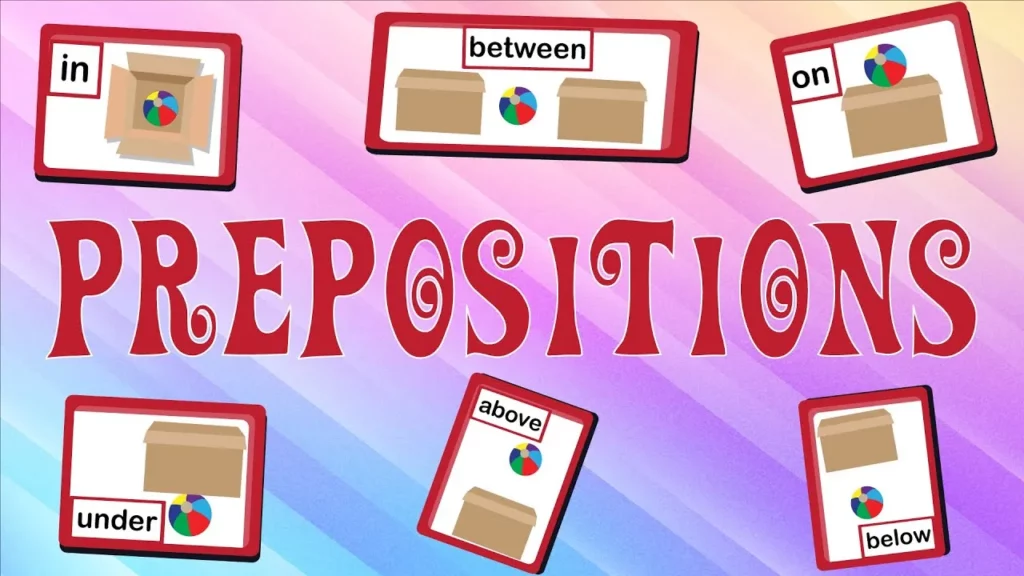
In this lesson, children learn about prepositions through the engaging story of Alyssa and her remote-controlled car. Prepositions such as “in,” “on,” “under,” and “between” are introduced as words that provide important information about the location and movement of objects. The lesson encourages kids to practice using prepositions by describing the positions of items in their own rooms.
Divisibility Rules for 3, 6, and 9 | 3 Shortcuts in 3 Minutes
In this lesson, we explored the divisibility rules for the numbers 3, 6, and 9, providing easy tricks to determine if a number can be divided by these without remainders. For 3, you add the digits and check if the sum is divisible by 3; for 6, the number must be even (divisible by 2) and also pass the rule for 3; and for 9, the sum of the digits must be divisible by 9. By practicing these rules, you can quickly assess the divisibility of various numbers.
Map Skills Quiz for Kids | Cardinal and Ordinal Directions
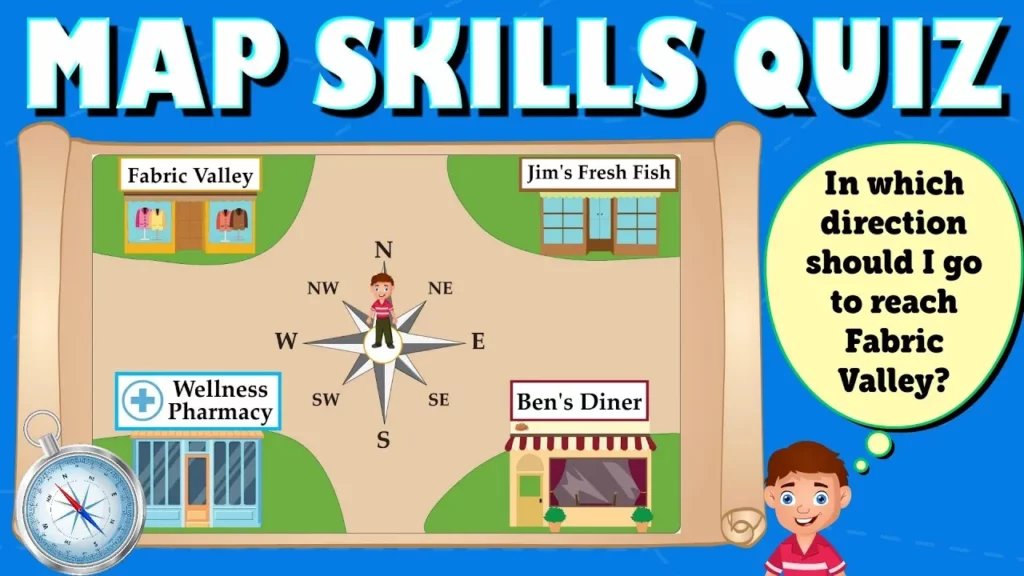
In this lesson, students learned about cardinal and ordinal directions, which are essential for navigating maps. They practiced applying these directions by helping characters like Mike, Amy, Jake, Hannah, and Trevor find their way to various locations in a town. The lesson emphasized the importance of understanding directions to become proficient map readers.
What Is an Adjective? | Adjectives for Kids | How to Describe Nouns Using Adjectives
In this lesson, children embark on a fun adventure while learning about adjectives, which are words that describe nouns. Through various activities, such as choosing hats and finding clues, they discover how adjectives convey qualities like color, quantity, size, shape, and taste. The lesson emphasizes the importance of adjectives in enhancing descriptions and encourages further practice through additional resources.
The Planet Quiz: Test Your Solar System Knowledge!
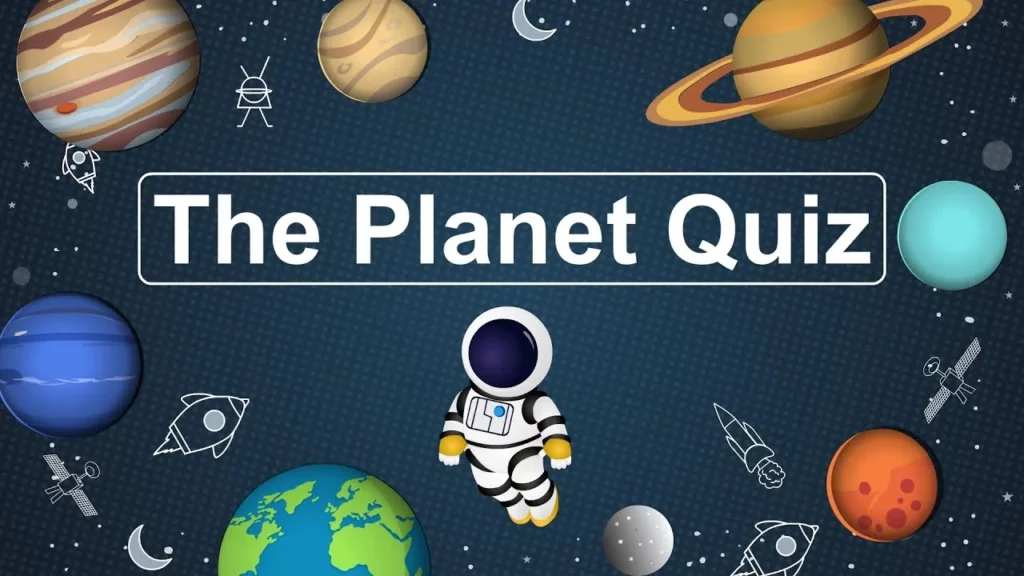
In this lesson, students embark on an engaging space adventure through a Planet Quiz designed to test their knowledge of the eight planets in our solar system. Each question highlights unique characteristics of the planets, such as size, temperature, and position relative to the sun, while encouraging learners to discover fascinating facts about our celestial neighbors. By the end of the quiz, students are celebrated for their efforts and encouraged to continue exploring the wonders of space.
What Are Similes? | Similes for Kids | Simile Examples for Kids Using Like or As
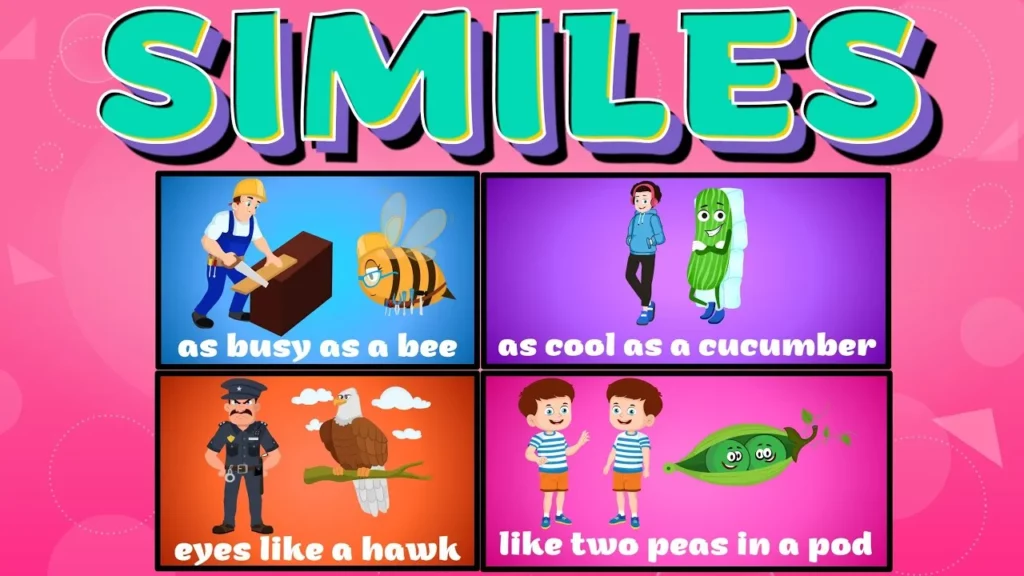
In this lesson, we learned about similes, which are comparisons between two different things using the words “like” or “as” to make sentences more engaging. Through various examples, such as “as busy as a bee” and “as wise as an owl,” we explored how similes can vividly describe people and their characteristics. The lesson encourages kids to incorporate similes into their own writing for added creativity and fun.
Divisibility Rules for 2, 5, and 10 | Handy Tricks & Shortcuts
In this lesson, we explored the divisibility rules for the numbers 2, 5, and 10, which can be determined by examining the last digit of a number. A number is divisible by 2 if it ends in an even digit (0, 2, 4, 6, or 8), by 5 if it ends in 0 or 5, and by 10 if it ends in 0. These simple tricks make it easy to quickly assess divisibility without performing full division calculations.
Properties of 2D Shapes | Sides and Corners of 2D Shapes
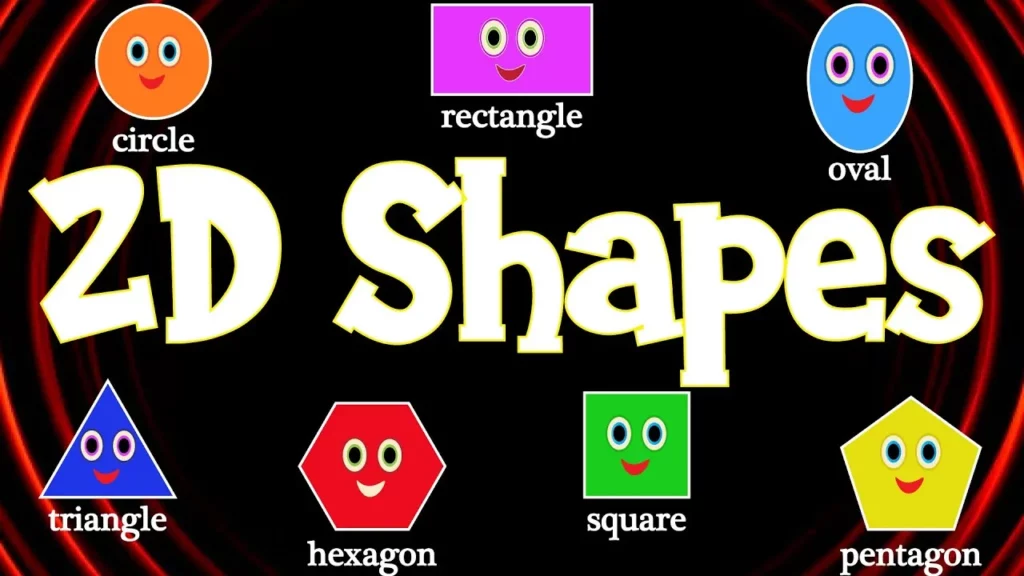
In this lesson, Roller the Panda introduces young learners to various shapes, including triangles, rectangles, squares, pentagons, hexagons, circles, and ovals. Each shape is described with its number of sides and corners, encouraging children to count along and engage with the material. The lesson emphasizes the unique characteristics of each shape while promoting exploration and practice beyond the classroom.