
What Is a Noun? | Happy Noun Hunting!
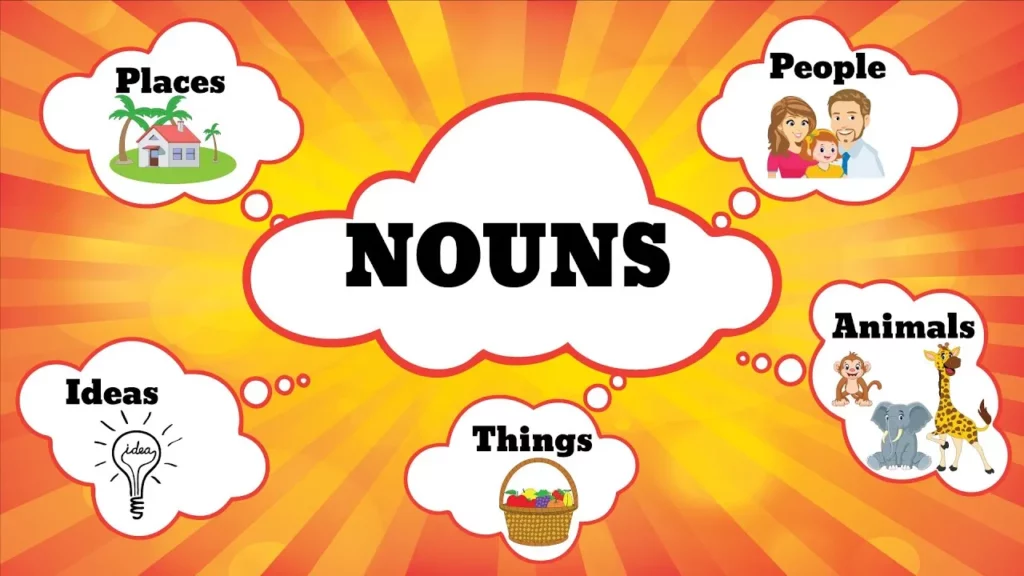
In this lesson, students embark on a noun scavenger hunt to discover different types of nouns, which are words that name people, places, animals, things, or ideas. Through engaging examples, they identify nouns related to individuals like Joe and his children, locations such as parks and schools, animals on the farm, objects like swings and trampolines, and abstract concepts like happiness and love. The lesson emphasizes the importance of nouns in language and encourages continued exploration and practice.
Capitalization Rules for Kids | M.I.N.T.S – The Trick to Perfect Capitalization
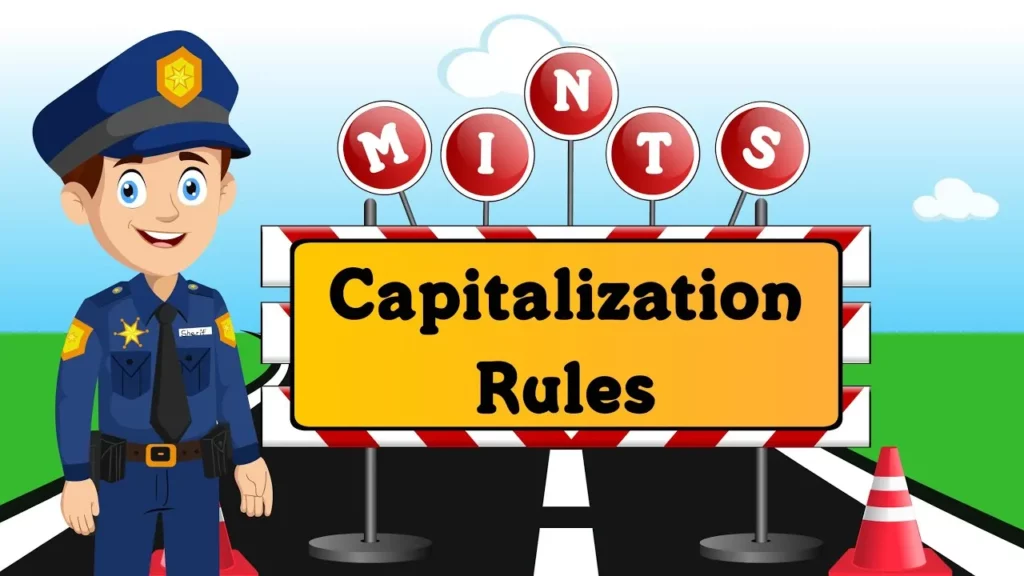
In this lesson, Cooper, the Capitalization Cop, introduces kids to the essential rules of capitalization using the acronym M.I.N.T.S. Each letter represents a specific rule: capitalize months and days (M), the pronoun “I” (I), names of people and places (N), important words in titles (T), and the first word of a sentence (S). By following these rules and practicing, children can become proficient in using capital letters correctly in their writing.
Symmetry for Kids | Lines of Symmetry | Symmetry in Real-life Objects
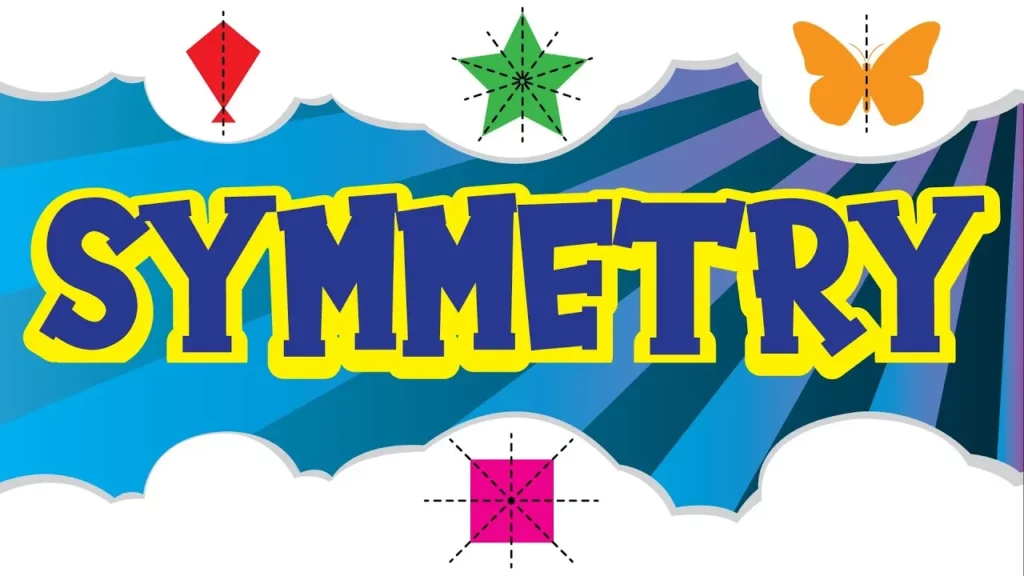
In this lesson, kids learn about symmetry, which is when an object can be divided into two identical halves by an imaginary line called the line of symmetry. Through engaging examples like butterflies, starfish, letters, and shapes, students discover that some objects have multiple lines of symmetry while others are asymmetrical. The lesson encourages exploration of symmetrical objects in their surroundings, reinforcing the concept in a fun and interactive way.
Subject and Predicate for Kids
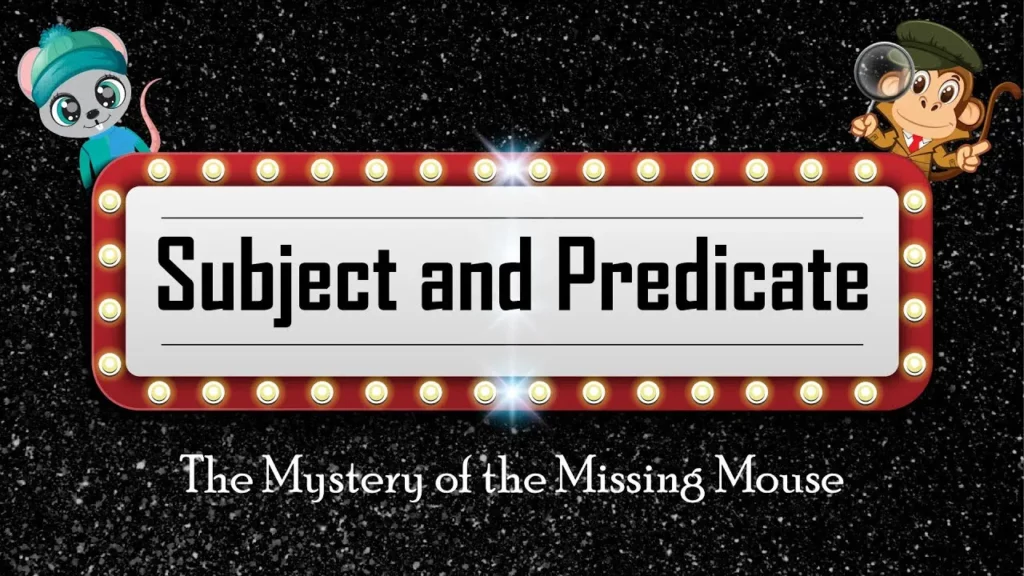
In this lesson, kids join Spike the monkey and his friend Barney as they learn about subjects and predicates while solving the mystery of Barney’s missing sister, Phoebe. The lesson explains that every sentence consists of a subject, which identifies who or what the sentence is about, and a predicate, which describes what the subject is doing. Through engaging examples and activities, children discover how to identify and use subjects and predicates in their own sentences.
Natural Disaster Riddles for Kids | Which Natural Disaster Am I?
In this lesson, children engage with natural disasters through a series of fun and imaginative riddles that describe various phenomena such as hurricanes, earthquakes, and wildfires. Each riddle encourages critical thinking and creativity as kids guess the answers, while also providing educational insights into the characteristics and impacts of these powerful forces of nature. The lesson aims to foster curiosity and a deeper understanding of the world around them.
Types of Sentences for Kids | Declarative, Interrogative, Imperative, and Exclamatory
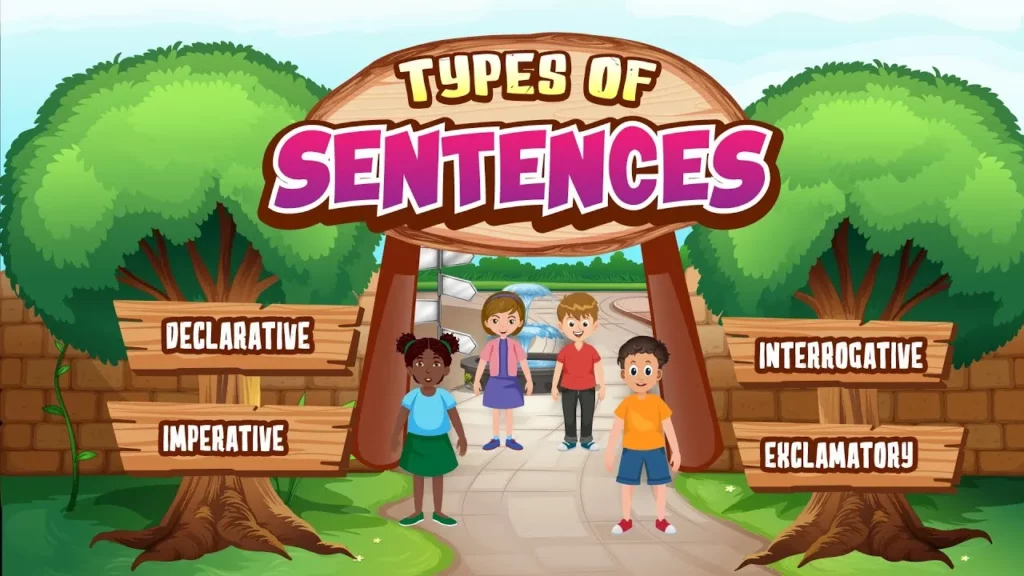
In this lesson, kids embark on a fun adventure to a petting zoo with friends who each demonstrate different types of sentences: declarative, interrogative, exclamatory, and imperative. Through their interactions and observations of animals, students learn to identify and understand the purpose of each sentence type, enhancing their language skills in an engaging way. The lesson concludes with a practice opportunity for students to recognize these sentence types in context.
Parts of a Plant and Their Functions for Kids | Root, Stem, Leaf, Flower & Fruit
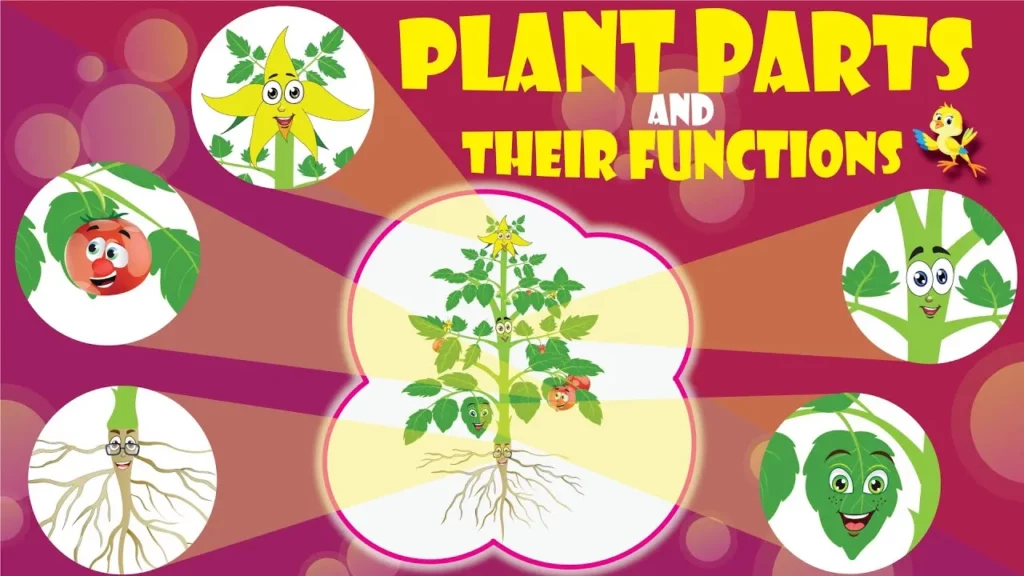
In this lesson, children learn about the different parts of a plant—roots, stems, leaves, flowers, and fruits—and their essential functions. Each part plays a unique role: roots anchor the plant and absorb nutrients, stems transport water and food, leaves produce food through photosynthesis, flowers attract pollinators, and fruits protect seeds and aid in their dispersal. Ultimately, the lesson emphasizes that all parts of a plant are important and work together like a team to support the plant’s growth and survival.
What Are Possessive Nouns? | Singular and Plural Possessive Nouns | Rules to Show Ownership
In this lesson, we explored possessive nouns, which indicate ownership by adding an apostrophe and “s” to a noun. We learned how to form possessive nouns for both singular and plural cases, including special rules for names ending in “s” and irregular plural nouns. Through examples and practice, students can effectively use possessive nouns in their writing to show who owns what.
Adverbs for Kids | How, When, Where, and How Often
In this lesson, children learn about adverbs and their role in enhancing sentences by providing details about how, when, where, and how often actions occur. Through the adventures of Oliver and Peter at the zoo, students discover that adverbs can modify verbs, adjectives, other adverbs, and even entire sentences, making their writing more vivid and engaging. The lesson encourages kids to identify adverbs in their reading and writing to enrich their language skills.
The Life Cycle of a Frog | Four Stages of Development | How a Tadpole Becomes a Frog
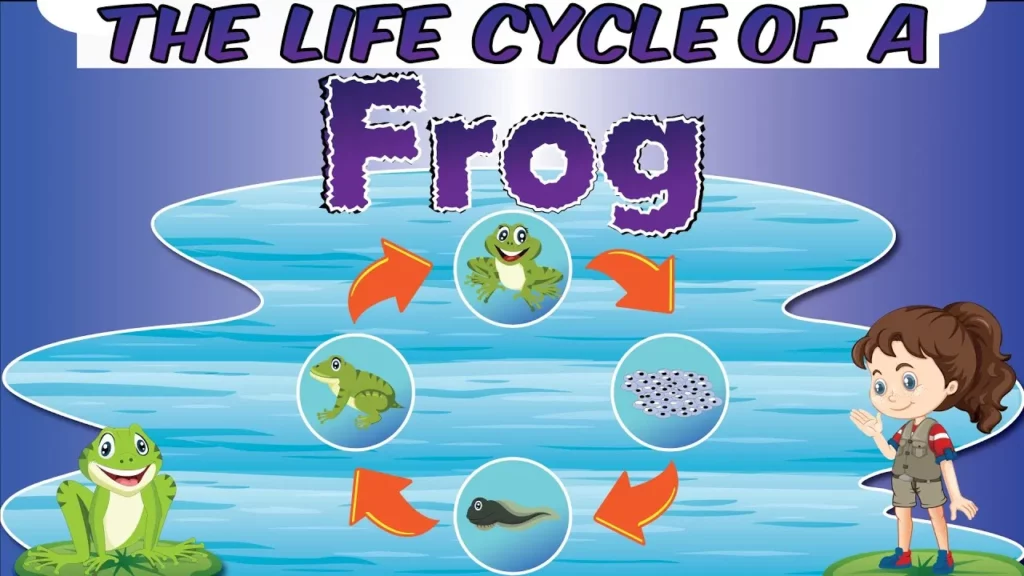
In this lesson, students learn about the fascinating life cycle of a frog, which includes four stages: egg, tadpole, froglet, and adult frog. Through the story of Mr. and Mrs. Croaks-a-Lot, learners discover how frogs, as amphibians, transition from aquatic to terrestrial life, highlighting their unique adaptations and the cyclical nature of their reproduction. The lesson emphasizes the wonder of nature and encourages further exploration and discovery.