
The unusual way a sunfish swims
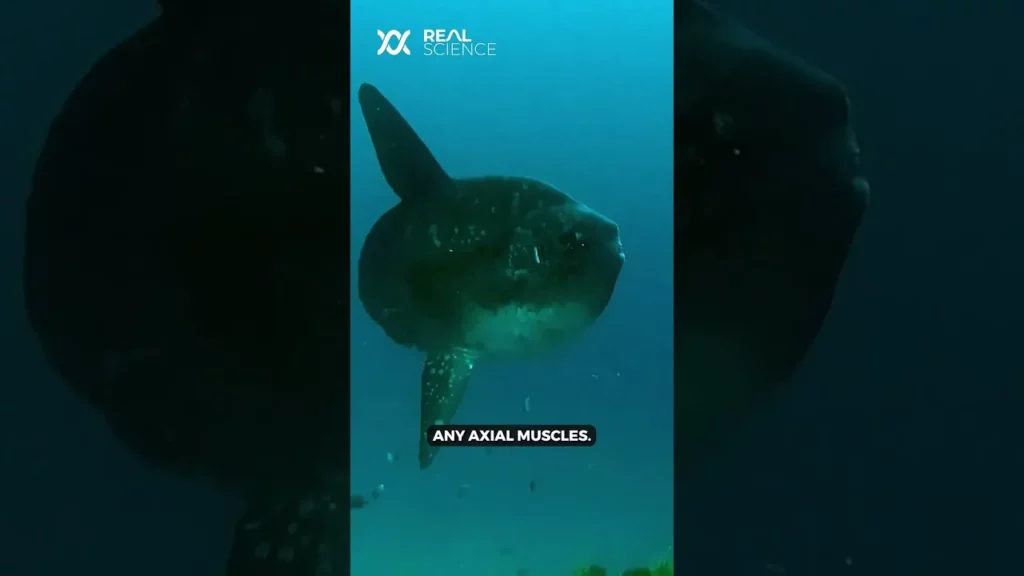
The lesson explores the unique swimming method of the sunfish, or mola, which lacks axial muscles typically found in other fish. Instead, it relies on its large dorsal and anal fins to propel itself through the water, allowing its body to remain nearly still while gliding efficiently. This adaptation highlights the diverse evolutionary strategies of marine life and the sunfish’s ability to thrive in its environment.
How nuclear bombs tell us how old whale sharks are
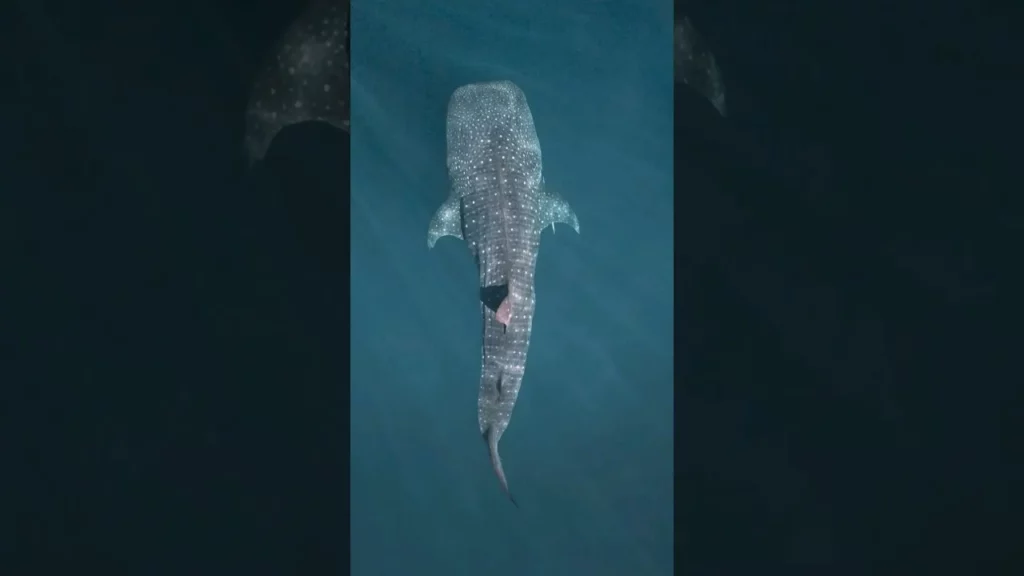
The lesson explains how scientists have determined the ages of whale sharks by analyzing growth bands in their vertebrae, using radioactive carbon-14 from nuclear bomb tests as a time marker. This research revealed that each growth band forms over a year, indicating that whale sharks can live for at least 50 years, which is essential for informing conservation efforts. Understanding their lifespan is crucial for developing effective strategies to protect these remarkable marine animals.
Why a praying mantis always seems to stare at you
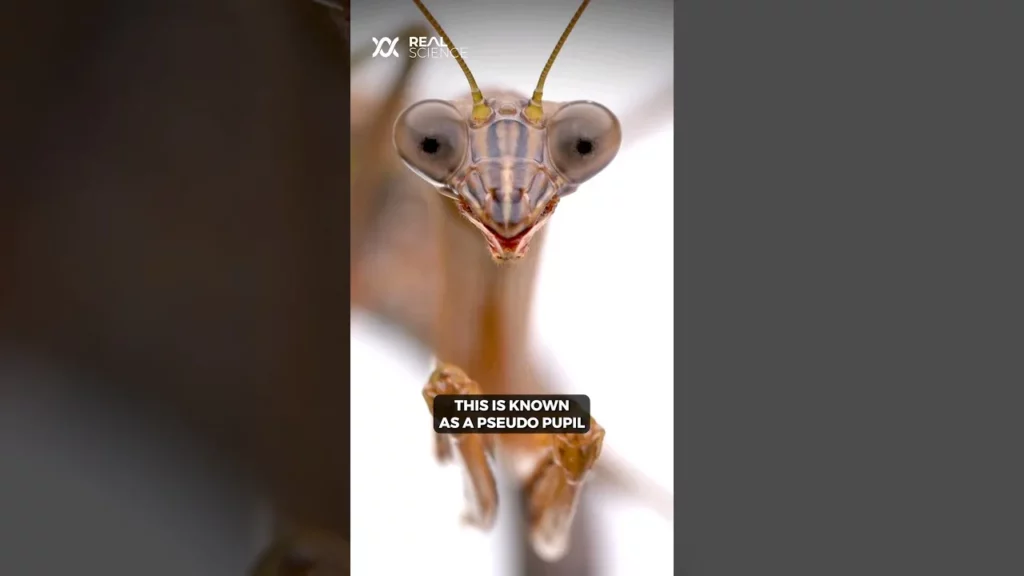
The lesson explains why a praying mantis appears to be staring at you, attributing this phenomenon to an optical illusion known as a “pseudo pupil.” This illusion arises from the structure of the mantis’s compound eyes, where the central ommatidia absorb light, creating a dark spot that seems to follow your movements. Despite the illusion, mantises possess excellent vision and are highly aware of their surroundings, making them effective hunters.
There are SO MANY more giant squid in the ocean than you think
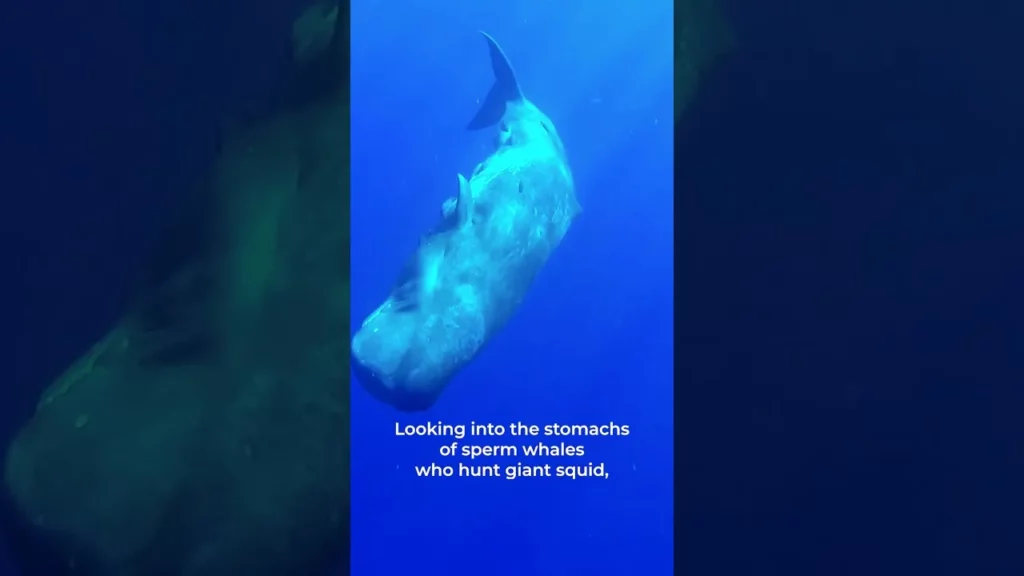
The lesson highlights the surprising abundance of giant squids in the ocean, revealing that recent studies suggest there may be far more of these creatures than previously thought. By examining sperm whale diets, researchers estimate that if each whale consumes one giant squid daily, over 131 million squids could be eaten annually, indicating a thriving population in the deep ocean. This underscores the vastness and mystery of the ocean, reminding us of the many undiscovered wonders it holds.
Did humans really just have a conversation with a whale?
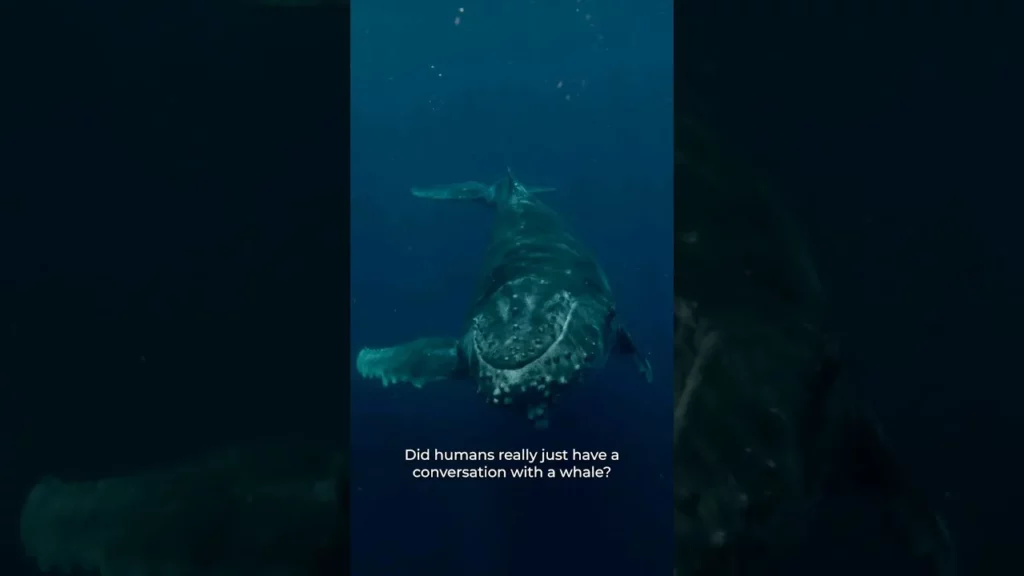
In a groundbreaking experiment, scientists engaged in a 20-minute “conversation” with a humpback whale named Twain by playing recorded whale sounds through an underwater speaker, which prompted the whale to respond. Although the exact meaning of Twain’s responses remains unknown, this interaction highlights the potential for complex communication among whales and the role of technology, such as artificial intelligence, in decoding whale language. This research is crucial for enhancing our understanding of marine life and promoting conservation efforts for these magnificent creatures.
This is the rarest kind of tornado – and it is deadly for unexpected reasons
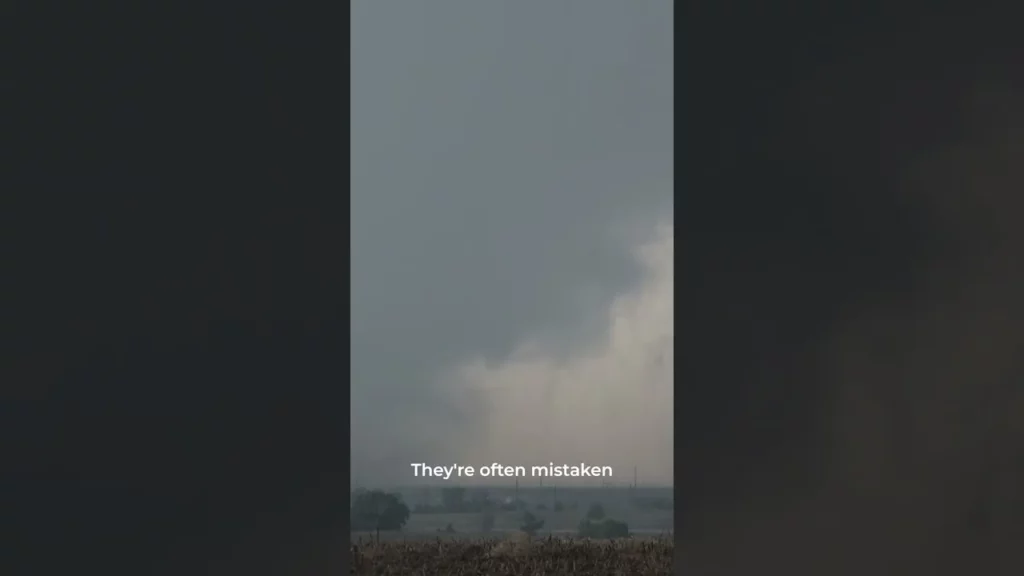
This lesson explores the different types of tornadoes, highlighting the rare and particularly dangerous wedge tornado, which can be over a mile wide and difficult to spot due to its blending with the sky. Wedge tornadoes are responsible for some of the deadliest tornadoes in U.S. history, reaching EF4 to EF5 levels of destruction. The lesson emphasizes the importance of preparedness and awareness to ensure safety during tornado season, regardless of the tornado type.
What storm chasers are actually doing
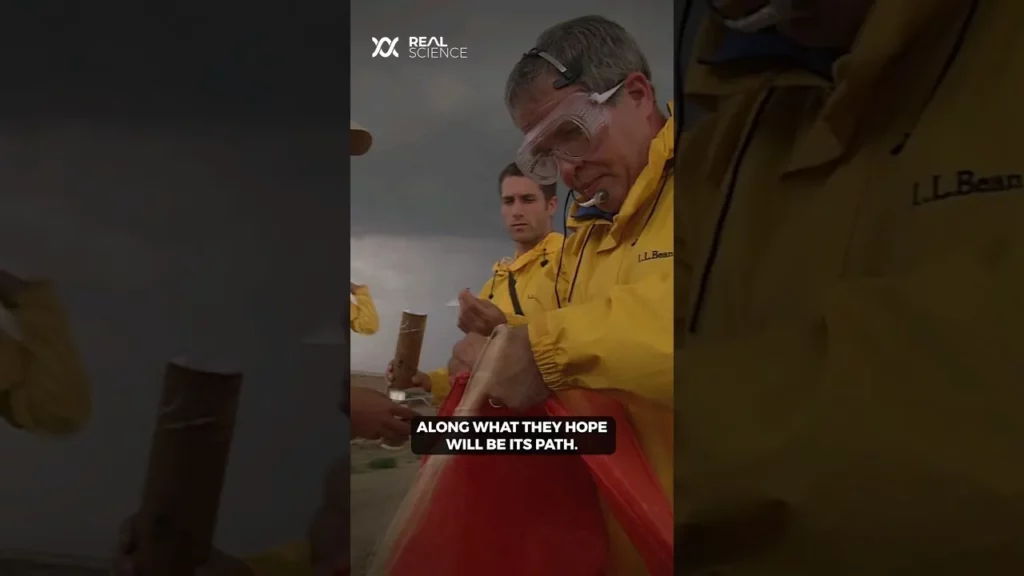
Storm chasers actively pursue tornadoes to gather crucial data that enhances our understanding of these powerful storms. By deploying scientific tools in the path of tornadoes, they collect valuable information that can improve forecasting and safety measures, ultimately helping to save lives. Their research not only sheds light on tornado formation but also aids in designing structures that can better withstand such extreme weather events.
How radiation is helping wolves thrive in Chernobyl
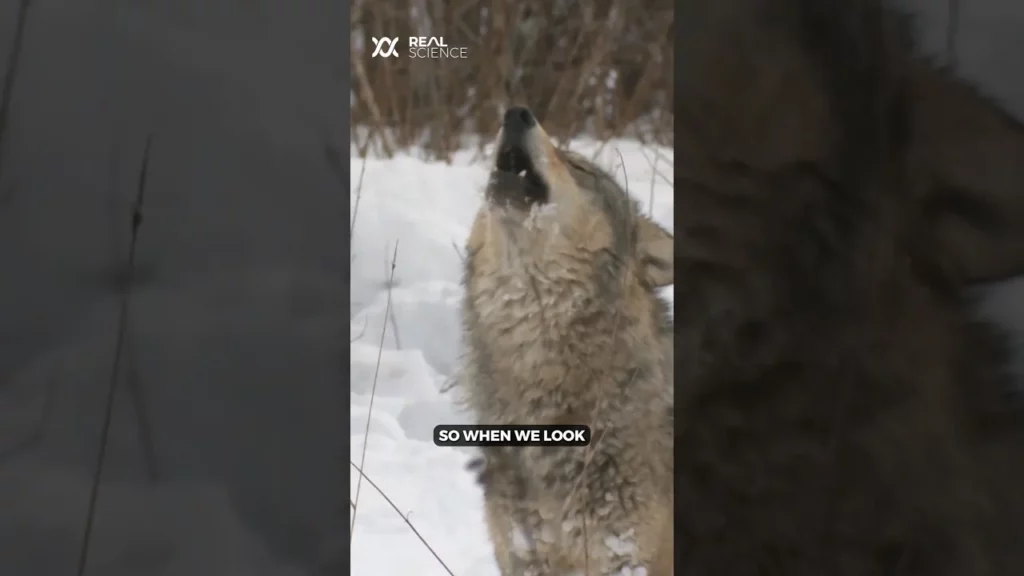
The lesson explores how radiation in the Chernobyl Exclusion Zone may have unexpectedly benefited the Eurasian wolf population, revealing genetic adaptations that enhance their resistance to cancer. Researchers found that these wolves possess 23 genes linked to protective effects against tumors, challenging the notion that all radiation exposure is harmful. This case underscores the resilience of nature and prompts further investigation into the implications of radiation on wildlife and potential advancements in cancer research.
The super weird thing tortoises do during an eclipse
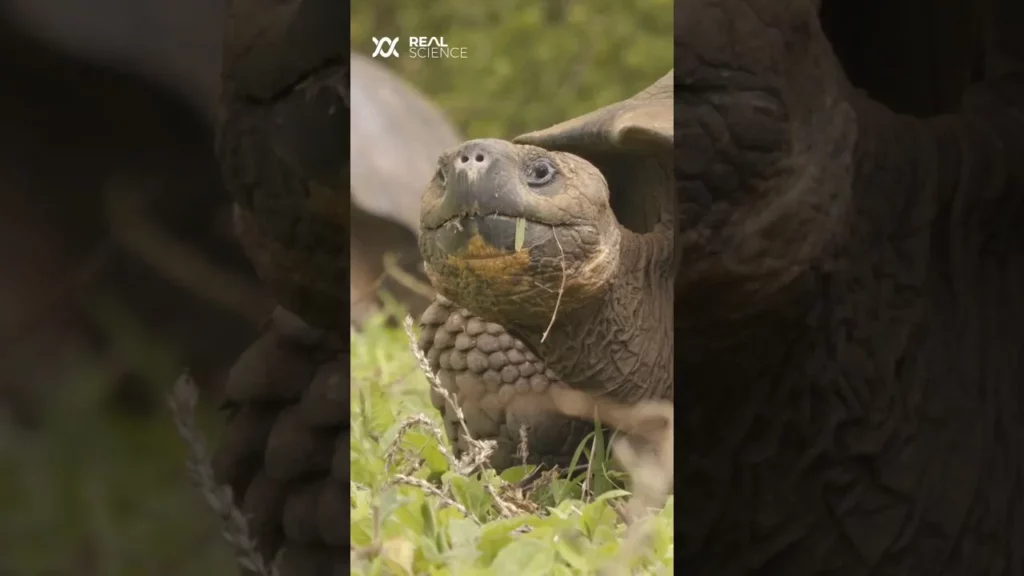
The lesson explores the fascinating behaviors of various animals during a solar eclipse, highlighting how they react to this rare celestial event. For instance, while some animals like gorillas and baboons exhibit anxiety or aggression, Galapagos tortoises engage in mating rituals and gaze at the sky, creating a unique “tortoise party.” These reactions illustrate that animals, much like humans, have emotional responses to extraordinary occurrences in nature, reminding us of our connection to the natural world.
Grade 8 Math: How to Construct a Circle

In this lesson, you learn how to draw a perfect circle using just three points by following a series of steps. Starting with connecting two points to create a line segment, you then find the perpendicular bisector of that segment, repeat the process with another pair of points, and finally locate the circle’s center at the intersection of the bisectors. By adjusting your compass to the distance from the center to one of the original points, you can successfully draw a circle that encompasses all three points.