
How Deadly Tornadoes Form
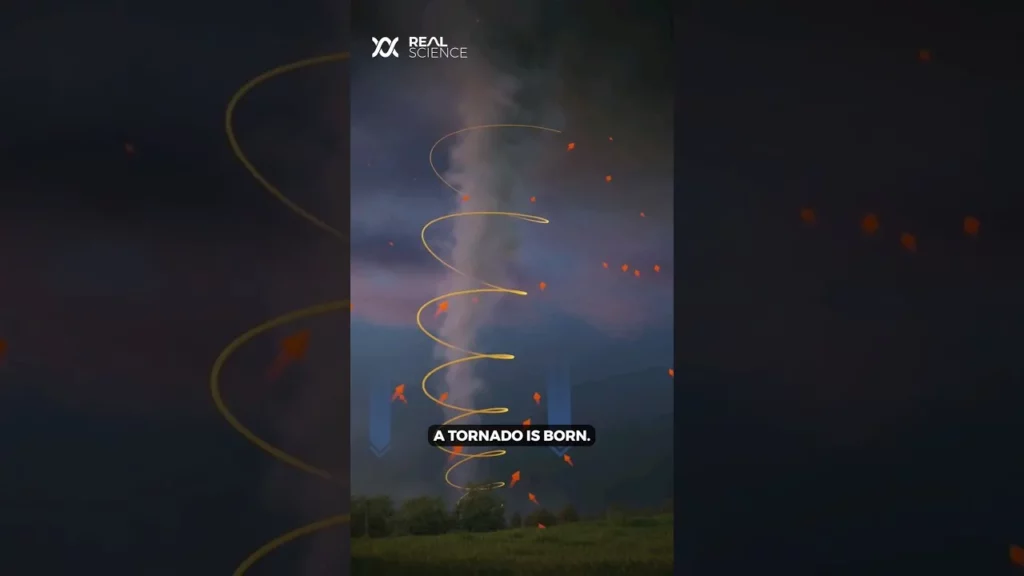
This lesson explains the formation of deadly tornadoes, which typically begin with a supercell—a type of storm characterized by a rotating updraft caused by wind shear. As warm, moist air rises and interacts with cooler air, a mesocyclone forms, leading to the development of a tornado through a process of vortex stretching and the eventual downdraft that brings the rotation to the ground. Understanding these processes is crucial for meteorologists to predict tornado occurrences and enhance public safety through improved weather forecasting.
Is the ocean sunfish the worst animal?
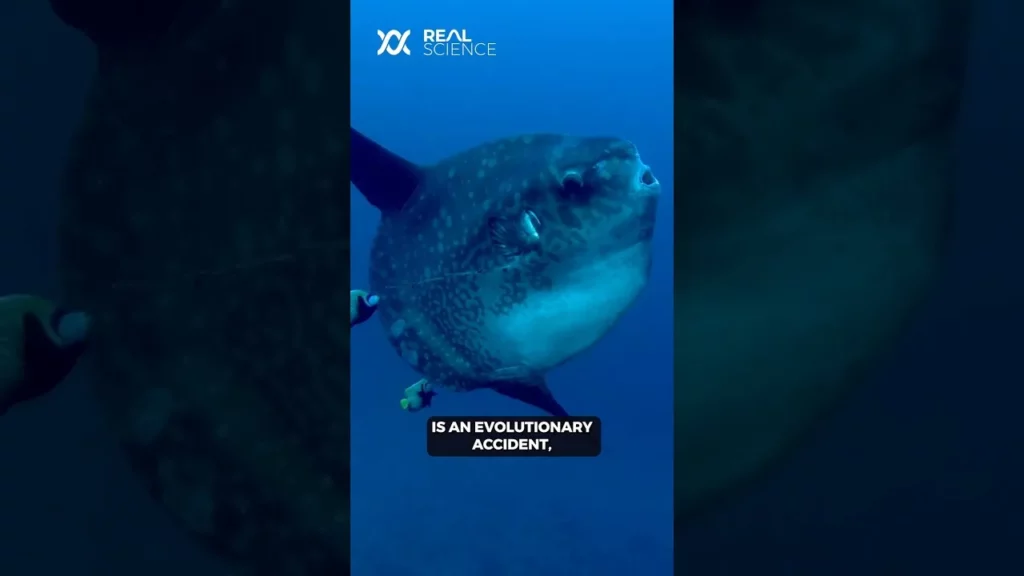
The lesson about the ocean sunfish highlights the importance of embracing uniqueness and adaptability for survival. Despite its unconventional appearance and slow swimming abilities, the ocean sunfish thrives in its environment by leveraging its size, tough skin, and diet of jellyfish. This teaches us that success can come from being different and that unconventional traits can be strengths rather than weaknesses.
The mind control zombie fungus that infects cicadas
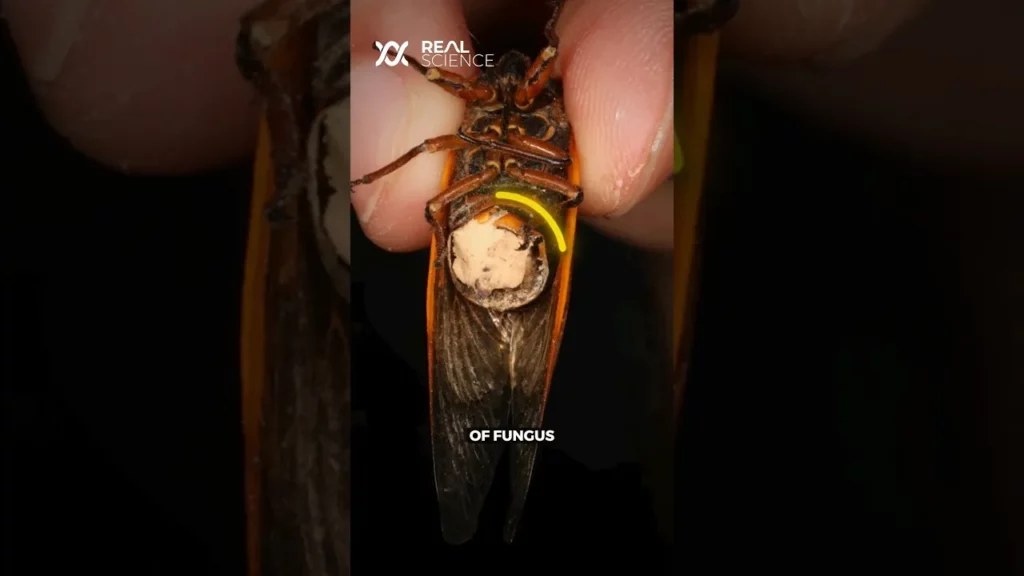
The lesson explores the fascinating relationship between a mind-controlling fungus and periodical cicadas, detailing how the fungus infects the cicadas and manipulates their behavior to ensure its own survival. By releasing spores that alter the cicadas’ actions, including mimicking mating calls and producing psilocybin, the fungus effectively spreads its spores to new hosts, showcasing the complex strategies organisms can evolve. This unique interaction exemplifies the intricate dynamics of nature and the diverse adaptations found in the animal kingdom.
The crazy thing that happens to frogs after nuclear disaster
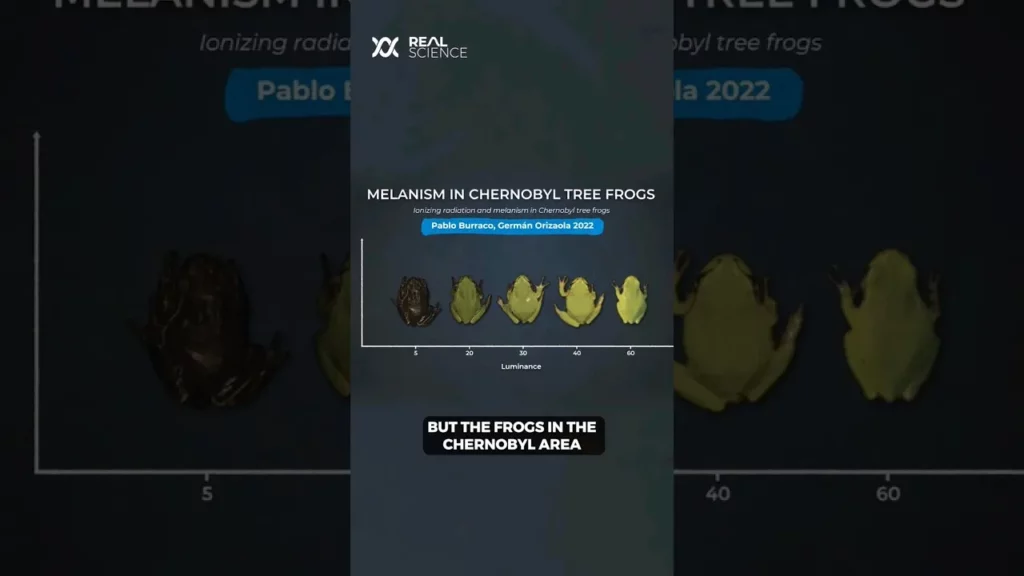
The lesson explores the rapid evolution of Eastern tree frogs in the aftermath of the Chernobyl nuclear disaster, highlighting how natural selection can lead to significant adaptations in response to extreme environmental changes. Researchers found that these frogs developed darker skin, which provided better protection against radiation, illustrating the resilience of nature and the speed at which species can adapt to survive. This case serves as a reminder of the profound impacts of nuclear disasters on wildlife and the ongoing processes of evolution in challenging conditions.
Why praying mantis claws are so devastating

The lesson explores the unique and powerful claws of praying mantises, which are specially designed for capturing prey with remarkable efficiency. Their claws consist of five parts, including a long coxa covered in sharp spines, enabling a strong grip, while their lightning-fast two-step strike allows them to catch prey in less than a tenth of a second. Additionally, their ability to camouflage enhances their hunting prowess, making them one of nature’s most effective predators.
The Incredible Deception of the Orchid Mantis
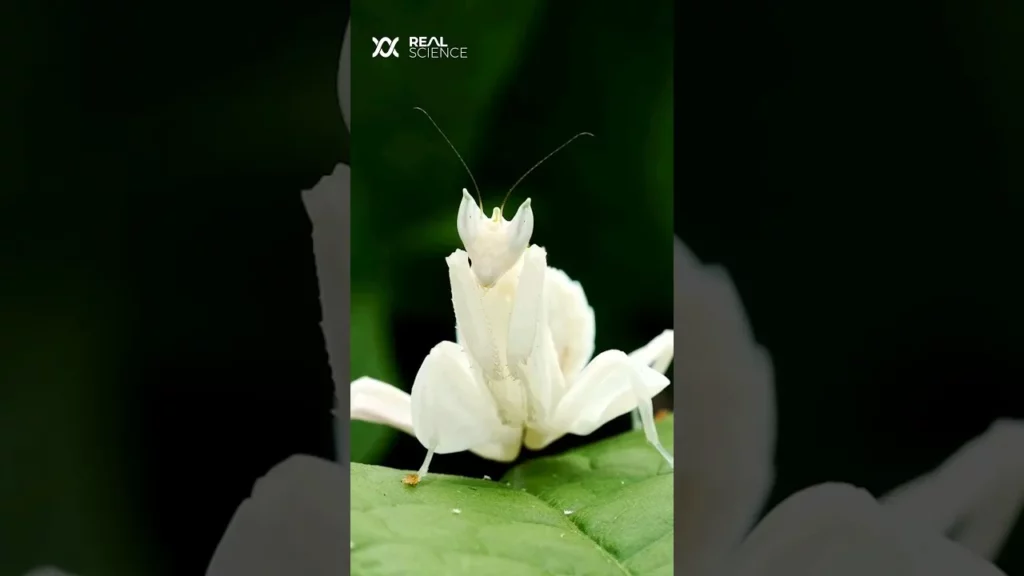
The lesson explores the remarkable adaptations of the orchid mantis, which mimics the appearance of orchid flowers to evade predators and attract prey. This clever disguise, known as “aggressive mimicry,” allows the mantis to catch more pollinators than actual flowers, showcasing its effectiveness in survival and hunting. Ultimately, the orchid mantis exemplifies the fascinating ways animals adapt to their environments for protection and sustenance.
This narwhal has two tusks
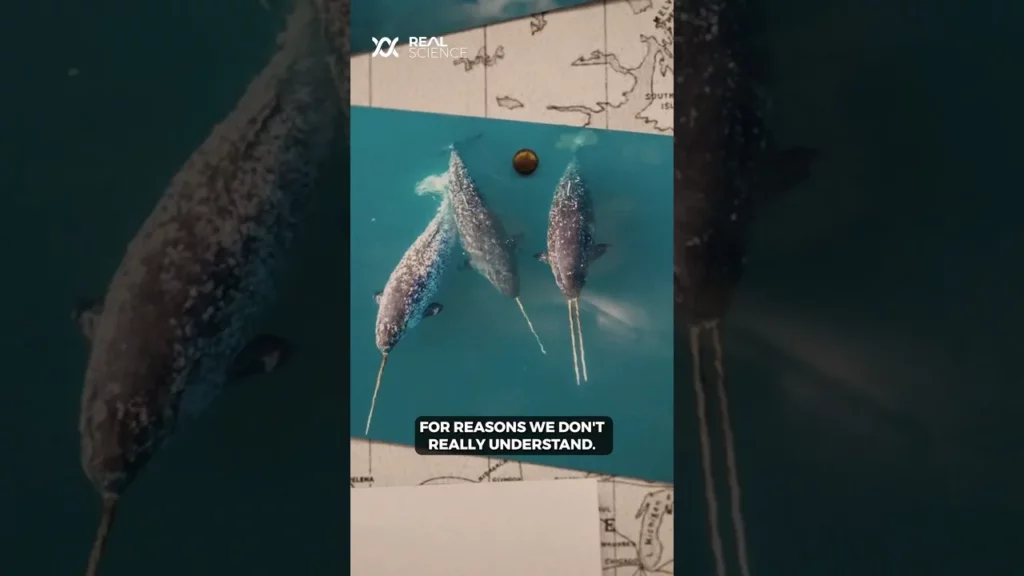
The lesson explores the unique characteristics of narwhals, particularly their tusks, which are actually elongated teeth. While most female narwhals have hidden tusks, about 1.5% can grow visible tusks, and some males may have none or even two. The lesson highlights the tusk’s anatomy, its potential uses in the narwhal’s life, and emphasizes the importance of studying these fascinating creatures to appreciate the diversity of marine life.
The shocking thing found in the nuclear craters of Bikini atoll

Researchers at Bikini Atoll, previously thought to be a barren landscape due to nuclear testing, discovered thriving coral communities that have flourished for nearly 70 years. Genetic analysis revealed that these corals exhibit remarkable resilience to radiation, showing no significant mutations, which suggests they possess unique mechanisms to resist genetic damage. This finding not only challenges existing notions about life in extreme conditions but also holds potential implications for conservation and understanding how organisms adapt to harsh environments.
This is why you should never touch an armadillo
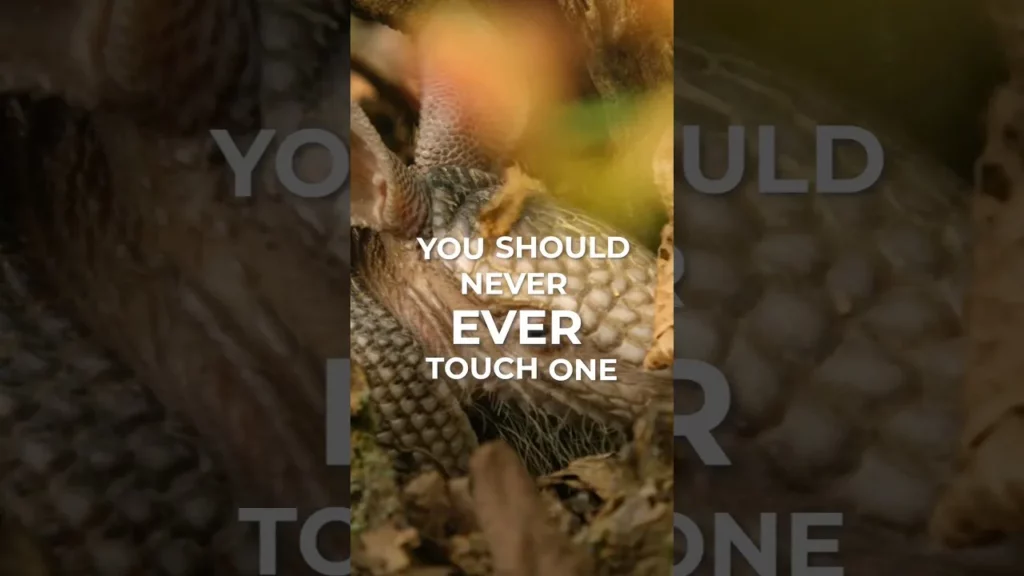
The lesson emphasizes the importance of not touching armadillos due to their potential to carry leprosy, a serious disease caused by the bacteria *Mycobacterium leprae*. While armadillos may appear cute and harmless, they can transmit this illness to humans through direct contact, particularly in regions where the infection is prevalent. It is crucial to admire these creatures from a distance to ensure personal safety and respect for wildlife.
The amazing reason cicadas are SO LOUD

Cicadas are known for their incredibly loud sounds, which can reach up to 100 decibels, comparable to a hair dryer or subway train. They produce these sounds using specialized body parts called tymbals, which help male cicadas attract female mates through impressive songs. Interestingly, some cicadas emerge only every 13 or 17 years, creating a massive chorus, and despite their noise, they are harmless to humans.