
Grade 5 Science: Identifying Internal Forces Acting on Structures
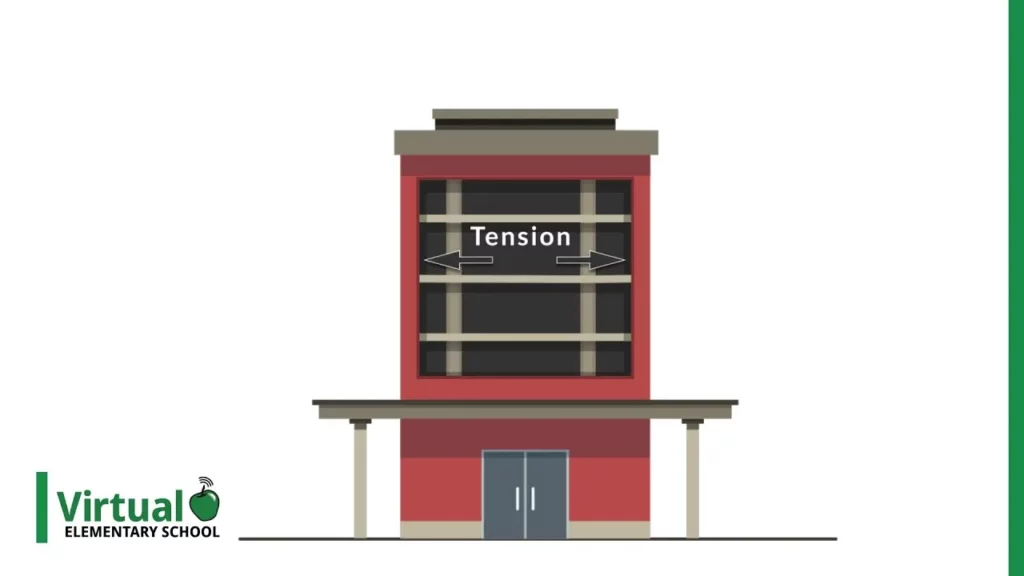
The lesson on “Understanding Internal Forces in Structures” highlights the significance of internal forces—compression, tension, torsion, and shearing—in maintaining the stability and strength of buildings and bridges. Each type of force plays a crucial role in how structures respond to various loads and environmental conditions, and understanding these forces is essential for engineers and architects to design safe and durable constructions. By grasping these concepts, one can appreciate the intricate balance that allows structures to withstand challenges over time.
Grade 6 Math: Sketching 3D Figures
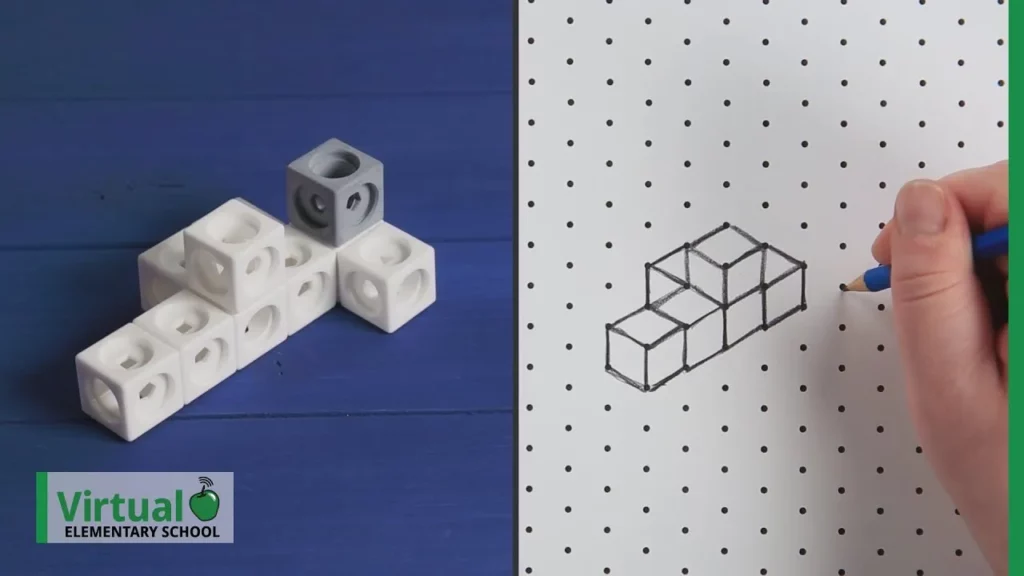
In this lesson, students learn how to sketch 3D figures using isometric dot paper or grid paper, starting with a cube and expanding to more complex shapes. They explore different perspectives—top view, side view, and front view—to accurately represent the entire 3D object, even when some parts are obscured. By practicing these techniques, students can create detailed and visually engaging 3D drawings.
Grade 1 Math: Subtraction
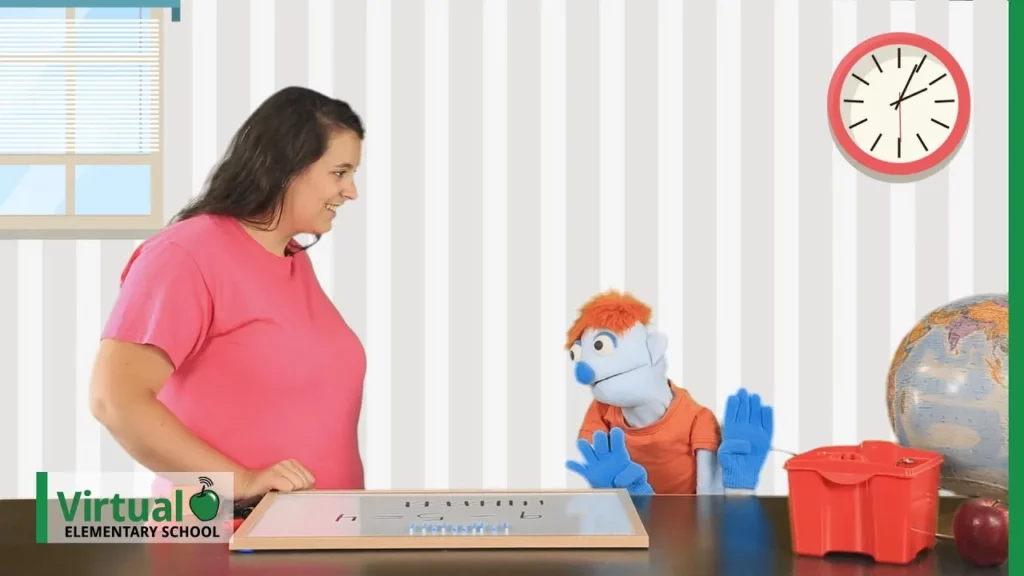
In this lesson, students learn about subtraction through a fun story involving birthday candles. By using the example of having nine candles and lending five to a friend, they discover how to calculate the remaining candles using the subtraction symbol. The lesson encourages practice with subtraction in a playful manner, reinforcing the concept of taking away to find out how many are left.
Set Pass and Forearm Pass Skill Demonstration
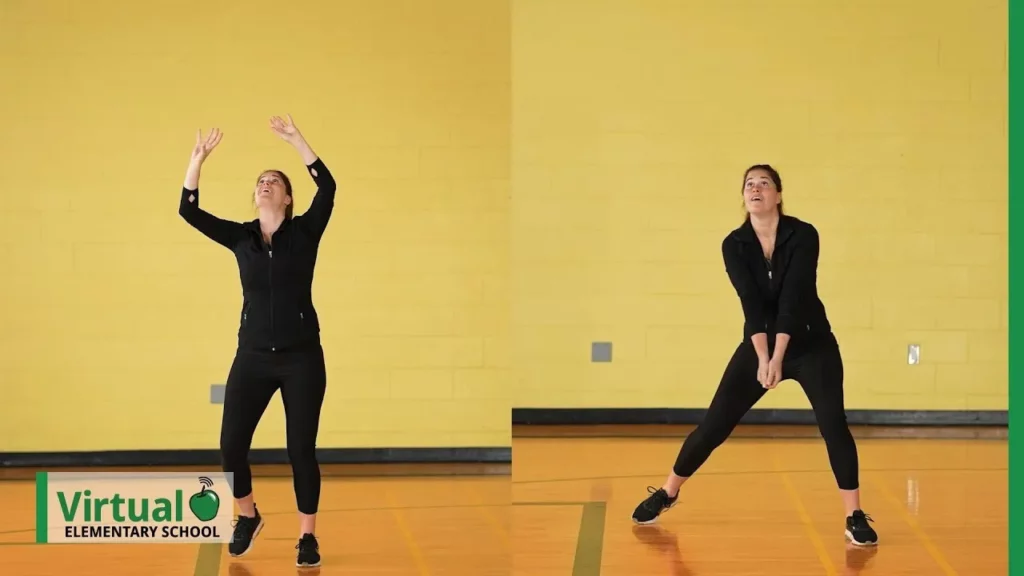
This lesson introduces two fundamental volleyball skills: the set pass and the forearm pass. The set pass involves using an overhead motion with fingers to direct the ball, while the forearm pass, or bumping, utilizes an underhand technique to control the ball with the forearms. Mastering these techniques is essential for any aspiring volleyball player, and consistent practice will enhance overall performance in the game.
Grade 6 Math: Writing Numbers in Expanded Form
In this lesson, students learn about expanded form, which is a method of expressing numbers that highlights the value of each digit. Using the example of the number 23,045, the lesson breaks down each digit’s place value, demonstrating that it can be represented as 20,000 + 3,000 + 40 + 5. This approach not only clarifies the composition of larger numbers but also enhances understanding of numerical values.
Grades 1–3 Science and Technology
The lesson “Discovering Science and Technology” emphasizes the omnipresence of science in our daily lives and encourages curiosity about the world around us. Through hands-on experiments and problem-solving activities, students can engage with scientific concepts and see their practical applications, fostering a deeper understanding and appreciation of the interconnectedness of nature and technology. The lesson invites learners to embark on an exciting journey of exploration and discovery in the realm of science.
Grades 1–3 Social Studies
In the lesson “Exploring Our World Together,” students embark on an exciting journey to learn about their community, province, and the wider world. They discover the roles of individuals within their community, explore the unique features of their province, and appreciate the diverse cultures and traditions found in different countries. This adventure encourages curiosity and fosters a sense of connection to both local and global environments.
Grades 1–3 Language
In this lesson, we explore the enchanting world of words and language, emphasizing the joys of reading, writing, and speaking. Reading opens doors to new adventures, writing allows for creative expression, and speaking helps us share our ideas confidently. With the aid of modern tools, learning language becomes even more engaging, inviting everyone to embark on their own language journey.
Grade 1 Math: Addition
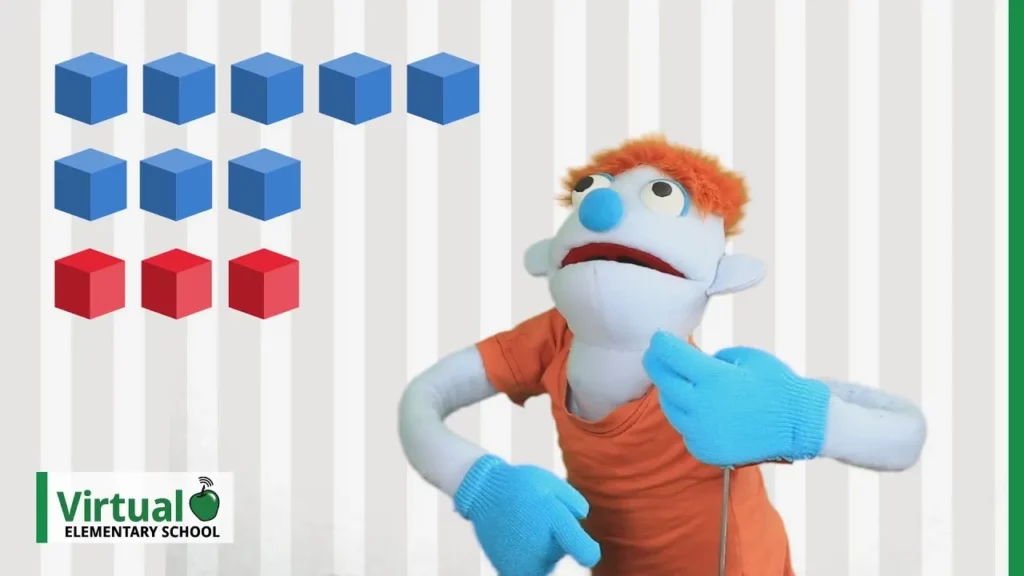
In this lesson, we explored the concept of addition using colorful blocks as a practical example. We learned that addition involves combining quantities to find a total, represented by the plus sign (+) and the equal sign (=). By counting seven blue blocks and three red blocks, we discovered that the total is ten, reinforcing our understanding of how to create and solve addition equations.
Grades 4–6 Mathematics
The lesson “Discovering the Joy of Mathematics” emphasizes that math is an adventurous journey filled with problem-solving, creativity, and collaboration. By thinking creatively, breaking down challenges, and effectively communicating ideas, students can build confidence in their mathematical abilities and develop a love for the subject. Ultimately, the lesson encourages learners to embrace math as an exciting and enjoyable experience.