
Grades 4–6 Language
The lesson “Unlocking the Secrets of Language” emphasizes the development of critical language skills in grades four to six, encouraging students to become “language detectives” who analyze and interpret various texts. Students learn to explore different perspectives, question the validity of messages, and ultimately create their own communications, enhancing their understanding and expression. By practicing these skills, they can improve their ability to comprehend and convey ideas effectively.
Grade 2 Math: Showing Money Amounts to 100 Cents
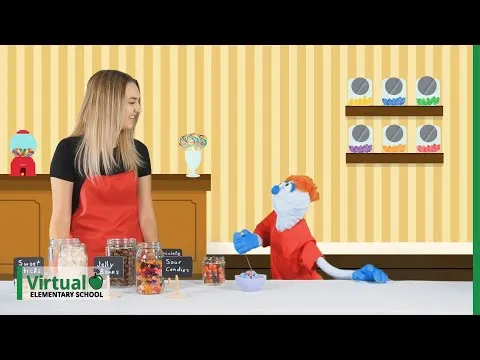
In this lesson, students learn how to count coins to total 65 cents, using quarters, dimes, and nickels. By starting with two quarters for 50 cents, adding one dime for 60 cents, and finishing with one nickel for 65 cents, they practice making exact amounts needed for purchases, like candy. The lesson encourages continued practice to enhance their coin counting skills.
Grade 6 Math: Area of a Parallelogram and a Triangle
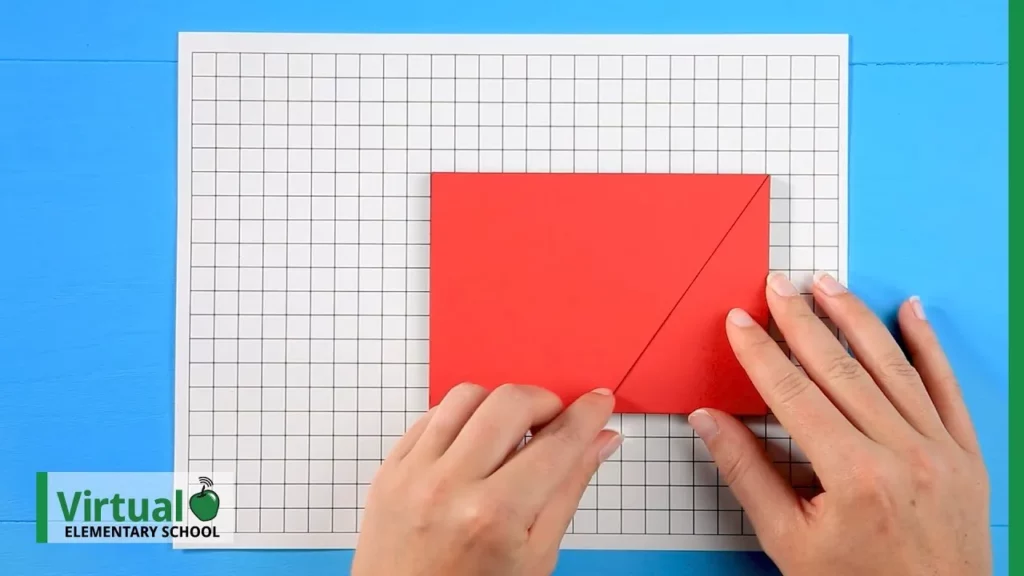
In this lesson, students learn how to calculate the area of parallelograms and triangles using their understanding of rectangles. The area of a parallelogram is found by multiplying the base by the height, while the area of a triangle is half of that, calculated as (base × height) ÷ 2. With these simple formulas, learners can confidently determine the area of these shapes.
Grades 4–6 Science and Technology
In this lesson, students are introduced to the fascinating world of science and technology, where they will explore how things work and learn to solve real-world problems. Through hands-on activities like planting seeds and building simple machines, learners will engage in exciting experiments that foster creativity and critical thinking. This journey not only enhances their understanding of the natural world but also encourages a lifelong passion for discovery and innovation.
Grade 1 Math: Patterns—Find the Core and Extend It (Part 1 of 2)
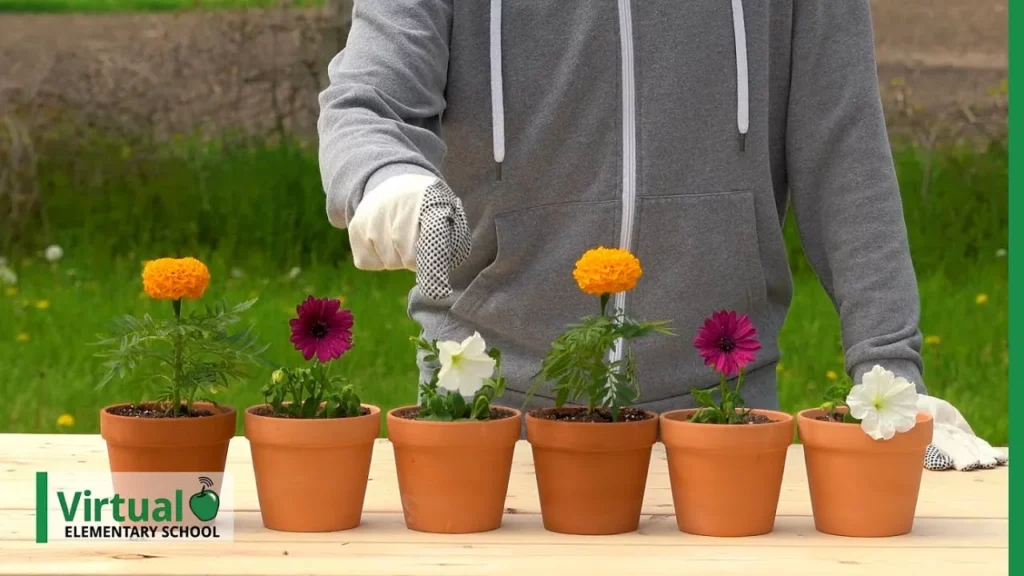
In this lesson, students explore the concept of patterns through the colorful arrangement of flowers in a garden. They learn that a pattern consists of a repeating sequence, identified by its “core,” which in this case is the sequence of orange marigolds, purple daisies, and white petunias. By recognizing and extending this ABC pattern, students are encouraged to find patterns in their everyday surroundings, fostering an appreciation for the patterns that exist in the world around them.
Designing, Building, and Testing a Structure
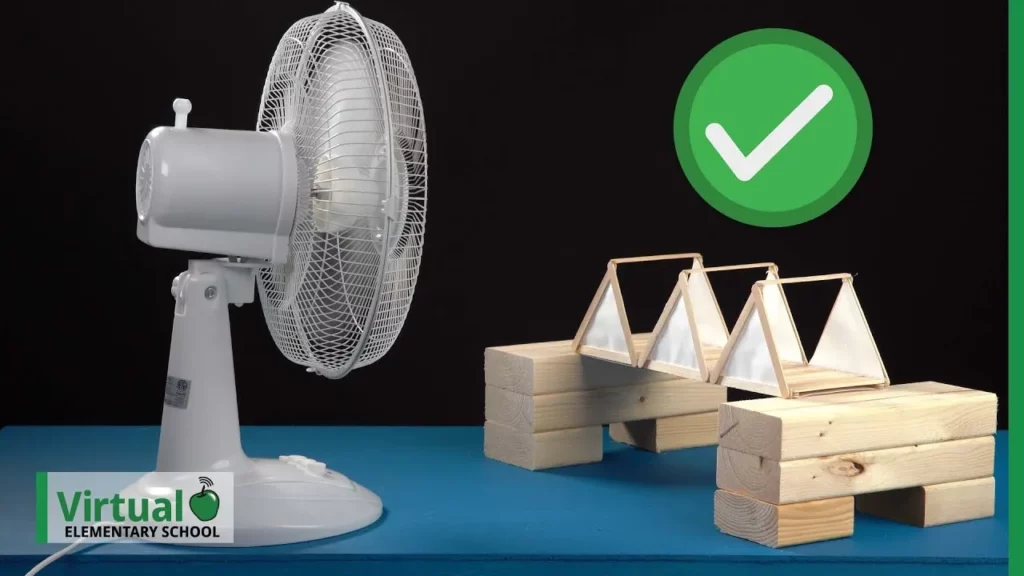
The lesson focuses on the essential steps involved in designing, building, and testing a structure, such as a bridge. It emphasizes the importance of understanding the structure’s purpose, considering external forces, and ensuring even weight distribution. Through the process of testing and refining their designs, students learn that making adjustments based on failures is a crucial part of engineering and that persistence leads to improvement and success.
Grade 4 Math: Volume
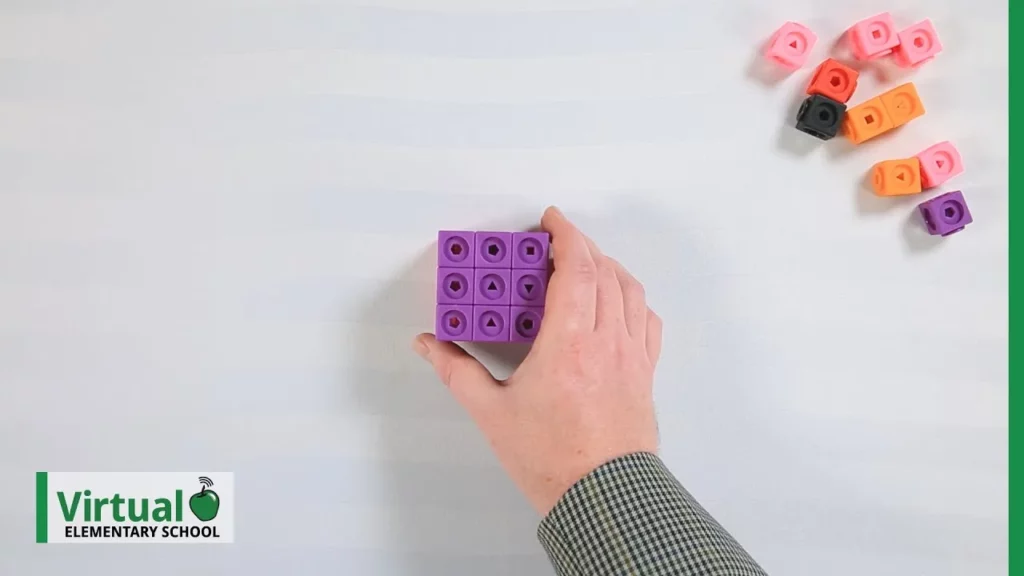
In this lesson, students learn about volume, which is the amount of space occupied by three-dimensional objects, measured in cubic units. Through hands-on activities involving building shapes like a toy giraffe and a rectangular prism with cubes, they discover that different shapes can have the same volume, emphasizing the concept that volume is independent of shape. The lesson encourages creativity and exploration by inviting students to build their own shapes and calculate their volumes.
Grade 2 Math Song: Do You Know Your Polygons?
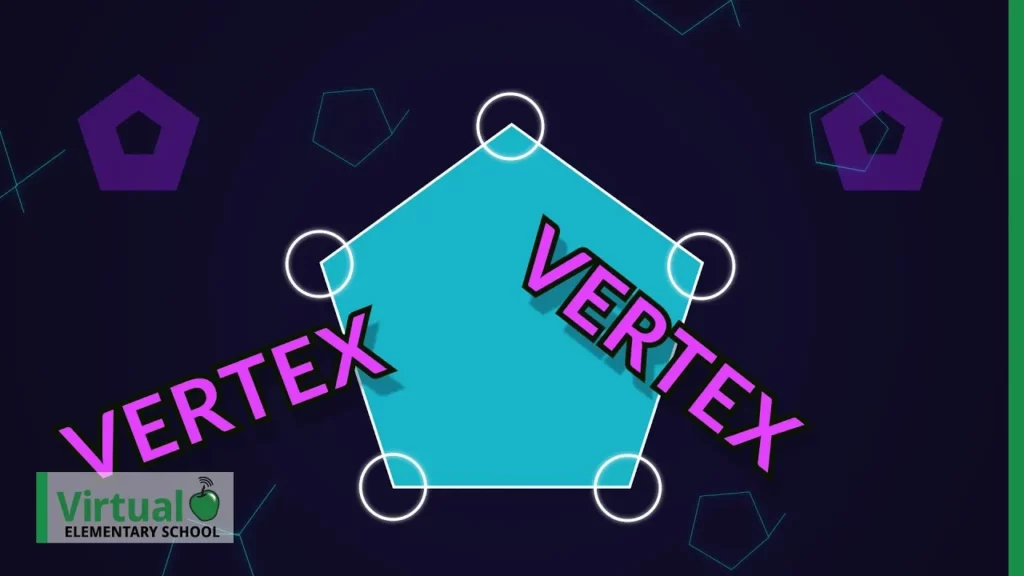
In this lesson, students learn about polygons, which are closed shapes formed by straight lines meeting at vertices. The lesson introduces various types of polygons, including triangles, quadrilaterals, pentagons, hexagons, heptagons, and octagons, highlighting their characteristics and real-life examples. Additionally, it encourages students to observe and identify polygons in their surroundings.
Grades 1–3 Mathematics
In the lesson “Math is Fun!”, students are introduced to the exciting world of math through engaging activities that involve counting, adding, subtracting, identifying shapes, and recognizing patterns. The lesson emphasizes that math is like a puzzle to solve and encourages exploration and creativity, making it an enjoyable adventure for young learners. By participating in games and hands-on experiences, students can develop a positive attitude towards math and enhance their skills.
Grade 3 Math: Adding Money
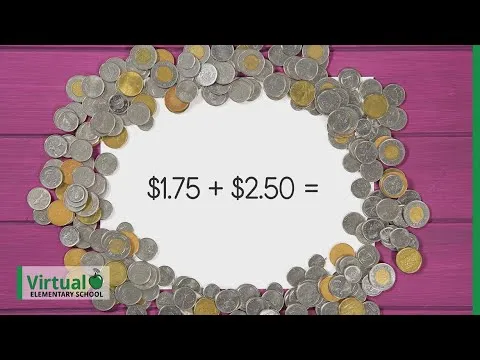
In this lesson, students learn the essential skill of adding money by counting different denominations together. Through a step-by-step approach, they practice adding amounts like dollars and cents, culminating in a total of 3 dollars and 75 cents. The lesson encourages hands-on practice with coins at home, making the learning process engaging and fun.